Optimized to tackle the rigorous operational demands and volcanic silica dust levels typical of Ethiopian industrial zones.
An authoritative analysis of environmental factors, operating challenges, and high-efficiency filtration methodologies in the East African high-altitude industrial corridors.
Ethiopia’s primary manufacturing hubs, particularly the metropolitan area of Addis Ababa, sit at an altitude of approximately 2,355 meters (7,726 feet) above sea level. This geographical elevation presents unique thermodynamic challenges for industrial rotary screw and reciprocating compressors. Operating in low-density ambient air translates to a lower mass flow rate for a given volumetric flow rate. As a result, the air compressor runs hotter, placing extreme thermal stress on the lubricating oil and downstream filtration media.
Simultaneously, the arid soil conditions of the Rift Valley and surrounding agricultural lands create a high ambient concentration of abrasive silica dust. When these microscopic particles bypass the air intake filter, they enter the compression chamber, mixing with the compressor fluid to form an abrasive slurry. This mixture accelerates wear on the screw rotors, reduces the operating life of the oil filter, and clogs the micro-fibers of the air-oil separator element.
"For every 100-millibar increase in pressure differential across a clogged air intake filter, the specific energy consumption of the compressor system rises by approximately 1%. In high-altitude zones where the motor is already working near its cooling limits, filtration efficiency directly dictates factory profitability."
The ongoing industrial expansion under the Ethiopian Industrial Parks Development Corporation (IPDC) has established regional manufacturing hubs such as Bole Lemi, Hawassa, Adama, Kombolcha, and Dire Dawa. Each of these zones has specific air quality requirements:
Procuring industrial spare parts in Ethiopia is often restricted by foreign currency allocation timelines and customs procedures. When a factory has to wait weeks or months for an L/C (Letter of Credit) approval, a premature failure of a compressor filter element can cause costly production line shutdowns.
By sourcing premium replacement elements engineered with high dust-holding capacity (DHC) and high chemical resistance, Ethiopian procurement managers can extend maintenance cycles from 2,000 hours to 4,000 or even 6,000 operational hours. Selecting the correct filter element is not merely a technical maintenance decision; it is a financial strategy to optimize capital output and reduce foreign exchange exposure.
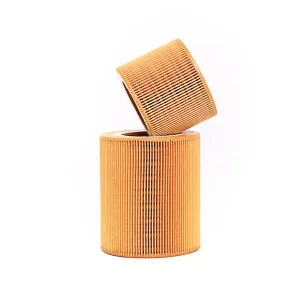
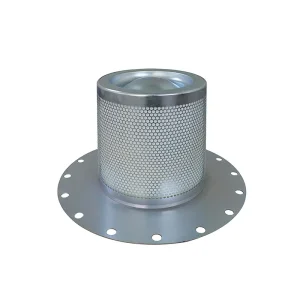
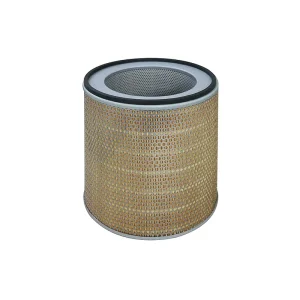
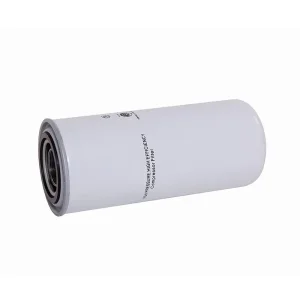
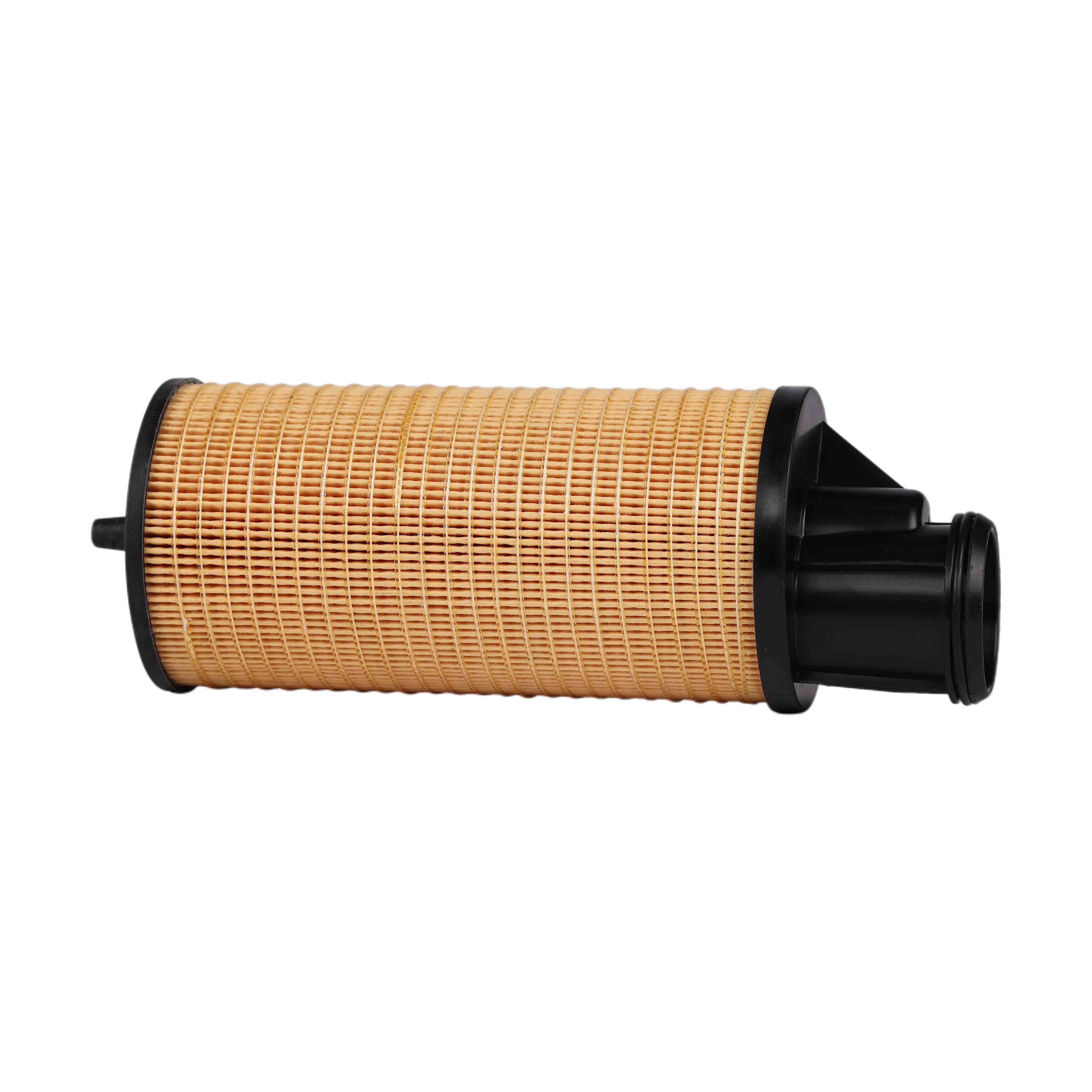
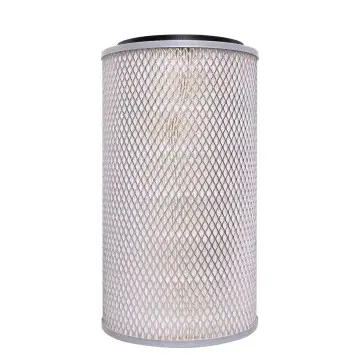
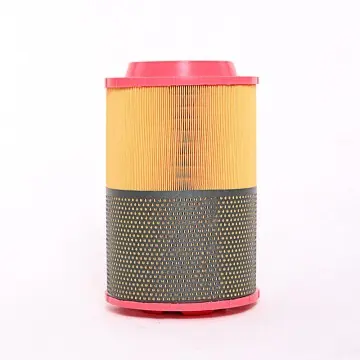
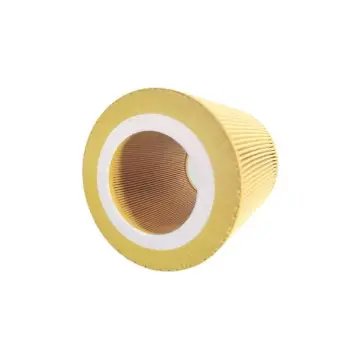
Direct, high-performance replacements engineered to meet or exceed OEM specifications for pressure tolerance and filtration efficiency.
Global Engineering Standards, Tailored for Local Ethiopian Operations.
Operating under the brand JCTECH, we run three state-of-the-art manufacturing facilities. In addition to our primary filtration production site in Xinxiang, Henan Province, our specialized lubricant system development plant supplies high-performance synthetic and semi-synthetic air compressor lubricants worldwide.
This vertical integration allows us to supply a complete filtration and lubrication solution. Standard filters often fail because they are incompatible with the specific chemical composition of the compressor oil being used. JCTECH designs filters and lubricants to work together, ensuring that our separators maintain low oil carryover and low differential pressure throughout their lifecycle.
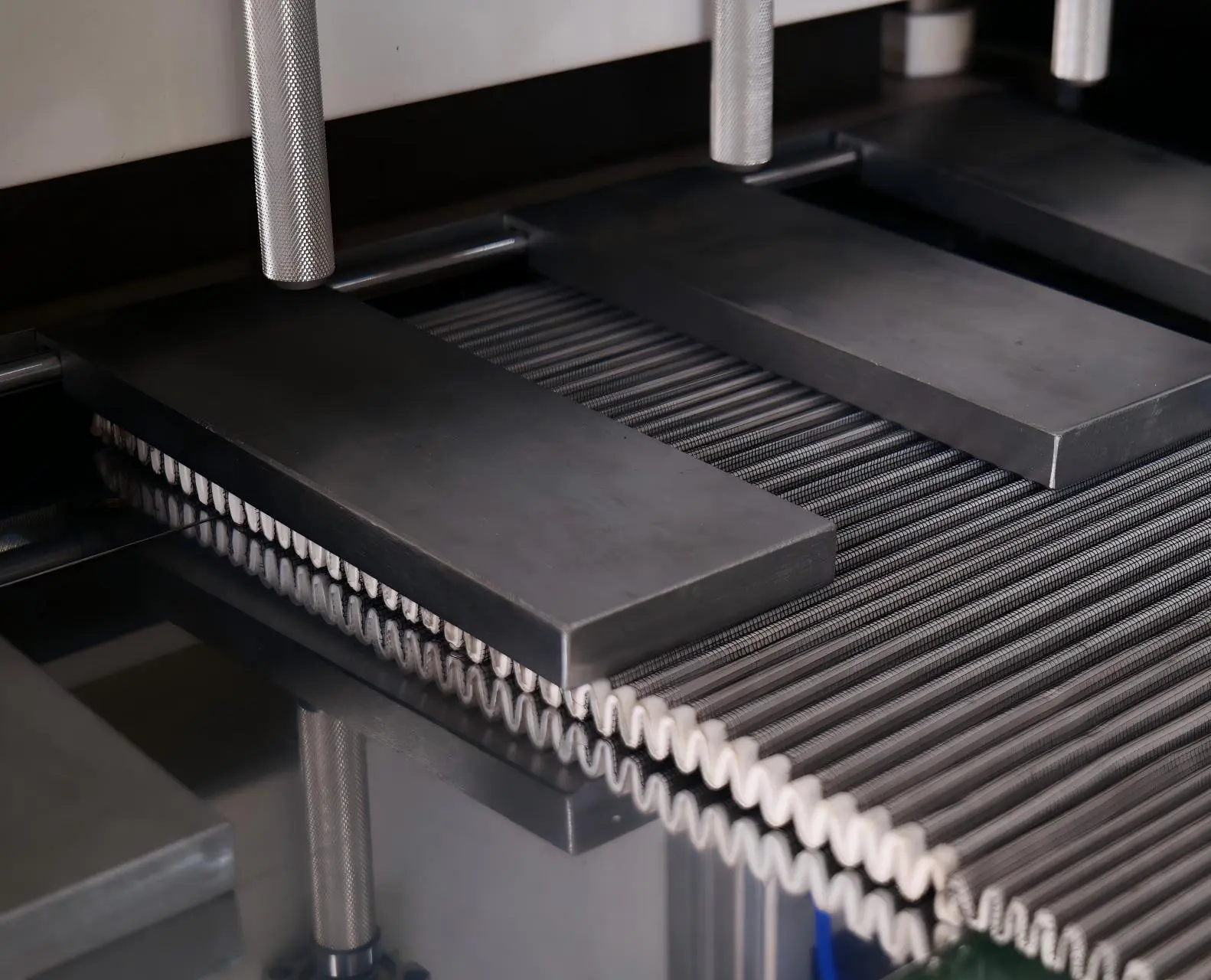
Highly durable air and oil filtration components designed for regional manufacturing zones in Addis Ababa, Dire Dawa, and Adama.
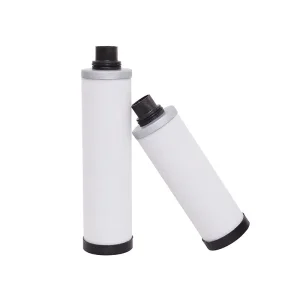
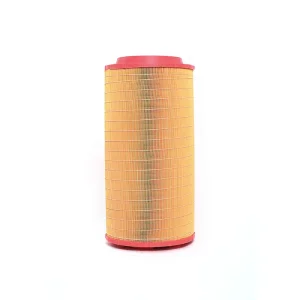
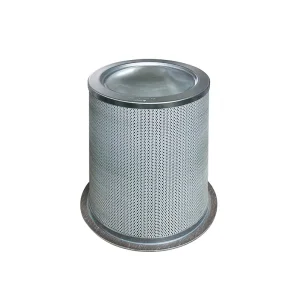
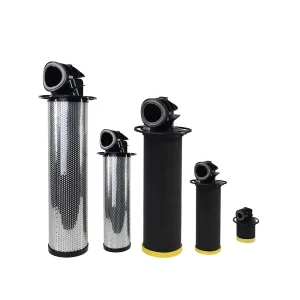
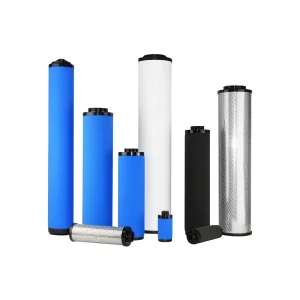
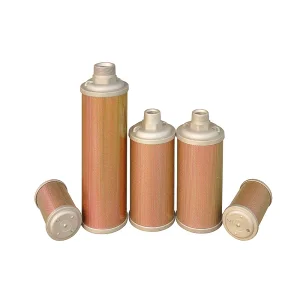
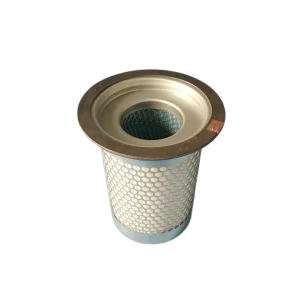
These specific components have become industry standards across industrial developments in East Africa due to their high reliability.
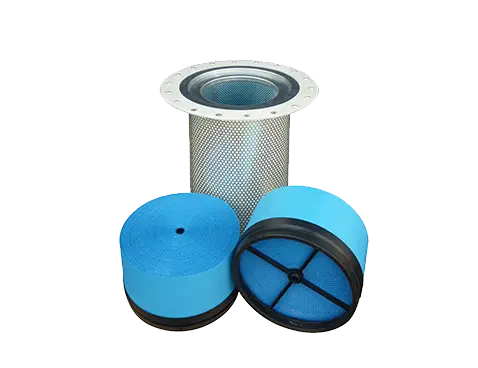
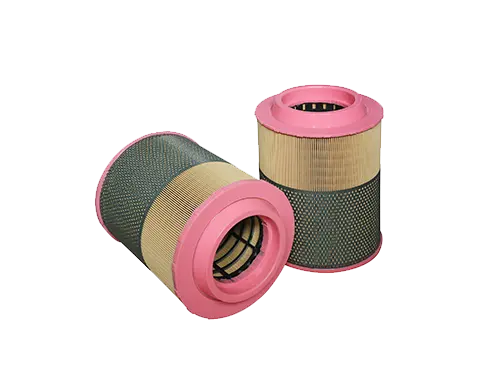
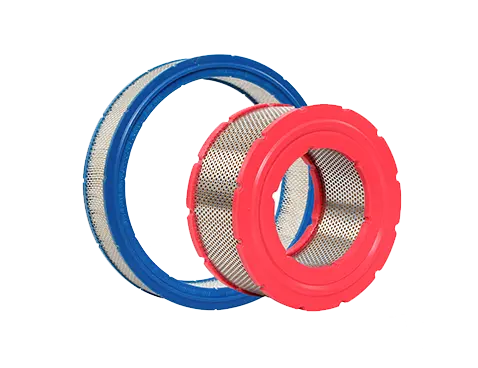
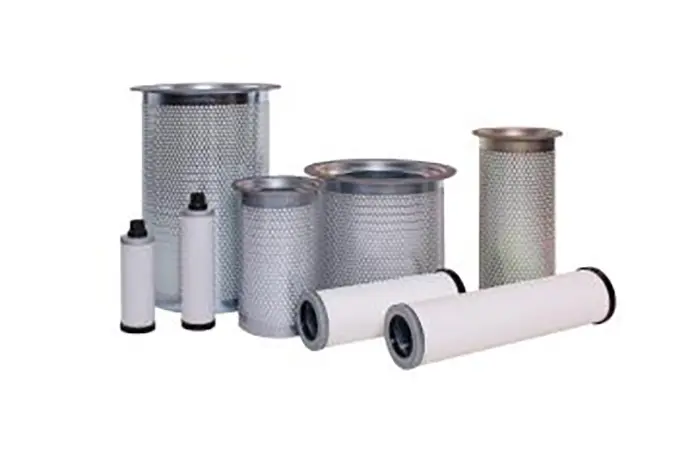
We keep substantial inventories of the following specialized replacements, which are ready for priority export shipping routes to the Port of Djibouti and the Modjo Dry Port:
Our replacement parts are designed and tested to fit and perform in equipment from major international brands operating in Ethiopia.












Selecting the right filter element requires matching the specific operating conditions of your facility. Different environments need different materials and designs. Atmospheric humidity, local dust composition, and the type of lubricant you use all play a role in how a filter performs.
Our goal is to help you reduce air compressor maintenance frequency and lower overall costs. By matching filter media to your specific operating conditions, we help prevent premature pressure drops and keep your system running cleanly.
We offer a comprehensive warranty period on all replacement parts. Please contact our technical team to discuss your system parameters and select the best solution for your plant.
Talk to a Technical SpecialistReliable supply chains from global factories to Ethiopian economic hubs, focusing on compliance and efficient logistics.
JCTECH has optimized its shipping processes for the China-Ethiopia trade corridor. Our logistics team handles packing and documentation to ensure smooth transport through the Port of Djibouti and onward travel via the Addis Ababa–Djibouti Railway to the Modjo Dry Port.
We provide clear commercial invoices, detailed packing lists, and certified certificates of origin to help prevent customs clearance delays. Every shipment is securely packed in moisture-resistant packaging to protect the filtration media from humidity and temperature changes during sea transit.
We understand the currency regulations managed by the National Bank of Ethiopia (NBE). Our sales and finance teams are experienced in working with Commercial Bank of Ethiopia (CBE) regulations and other private commercial institutions. We offer detailed and accurate Proforma Invoices that meet banking requirements, helping you avoid delays in the L/C approval process.
JCTECH elements are manufactured under strict ISO 9001:2015 quality management systems. We supply documentation certifying that our filters meet standard filtration efficiency ratings, supporting your quality assurance processes and compliance with ESA guidelines.
How JCTECH is adapting its filtration designs to meet the evolving needs of modern manufacturing plants.
As Ethiopian factories update their equipment, real-time monitoring is becoming more common. JCTECH is developing filter elements designed for use with differential pressure sensors. This allows operators to track filter conditions in real time, helping to prevent both premature replacement and excessive pressure drops that waste energy.
Standard cellulose filter papers can clog quickly in dusty environments. We are expanding the use of nano-fiber surface coatings. These fibers capture fine particles at the surface rather than letting them embed deeply in the media. This makes the filter easier to clean with standard reverse-pulse air systems and extends its overall working life.
Our engineering team is focused on reducing the resistance of our air-oil separators. By optimizing the glass fiber density, we have lowered initial pressure drop by up to 15%. Over the lifespan of a 250 kW compressor, this reduction can lead to significant electricity savings.
We stand behind the quality of our products and support our customers through every stage of their operations.

We provide dedicated after-sales support to help you get the best performance from our products.

Our technical support team is available to assist you with installation, troubleshooting, and maintenance questions.

We offer clear warranty coverage for our products to protect against manufacturing defects.

We use feedback from our customers to continuously refine and improve our product designs.
Get authoritative answers to common technical questions about operating compressor filters in Ethiopia.
At 2,355 meters above sea level, the air density is lower than at sea level. This requires the compressor to draw in a higher volume of air to achieve the same mass flow, which increases air velocity through the filter media. We recommend using filter elements with larger surface areas and high permeability to prevent excessive pressure drops under these conditions.
Under standard conditions, our air filters last between 3,000 and 4,000 hours, and air-oil separators last between 4,000 and 8,000 hours. In high-dust environments like cement plants or dry regions, these lifespans can be shorter. We recommend monitoring differential pressure closely to determine the best replacement interval for your site.
Our filter elements are constructed using epoxy resins and glass fiber media that are chemically compatible with both synthetic oils (such as polyalphaolefin and polyalkylene glycol) and mineral lubricants. This compatibility helps prevent media degradation and maintains consistent filtration performance.
Sea freight from Chinese ports to the Port of Djibouti generally takes 20 to 30 days. Transit from Djibouti to final destination points like Addis Ababa or Hawassa via rail or road typically takes another 5 to 10 days, depending on customs clearance times.
Yes, we regularly provide the standard trade documents required for L/C applications under National Bank of Ethiopia regulations, including detailed proforma invoices, certificates of origin, and bill of lading documents.
Our air-oil separators utilize multi-layered borosilicate glass micro-fibers that facilitate efficient coalescing. This design allows oil droplets to separate from the air stream and return to the lubrication circuit, keeping residual oil carryover below 3 ppm.
Follow JCTECH's latest developments in filter design, material testing, and industrial air system optimization.
JCTECH has completed testing on the 24900342 external air-oil separator replacement, designed to support energy-saving upgrades in rotary screw compressors.
Read Full Press Release →A technical review of how air filters, oil filters, and separators work together to protect compressor components and maintain clean process air.
Read Technical Article →An overview of coalescing and separation principles used to manage oil carryover and protect downstream pneumatic systems.
Read Engineering Guide →Our technical sales team is ready to assist you with filter selection, pricing, compatibility matching, and export shipping coordination.
Provide your compressor details and required part numbers for a customized proposal.
 Jiong Cheng

