 Jiong Cheng
Optimizing Industrial Compressed Air Systems under UAE's Hostile Ambient Conditions
In the rapidly expanding industrial and commercial landscape of the United Arab Emirates (UAE), compressed air is often referred to as the "fourth utility." From the colossal petrochemical refineries of Abu Dhabi and Jebel Ali’s sprawling manufacturing zones to the specialized concrete batching operations in Ras Al Khaimah, industrial air compressors run continuously to power critical operations. However, the Middle Eastern climate presents a set of environmental and physical variables that test the thermodynamic limits of even the most sophisticated compressed air networks.
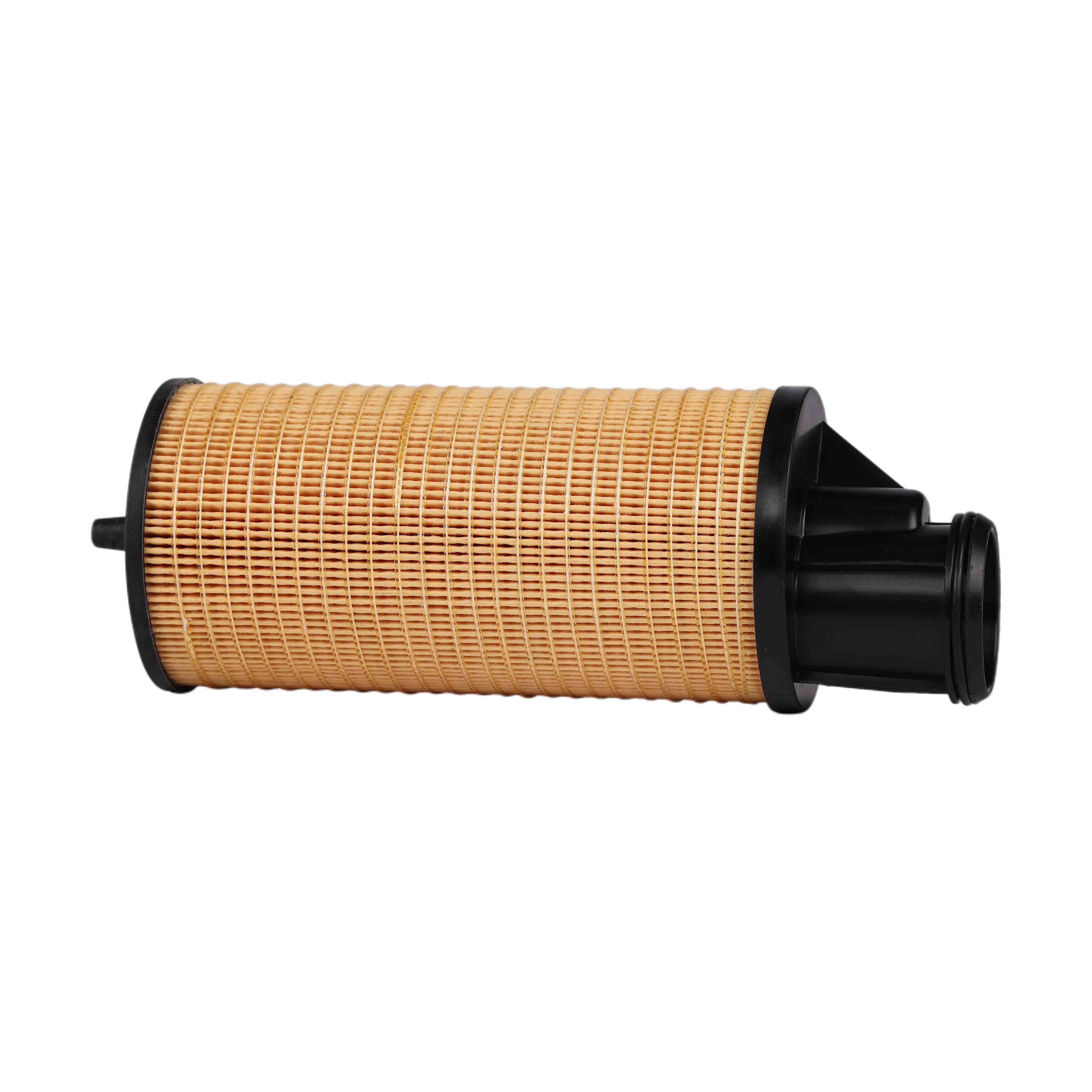
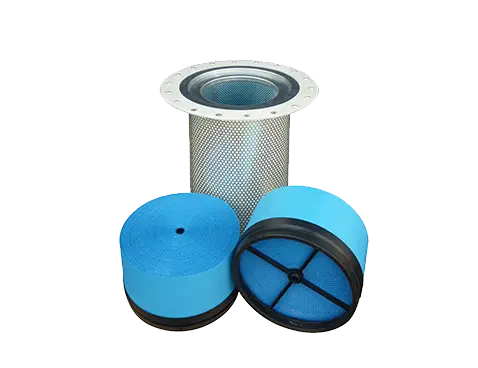
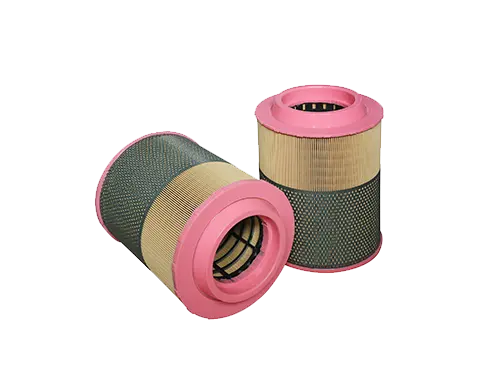
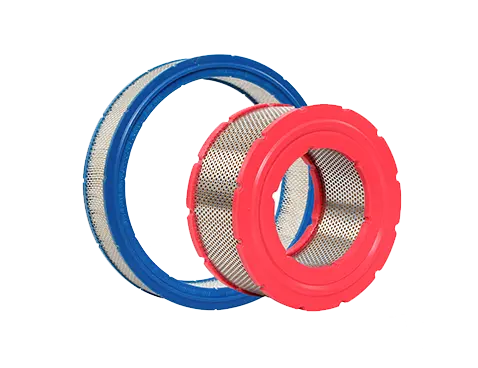
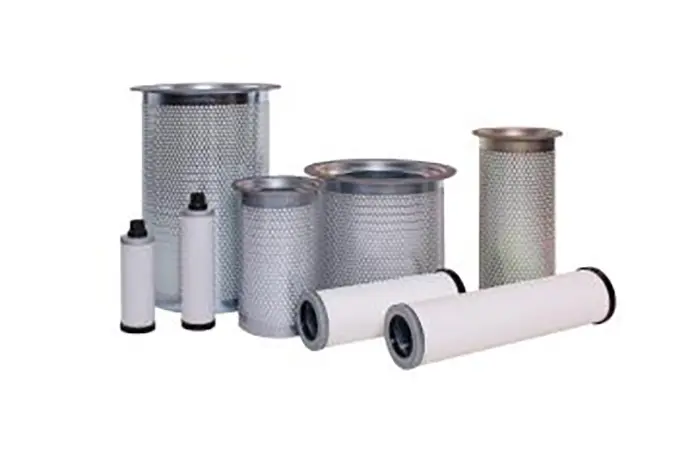
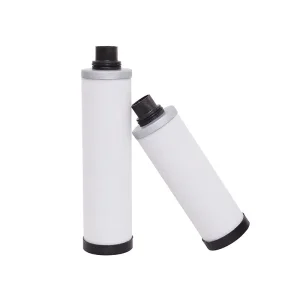
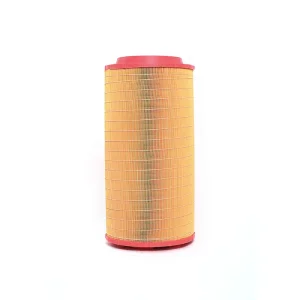
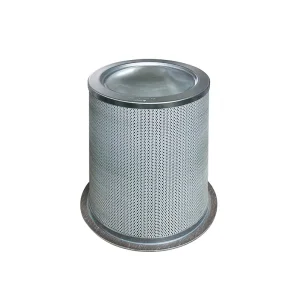
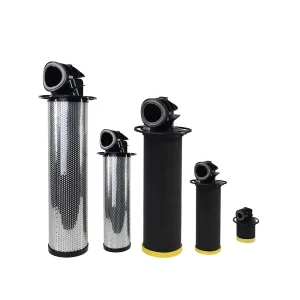
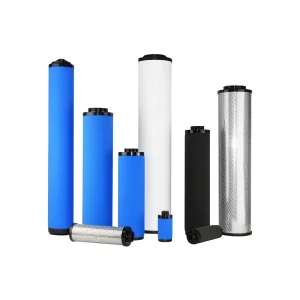
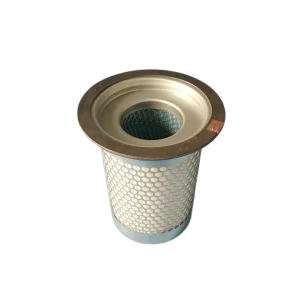
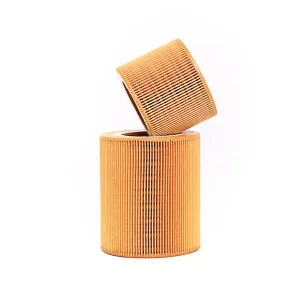
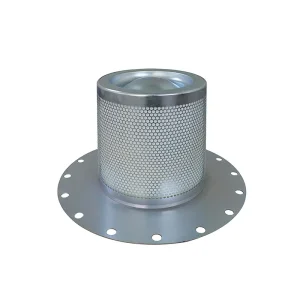
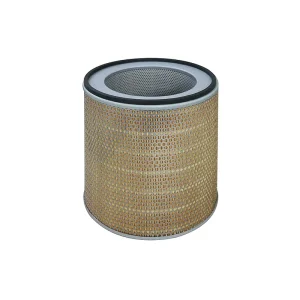
This technical whitepaper examines the critical role of premium-grade air compressor filter elements (including intake air filters, oil filters, and air-oil separators) in maintaining process integrity, optimizing thermodynamic efficiency, and reducing lifecycle costs for UAE-based industrial operators.
1. The United Arab Emirates Industrial Landscape & Climate Challenges
Operators in the UAE face a combination of micro-climatic factors that are virtually unique to the Arabian Gulf region. These can be broken down into three primary environmental threats:
- Ultra-Fine Airborne Desert Silica: The ambient air in industrial zones such as Mussafah (Abu Dhabi), Al Quoz (Dubai), and Sajaa (Sharjah) contains high concentrations of sub-micron silica dust particles. During Shamal wind events, particulate matter (PM2.5 and PM10) spikes dramatically. These fine particles can easily pass through low-quality filter elements, entering the compression chamber and causing catastrophic wear on screw rotors and bearing surfaces.
- Extreme Ambient Temperature Swings: Summer temperatures in the UAE routinely exceed 50°C (122°F), with intake air inside compressor rooms often reaching up to 60°C. High inlet temperatures reduce air density, demanding more work from the compressor. At the same time, high thermal loads speed up the degradation of synthetic lubricants, meaning oil filters must handle elevated carbon and varnish loads without clogging or collapsing.
- Corrosive Coastal Humidity and Saline Aerosols: Major economic zones in the UAE are situated near the coast. High relative humidity combined with airborne sodium chloride creates a highly corrosive intake environment. Without moisture-resistant, synthetic coalescing media, filter elements can sag, allowing bypass pathways or causing premature rust on the compressor's metal structural frames.
2. Macro & Global Industrial Context: The Energy Efficiency Imperative
Globally, the industrial sector is under pressure to decarbonize. According to the International Energy Agency (IEA), compressed air systems account for approximately 10% of all industrial electricity consumption worldwide. In energy-intensive economies like the UAE, which is pursuing its Net Zero 2050 strategic initiative, reducing parasitic energy losses in compressed air systems is no longer optional.
The primary source of energy waste in a compressor is differential pressure drop (ΔP). A worn or low-quality filter element forces the compressor motor to work harder to deliver the required flow and pressure. For every 100 mbar (1.45 psi) of additional pressure drop across an air intake filter or oil separator, the compressor's energy input requirement increases by approximately 1%. By partnering with JCTECH to install high-performance, low-ΔP replacement filters, UAE industrial facilities can directly reduce their carbon footprint and lower monthly utility expenses.
3. Localization Solutions & Application Scenarios in the UAE
Different industries in the UAE demand highly customized filtration profiles. Rather than relying on a "one-size-fits-all" approach, JCTECH provides tailored filtration products designed for specific regional applications:
- Oil & Gas (Offshore and Onshore Gas Compression): Petrochemical environments require explosive-proof systems and highly reliable air-oil separators. Our replacement elements use multi-layered borosilicate glass microfibers to ensure oil carryover is kept below 1-3 ppm, protecting downstream catalyst beds and natural gas pipelines from hydrocarbon contamination.
- District Cooling Plants (HVAC & Chilled Water Production): District cooling installations in Dubai and Abu Dhabi rely on massive centrifugal and screw compressors. Standard filters can struggle with the constant moisture and chemical vapor exposure from nearby cooling towers. Our moisture-resistant air filters feature hydrophobic coatings that prevent structural collapse in humid environments.
- Food & Beverage and Pharmaceutical Packaging: Facilities in Dubai Science Park or Khalifa Industrial Zone (KIZAD) require pure, oil-free compressed air. In these systems, inline coalescing filters and high-performance separators are essential to prevent trace oil aerosols from contaminating products.
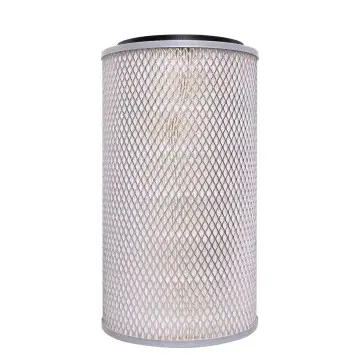
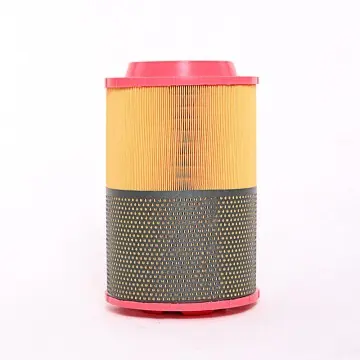
- Cement Plants & Construction Materials: Ras Al Khaimah and Fujairah are home to some of the Middle East's largest quarrying and cement processing plants. High dust concentration is a constant challenge. Here, we supply heavy-duty, multi-stage air intake filters with nano-fiber media that achieve up to 99.99% filtration efficiency on particles as small as 0.3 microns.
4. Technical Roadmap: Material Science & Design Standards
JCTECH's commitment to E-E-A-T (Experience, Expertise, Authoritativeness, and Trustworthiness) is reflected in our advanced material selection and strict manufacturing standards:
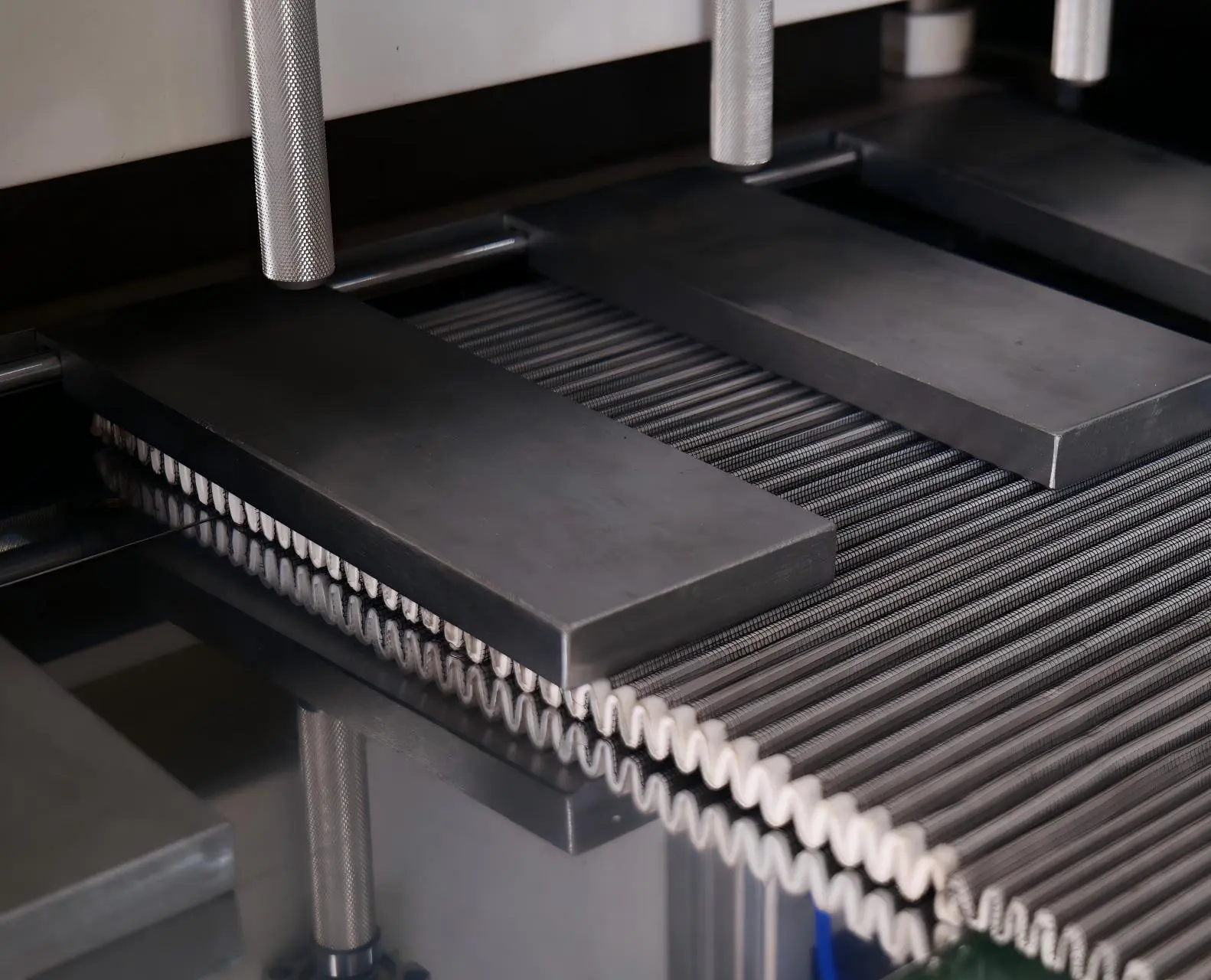
- Imported Filter Media: We construct our air-oil separators and air filters using premium glass fiber media imported from HV (Hollingsworth & Vose) and Ahlstrom. This ensures consistent pore size distribution and excellent thermal stability up to 120°C.
- Anti-Corrosive Metal Components: End caps and inner support cages are manufactured from high-grade galvanized steel or stainless steel, treated to resist rust even in coastal saline air.
- Advanced Electrostatic Grounding: Static build-up during oil-gas separation poses a serious fire hazard. Every JCTECH air-oil separator features built-in grounding tabs or static-conductive seals to prevent electrical discharge within the compressor tank.
- Strict Compliance & Testing: Every batch of filter elements undergoes rigorous quality control testing in line with ISO 5011 (for air filters), ISO 2941 (collapse/burst resistance), and ISO 2942 (bubble point test for structural integrity).