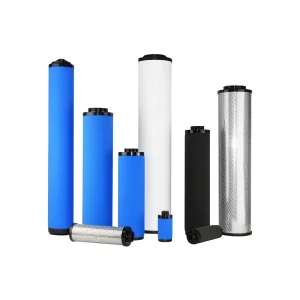
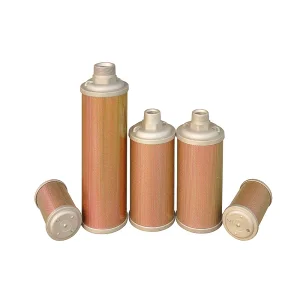
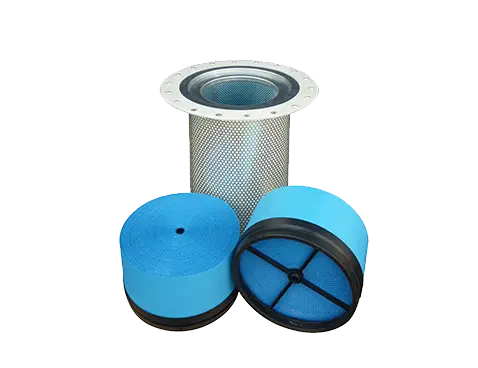
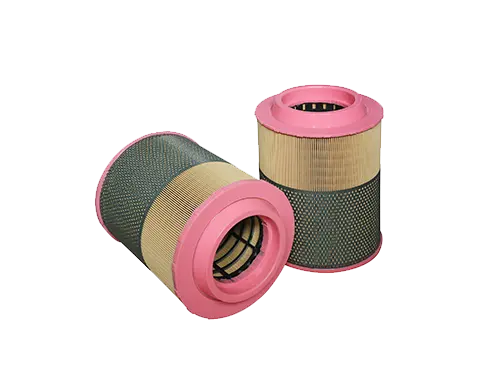
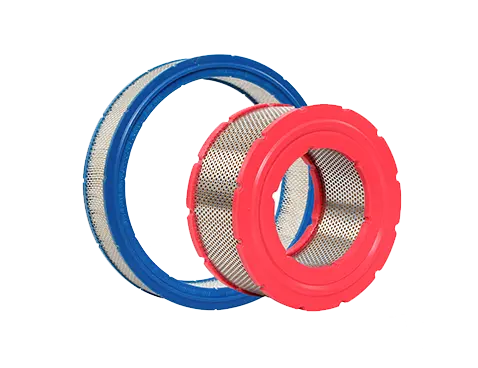
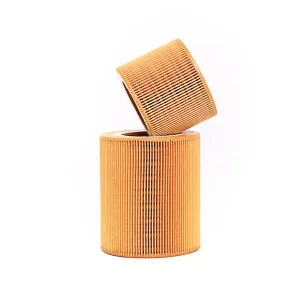
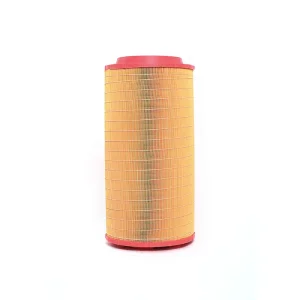
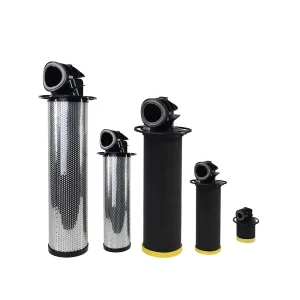
Timor-Leste's burgeoning industrial landscape is deeply anchored in energy production, maritime services, civil construction, and the food processing sector. From the massive power generation facilities at Hera and Betano to regional operations in Dili and Baucau, compressed air is the foundational utility that drives heavy machinery, pneumatic controls, and chemical processing. However, operating rotary screw and reciprocating compressors in this equatorial territory introduces severe environmental and mechanical complications.
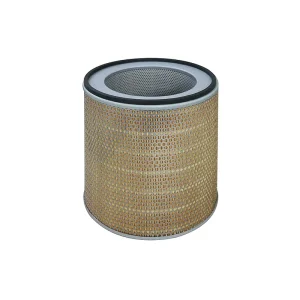
The country’s dual seasons—monsoonal rains and intense, dusty dry seasons—along with marine salinity from coastal winds, subject air compressors to excessive contaminants. Normal cellulose-based filters rapidly degrade under these high humidity conditions, causing filter media breakdown, high differential pressure drop (Δp), and direct bypassing of dangerous particulate matter into the compressor airend. This leads to premature bearing failure and excessive carryover of lubricant oils into downstream systems.
Industry Insight: High marine salinity accelerates electrochemical corrosion on internal support cages of standard filters. JCTECH's advanced anti-corrosion treatments on end-caps and outer cages prevent structural collapse, ensuring continuous operation for power stations and marine logistics along the Banda Sea coastline.
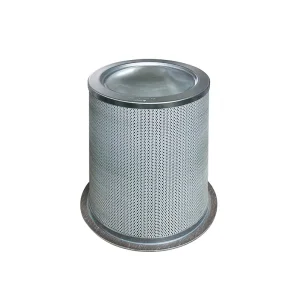
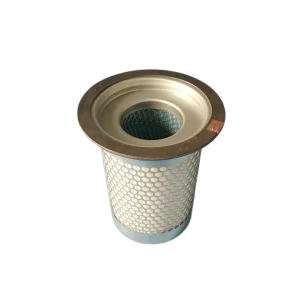
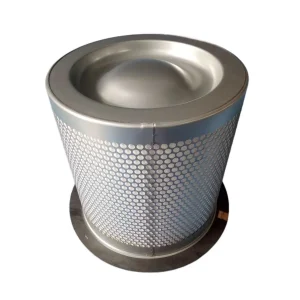
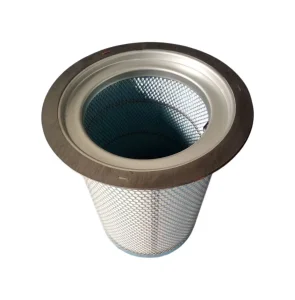
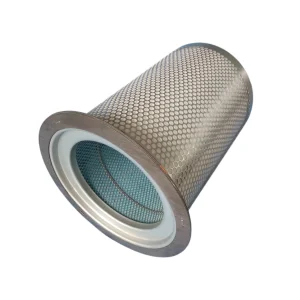
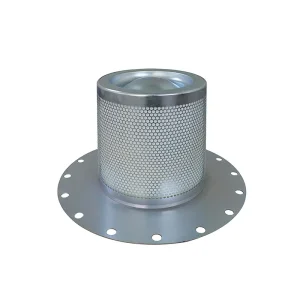
To achieve oil aerosol concentrations below 3 mg/m³ in compressed air systems, a sophisticated multi-stage separation process is essential. In Timor-Leste's maritime cargo hubs and manufacturing centers, where high oil carryover can damage pneumatic tooling and ruin paint finishes, standard filtration fails to deliver consistent purity. The key lies in the design of the air-oil separator element.
JCTECH utilizes layered borosilicate glass micro-fiber matrices sourced globally. As compressed air passes through these graded-density media, the microscopic oil aerosols undergo three primary physical processes:
Once captured, these micro-droplets merge (coalesce) into larger drops and drain down the outer layer of the filter media to the wet side of the separator vessel, where the oil is returned to the compressor's lubrication circuit. This high-efficiency design maintains low initial pressure drop, reducing power consumption across your utility facility.
JCTECH (Jiongcheng Industrial) operates three manufacturing plants. Alongside our advanced filter production facility in Xinxiang, Henan province, we manufacture premium air compressor lubricants. This allows us to supply complete compressor service solutions worldwide, ensuring chemical compatibility between lubricants and filtration media.
Explore Our Factories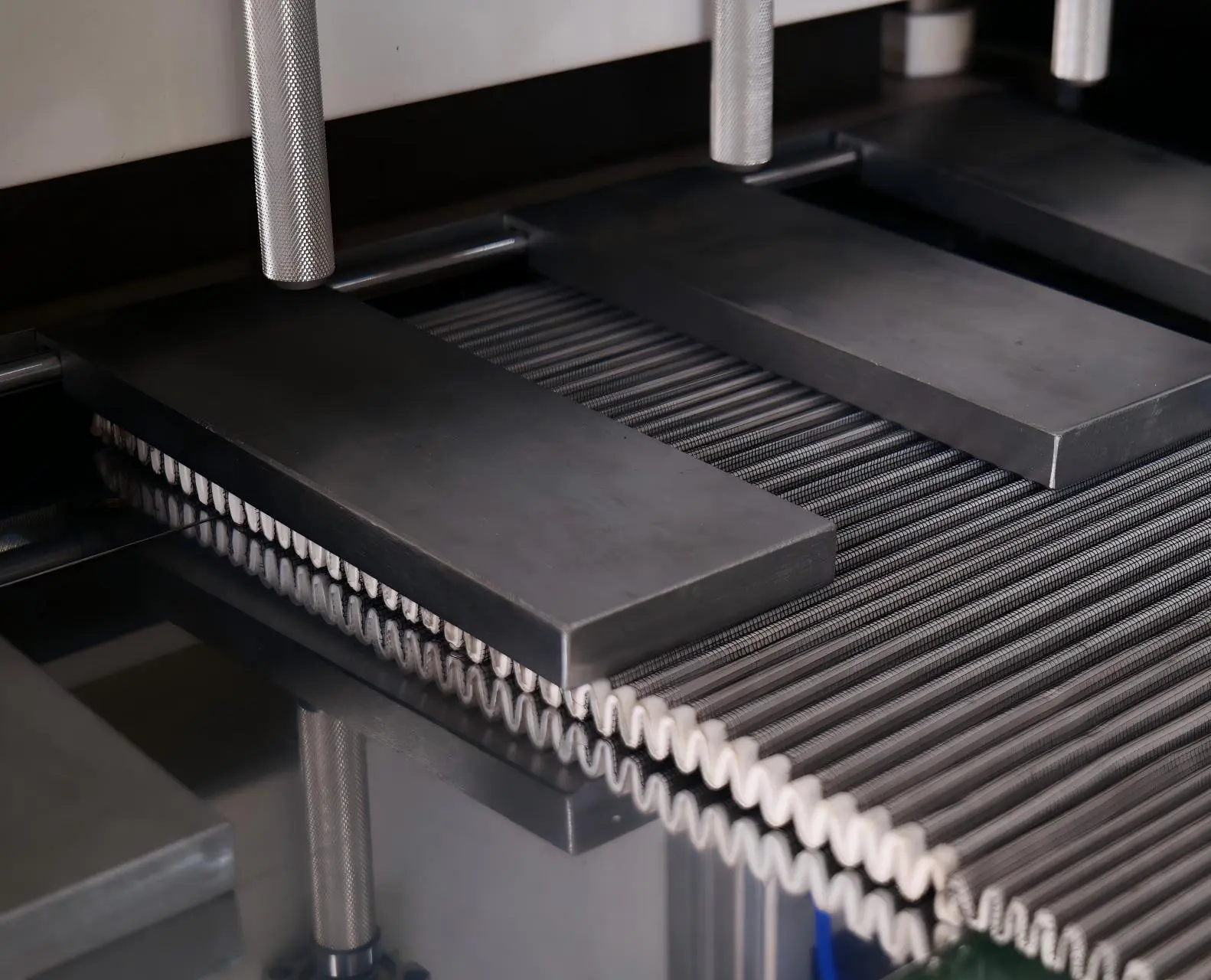

Exceptional after-sales service to optimize filter longevity and machine health.

Dedicated technical support to assist you with selection, sizing, and onsite issues.

We offer full warranties and return authorization systems to address issues promptly.

We collect customer feedback to continually optimize materials and engineering processes.
No single filter element meets every requirement. Ambient conditions, temperature ranges, oil types (synthetic vs. mineral), and operating cycles all influence filter performance.
Our engineers review parameters such as working pressure, gas velocity, and particulate loading to design custom filtration solutions for your specific application. This approach reduces overall maintenance costs, limits unplanned downtime, and lowers total cost of ownership (TCO) for compressor fleets throughout Timor-Leste.
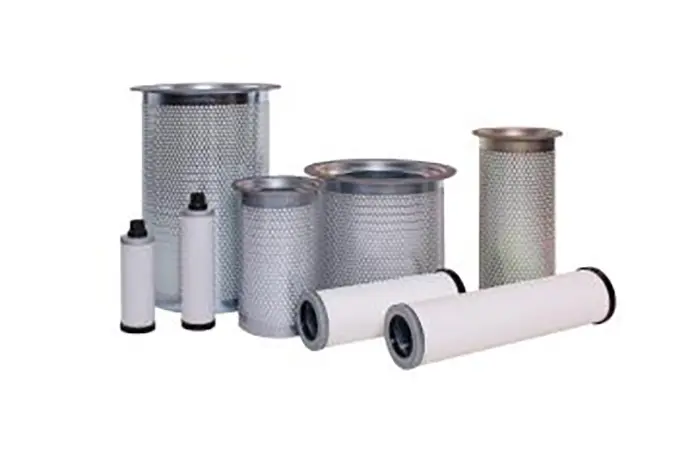















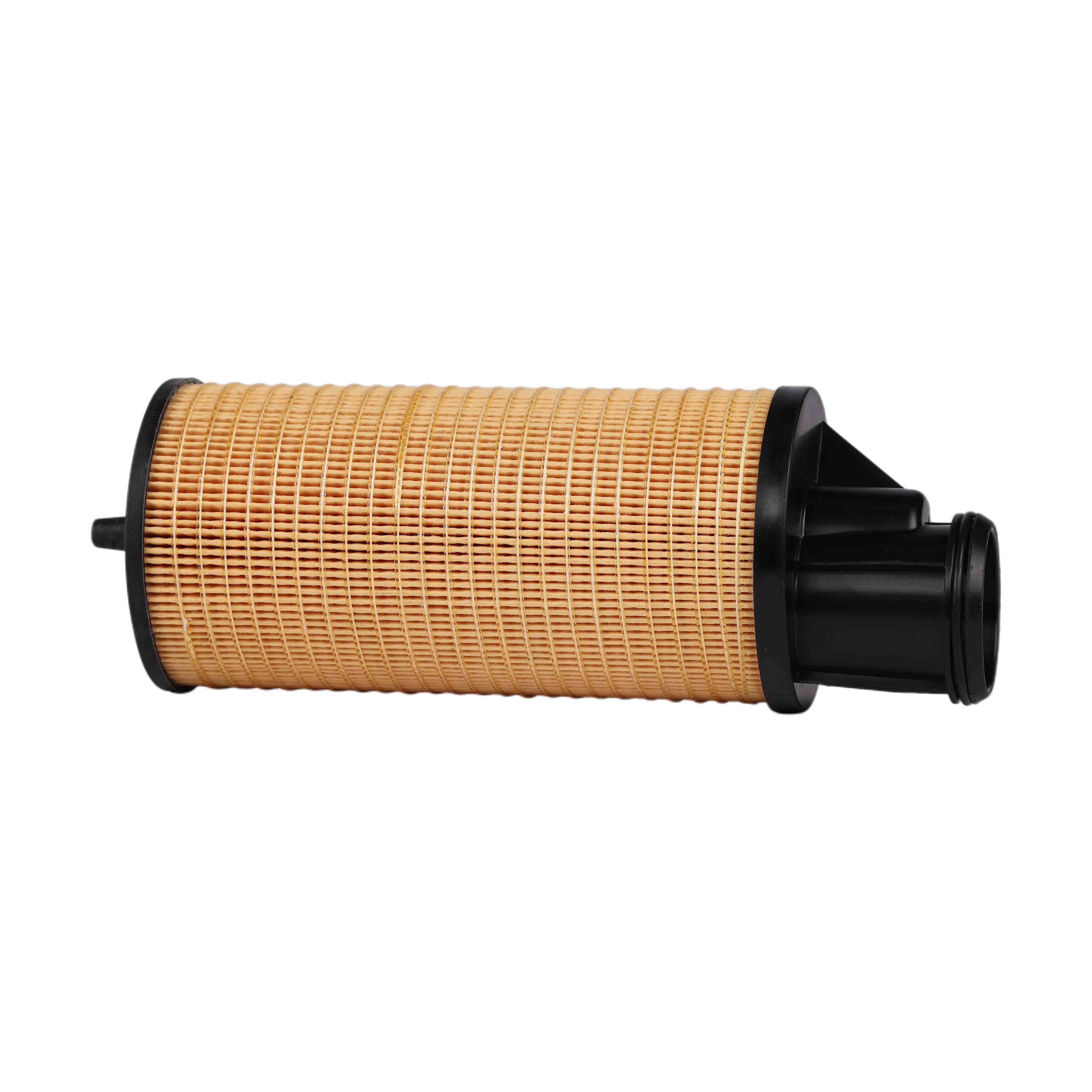
JCTECH has achieved a technical breakthrough with the newly developed 24900342 external oil separator, optimized for low pressure drop performance.
Read Technical Paper →
An engineering breakdown of how air filters, oil filters, and oil-gas separators protect downstream machinery from ambient contaminants.
Read Technical Paper →
A guide to separating hydrocarbon aerosols from gas streams in high-humidity offshore and onshore installations.
Read Technical Paper →Timor-Leste's coastal regions have high relative humidity combined with airborne marine salt. When standard paper-based filters absorb this moisture, the fibers swell and soften, which reduces dust-holding capacity and causes structural damage. Salt also acts as an electrolyte, accelerating galvanic corrosion on standard steel support frames. JCTECH addresses this with hydrophobic synthetic media and corrosion-resistant galvanized end caps.
While standard separators are rated for 4,000 hours, tropical conditions (high ambient temperatures and high dust loads) can shorten this lifetime to 2,000-3,000 hours. A differential pressure (Δp) exceeding 0.8 to 1.0 bar is the most reliable indicator that replacement is needed to prevent high energy draw and oil carryover.
Yes, all JCTECH replacement elements are designed to match the fit, form, and function of OEM products, including Atlas Copco, Ingersoll Rand, Sullair, CompAir, and Mann. We verify dimensions, seal profiles, and filtration grades to ensure direct interchangeability without modifying the filter housing.
Every 0.1 bar increase in pressure drop across an air filter or separator forces the compressor to work harder, increasing power consumption by roughly 1%. Installing low-Δp borosilicate separators can reduce your facility's energy requirements and overall operational carbon footprint.
Speak directly with our filtration engineers. Get customized technical specifications, cross-reference support, and logistics solutions tailored for the Timor-Leste industrial sector.
Submit your requirements below. Our technical sales team will reply with a detailed proposal within 24 hours.
 Jiong Cheng