Kiribati, an archipelagic nation dispersed across 3.5 million square kilometers of the central Pacific Ocean, presents an extraordinarily demanding operating environment for industrial machinery. With primary infrastructure hubs located in South Tarawa and Kiritimati (Christmas Island), industrial actions focus heavily on marine transport, copra processing, power generation, artisanal fisheries, and reverse osmosis desalination plants.
The dominant operational challenge for rotary screw and reciprocating air compressors in Kiribati is the ambient atmospheric composition. The air is continuously saturated with highly corrosive sodium chloride (salt mist), high relative humidity (frequently exceeding 80%), and fine coral dust.
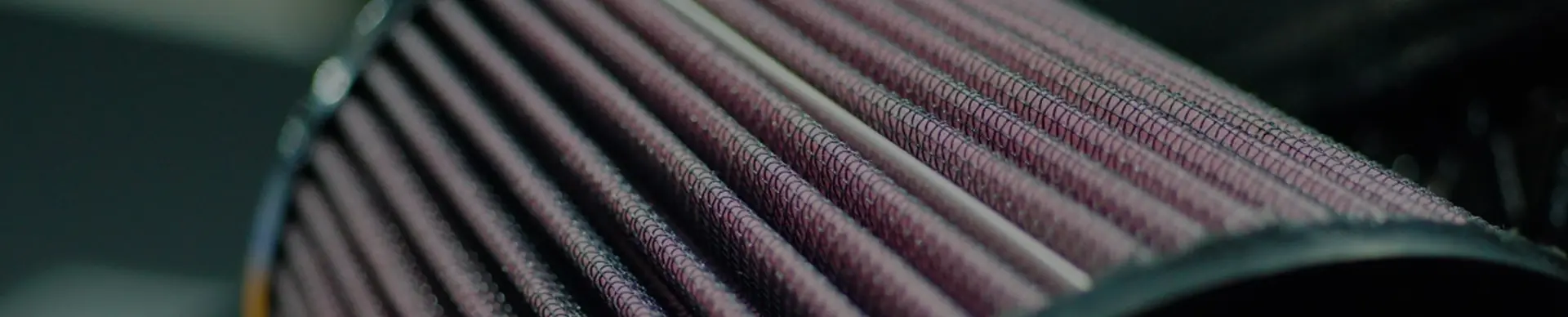
SWRO (Seawater Reverse Osmosis) plants in Betio and Temwaiku rely on compressed air for pneumatic control valves and membrane backwashing. Impure air ruins critical components, necessitating ISO Class 1 particulate filtration.
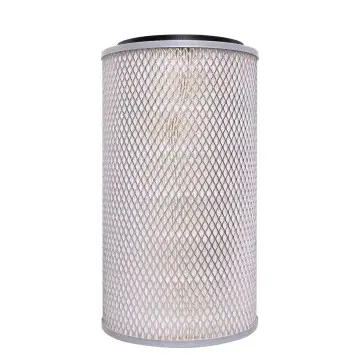
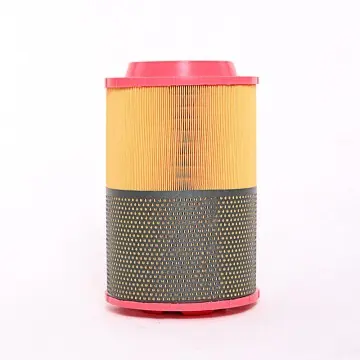
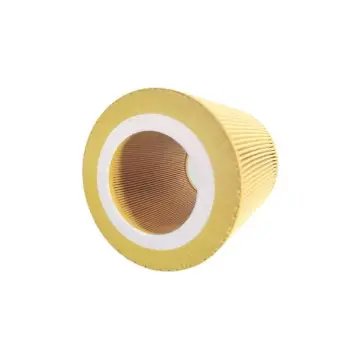
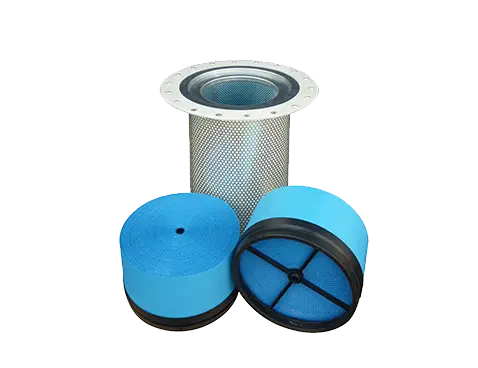
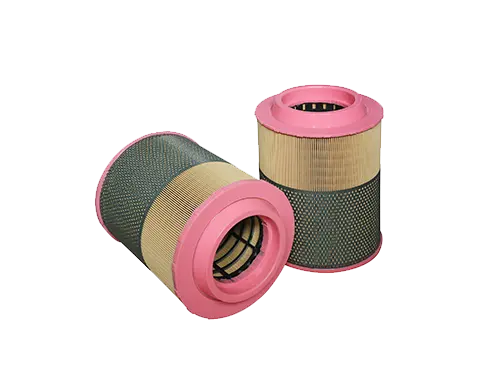
PUB (Public Utilities Board) diesel generators use compressed air starting systems. Heavy duty air intake elements prevent combustion-chamber contaminants and preserve starting-air compressor reliability.
Ship repair, cargo handling, and sandblasting operations at Tarawa Port require highly resilient inline coalescing filters to ensure high-velocity dry air free from oil aerosols and salty condensate.
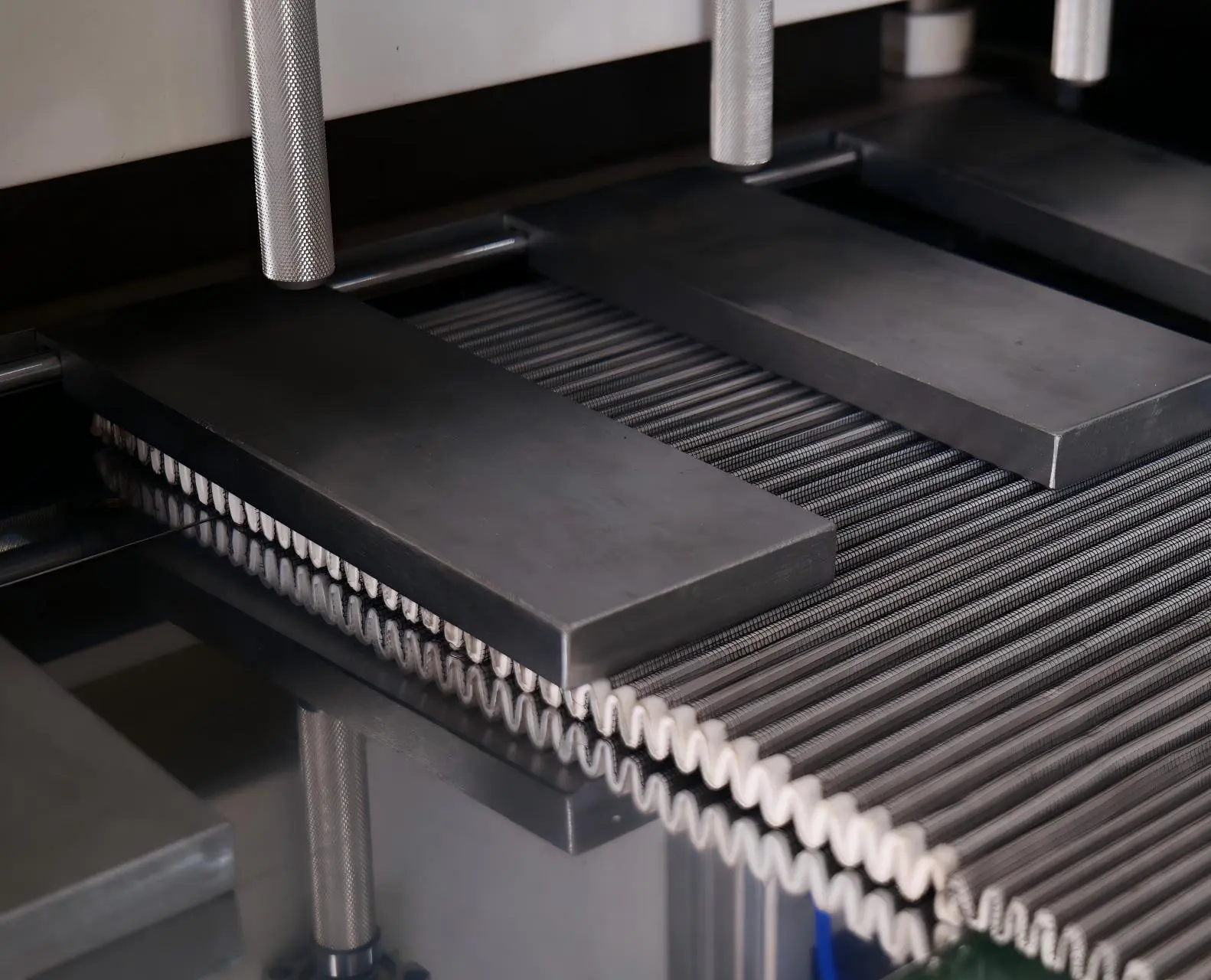
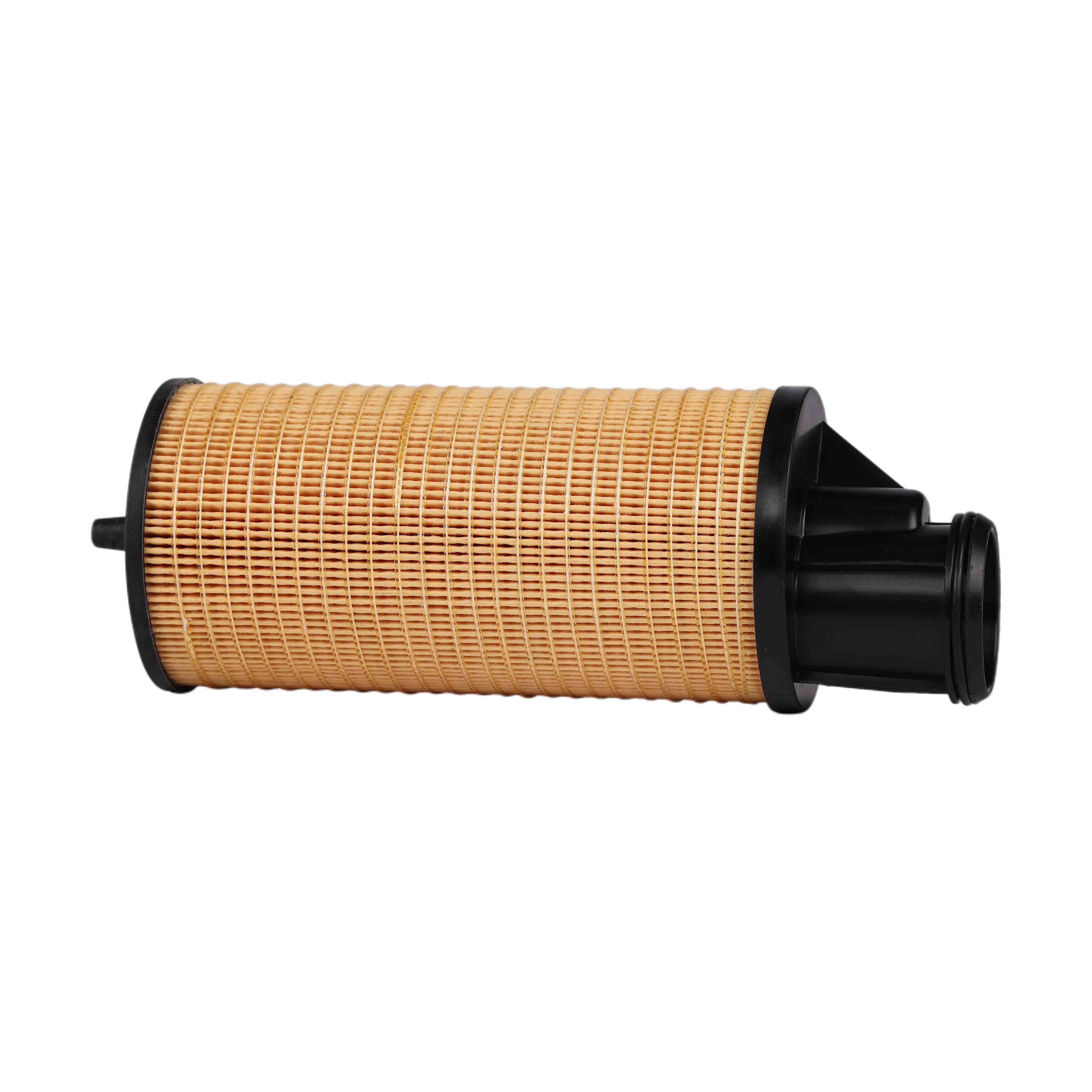
JCTECH is a world-class filtration pioneer operating three advanced manufacturing facilities, including our flagship industrial filter complex in Xinxiang, Henan Province. Harnessing over two decades of engineering research, JCTECH supplies high-precision oil separators, air intake filters, oil filters, and specialized lubrication systems to key global industrial sectors.
We engineer exact-fit, OEM-grade replacements for top global brands, ensuring that facilities in remote regions like South Tarawa and Christmas Island achieve the exact same operational efficiency and protection metrics as urban continental complexes.
Operating in Kiribati means managing long supply lines. A broken air compressor filter element cannot lead to a complete operational shutdown at a local utility station. JCTECH bridges this geographical gap with customized Pacific supply chain solutions:
China manufactures over 70% of the world's commercial filtration fiberglass media and raw polyurethane bases. By sourcing directly from JCTECH's factory, you eliminate multiple trading markups, gain custom sizing flexibility, and receive guaranteed product traceability.
ISO 8573-1 Quality Class Certification, DIN standard structural integrity, and OEM warranty alignment.
Modern industrial compressed air processes demand increasingly lower pressure drops and extended filter life. JCTECH is constantly developing filter mediums that meet tomorrow's environmental standards.
Deployment of ultra-thin, electrospun polymeric fibers. This structure achieves a capture rate of 99.99% for sub-micron particulate matters with 25% lower differential pressure compared to traditional cellulose sheets.
Replacing traditional carbon steel with electropolished 316L stainless steel or epoxy-powder coated galvanized steel housings, designed specifically to prevent salt-mist galvanic degradation in oceanic environments.
Integration of micro-differential pressure indicators that communicate wirelessly with local control monitors, prompting maintenance teams in Kiribati exactly when to change the filter before efficiency drops.
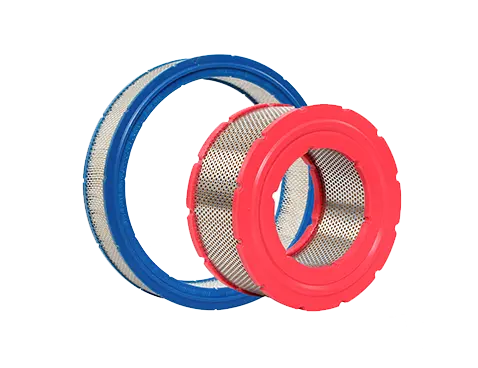
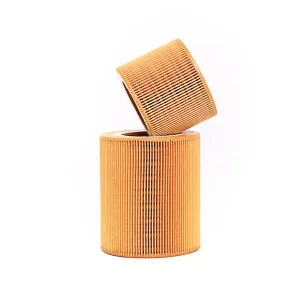
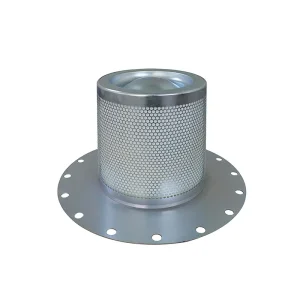
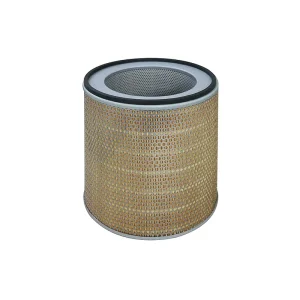
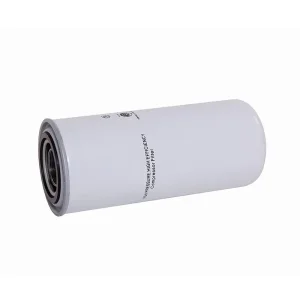
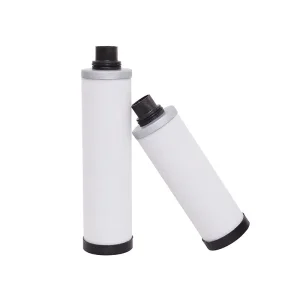
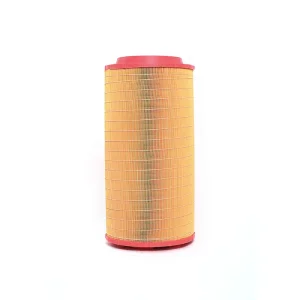
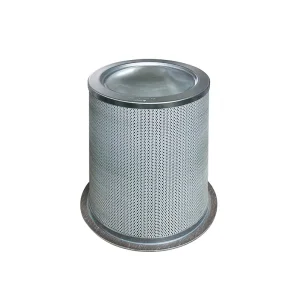
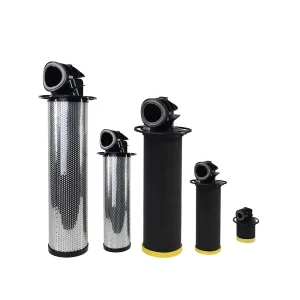
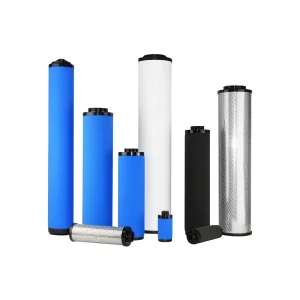
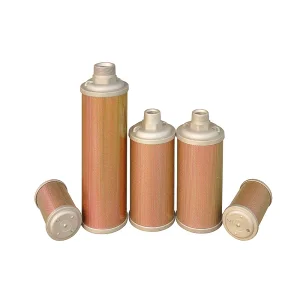
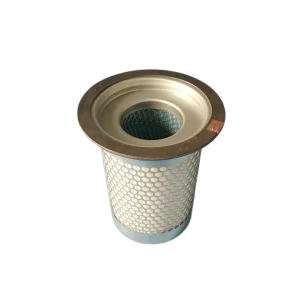
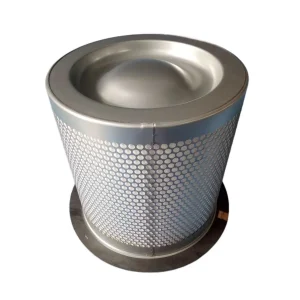
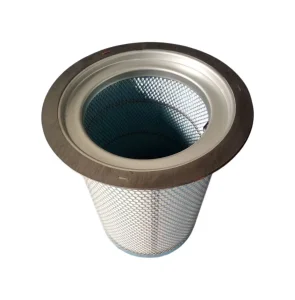
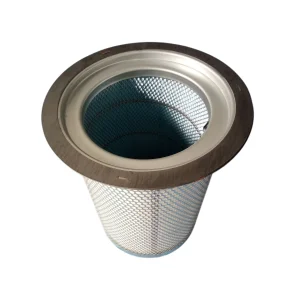
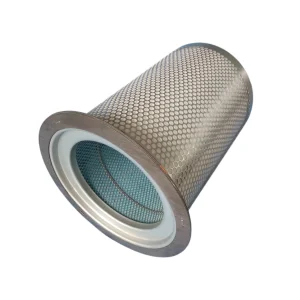

Exceptional after-sales service structure ensuring complete technical satisfaction and installation alignment.

Dedicated expert team focused on resolving design mismatches, pressure drop failures, and site diagnostics.

Prompt replacements under our product warranty should any filtration integrity issues arise in the field.

We iteratively optimize our core glass fibers and support grids based on real-world ocean field data.
Our replacement elements are meticulously constructed to meet or exceed the performance parameters of original equipment manufacturer (OEM) filters. We support cross-compatibility with the following international industrial labels:













Selecting the appropriate filter element goes beyond identifying the part number. The chemical profile of the lubricant, ambient atmospheric parameters, and operational duty cycles play critical roles. At JCTECH, we provide customized structural variations:
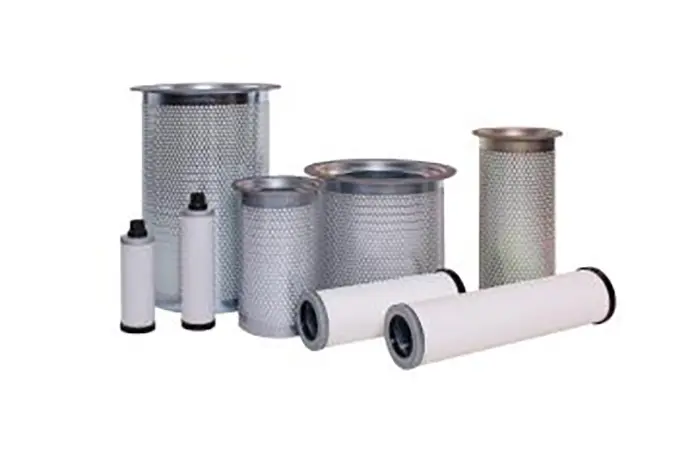
Salt mist contains dissolved sodium chloride ions which accelerate electrochemical corrosion on raw carbon steel end caps and internal support cores. This corrosion can cause rust particles to break loose and flow directly into the compressor screw block, causing permanent scoring. JCTECH solves this issue by using galvanized, epoxy-coated, or stainless steel components.
High relative humidity introduces significant volume of water vapor into the air intake system. If the oil-air separator medium is not hydrophobically treated, water droplets will compromise the structural stability of the glass fibers, causing "channeling." This leads to heavy oil carryover into downstream pneumatic lines, ruining tools and increasing lubricant consumption costs.
All JCTECH replacement elements are manufactured using exact dimensional profiles, matching structural tolerances within 0.1mm. We source our raw filter sheets from global market leaders like HV (Hollingsworth & Vose) and Binzer, ensuring that the physical airflow resistance, beta rating, and operating efficiency perfectly replicate OEM standards.
While standard operating manuals recommend replacement every 2,000 to 3,000 hours, installations operating in high-salinity and coral-dust coastal zones in South Tarawa should check differential pressures regularly. We recommend replacing elements every 1,500 hours or when the differential pressure reaches 0.05 MPa to maintain fuel and energy efficiency.
JCTECH launches a new high-density external separator element designed to optimize energy efficiency under unstable load conditions.
An in-depth whitepaper assessing the impact of micro-particulate intake blockages on the operating lifetime of rotary screw compressors.
Understanding the micro-separation mechanics of hydrocarbons and water phase changes in high-saline coastal settings.
Our technical support engineers will analyze your site details and respond within 24 hours.
 Jiong Cheng