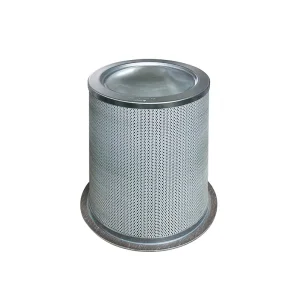
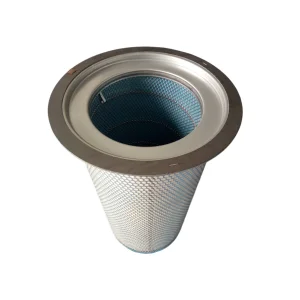
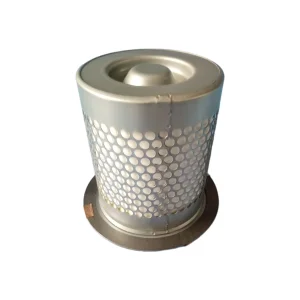
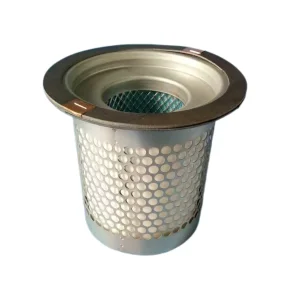
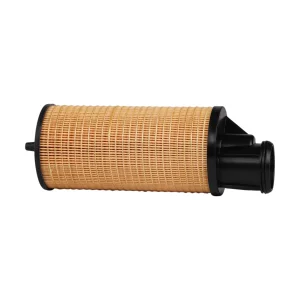
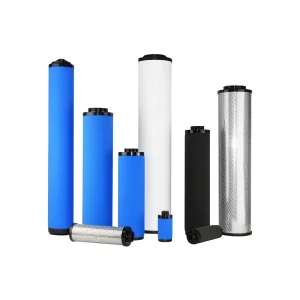
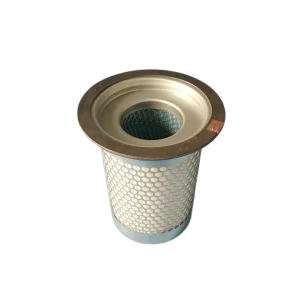
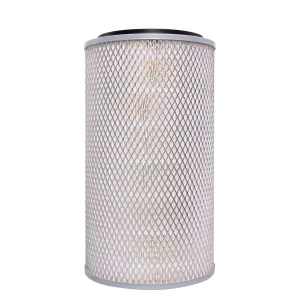
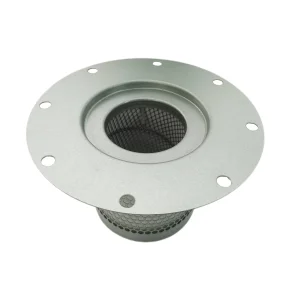
In the global landscape of industrial manufacturing, the demand for high-efficiency OEM Oil Filter Pumps has surged. Modern air compression systems and hydraulic machinery require filtration solutions that do more than just clean oil; they must optimize energy consumption and extend the lifespan of critical components. As a leading manufacturer, we provide an information-rich perspective on why choosing a specialized factory matters.
Unlike generic trading houses, our factories focus on "Information Gain"—providing you with technical data, failure analysis reports, and customized material compositions. We don't just supply a product; we supply a solution that integrates seamlessly into your existing maintenance protocols. From understanding particle retention efficiency (microns) to analyzing the specific pressure drop characteristics of your system, our OEM processes adhere to strict ISO quality standards.
China's proximity to raw material markets allows for rapid prototyping and production, reducing lead times significantly compared to traditional Western supply chains.
Modern factories utilize CFD (Computational Fluid Dynamics) simulations to test filter performance before a single prototype is built, ensuring 100% compatibility.
From batch manufacturing to mass production, our capacity ensures that global enterprise procurement needs are met without compromising on quality or precision.
The industry is shifting towards Smart Filtration. Industrial end-users are increasingly demanding sensors that report filter health in real-time. Our solutions are evolving to incorporate smart-ready interfaces, allowing for predictive maintenance schedules. This reduces downtime—a multi-million dollar annual expense for global enterprises.
Furthermore, sustainability is at the core. Our R&D team is developing filter media that are not only high-performing but also easier to recycle, aligning with global green manufacturing mandates (ESG requirements).
OEM pumps are engineered to the exact technical blueprints of the original equipment, ensuring perfect fitment, specific flow rates, and material integrity that generic parts often lack.
We utilize multi-stage testing including bubble point testing, multi-pass tests (ISO 16889), and material chemical analysis to verify media durability.
Yes. Our engineering team works directly with your technical drawings or physical samples to replicate or improve performance based on your local working conditions.
 Jiong Cheng