Explore our core engineered solutions for optimal oil-gas separation and system lifecycle enhancement.
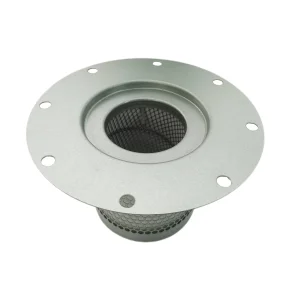
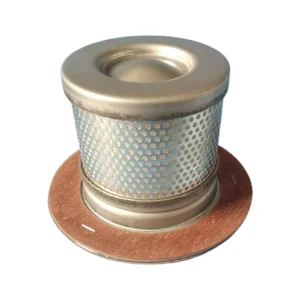
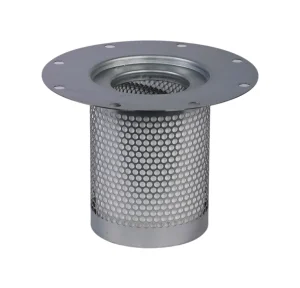
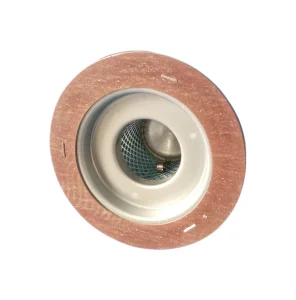
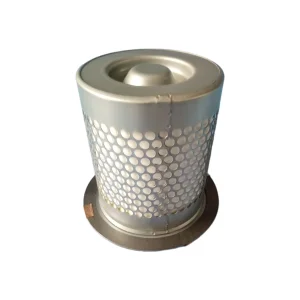
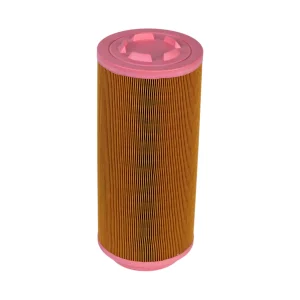
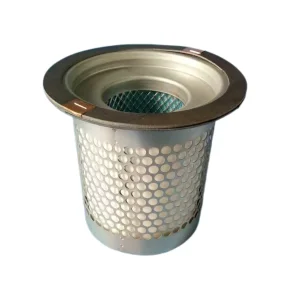
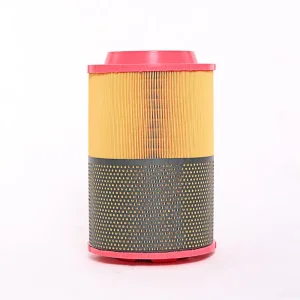
The global industrial landscape relies heavily on compressed air and high-performance lubrication loops. At the heart of these pneumatic and hydraulic operations is the oil filter—and more critically for modern high-pressure systems, the air-oil separator. Industrial systems depend on clean lubricant circulation to prevent premature wear on screw rotors, preserve system efficiency, and limit downstream hydrocarbon contamination. Changing oil filters in commercial environments is no longer just routine maintenance; it is a vital strategy to protect Capital Expenditure (CapEx) and manage Operating Expenses (OpEx).
Today, multinational manufacturing facilities, oil and gas refineries, automated automotive assembly lines, and heavy mineral processing plants operate continuously under harsh environmental conditions. The reliability of these installations is closely tied to the quality of their filtration interfaces. According to global mechanical engineering standards, over 75% of screw compressor failures can be traced back to fluid contamination or inadequate separation performance. Consequently, the international sourcing market has shifted significantly toward specialized Chinese factories that offer advanced design compatibility and reliable technical specifications.
The manufacturing of industrial filters is undergoing a major technological shift. Traditional cellulose-based filter papers are being replaced by multi-layered synthetic microglass media and nanofiber configurations. This evolution is driven by the need for higher separation efficiency and longer service intervals.
Advanced Nanofiber Media Technology: Next-generation air and oil filters use polymer fibers under 100 nanometers in diameter. This structure provides a high surface area, capturing fine sub-micron particulates through interception and diffusion while keeping the flow resistance low. As a result, systems experience minimal pressure loss over a long operating lifetime.
Evolution of Separation Media (Coalescence Technology): In air-oil separators, coalescence is key. Modern separators utilize graduated-density borosilicate microglass layers. These layers gather tiny oil droplets carried in the compressed air stream into larger droplets. Gravity then pulls these droplets down to the return line of the compressor's lubrication system. High-performance separators keep oil carryover below 2-3 ppm, protecting downstream systems from oil contamination.
Smart Diagnostics and IoT Integration: The integration of digital technologies into filtration systems is growing. Differential pressure sensors are now connected to central control systems, allowing operators to monitor filter condition in real-time. Instead of changing filters on a fixed schedule, plants can switch to predictive maintenance—replacing filters based on actual pressure indicators. This maximizes the lifetime of the filter media and prevents unexpected downtime.
Industrial filtration requirements vary greatly depending on the operating environment and region. High-quality filter suppliers must customize their media designs to match these specific local conditions:
In regions with heavy dust load, standard air intake filters clog quickly. This increases the load on downstream oil filters and separators. Factories in these environments require multi-stage cyclonic pre-filtration combined with surface-treated nanofiber air filters. This setup prevents fine silica dust from reaching the compressor room, avoiding abrasive wear on screw rotors and extending oil life.
Salt spray and high humidity can cause structural components of filtration systems to corrode. To prevent this, filters must use corrosion-resistant metal end-caps, galvanized support grids, and water-repellent synthetic media. This ensures structural integrity and prevents rust particles from entering the oil stream, protecting critical engine components.
For applications requiring absolute purity, air compressor systems must deliver oil-free air. In these systems, multi-stage filtration lines are used. An oil-injected screw compressor is paired with high-efficiency coalescing separators, particulate inline filters, and active carbon adsorption towers. This combination effectively traps both liquid oil droplets and vapor phase hydrocarbons, ensuring process air meets stringent quality standards.
The future of oil filtration and separation lies in advanced materials science and ecological sustainability. As global industrial carbon reduction goals tighten, filter designs must evolve to support energy efficiency and reduce environmental impact.
For procurement directors and chief engineers, sourcing filters is not just about choosing part numbers. It is about establishing a reliable supply chain that guarantees consistent performance and reduces maintenance costs. A complete sourcing strategy includes:
Reliable Cross-Referencing: Supplier databases must offer accurate cross-referencing to OEM parts (such as Atlas Copco, Ingersoll Rand, Sullair, and Kaeser). This ensures replacements fit perfectly and match the technical specifications of the original components.
Quality Assurance Systems: Sourcing from factories certified under ISO 9001 and ISO 12100 ensures consistent manufacturing quality. Reliable suppliers perform rigorous quality checks on incoming raw materials, structural welding, and media integrity to ensure every batch meets industrial standards.
Global Logistics Support: In high-demand industries, quick delivery is essential to prevent costly downtime. Leading Chinese suppliers maintain stock of common filter models and partner with international logistics networks to ensure fast, reliable delivery to site.
Providing exceptional after-sales service and ongoing technical support for your peace of mind.

Exceptional After-Sales Service for Complete Satisfaction.

Our after-sales team is dedicated to addressing any issues and providing ongoing support.

We offer warranty and repair services to address any product issues promptly and effectively.

We value customer feedback and continuously improve our products and services based.
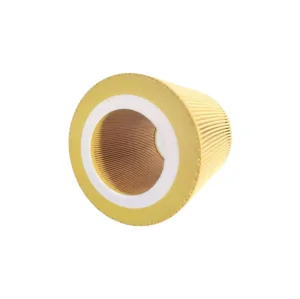
Premium replacement air filters engineered to fit original Atlas Copco housings seamlessly.
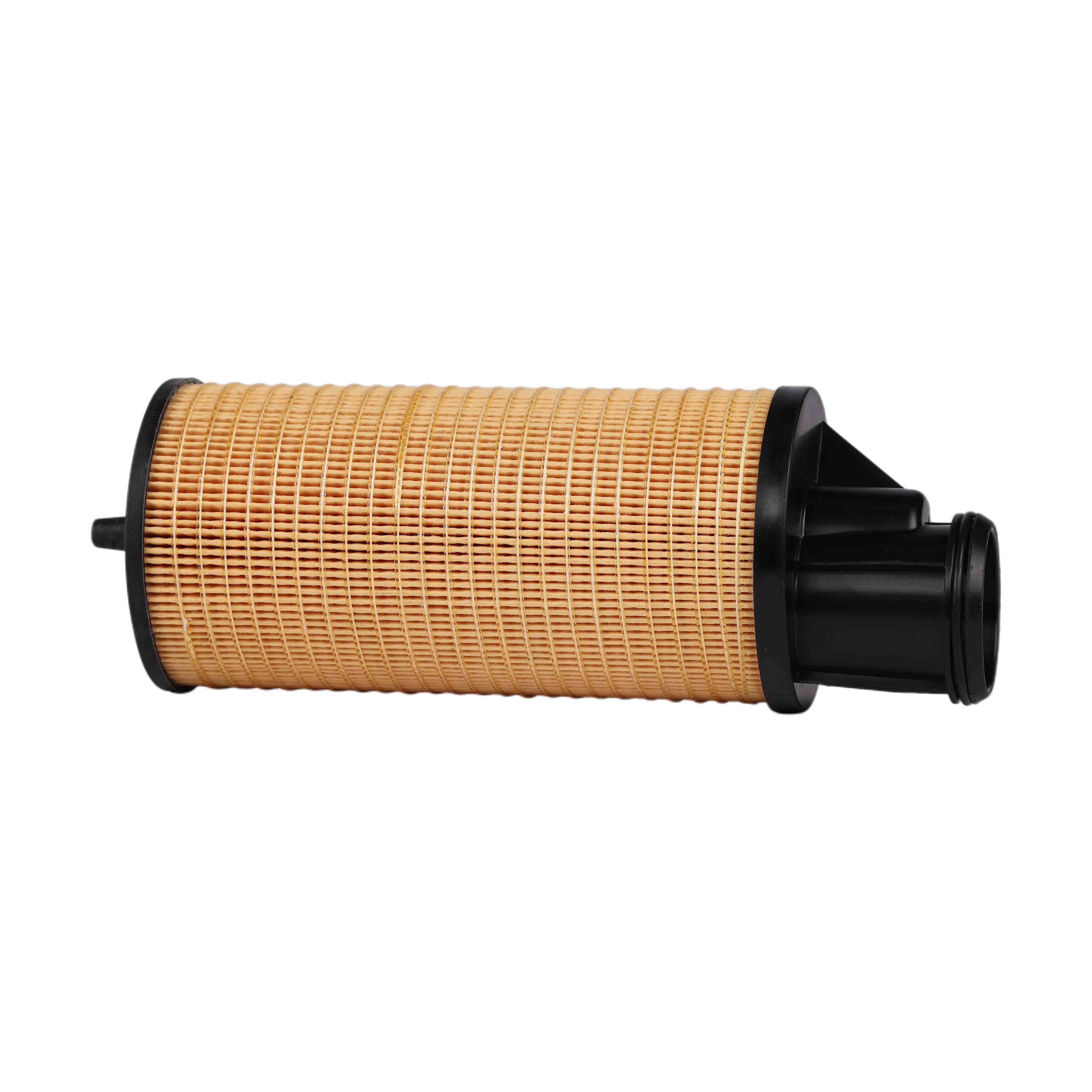
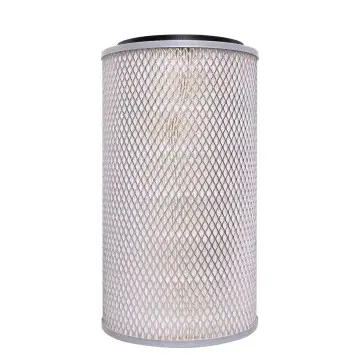
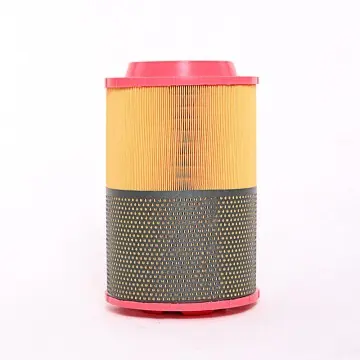
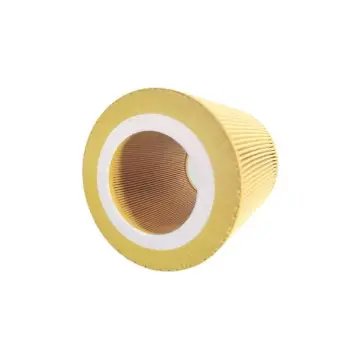
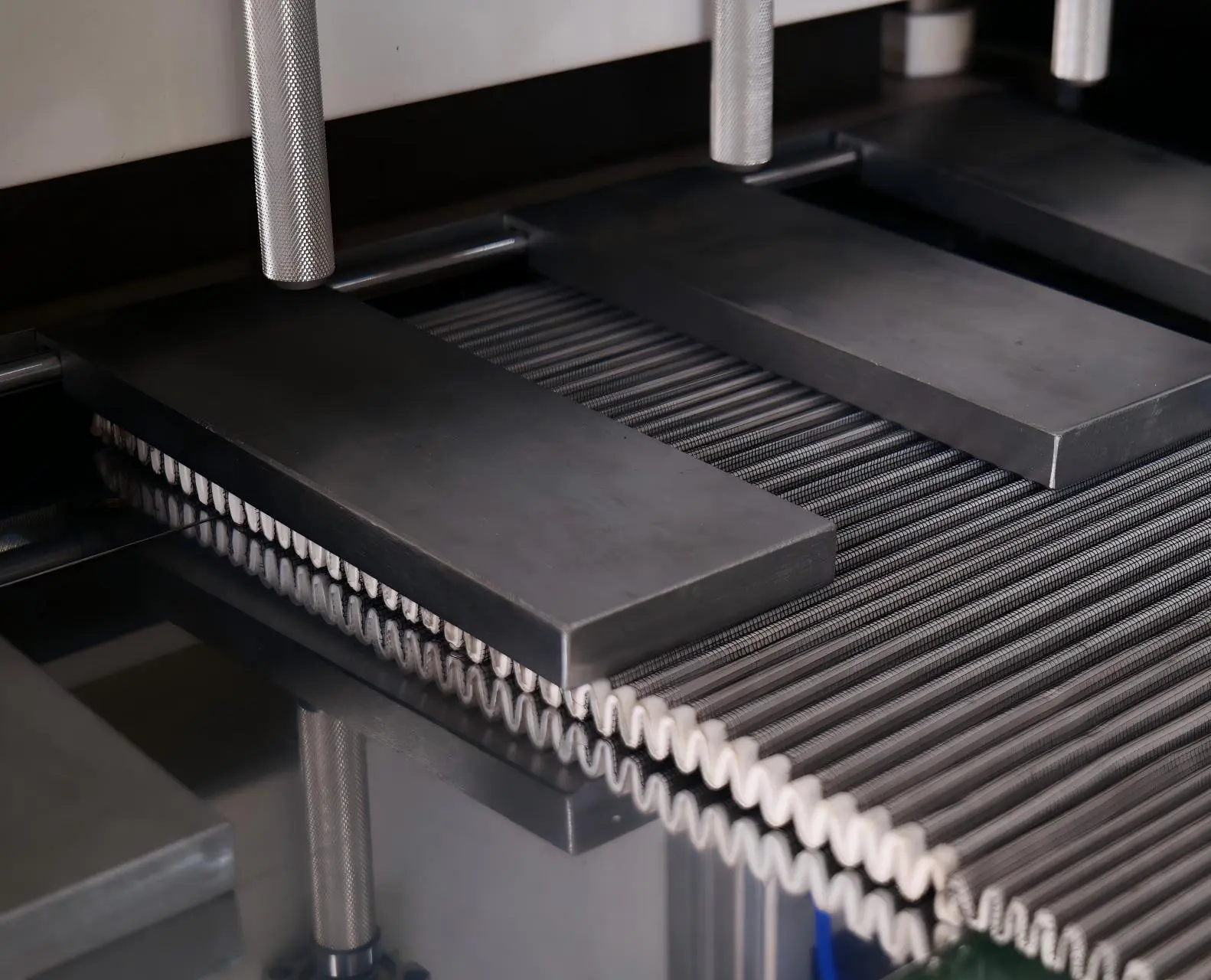
JCTECH is an established manufacturer with three specialized production facilities. In addition to our dedicated filter factory in Xinxiang, Henan province, we have developed a lubricant division to supply high-grade air compressor lubricating oil across China and to international markets.
By integrating structural engineering with advanced materials design, we manufacture filters that deliver long service life and reliable separation performance under demanding operating conditions.
View More DetailsOur most in-demand replacement filter elements, built to meet rigorous industrial specifications.
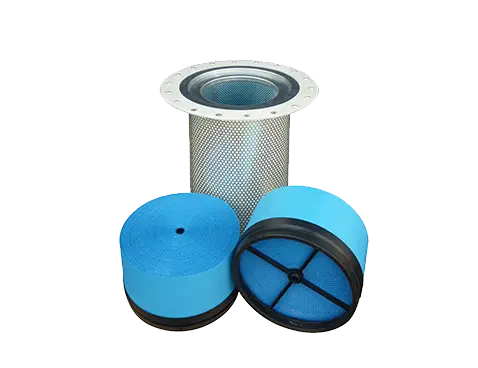
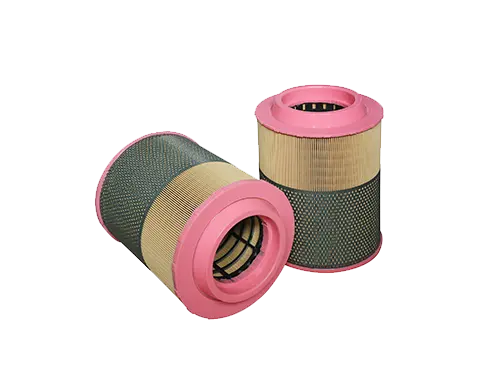
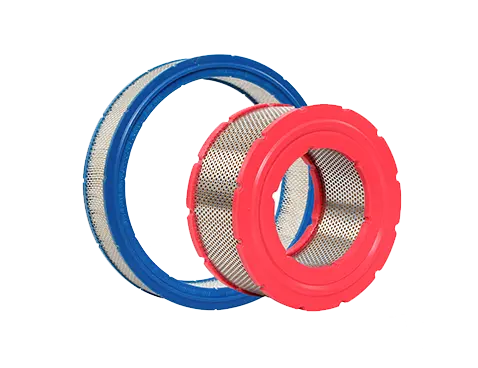
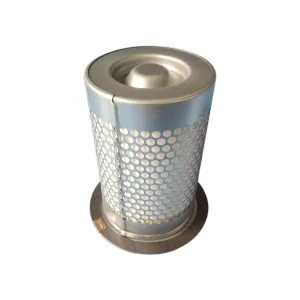
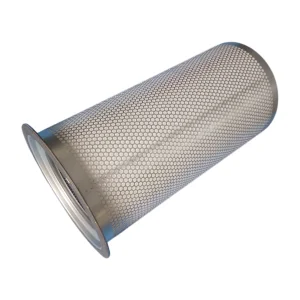
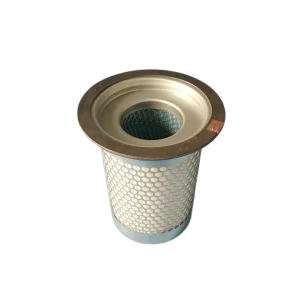
Engineered replacements for leading compressor brands worldwide.















We select the appropriate filter media according to your site operating conditions. Different environments require specific synthetic fibers and structural designs. Our goal is to reduce the frequency and cost of air compressor maintenance for our customers. We provide full warranty support for all replacement elements—please contact us for technical details.
Read More About Us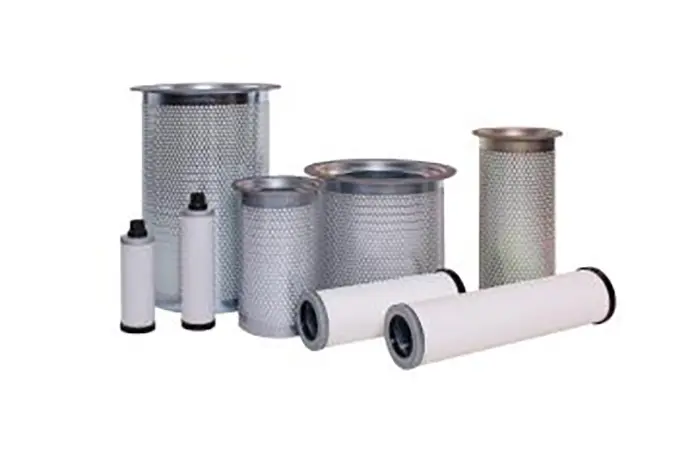
A1: The initial differential pressure drop of a clean filter element directly affects the load on the compressor motor. A higher pressure drop requires the compressor to run at a higher pressure to deliver the required working pressure downstream. In standard systems, every 0.1 bar increase in pressure drop results in approximately a 1% increase in electricity consumption. Utilizing high-efficiency, low-resistance microglass media reduces the overall pressure drop, lowering energy consumption and operation costs.
A2: When separators become clogged with fine particles, the pressure drop across the media increases. If the differential pressure becomes too high, the bypass valve may open to protect the compressor from damage. This allows unfiltered, oil-laden air to bypass the separator and enter the downstream system, contaminating pneumatic lines and instruments. Replacing separators at the recommended intervals prevents these bypass events and protects downstream air quality.
A3: Cellulose media is made from natural wood fibers, which are relatively large and uneven. It is suitable for basic filtration but has limited contaminant-holding capacity. Synthetic microglass media uses fine, uniform glass fibers. This structure allows for a denser, more consistent filter layer with higher dirt-holding capacity and lower resistance, providing better filtration efficiency and longer service life.
A4: In highly humid environments, water vapor can condense in the lubrication loop. This moisture can cause standard cellulose media to swell, reducing its flow capacity and leading to premature clogging. For high-humidity applications, water-repellent synthetic media and corrosion-resistant end-caps are required to maintain filter integrity and service life.
A5: A reliable manufacturer should possess ISO 9001 certification for quality management and follow international testing standards such as ISO 12500-1 for compressed air filters. These certifications ensure the manufacturer uses standardized testing and quality control processes, delivering filters that meet or exceed OEM specifications.
Premium replacement options engineered to fit original housings and maintain system performance.
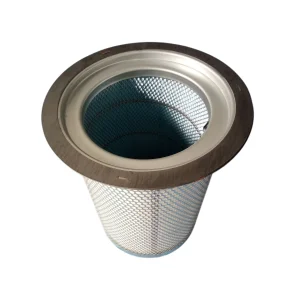
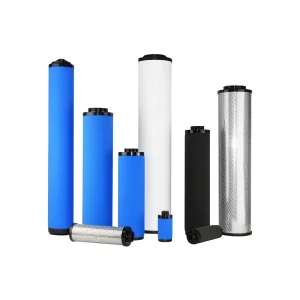
Get in touch for custom dimensions, material inquiries, cross-reference support, and wholesale pricing. Our experts will respond within 24 hours.
Insights into separation engineering, material developments, and compressor maintenance tips.
Recently, JCTECH has achieved another major breakthrough in the R&D of core accessories for air compressors - the newly developed 24900342 external oil separator replacement...
In the roaring air compressor system, air filter, oil filter, oil-gas separator filter and other components are like precise and silent guardians.
Oil separators are essential devices designed to separate oil, grease, and hydrocarbons from water. This seemingly simple task is crucial for a variety of reasons.
 Jiong Cheng

