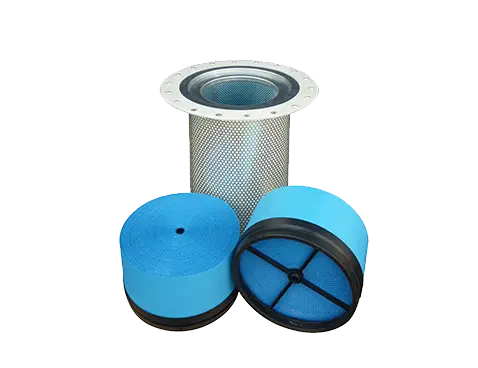
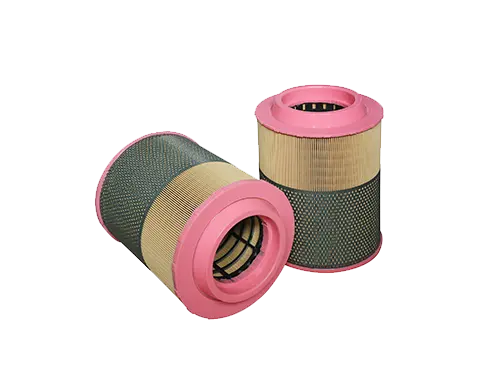
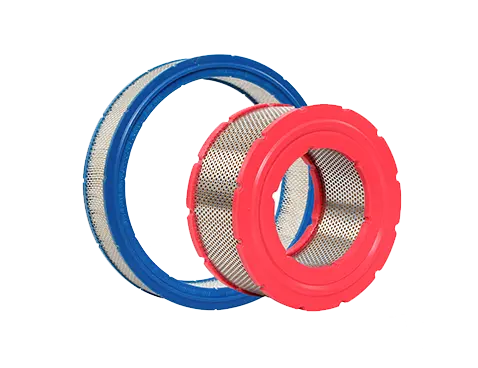
Engineered to match precise OEM standards for air compressor and industrial oil separation systems
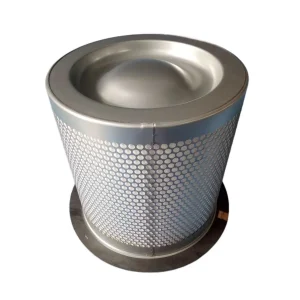
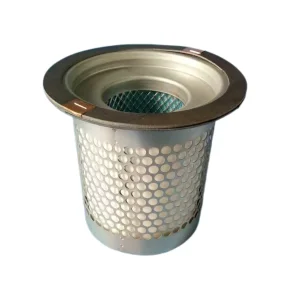
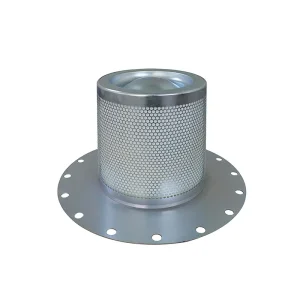
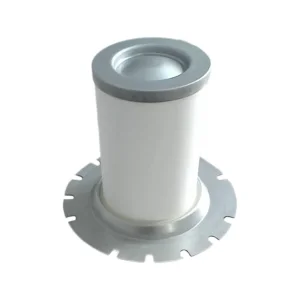
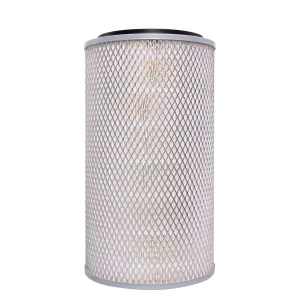
The global industrial filtration market is undergoing a structural transition driven by stricter environmental standards, energy efficiency guidelines, and the demand for zero-tolerance machinery maintenance. At the center of this transformation lies the Oil Filter Manufacturing Machine. Today, manufacturing equipment must construct filtration units capable of working under extreme thermal conditions and high pressure differentials. The transition from legacy mechanical systems to automated, IoT-enabled machinery represents a shift that directly impacts plant output and unit cost.
A modern assembly line consists of highly coordinated sub-systems: heavy-duty decoiling, micro-pleating systems with heating regulators, metallic or synthetic inner-mesh tube core expanding units, dynamic adhesive end-cap welding tools, and leak testers. Each process is engineered to manufacture components that prevent bypass leaking and keep system integrity intact. Whether producing replacements for automotive lines or high-capacity rotary screw air compressors, control over raw materials like glass fiber or phenol-treated paper is critical to achieving stable filtration efficiency.
Modern production facilities demand filtration machinery with structural rigidity, computerized control systems, and zero-defect output. Achieving this requires precise synchronization across pleating, gluing, and sealing processes.
For applications such as rotary screw compressors and high-pressure lubrication lines, filters must capture particles as small as 3 to 10 microns without restricting oil flow. This requires automated pleating machines that form exact geometries with uniform channel dimensions. Minor inaccuracies in spacing can cause pleat collapse, resulting in localized high-velocity zones that lead to premature wear or filter rupture. By utilizing advanced servo-motor configurations and automated tension controllers, manufacturers ensure that the filter media retains its structure even when subject to rapid flow fluctuations.
As a leading hub for filtration technology, Chinese manufacturing plants have established an optimized ecosystem that integrates raw material sourcing, automated hardware fabrication, and precision quality validation. Companies like Shanghai Jiongcheng Industrial Co., Ltd. (JCTECH) leverage these advantages to deliver equipment and high-performance replacement components that match strict international standards.
Chinese factories specialize in vertically integrated production. By manufacturing key assembly line modules in-house—including precision die tooling, custom pneumatic dispensers, and automated curing lines—manufacturers can significantly reduce both lead times and capital expenditure for buyers. This integration guarantees consistent component tolerances, allowing operators to run continuous high-speed runs with minimal down-time.
In addition, the proximity to specialized raw material suppliers (such as glass fiber manufacturers and high-grade galvanized steel processors) allows for real-time adaptations to custom orders. This agility is a key competitive differentiator, enabling the production of small-batch OEM replacements or high-volume standard units without compromising cost efficiency.
Filters manufactured using advanced assembly lines are critical across a wide range of industrial applications:
Operating conditions vary significantly depending on localized factors like ambient temperature, humidity levels, and airborne contaminants. For example, compressor installations in desert mining zones encounter heavy dust loads, requiring robust pre-filtration and thicker, multi-layered synthetic media. Conversely, marine settings require corrosion-resistant housings and specialized synthetic media that prevent water-induced swelling. JCTECH specializes in analyzing these field conditions to recommend the optimal configuration for your filtration machinery or replacement units.
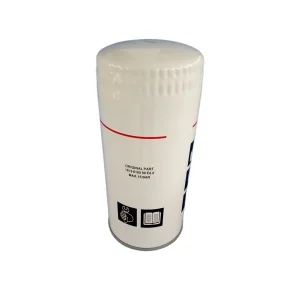
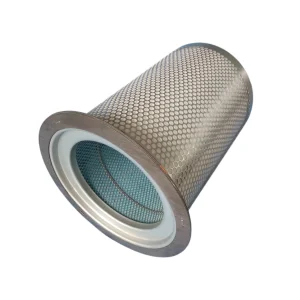
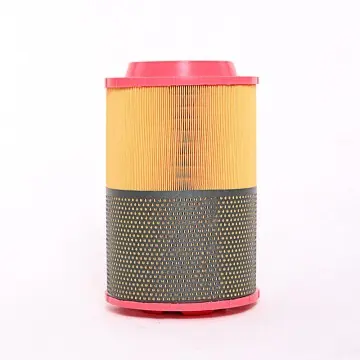
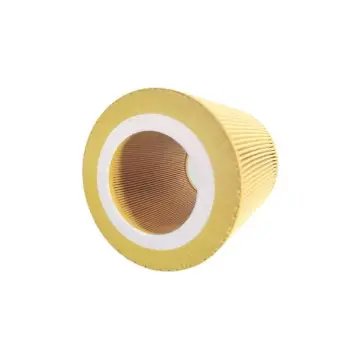
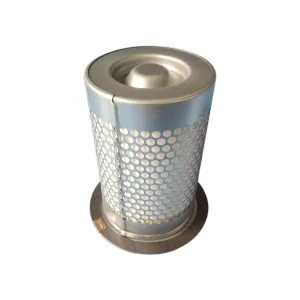
Engineered replacements for major international brands like Atlas Copco
The integration of Industry 4.0 concepts is redefining the design and operation of oil filter manufacturing machinery. Modern automated production systems utilize sensor networks and PLC integration to monitor key performance indicators in real time. These smart lines track pleat depth consistency, temperature variances in adhesive curing stations, and pressure thresholds during end-cap pressing.
Important technology trends reshaping the industry include:
Advanced PLC systems control adhesive dispensing down to the milligram, ensuring perfect end-cap seals and preventing bypass leakage.
Integrated bubble point and differential pressure testing verify media integrity and separation efficiency prior to packaging.
Designed for multi-spec flexibility, minimizing downtime when switching between air filter, oil filter, and separator runs.
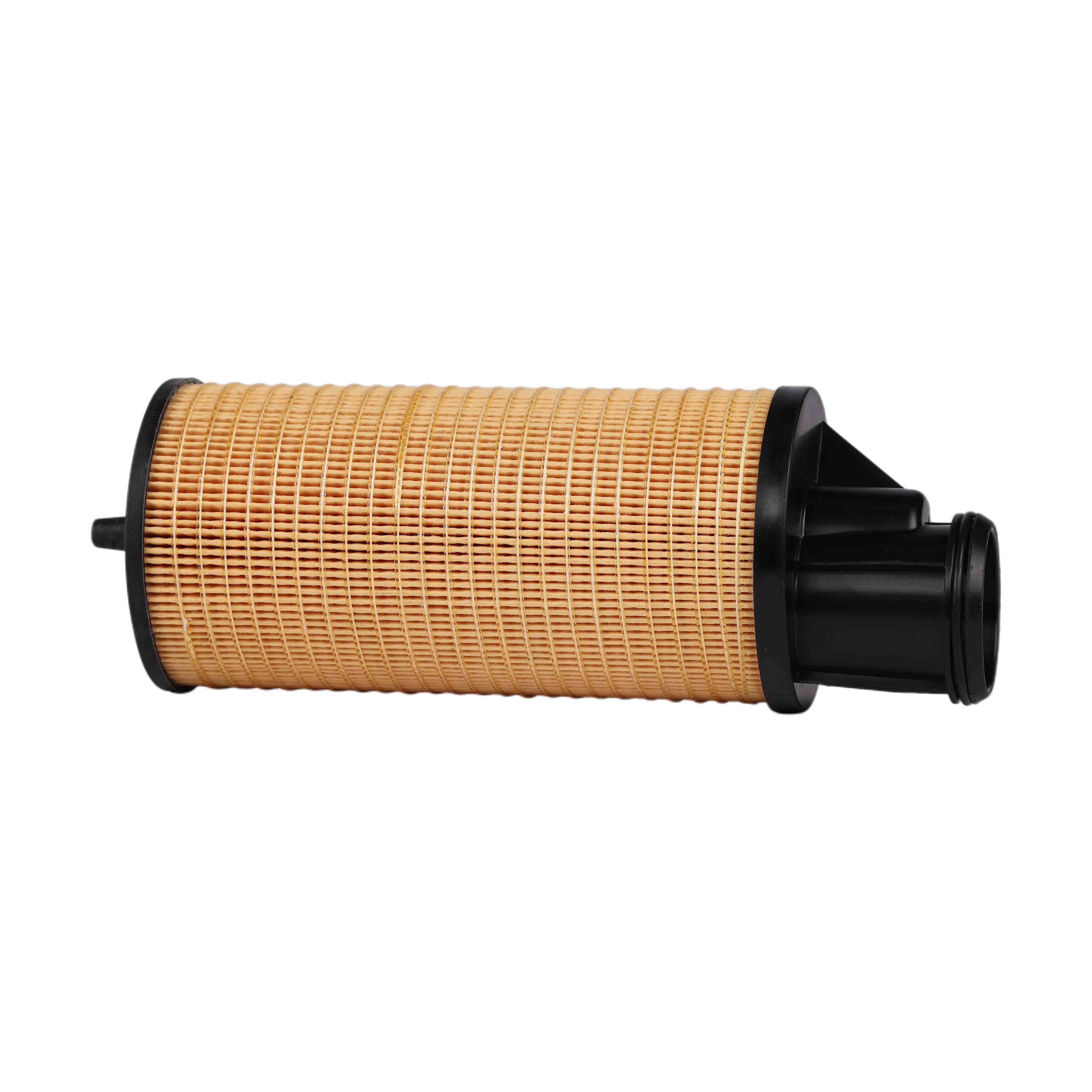
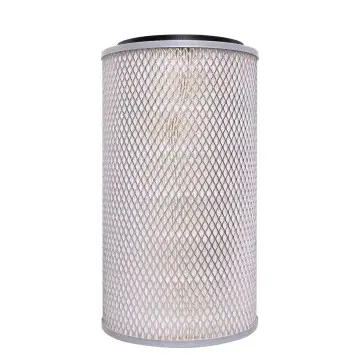
We select the appropriate filter element for you according to the working conditions on your site. The oil used in different working conditions varies significantly, requiring specific manufacturing materials and structural configurations. Our goal is to reduce the frequency and overall cost of air compressor maintenance for our customers. We offer comprehensive warranty periods on our systems; please consult us for details.
Read More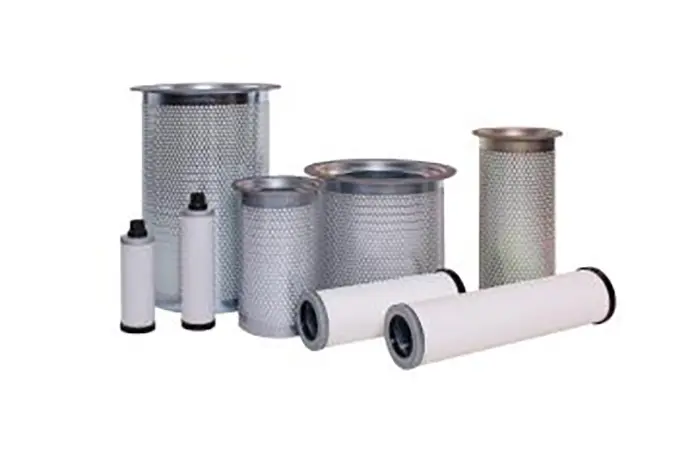

Exceptional after-sales service to ensure customer satisfaction and long-term production uptime.

Our dedicated support team is available to assist with setup, troubleshooting, and optimization.

We provide prompt warranty services and repairs to resolve operational issues efficiently.

We value partner insights and continuously refine our designs based on field feedback.
Industry-standard replacements with proven performance in heavy industrial applications
Our solutions and machines support production configurations compatible with leading worldwide brands














When sourcing industrial-grade oil filter manufacturing machinery, procurement teams must look beyond initial machinery cost. Technical evaluations should focus on long-term efficiency, component flexibility, and maintenance overheads. Key metrics to consider include: Specific Energy Consumption per production cycle, Changeover Speed between product variants, and Reliability Indicators of the core hydraulic and pneumatic subsystems.
A structured approach helps minimize post-purchase operational issues. Developing clear agreements regarding installation support, commissioning protocols, and localized spare part sourcing ensures a smooth deployment process. JCTECH provides complete technical documentation, pre-delivery inspection reports, and engineering drawings to streamline integration into existing smart manufacturing systems.
Technical answers to common questions on industrial filter manufacturing and machinery supply
Read about our recent engineering milestones and filtration system developments
JCTECH has reached a new milestone in R&D with the release of the 24900342 external oil-air separator replacement, offering improved separation efficiency for energy-saving air compressor upgrades.
Learn moreAn in-depth look at how air filters, oil filters, and air-oil separators function together as crucial guards for maintaining system health and compressed air quality.
Learn moreExploring the mechanical principles of oil-water separation and hydrocarbon recovery systems in modern industrial processing environments.
Learn moreHave questions about our filter manufacturing machines or custom replacement programs? Reach out to our engineering experts for a detailed quote.
Reliable components designed for high-capacity industrial systems
 Jiong Cheng