In modern industrial manufacturing, the purity of compressed air is directly linked to operational stability, equipment lifespan, and product quality. A desiccant air dryer utilizes porous materials (such as activated alumina, silica gel, or molecular sieves) to adsorb moisture down to dew points of -40°C (-40°F) or even -70°C (-100°F). However, the desiccant material is extremely vulnerable to contaminants, particularly oil vapor and aerosols carried over from oil-lubricated rotary screw compressors. Liquid water droplets, oil emulsions, and solid particles degrade the active surface area of the adsorbent beads, leading to desiccant poisoning or premature degradation.
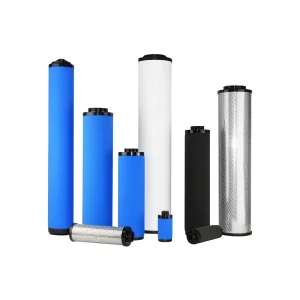
Therefore, a multi-stage filtration strategy is required. The pre-filter (coalescing filter) is installed upstream of the dryer to remove liquid aerosols, water droplets, and fine particulates. Coalescing elements leverage three primary filtration mechanics: direct interception, inertial impaction, and Brownian diffusion. These forces drive sub-micron particles to merge into larger droplets within the borosilicate microglass media matrix, which then drain by gravity to the bottom of the filter bowl. High-efficiency pre-filtration ensures that oil content entering the desiccant bed is kept well below 0.01 mg/m³.
Downstream of the desiccant bed, the dry air is heavily laden with abrasive desiccant dust (fines) generated by the constant mechanical friction and thermal cycle switching. The post-filter (particulate dust filter) is essential to capture these high-temperature particulates (down to 1 micron or smaller, with efficiency ratings of 99.9%). Failing to implement an appropriate high-temperature post-filter will cause rapid abrasion in downstream pneumatic actuators, control valves, and process equipment.
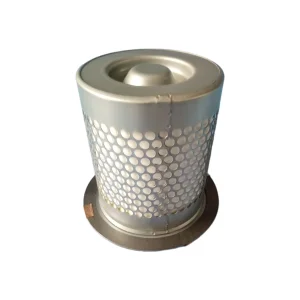
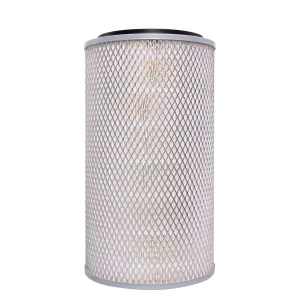
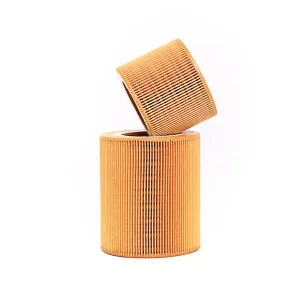
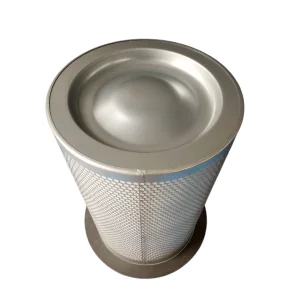
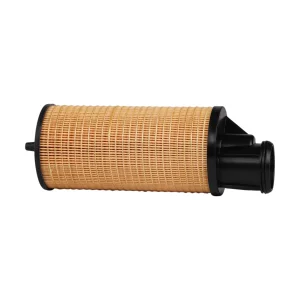
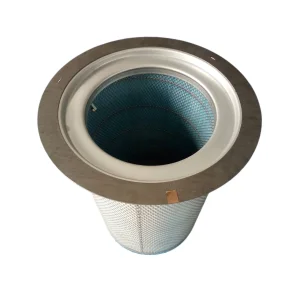
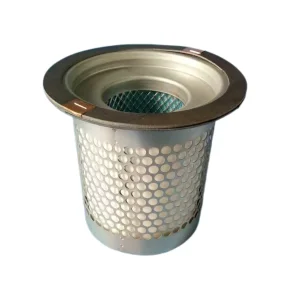
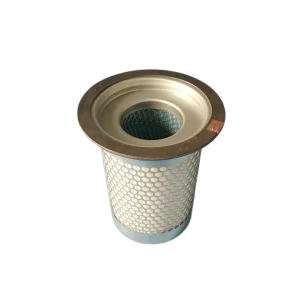
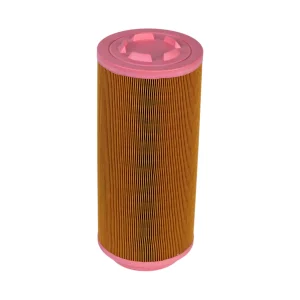
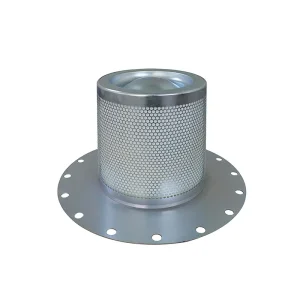
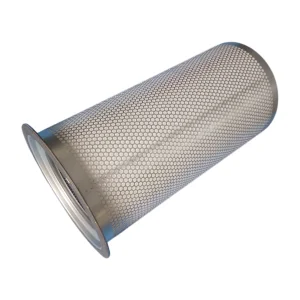
JCTECH manufactures desiccant air dryer filters and compatible high-precision replacements that align precisely with ISO 8573-1:2010 purity standards. By utilizing advanced media materials sourced from leading global suppliers such as Lydall and HV, JCTECH elements deliver a low initial differential pressure (ΔP) and high dirt holding capacity, mitigating energy penalties and maximizing service life.
JCTECH is an established filtration technology company operating three modern manufacturing factories in China. Beyond our primary, state-of-the-art filter production facility located in the industrial manufacturing hub of Xinxiang, Henan province, JCTECH has built dedicated lubrication systems and specialized clean-room assembly divisions. This infrastructure enables us to provide high-purity air compressor lubricant oils, inline filtration elements, and compressor oil-gas separators to clients globally, delivering uncompromising cost efficiency and performance matching or exceeding OEM requirements.
Explore Our Corporate Strengths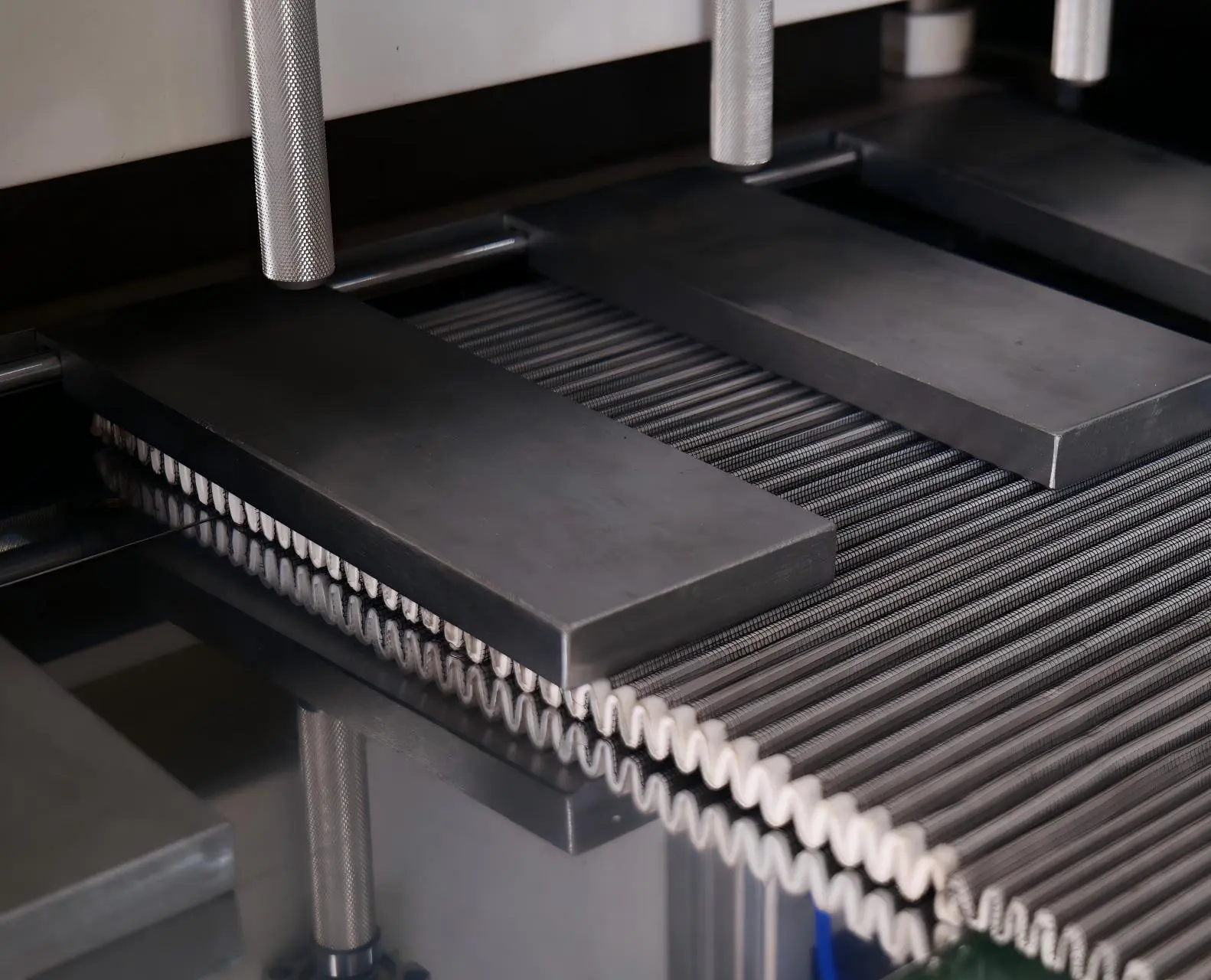
The operational conditions of air compressor installations vary widely across industries. A factory located in a humid coastal region faces vastly different atmospheric moisture and salt spray concentrations than a dry, dusty desert operation. At JCTECH, we select the appropriate filter element for you according to the specific working conditions on your site. The oil and condensation characteristics in different systems require unique structural materials and filtration media formulations. Our engineering objective is clear: to reduce the frequency and cost of air compressor maintenance for our customers while maximizing reliability. All our replacement products come with a comprehensive warranty period to guarantee total peace of mind.
Request Engineering Consulting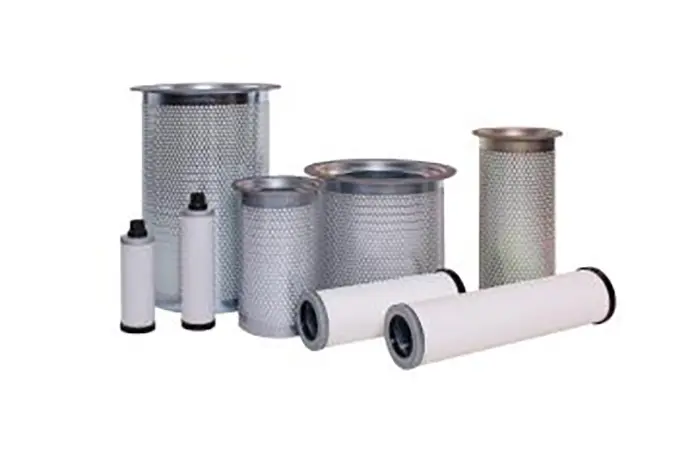
Across global supply chains, compressed air is often referred to as the "fourth utility." Its purity requirements vary dramatically depending on the sensitivity of the final product. JCTECH develops specialized solution frameworks to address these diverse demands:
In microchip manufacturing, sub-micron particulates or trace water molecules will cause catastrophic trace corrosion on silicon wafers. We supply custom desiccant inline filters to maintain -70°C dew point targets and strict particle counts.
Direct-contact process air requires complete sterilizability and absolute absence of hydrocarbons. Our coalescing and sterile filter replacements are optimized for cleanroom environments and sterile packaging systems.
Silicone or oil residue in paint spray booths leads to surface cratering and paint defects. Our replacement filters leverage deep adsorption mechanics to ensure completely oil-free compressed air supply.

Exceptional After-Sales Service for Complete Satisfaction.

Our after-sales team is dedicated to addressing any issues and providing ongoing support.

We offer warranty and repair services to address any product issues promptly and effectively.

We value customer feedback and continuously improve our products and services based.
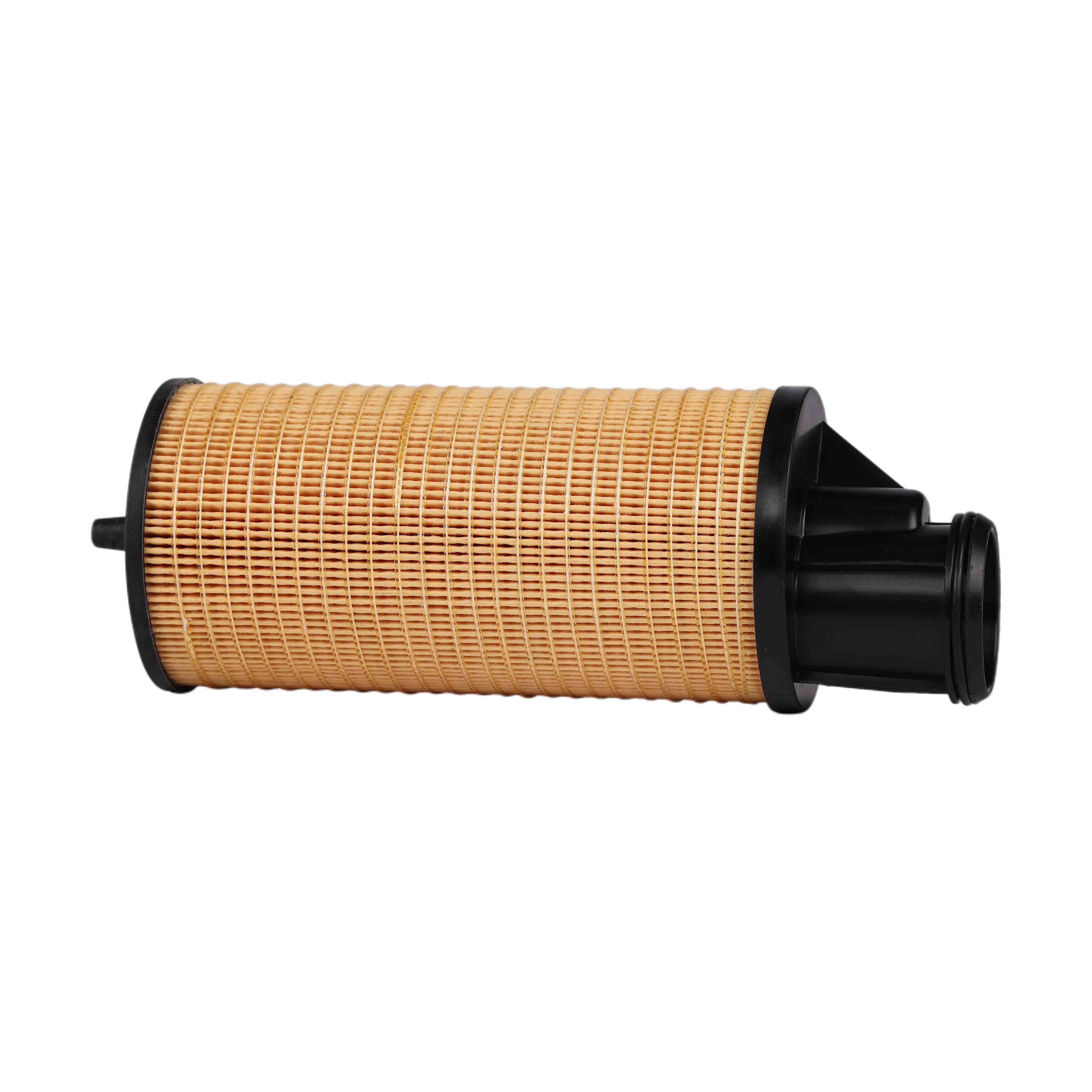
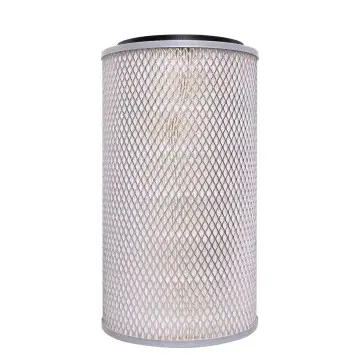













As international focus centers on carbon neutrality and reduction of energy overheads, air compressor and filtration technologies are undergoing high-impact innovations. The market is shifting from passive element maintenance to smart, carbon-efficient systems. Understanding these trends helps engineering leaders prepare their facilities for future operational regulations:
The pre-filter is installed before the desiccant air dryer to remove water and oil aerosols, preventing them from coating the desiccant beads (adsorbent poisoning). The post-filter is installed after the dryer to capture highly abrasive desiccant dust particles generated by bead friction, preventing this dust from entering downstream equipment and air pipelines.
When compressor oil aerosols reach the adsorption material (activated alumina or molecular sieves), they form a liquid film over the micro-pores of the beads. This blocks the pores, reducing the surface area available for moisture adsorption. Once poisoned by oil, the desiccant loses its water-adsorption capacity, and the dew point of the system rises, leading to water accumulation in downstream piping.
The primary criteria are filtration efficiency (matching ISO standards), pressure drop, structural integrity, and price. JCTECH filters utilize identical grade borosilicate media from top-tier suppliers like HV, ensuring identical efficiency (e.g., 99.999% at 0.01 micron) and dimensional tolerances matching original OEM brands (like Atlas Copco or Ingersoll Rand) at a significantly lower operational cost.
ISO 8573-1 defines classes for solid particles, humidity/water, and total oil. For instance, Class 1 air quality requires less than 0.01 mg/m³ of total oil, demanding high-grade coalescing or activated carbon filters. Understanding the target air class ensures you install the proper configuration of pre- and post-filters without over-specifying filtration, which saves capital cost and energy.
Most industrial filter elements should be replaced every 4,000 to 6,000 operating hours, or when the differential pressure reaches 0.35 to 0.5 bar. Running elements beyond this point significantly increases the pressure drop, forcing the compressor to consume more electrical energy to maintain system pressure.
Plants can minimize pressure drop by properly sizing filters to match peak air flow rates, replacing elements on schedule (or when ΔP exceeds critical limits), and selecting high-performance replacement filters designed with maximized media surface area and premium materials.
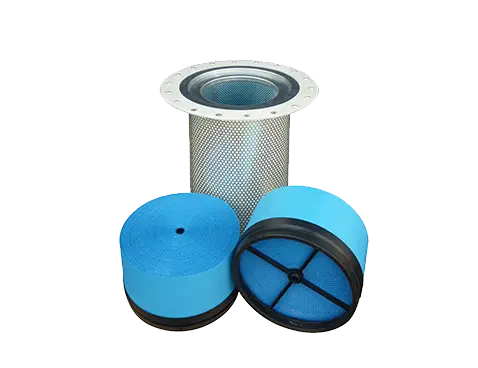
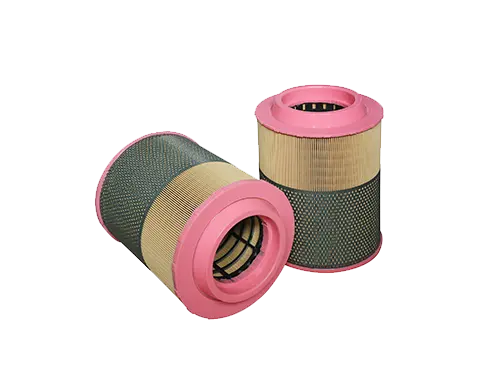
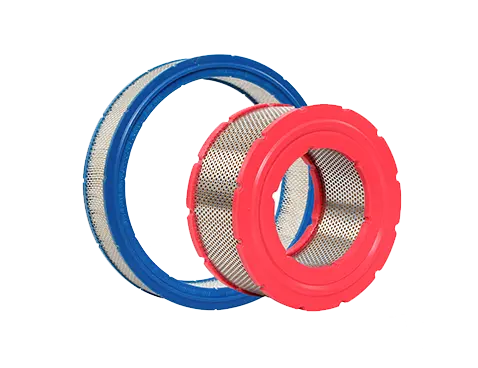
Have specific operating conditions, custom size requirements, or need assistance selecting the ideal replacement filter element? Submit your inquiry, and our experts will solve them in no time.
* Required Fields
 Jiong Cheng

