Direct OEM equivalents engineered to match and exceed the filtration standards of top air compressor brands
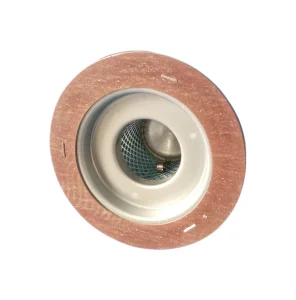
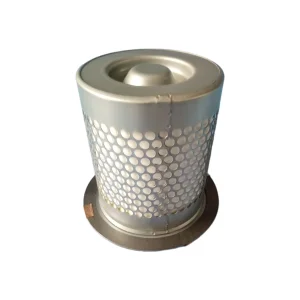
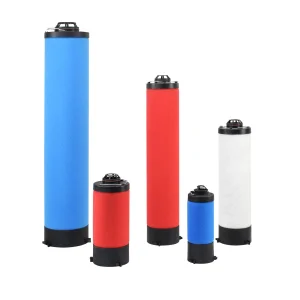
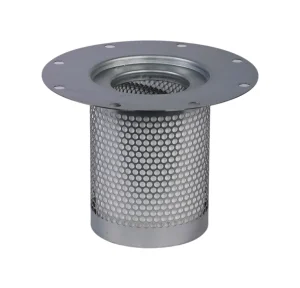
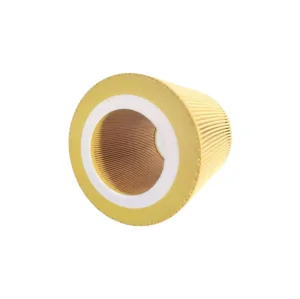
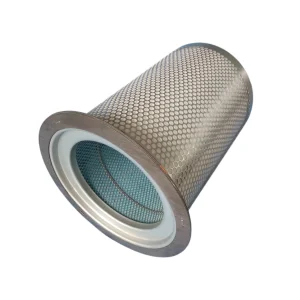
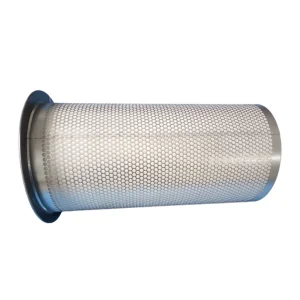
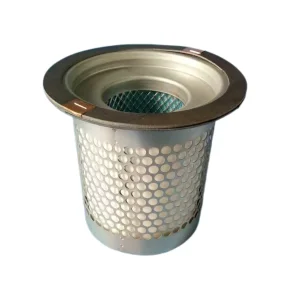
In the heavy manufacturing, processing, and assembly industries, compressed air is often referred to as the "fourth utility." From automotive production lines to pneumatic automation in pharmaceutical packaging, the operational integrity of downstream machinery depends fundamentally on the quality of compressed air. Injected oil, atmospheric dust, particulates, and moisture are natural adversaries of high-precision air systems. This makes high-grade air filters, oil separators, and inline coalescing filters essential safeguards for maintaining system stability.
Today's global industrial sector demands unprecedented uptime. According to cleanroom standards, even microscopic levels of airborne oil aerosols can cause massive paint failures in automotive finishes, block precision orifices in pneumatic instruments, and degrade the physical properties of food-grade containers. In air compressor systems, the air intake filter acts as the primary defense line. When these components fail or saturate prematurely, the internal elements—specifically the air-oil separator elements—face severe oil-carryover stress. This results in system pressure drop increases and direct environmental hazards.
Technical Focus: ISO 8573-1:2010 Air Quality Classifications. Clean air systems rely on defined ISO parameters. High-performance aftermarket air filters must systematically capture particulate matter down to the sub-micron range, ensuring downstream lines comply with critical air purity classes (solid particle size, residual liquid oil concentrations, and humidity levels).
The global aftermarket filtration market is undergoing a transition driven by materials science and energy conservation. Historically, simple cellulose-based papers served as the industry standard. However, modern industrial environments require specialized synthetic and micro-glass media configurations that handle larger dirt-holding volumes while minimizing initial pressure drop (ΔP).
By applying electrospun nanofibers onto base substrate cellulose media, manufacturers create a surface-loading structure. This design traps dust particles on the filter surface rather than deep inside the media, allowing easy pulsing during self-cleaning cycles and extending filter life up to 150%.
Every additional 100 mbar of pressure drop across a clogged filter requires approximately 1% more energy input at the compressor shaft. The focus of next-generation replacement parts is to optimize media pleat density and spacing, ensuring consistent flow paths and lower lifetime energy costs.
Traditional wrapped fiberglass separators are being replaced by pleated composite materials. These handle modern synthetic compressor oils (PAGs, POEs, and PAOs) without swelling or degrading, maintaining oil-carryover values below 3 ppm over thousands of operational hours.
Additionally, sustainability initiatives are driving demand for metal-free, incinerable replacement elements. High-quality aftermarket air filters are increasingly built with engineered plastic end-caps and internal structural cages. This design maintains pressure integrity under pressure spikes while simplifying disposal and recycling practices.
Industrial procurement departments faces several challenges when sourcing aftermarket compressor elements. They must balance strict equipment reliability with the pressure to reduce maintenance costs. To replace OEM brands like Atlas Copco, Ingersoll Rand, Sullair, and Kaeser, B2B procurement managers use detailed testing protocols to verify that replacement elements match original specifications.
Key procurement requirements include:
By shifting to certified aftermarket suppliers, procurement departments can save 30% to 50% compared to OEM pricing. These savings come without compromising compressor efficiency, allowing operations teams to optimize their maintenance budgets.
China's industrial filtration manufacturing has transitioned from labor-intensive assembly to automated Industry 4.0 production systems. Factories now feature computer-controlled pleating lines, robotic spot welders, and automated wrapping machinery for air-oil separators. This shift ensures consistent production tolerances and reduces human error during assembly.
This automated foundation provides two key advantages:
1. Unparalleled Supply Chain Resilience: China hosts a complete raw material ecosystem, from custom chemical adhesives to steel mesh and high-performance synthetic media. This concentration shields production schedules from global supply chain disruptions.
2. Advanced Quality Inspection: Automated testing rigs evaluate 100% of production runs for leak paths and structural bonding integrity. By standardizing these checks, manufacturers can guarantee that aftermarket filters perform reliably under high-vibration conditions.
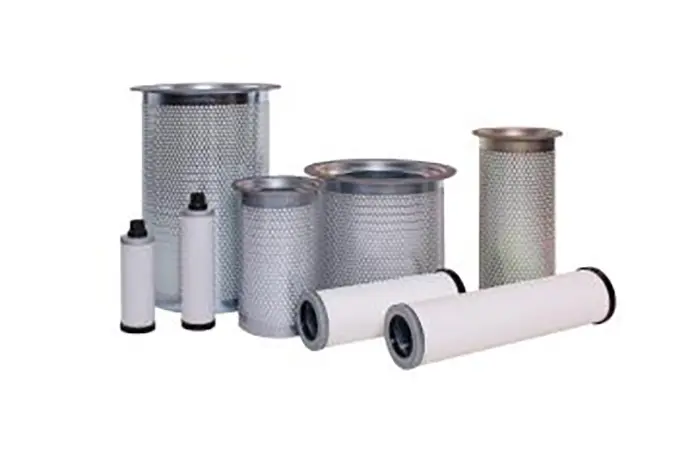
In environments like mining, cement batching plants, and steel mills, standard air filters clog quickly. To address this, specialized deep-pleat air filters with micro-glass layers are used. These elements offer high dust-holding capacities to prevent premature airflow restriction.
Ocean platforms and coastal facilities face corrosive, salt-laden air that degrades metal housings. In these settings, filters require synthetic polymer support meshes and marine-grade stainless steel components to prevent rust and structural degradation.
High moisture levels can cause standard filter papers to soften and collapse. In tropical climates, manufacturers use water-resistant (hydrophobic) synthetic media treatments. These keep pleats structurally sound and prevent moisture-induced pressure drops.
Matching the filter media to the specific operating environment is essential for prolonging compressor life. Correct media selection reduces pressure drops, protects downstream piping from oil carryover, and lowers overall system maintenance requirements.
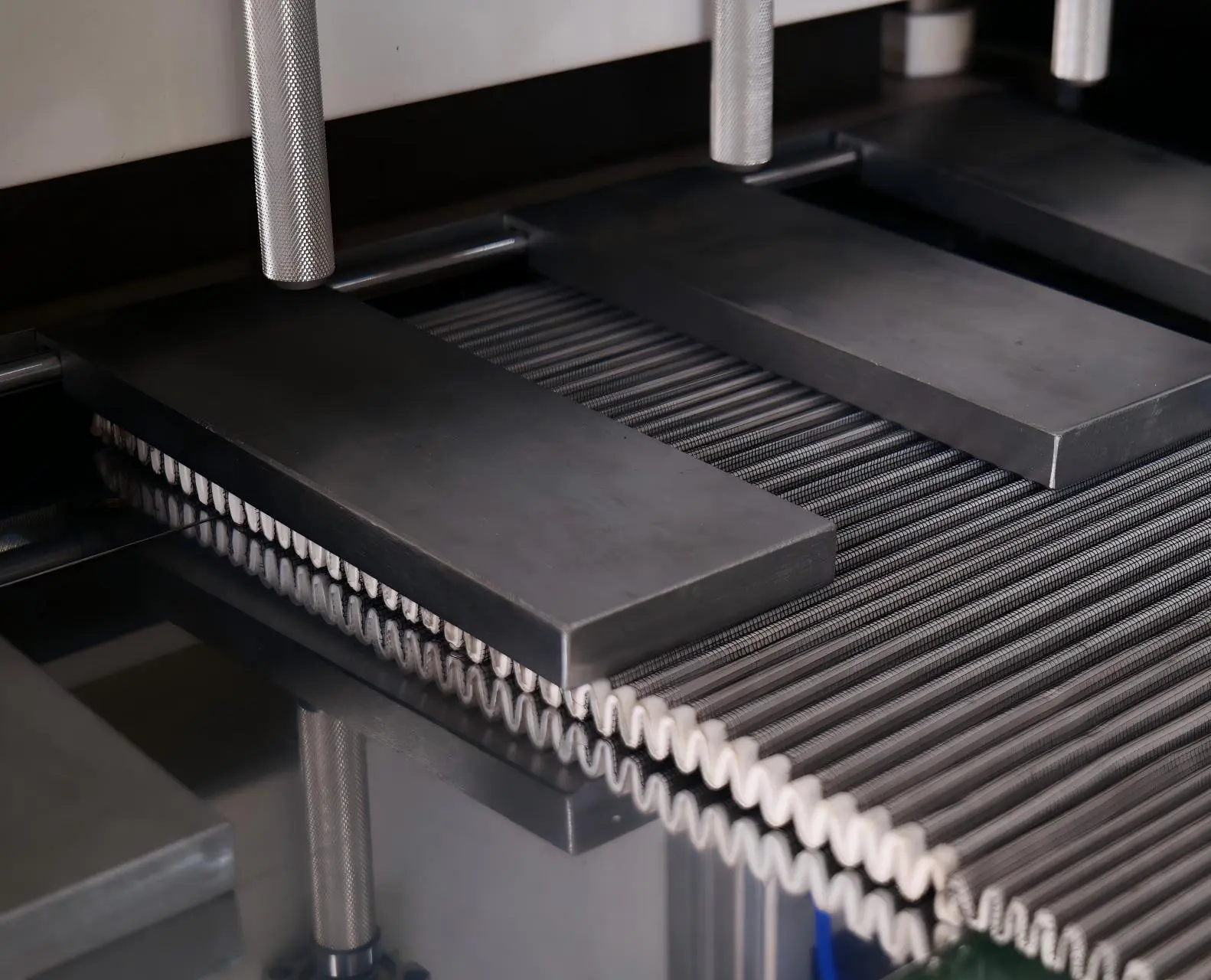
With over two decades of specialized experience, Shanghai Jiongcheng Industrial Co., Ltd. (JCTECH) has established itself as an engineering partner in the industrial filtration sector. We operate three specialized manufacturing facilities, including our primary filtration plant in Xinxiang, Henan Province, and a dedicated lubrication facility. This setup allows us to supply both advanced air filter replacements and high-performance compressor lubricants to buyers worldwide.
Our goal is to help customers reduce maintenance frequencies and overall operational costs. By selecting the correct filter media and housing materials for each application's operating conditions, we ensure stable system performance. All replacement components are backed by a comprehensive warranty, giving plants and distributors reliable protection and support.
JCTECH manufactures replacement elements designed to match the form, fit, and function of these major brands:














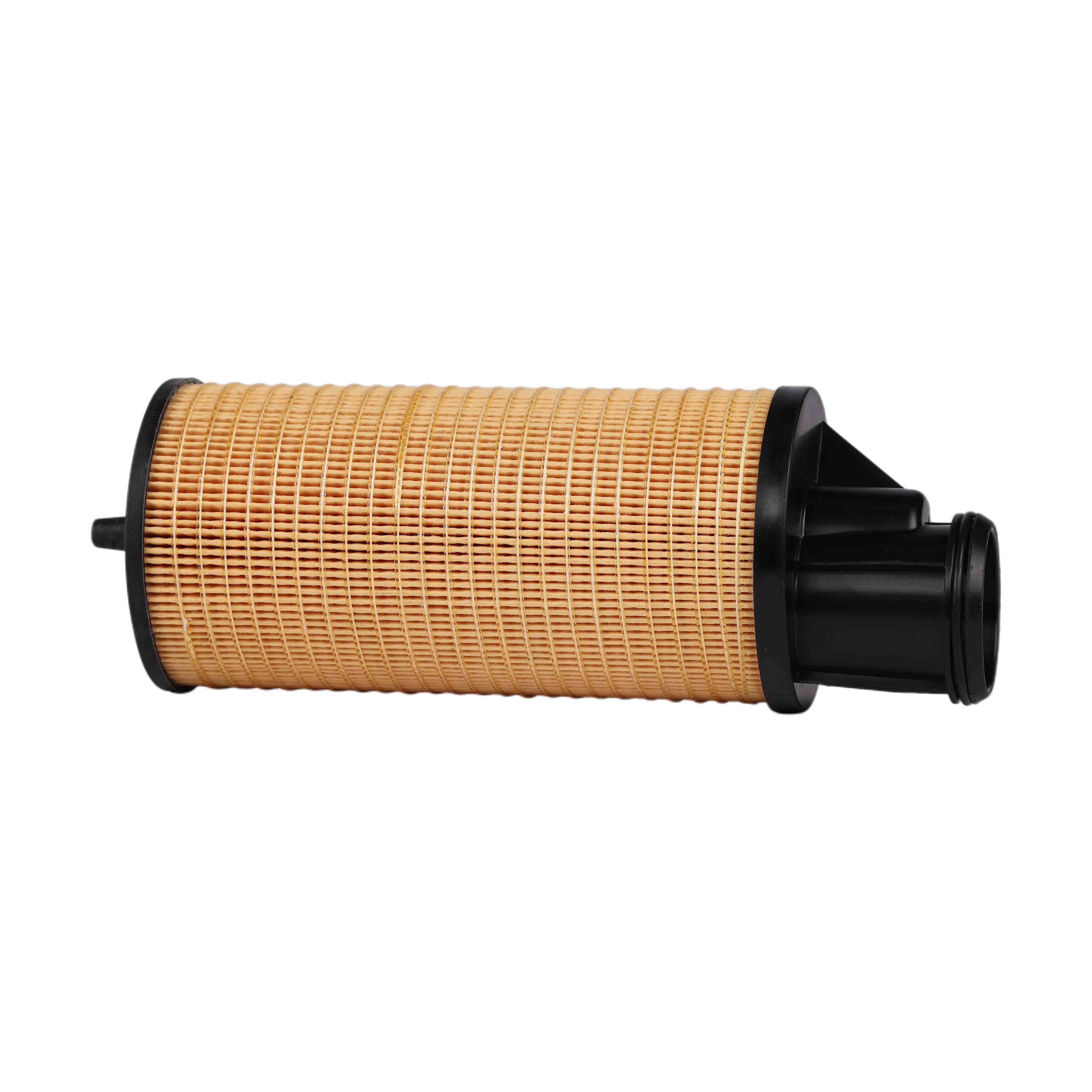
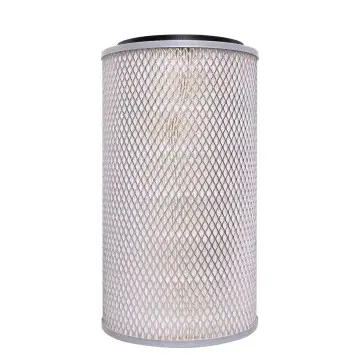
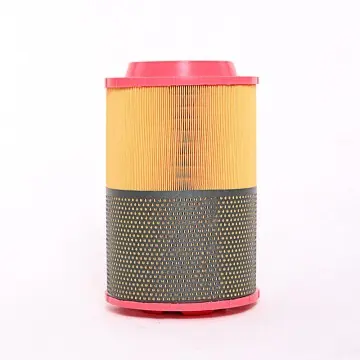
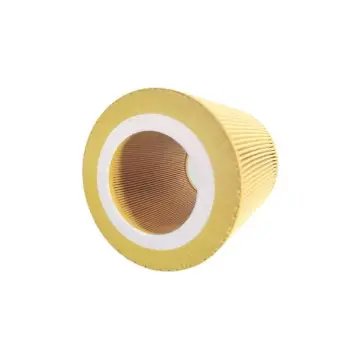
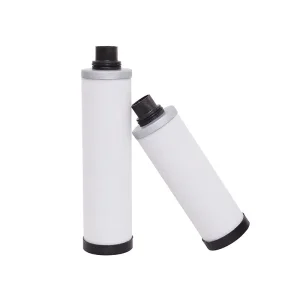
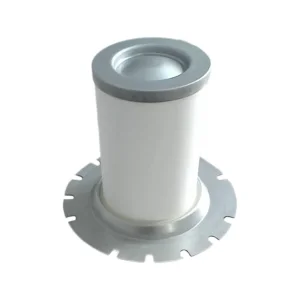
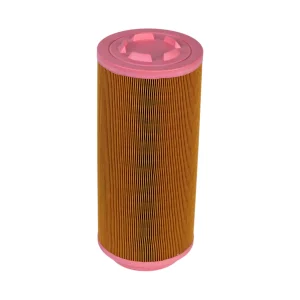
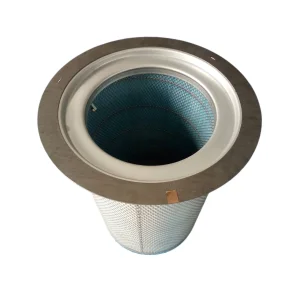
Explore our main product series for major rotary screw air compressors
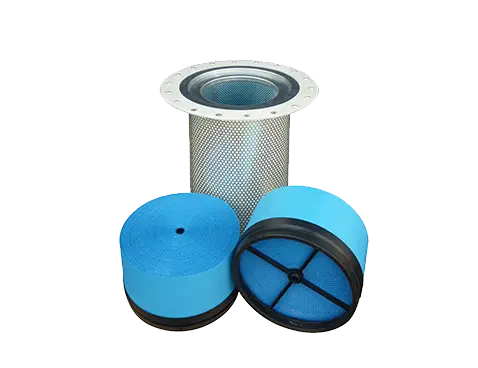
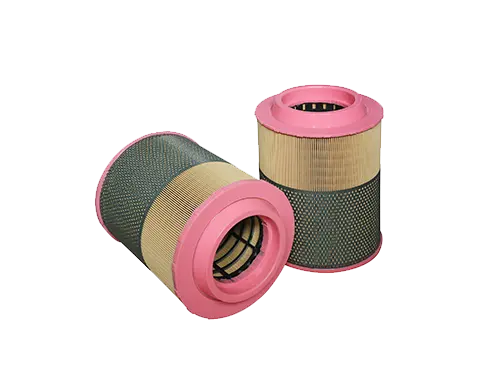
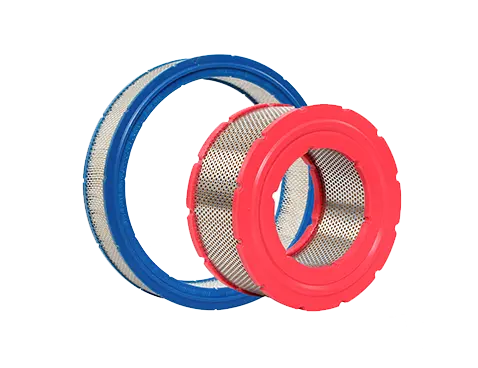
Comprehensive after-sales care designed to maximize compressor system lifespan

Dedicated after-sales support to resolve installation queries, track performance, and maintain system reliability.

Technical experts evaluate your site conditions to select the correct media configurations for your operational environments.

Comprehensive manufacturing warranties cover defects, performance degradation, and premature media saturation.

We analyze field performance data and customer feedback to continually update and improve our filter media formulations.
Technical answers to common questions about replacement filters and system performance
High oil carryover (exceeding 3 ppm) is typically caused by three main factors: physical damage to the separator media, running the system at excessively high temperatures (which vaporizes lubricating oil), or using oil with incompatible chemical additives. Additionally, operating the compressor below its rated discharge pressure increases air velocities through the separator. This excess velocity bypasses the coalescing layers, sending liquid oil downstream.
Initial pressure drop represents the airflow resistance of clean media. Standard filters run between 0.1 and 0.2 bar. As dust builds up, this resistance increases. For every 0.1 bar increase in pressure drop, the compressor requires approximately 1% more motor power to maintain discharge pressure. Replacing clogged elements before they reach a 0.8 to 1.0 bar differential is key to managing energy costs.
Yes. High-quality aftermarket manufacturers use the same raw media suppliers (such as HV and Ahlstrom) as OEMs. By maintaining strict control over pleat depth, surface area, and support mesh materials, aftermarket replacements can deliver matching filtration efficiency, dust-holding capacity, and service life.
Air flowing through synthetic glass fibers generates static electricity. Without a discharge path, this static charge can build up and create a spark inside the separator. Since the separator contains a warm oil-air mixture, these sparks pose a serious fire hazard. Standard designs include grounding brass pins on the separator gaskets to provide a safe discharge path to the compressor frame.
Surface-loading media (like nanofiber-coated papers) stops particles at the outer boundary, allowing them to fall away easily during pulse-cleaning cycles. Depth-loading media (like thick borosilicate glass mats) traps contaminants throughout the full thickness of the material. Depth filtration is ideal for capturing liquid oil aerosols, while surface filtration works best for dry, heavy dust environments.
Have questions about filter sizing, custom designs, or global delivery options? Contact our technical team today.
Our engineering support team is available Monday through Friday to assist with cross-referencing and technical specifications.
Stay updated with our latest engineering breakthroughs and filtration research articles
JCTECH has launched the newly developed 24900342 external oil separator replacement. This design features an optimized flow path to reduce differential pressure and support energy-saving upgrades in modern screw compressors.
Read More →An in-depth look at how air filters, oil filters, and oil-gas separators work together to protect compressor components, maintain air purity, and prevent system wear.
Read More →A review of the mechanisms used to separate liquid hydrocarbons, oil aerosols, and greases from compressed air flows, including key maintenance practices for industrial plants.
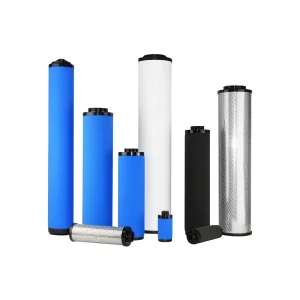
Read More →Complete your filtration setup with our direct-fit inline elements and winding air-oil separators
 Jiong Cheng

