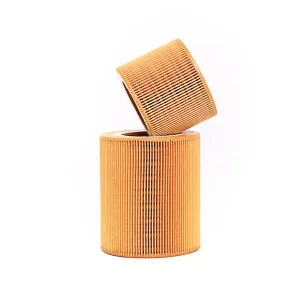
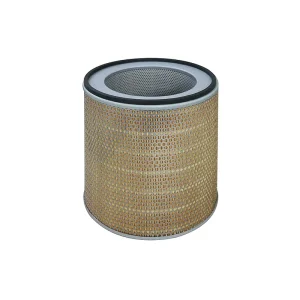
Peru's mining centers (located in regions like Ancash, Arequipa, and Cusco) operate at elevations exceeding 3,500 meters. Thin air decreases air density, altering the performance curves of rotary screw compressors. Lower air density changes the mass flow rate and makes thermal regulation difficult. Our filter elements are engineered with high-porosity media to ensure minimal initial pressure drop (Δp), preventing the compressor from pulling excessive vacuum, saving critical energy, and avoiding filter collapse.
Andean copper, gold, and zinc mining sites are plagued by extremely abrasive silica and mineral particulate dust. Standard air filters fail prematurely, allowing fine micro-particles to pass through and score the compressor screws. JCTECH replacement elements utilize dual-phase, resin-impregnated cellulose fibers blended with synthetic nano-fibers, catching 99.99% of dust particles down to 2 microns, protecting the air-end and extending lubricant life cycles.
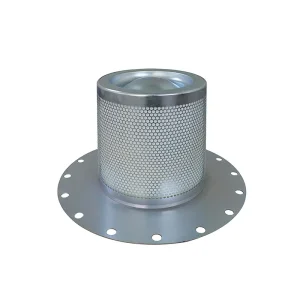
Peru's fishmeal plants and ports along the coast (Callao, Chimbote) suffer from high ambient humidity combined with highly saline air and organic gas contaminants. This mixture leads to rapid corrosion of internal steel structures within typical air-oil separators. JCTECH uses galvanized metal cores or marine-grade stainless steel hardware, treated with rust-resistant passivates, paired with hydrophobic fiberglass media to prevent premature media saturation and degradation.
Shanghai Jiongcheng Industrial Co., Ltd. (JCTECH) is an industry-leading designer and manufacturer operating three major factories in China. Beyond our state-of-the-art filtration factory in Xinxiang, Henan province, we run dedicated operations for advanced lubricant development and distribution.
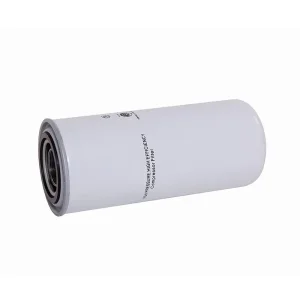
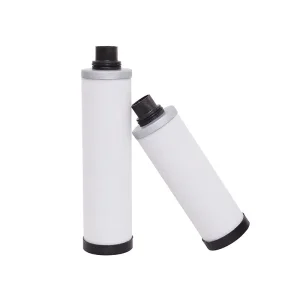
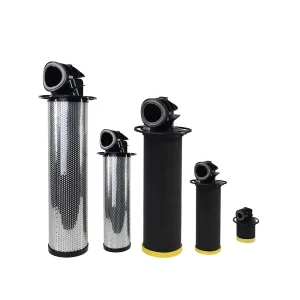
We supply high-efficiency air compressor filters, oil filters, inline filters, and air-oil separators to heavy industries worldwide. Our direct factory access allows us to deliver high-quality filtration replacements engineered exactly to combat local climatic conditions in Peru, Chile, Colombia, and other South American industrial hubs.
View Factory Inspection Reports






By partnering directly with a leading Chinese manufacturer, Peruvian industrial buyers bypass local distributor markup and access customized engineering. Our factories run synchronized ISO 9001:2015 manufacturing processes, utilizing premier materials such as HV (Hollingsworth & Vose) micro-fiberglass media, Ahlstrom filter paper, and high-performance synthetic backings.
This direct-factory linkage yields significant E-E-A-T advantages. Standard local parts suppliers in Peru often offer universal replacements that fail to factor in altitude and moisture changes. We modify the pleating density, wrap strength, and structural metal gauges depending on where the compressor is installed:
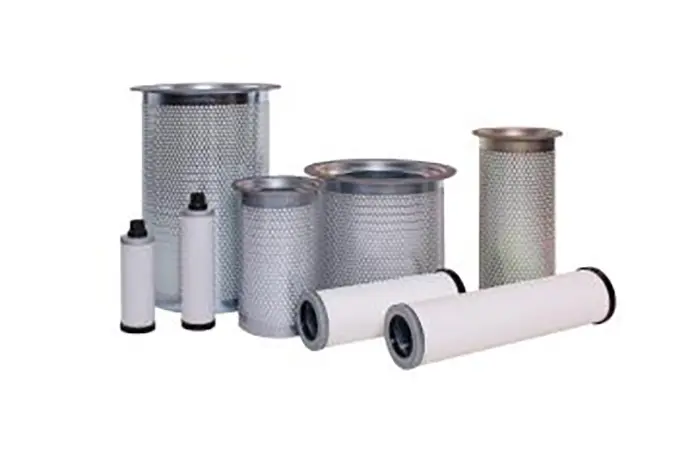

Exceptional After-Sales Service and technical support for complete operational satisfaction across Peru.

Our after-sales engineering team is dedicated to addressing operational issues and providing ongoing guidance.

We offer quick warranty processing and replacement support to resolve performance variations promptly.

We value customer field reports from South America to continuously improve our micro-fiber formulations.
Compressed air systems are critical to Peruvian industrial operations. In mining, they drive pneumatic rock drills, dust control suppression, flotation cells, processing plants, and automation instruments. In coastal regions, they supply fishmeal processing centers, chemical refineries, and bottle manufacturing lines. However, a compressor is only as reliable as its filtration elements. A drop in air-end performance or oil carryover can stall production lines, costing companies thousands of dollars per hour.
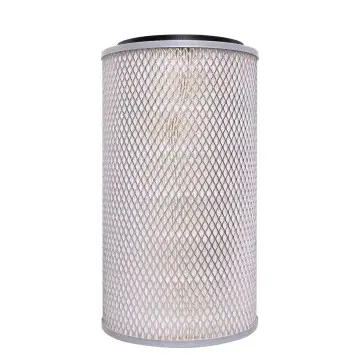
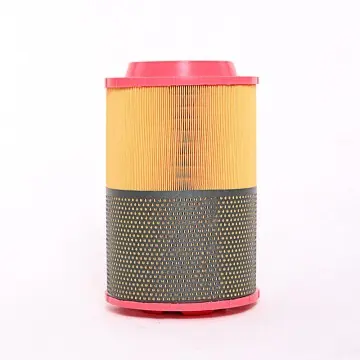
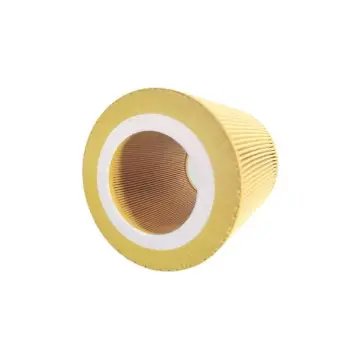
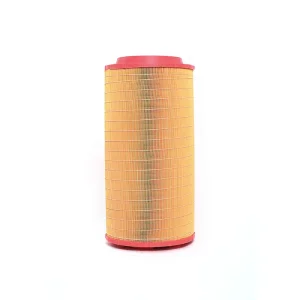
Efficient air intake filtration is the first line of defense. Standard air filters catch larger dust particles, but fine micro-dust under 3 microns bypasses low-quality cellulose media. When these particles reach the compressor body, they mix with the lubricating oil, turning it into an abrasive polishing paste that degrades screw rotors.
JCTECH elements feature graduated multi-layer structures. Larger particles are trapped on the outer layers, while smaller particulates are caught by the dense inner micro-fiber matrix. This prevents quick clogging and extends the life of the compressor oil and subsequent oil filters.
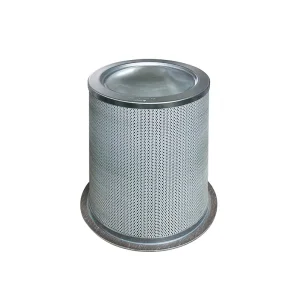
The air-oil separator is critical for ensuring clean compressed air and minimizing oil consumption. Under high velocity, oil aerosols are mixed into the compressed air. As this mixture passes through the separator element's glass fiber layers, small oil droplets merge (coalesce) into larger drops, which gravity pulls down to the collection point to be recycled back into the lubrication system.
If the separator has weak structure or low-grade glass fibers, oil carryover can spike above 3 ppm (parts per million). High oil carryover leads to lubricant loss, requiring frequent oil top-offs and contaminating downstream equipment. Our separator replacements are designed to maintain residual oil content below 1-3 ppm under standard operating pressures.
A key metric for compressor efficiency is differential pressure (Δp). A higher pressure drop across the filter requires the motor to work harder, increasing energy draw. For large-scale industrial plants in Peru, a permanent increase of just 0.1 bar in differential pressure can raise electricity costs significantly over a year.
Our filter elements are designed with high-surface-area pleating. This maximizes the media area exposed to airflow, reducing initial differential pressure and keeping energy consumption low throughout the filter's service life.
Thin mountain air means the compressor must pull in a larger volume of ambient air to deliver the required compressed air mass. This increases the speed at which dust is drawn through the filter. JCTECH filters address this with deep-pleated designs that offer up to 30% more surface area, helping maintain normal maintenance intervals even in dusty high-altitude environments.
Due to high coastal humidity and salt spray, we recommend checking differential pressure regularly. Standard separators should be replaced every 3,000 to 4,000 hours, or sooner if the pressure drop exceeds 0.8 to 1.0 bar. Operating beyond this limit can lead to high oil carryover and increased energy consumption.
Yes. JCTECH maintains an extensive cross-reference database containing thousands of OEM part numbers. Our elements match original fit, form, and function for brands like Atlas Copco, Ingersoll Rand, Sullair, CompAir, Kaeser, and more, serving applications throughout Peru.
We work with international logistics providers to offer FOB, CIF, or DDU shipping. We provide complete commercial documentation, including certificates of origin and detailed packing lists, to ensure smooth customs clearance at Callao and other ports of entry.
We use high-grade borosilicate micro-glass fiber media from H&V. This material has excellent coalescing properties, allowing it to remove microscopic oil aerosols down to sub-micron sizes, keeping downstream oil contamination below 3 ppm.

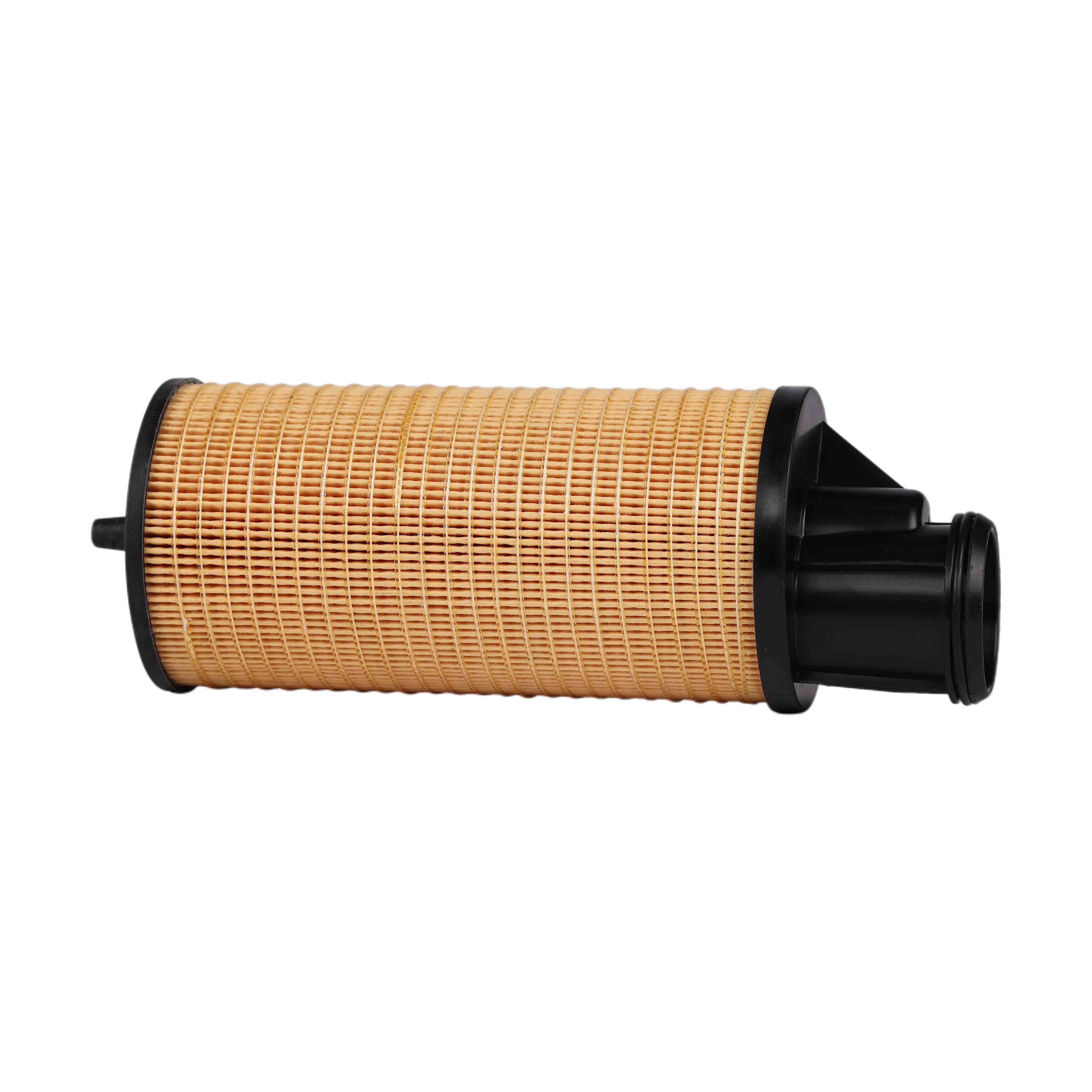
JCTECH has achieved a key milestone in compressor component R&D with our newly developed 24900342 external oil-air separator replacement.
Read More →
In heavy industrial operations, the intake filter, oil filter, and separator act as the main line of defense for stable air output.
Read More →
Oil-gas separation elements are designed to separate hydrocarbons from process air, which is critical for clean pneumatic lines.
Read More →Reach out to our engineering team. We provide compatibility checks and technical consultation for operations in Peru.
Our team will respond to technical inquiries within 24 business hours.
Our technical experts are ready to assist with sizing and material selections.
 Jiong Cheng