
Exceptional technical assistance and direct line service engineered to guarantee total processing satisfaction.

Our global responsive support team is fully focused on solving configuration issues and offering product longevity support.

We provide long-term replacement guarantees and robust repair assessments to maintain maximum operations uptime.

We analyze industrial user insights on filter performance to push structural enhancements in raw material R&D.
In the modern manufacturing spectrum, clean and hydrocarbon-free compressed air is a foundational utility. Rotary screw and vane air compressors depend heavily on the continuous performance of separator elements to isolate lubricating fluid from the output airflow. Without reliable separator elements, oil aerosol carryover can quickly damage pneumatic controls, pollute automated valves, ruin product batches, and lead to massive environmental cleanup operations.
As heavy industries transition toward automated processes and high-efficiency operations, the demand for precision air-oil separators has grown exponentially. According to global industrial energy analyses, compressed air systems consume up to 10% of all industrial electricity worldwide. Consequently, keeping differential pressure (ΔP) low within the filtration system directly translates to reduced energy consumption and lower carbon emissions. By specifying high-grade glass fiber media and structural mesh, facilities can minimize drag and decrease the compressor load.
Separating tiny oil droplets from a moving air stream involves two key methods: mechanical pre-separation and secondary micro-glass filtration. As the pressurized oil-air mixture enters the separator vessel, centrifugal forces drop the heavy oil particles out of the air stream. The remaining micro-droplets, ranging from 0.1 to 3 microns in size, pass through the filter media.
Inside the multi-layered micro-glass structure, separation relies on three main physics principles: direct interception, inertial impaction, and Brownian diffusion. As air flows through the microscopic pathways, droplets run into the glass fibers and combine. Over time, these small particles merge into larger droplets that gravity pulls down to the bottom of the separator element. From there, a scavenger tube returns the collected oil back to the compressor’s lubrication circuit.
China's manufacturing infrastructure has evolved from high-volume assembly lines to precise, automated production. The filtration manufacturing base in Xinxiang, Henan province, works closely with advanced testing labs in Shanghai. This integration allows for rapid prototyping, precise media selection, and strict quality control on every production run.
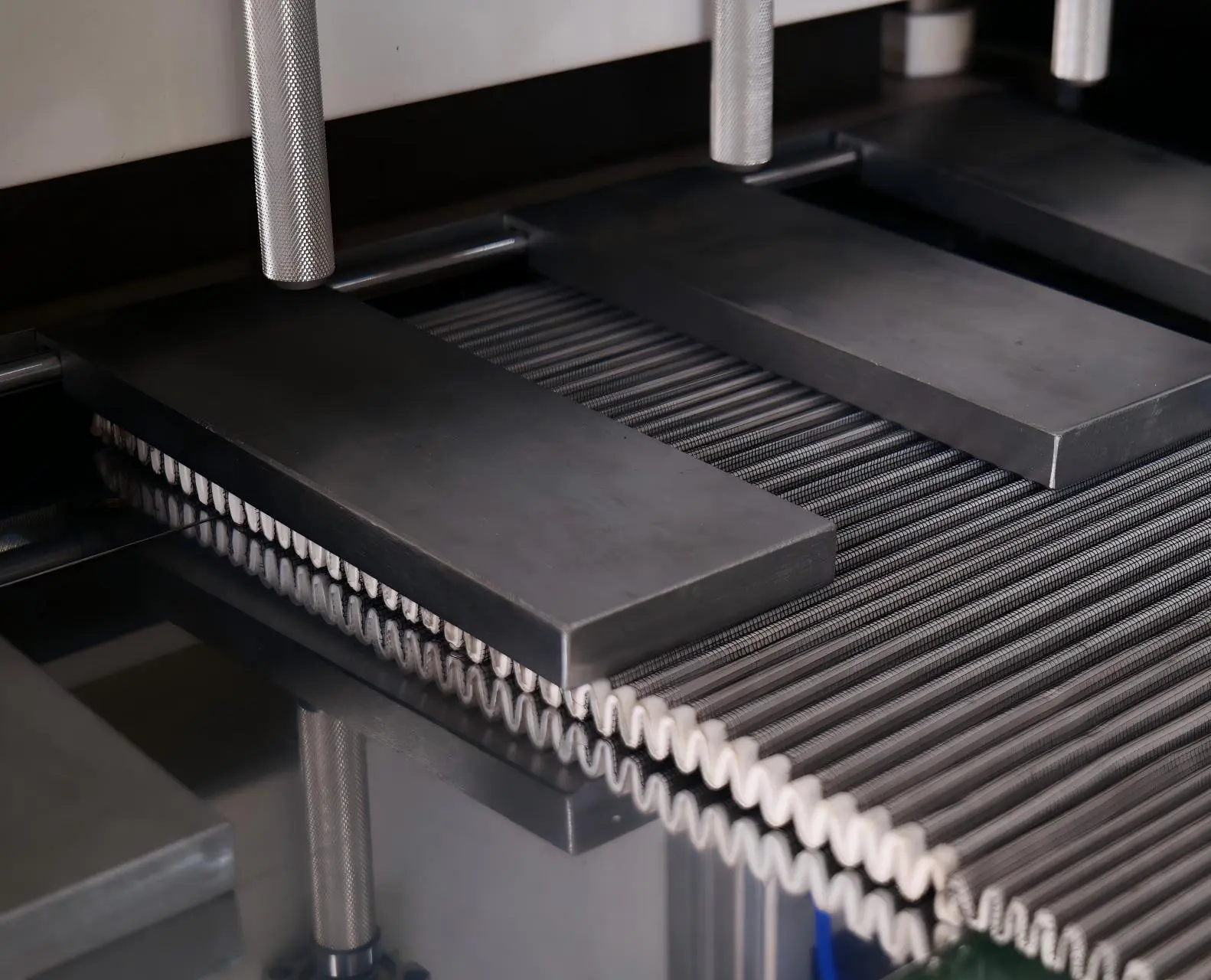
By using automated pleating machinery, computer-controlled end-cap welding, and reliable German-engineered glass fibers, Chinese factories deliver stable, high-performance OEM replacements. These facilities use ISO 8573-1 air testing facilities to verify residual oil concentrations, ensuring each separator maintains less than 3 ppm of oil carryover under dynamic operating pressures. Additionally, optimized logistics and vertical supply chain integration mean faster delivery times and a lower total cost of ownership for buyers worldwide.
Standard separator elements may not perform well in extreme working conditions. For example, maritime installations deal with salty air that can quickly corrode standard metals, requiring stainless steel inner support structures and corrosion-resistant end caps. Similarly, desert mining setups face high dust loads, which means separators need multi-layered pre-filters to prevent premature clogging.
In sectors like pharmaceuticals and food processing, air-oil separators must be completely compatible with synthetic food-grade lubricants. These synthetic oils have different surface tensions and chemical makeups than standard mineral lubricants, which can cause conventional adhesives to break down. Our design engineering team customizes the adhesive compounds and media densities to match the exact oil type used, preventing structural failures and ensuring high-purity air flow.
Established as a leader in high-performance industrial filtration, JCTECH operates three dedicated manufacturing factories. Aside from our traditional filter factory in Xinxiang, Henan province, we founded and developed our own lubrication division. This allows us to supply specialized air compressor lubricating oils globally, ensuring the media in our separator elements is chemically matched with the oil for peak efficiency.
Our core mission is to reduce maintenance frequency, prevent equipment wear, and lower operating costs for our clients. Through years of research, we have built a catalog of aftermarket and OEM-matched filters that meet or exceed original equipment standards.
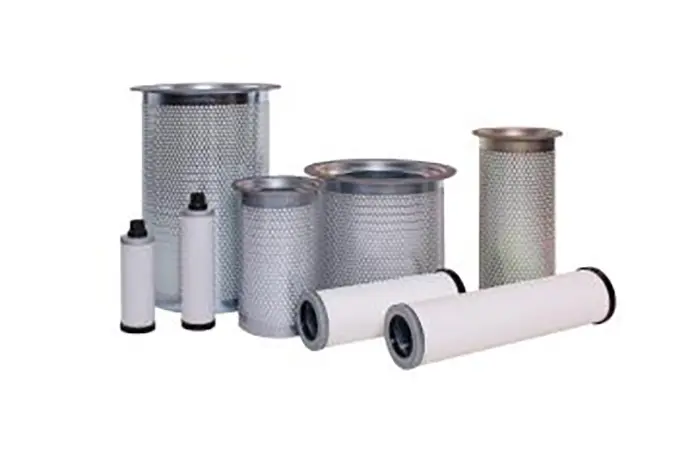
Air compressor oils behave differently depending on temperature, humidity, and local air quality. A separator media that works well in cold, dry climates can struggle in warm, humid coastal regions.
At JCTECH, we look at your local operating conditions to help you choose the right separator element. By matching the filtration media with your specific oil type and environment, we help you lower operational wear, extend service intervals, and reduce maintenance costs. All of our custom parts are backed by a comprehensive warranty.















High oil consumption usually points to a damaged or clogged oil separator, an incorrect oil level, a blocked scavenger line, or separator media that is incompatible with the synthetic oil type being used.
As filter media fills with dust and particulate matter, differential pressure increases. A 1-bar increase in pressure drop forces the compressor motor to work harder, raising overall system energy consumption by roughly 6-8%.
OEM-spec elements are built to handle exact flow dynamics, operating pressures, and mechanical clearances. Generic filters often use lower-grade paper or glue, which can lead to higher oil carryover, shorter service life, or filter failure.
We use built-in grounding pins and conductive materials in our metal end caps. This continuously drains static electricity away, avoiding sparks inside the separator vessel that could ignite oil mist.
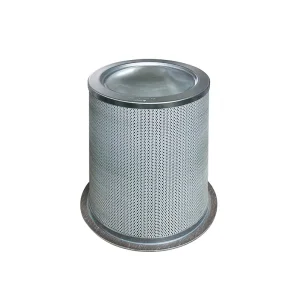
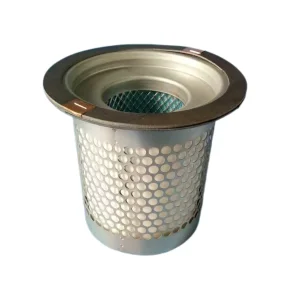
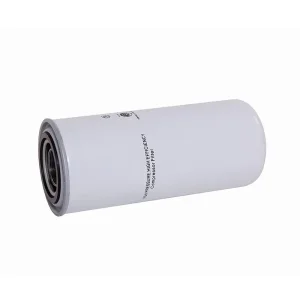
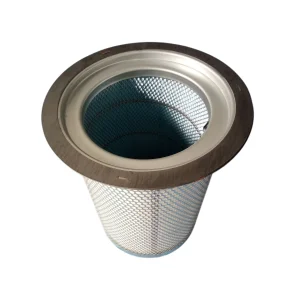
Spin-on separators are ideal for compact systems with lower flow rates due to their quick replacement design. Larger systems with high flow rates require wrap-type cartridges for their superior structural support and larger filtration area.
Under standard operating conditions, our separator elements perform reliably for 4,000 hours. This window can shorten in heavy dust environments or extend with regular air and oil pre-filtration maintenance.
Yes. Some synthetic lubricants contain ester chemicals that can soften standard adhesives. JCTECH uses specialized epoxy and polyurethane compounds that resist chemical breakdown, ensuring the filter stays intact.
Our separators are manufactured and tested in accordance with ISO 8573-1 air quality criteria, meeting ISO 9001 and ISO 12100 engineering standards to ensure high reliability in industrial applications.
JCTECH has launched the 24900342 external oil separator replacement, designed to lower energy consumption and drop-in pressure in large compressor systems.
Learn MoreA deep dive into how air filters, oil filters, and separators work together to protect downstream equipment and maintain clean air supply.
Learn MoreAnalyzing the mechanics of how coalescer systems remove oil droplets and hydrocarbons to clean air discharge and protect the environment.
Learn More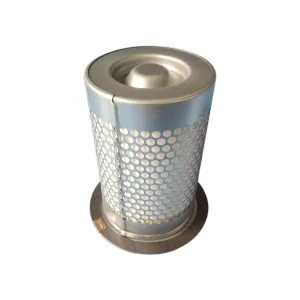
Contact our engineering support team to request structural designs, flow analysis, and volume quotes.
 Jiong Cheng

