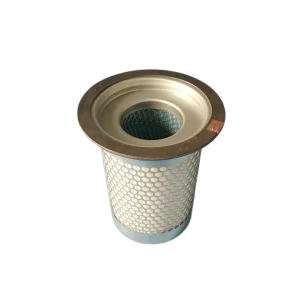
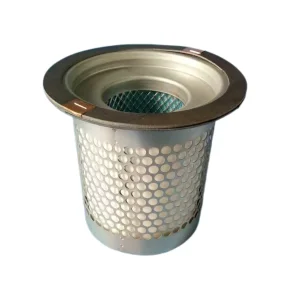
In modern manufacturing ecosystems, compressed air is often referred to as the "fourth utility." From high-throughput automotive assembly lines to sensitive sterile environment cleanrooms in biotechnology, the stability, efficiency, and cleanliness of compressed air loops directly affect overall equipment effectiveness (OEE). High-precision air filtration systems and oil-gas separation elements represent the core baseline technologies that prevent systemic machinery degradation, pneumatic tool clogging, and end-product contamination.
From a macroeconomic perspective, industrial operators face compounding pressures to reduce carbon footprints under global net-zero frameworks, such as the EU Corporate Sustainability Due Diligence Directive (CSDDD) and ESG-focused energy compliance rules. Compressed air systems typically account for 10% to 30% of an industrial facility's electricity consumption. Within these configurations, a minute pressure drop across a clogged, low-quality air filter can translate into exponential energy wastage. Specifically, every 100 mbar (1.45 psi) of additional pressure differential over the filter media forces the air compressor's motor to draw roughly 1% more electrical energy.
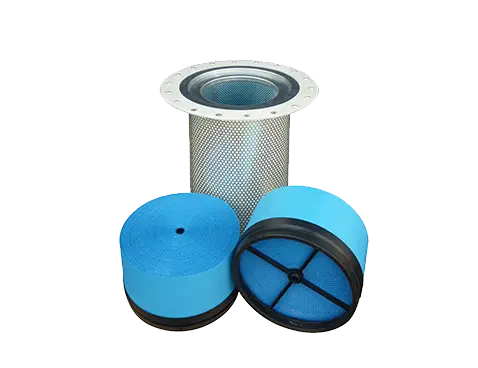
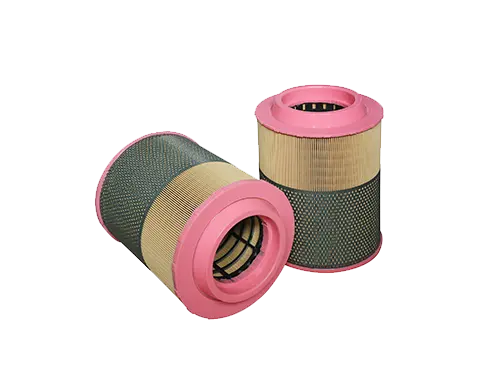
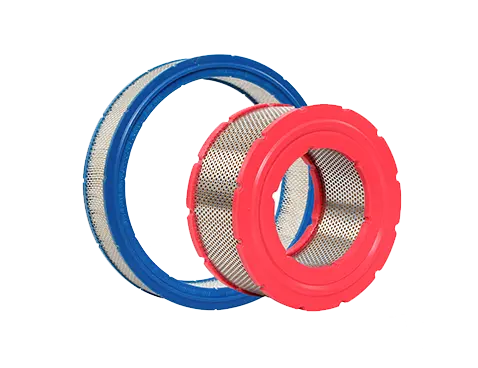
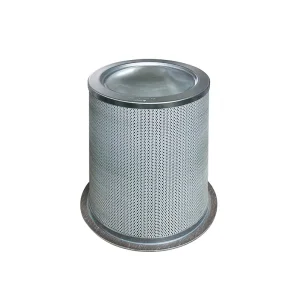
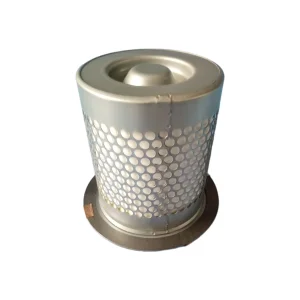
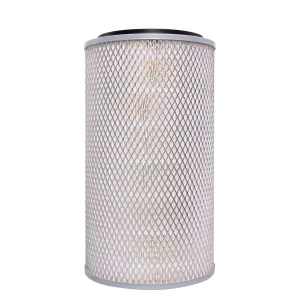
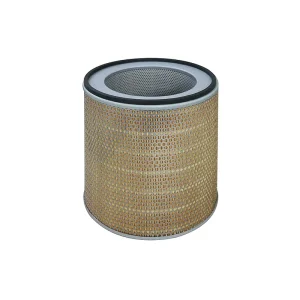
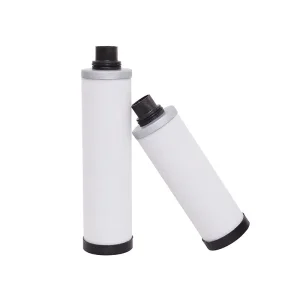
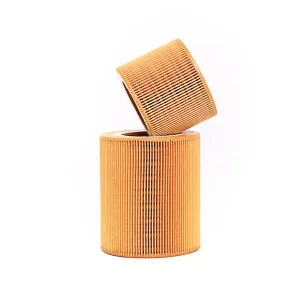
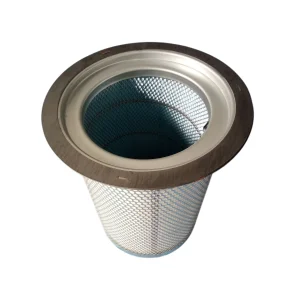
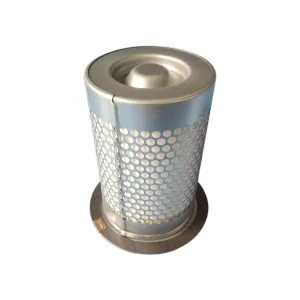
This is where OEM Precision Air Filters and Air-Oil Separators engineered with advanced materials play a vital role. By deploying multi-layered, low-flow-resistance glass fiber and wood pulp media, state-of-the-art filtration elements sustain high dust-loading capacity and sub-micron capture efficiency while maintaining a minimal differential pressure (Δp) curve. Our industrial-scale filtration and separation solutions are structurally optimized to operate under challenging flow profiles, safeguarding upstream compressor rotary screws, keeping lubricant loops pristine, and assuring downstream processes comply with strict particulate classification guidelines.
The global market for industrial precision filtration elements exhibits dynamic requirements governed by regional compliance, environmental policies, and industrial structure. In Europe, strict CE directives, Pressure Equipment Directive (PED) 2014/68/EU, and ISO 8573-1 air purity regulations mandate high-level filtration, pushing enterprises toward 3-stage filtration systems (coarse particle pre-filtration, micro-coalescing filtration, and activated carbon vapor adsorption). In North America, the ASME pressure vessel standards and EPA environmental frameworks drive demand for heavy-duty, corrosion-resistant air-oil separators capable of keeping oil carryover below 1–3 ppm.
In developing regions, such as Southeast Asia, Latin America, and India, rapid manufacturing expansions and the establishment of smart factories demand robust, cost-effective OEM options. These companies look to high-quality China suppliers like JCTECH (Shanghai Jiongcheng Industrial Co., Ltd.) to supply drop-in replacements that match or exceed original equipment manufacturer specifications for brands like Atlas Copco, Ingersoll Rand, Sullair, Kaeser, and Quincy.
Global supply chain vulnerabilities highlighted during the past few years have shifted procurement strategies from "Just-in-Time" to "Just-in-Case." For operations running continuously (24/7/365), delayed replacement parts can lead to catastrophic losses. By establishing robust partnerships with multi-factory OEM suppliers, global engineering distributors and end-users ensure component availability, reduced lead times, and stable pricing structures.
Standard off-the-shelf air filters often fail when subjected to localized extreme operating conditions. Understanding specific workplace environments is critical to configuring the correct filtration material:
The efficiency of an air-oil separator is fundamentally determined by the physics of aerosol coalescence. When hot, compressed oil-gas mixture enters the separator, it contains oil droplets ranging from large splashes (10–100 µm) to fine aerosols (0.01–1 µm). Traditional barrier filtration cannot efficiently remove the sub-micron aerosols.
Our OEM replacements employ a multi-layered structure combining high-grade borosilicate micro-glass fibers sourced from leading global manufacturers. The filtration process occurs in three distinct phases:
Once captured, the minute droplets migrate along the intersecting glass fibers, merging into larger liquid drops (coalescence). Guided by gravitational forces, these heavier droplets slide down the downstream layer of the separator, collecting in the oil return sump where they are returned to the lubrication circuit by the compressor’s scavenge line.
The industrial filtration sector is transitioning from passive containment replacement parts to active, intelligent system nodes. In the coming decade, we anticipate several technological shifts:
1. Intelligent Differential Pressure Monitoring: Real-time, IoT-integrated sensors embedded within the filter end-caps will transmit continuous pressure drop, temperature, and moisture data to the plant’s Centralized Energy Management System (CEMS). This allows for dynamic predictive maintenance modeling rather than static scheduling.
2. Bio-Based and Eco-Friendly Media: As corporations align with international ESG criteria, the demand for compostable, bio-based fiber matrices with lower carbon footprints during manufacture will grow. Research is underway to develop high-strength natural fiber composites that match the structural integrity of synthetic polymers under high-temperature oil contact.
3. Nano-Textured Surfaces: Incorporating electrospun nanofibers onto substrate surfaces creates a surface-filtration membrane, preventing fine dust from embedding deeply within the filter media. This allows for easier cleaning cycles, longer operational lifetimes, and lower overall flow resistance.

Exceptional After-Sales Service for Complete Satisfaction.

Our after-sales team is dedicated to addressing any issues and providing ongoing support.

We offer warranty and repair services to address any product issues promptly and effectively.

We value customer feedback and continuously improve our products and services based.
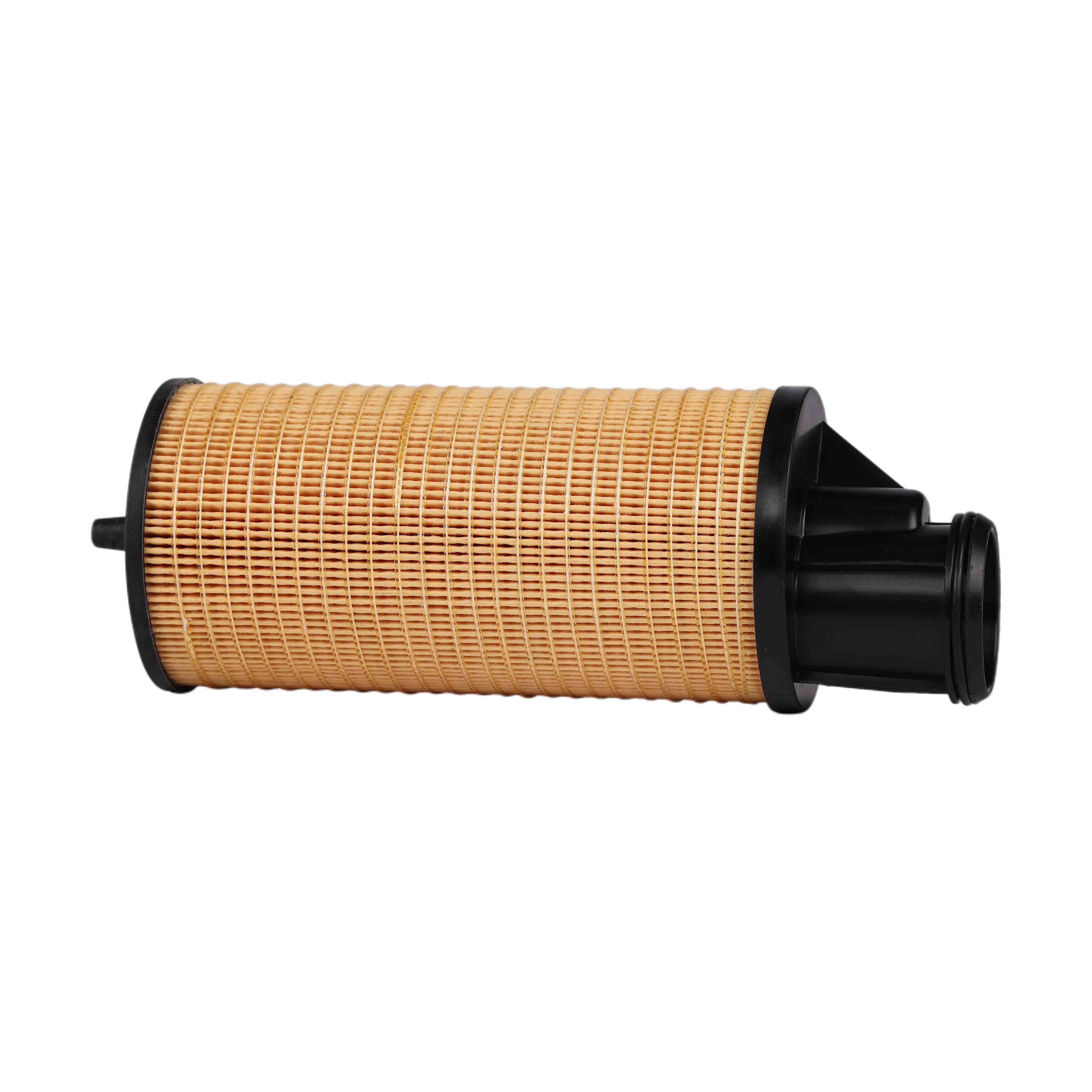
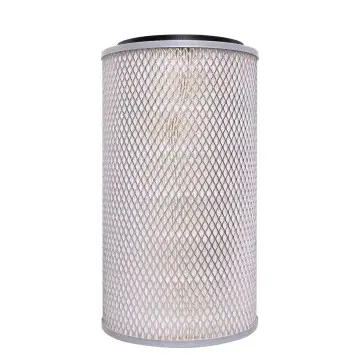
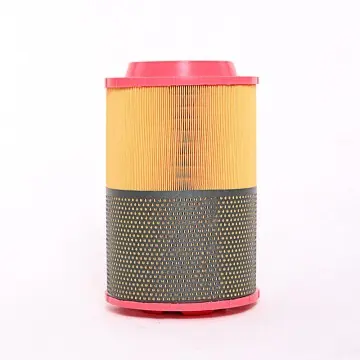
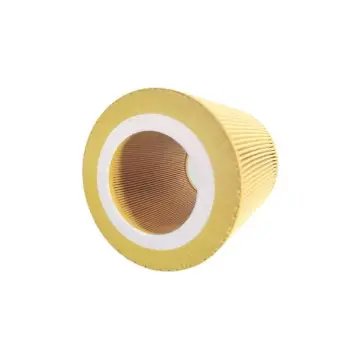
JCTECH is a company with three manufacturing factories. Besides the traditional filter factory in Xinxiang, Henan province, its lubricant system was founded and started supplying air compressor lubricant oil to China and other countries in the world.
View more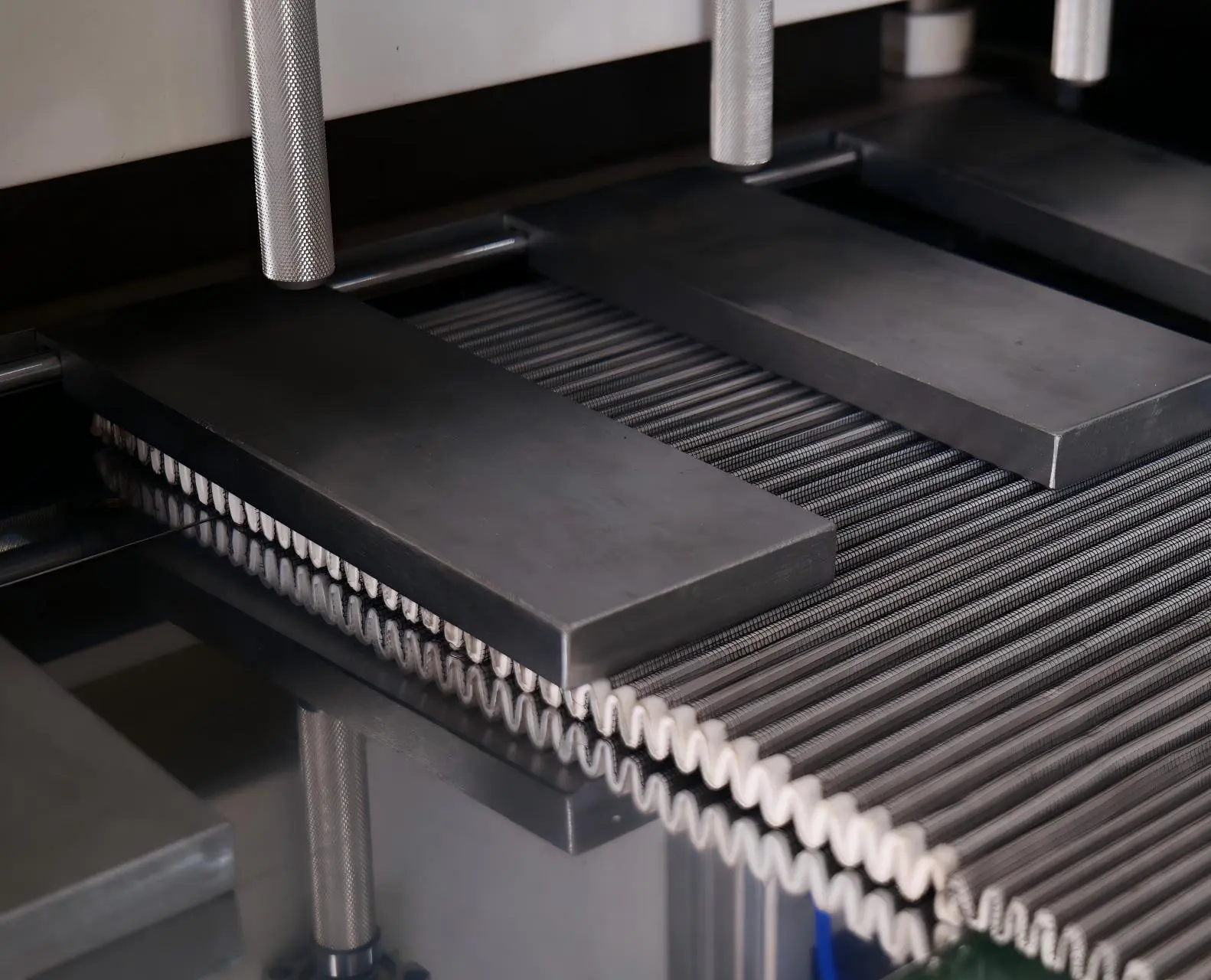
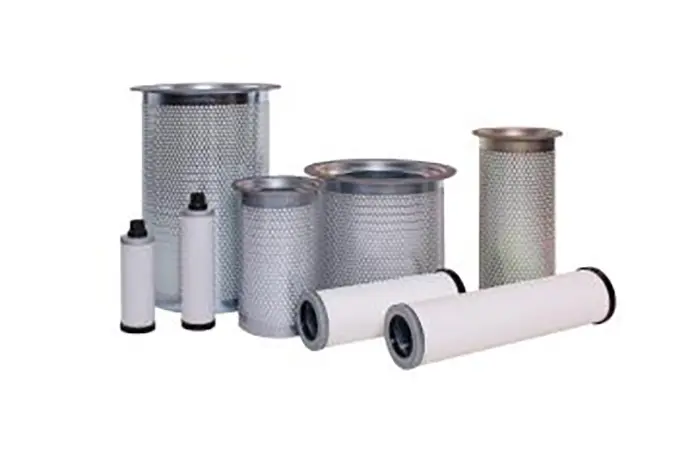
We can select the appropriate filter element for you according to the working conditions on your site. The oil used in different working conditions is very different. Their manufacturing materials are also different. Our goal is to reduce the number and cost of air compressor maintenance for customers. We also have a warranty period, please consult us for details.
READ MORE














Our engineering experts are available to analyze your custom requirements, provide exact cross-reference tables, and offer competitive direct factory pricing.
Our experts will solve them in no time. Reach out via email or phone call for immediate technical validation.
Recently, JCTECH has achieved another major breakthrough in the R&D of core accessories for air compressors - the newly developed 24900342 external oil separator replacement...
learn moreIn the roaring air compressor system, air filter, oil filter, oil-gas separator filter and other components are like precise and silent guardians.
learn moreOil separators are essential devices designed to separate oil, grease, and hydrocarbons from water. This seemingly simple task is crucial for a variety of reasons.
learn more
 Jiong Cheng