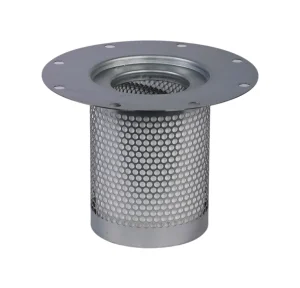
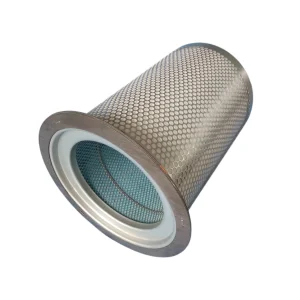
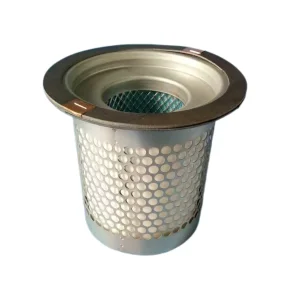
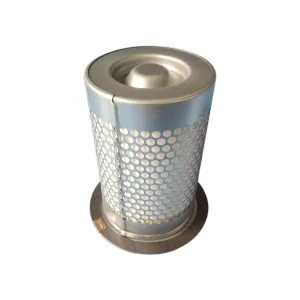
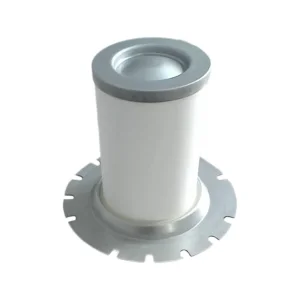
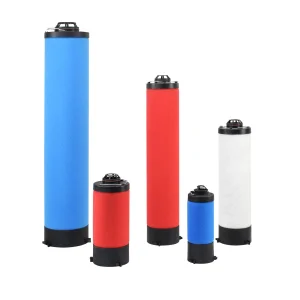
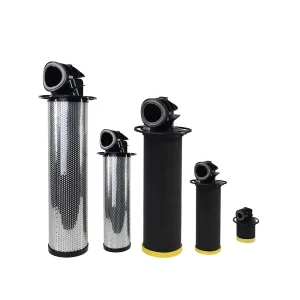
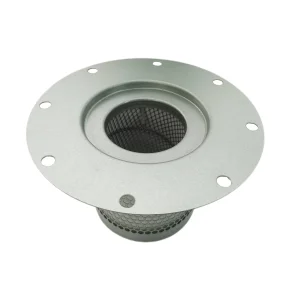
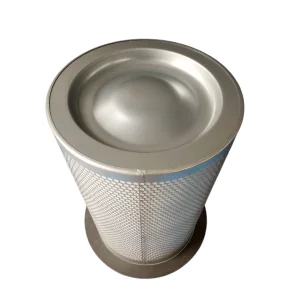
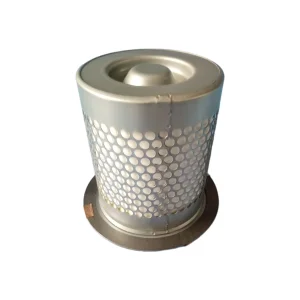
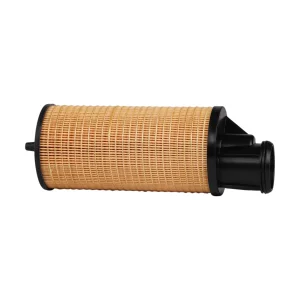
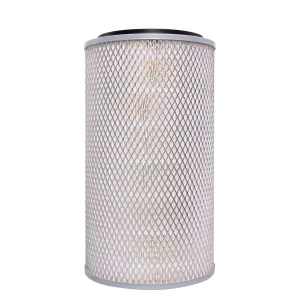
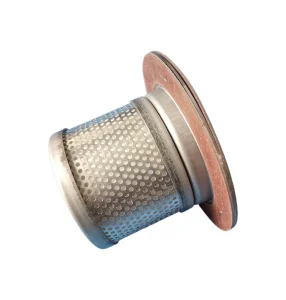
In the modern era of industrial automation, "Green Air Filtration" refers to more than just environmental compliance—it represents a paradigm shift in Energy Efficiency (EE) and operational longevity. As top-tier OEM Green Air Filter Manufacturers, we recognize that every PSI drop across a filter element correlates directly to electrical energy consumption. Our engineering philosophy centers on low-pressure-drop, high-efficiency media configurations.
The global compressed air industry is transitioning toward decarbonization. Factories worldwide are under increasing pressure to reduce their carbon footprint. By optimizing filtration systems, industrial facilities can achieve a 2-5% reduction in total compressor energy expenditure. We provide OEM solutions that ensure your equipment meets global standards, regardless of geographic location.
Global operations require local compliance. Our filters are manufactured to meet diverse international standards, including ISO 8573, REACH, and RoHS protocols. Whether your facility operates in North America, Europe, or the Asia-Pacific, our supply chain ensures that technical specifications and material safety data sheets (MSDS) are harmonized with local regulations.
Our R&D department is currently scaling "nanofiber gradient media." This technology allows for superior contaminant capture without the massive pressure penalty found in conventional glass fiber alternatives. Future-proofing your compressor room means integrating sensors that communicate with intelligent filtration systems—a capability we are actively deploying in our latest filter series.
Green filtration is not "one size fits all." We analyze the specific environmental variables—such as humidity in coastal regions or particulate concentration in manufacturing zones—to recommend the exact micron rating and media composition required for your specific operational health.
A: A green air filter prioritizes energy efficiency through reduced pressure differential (ΔP). This reduces the load on the compressor motor, leading to lower electricity consumption and reduced greenhouse gas emissions over the filter's lifecycle.
A: OEM equivalence ensures exact fitment, bypass valve pressure compliance, and material compatibility with compressor lubricants. Generic alternatives often lack the rigorous testing required to prevent catastrophic compressor failure.
A: While the standard is 2,000 to 4,000 hours, we advise monitoring based on pressure differentials. High-dust environments may require shorter intervals to maintain peak "Green" efficiency.
 Jiong Cheng