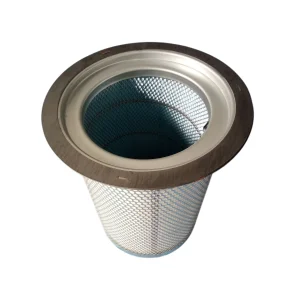
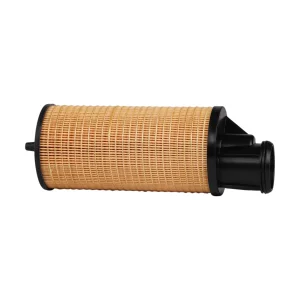
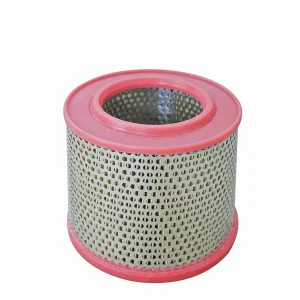
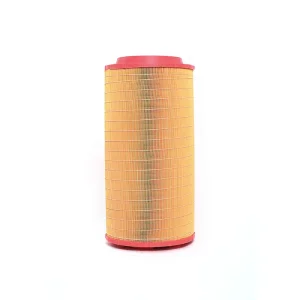
In the modern industrial landscape, compressed air is often referred to as the "fourth utility." However, the purity and efficiency of this utility are entirely dependent on the integrity of the filtration system. As a specialist in OEM-grade compressor filters, we understand that filtration is not just about protection; it is about performance optimization, energy cost reduction, and extended equipment service life.
Global industrial standards (such as ISO 8573-1) mandate strict quality controls for compressed air. Our technological roadmap focuses on three core pillars: Micro-fiber glass substrate integration, differential pressure reduction, and oil-aerosol separation efficiency. By migrating from legacy paper-based elements to advanced synthetic nanofiber media, our factory produces filters that reduce energy consumption by up to 5% annually, directly impacting your ESG (Environmental, Social, and Governance) scores.
The challenge of global procurement lies in balancing quality with lead times. Our supply chain strategy utilizes localized manufacturing hubs to ensure compliance with REACH and RoHS regulations while mitigating the risks associated with global logistics. Whether you are in Southeast Asia, the Middle East, or Europe, our high-quality China-based manufacturing facilities leverage economies of scale to deliver OEM-compatible components that match the specifications of global brands like Atlas Copco, Ingersoll Rand, and Sullair.
A: Our high-quality replacements are engineered to meet or exceed original OEM specifications. Using advanced pleating technology and high-efficiency filtration media, our filters provide equivalent micron-level protection and airflow, ensuring your compressor operates at optimal capacity without voiding warranties when properly installed.
A: High differential pressure is the primary cause of energy waste in compressors. Our filter elements are designed to minimize initial pressure drop and maintain low resistance throughout their service life, effectively reducing electricity consumption and thermal stress on the air end.
 Jiong Cheng