 Jiong Cheng
📈 Global Industrial Outlook: The Shift to High-Efficiency Air Separation
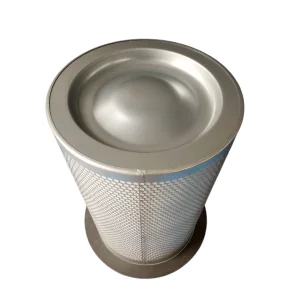
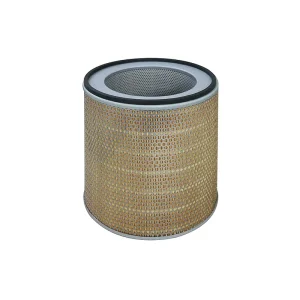
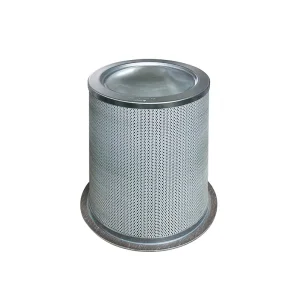
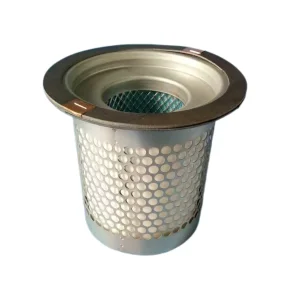
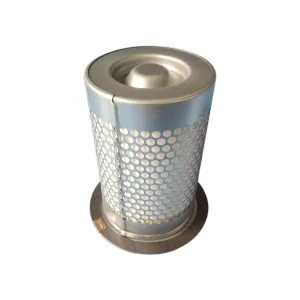
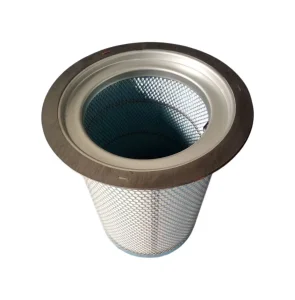
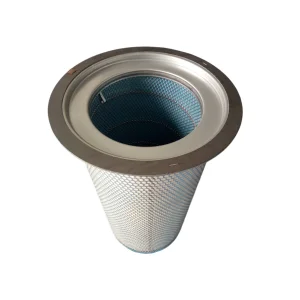
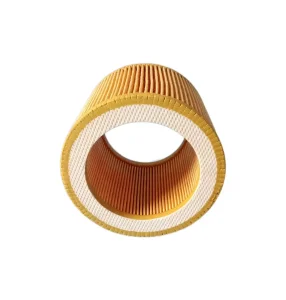
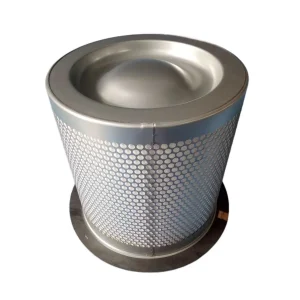
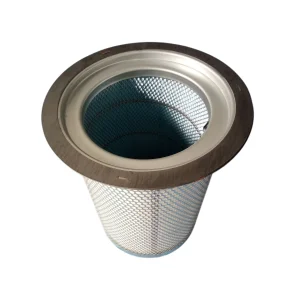
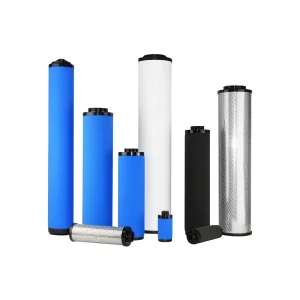
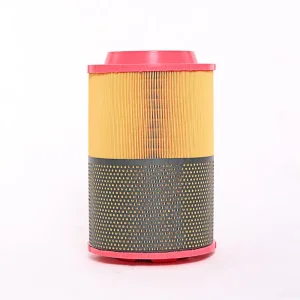
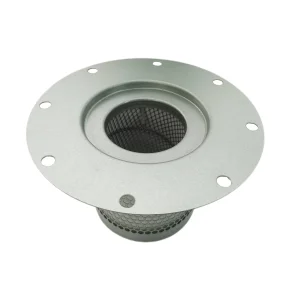
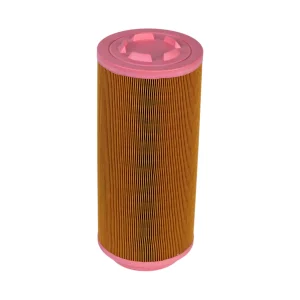
In the modern manufacturing landscape, the role of Air Separator Filters (oil-gas separators) has transcended basic filtration. As industries aggressively pursue decarbonization, compressed air systems—which consume up to 30% of total plant energy—are under scrutiny. OEM manufacturers are responding with nano-fiber filtration media designed to minimize pressure drop while maximizing separation efficiency to below 3ppm (parts per million).
⚙️ Technical Roadmap: Engineering the Future of Filtration
The core technology in air-oil separation relies on the coalescence principle. Our current R&D focuses on:
- Multi-Layer Composite Media: Integrating glass fiber with non-woven layers to capture microscopic aerosols.
- Pressure Drop Reduction: Implementing aerodynamic filter housing designs to reduce mechanical load on the compressor motor.
- Longevity & Stability: Material durability against thermal degradation in high-temperature operating environments.
🌍 Localized Applications & Industrial Integration
Different industrial climates demand different filtration strategies. In high-humidity coastal regions, our filters are treated with anti-corrosion agents to prevent microbial growth. In high-dust mining sectors, we integrate pre-filtration modules to extend the primary separator's service life, directly impacting the TCO (Total Cost of Ownership).
🛠️ Macro-Industry Solutions
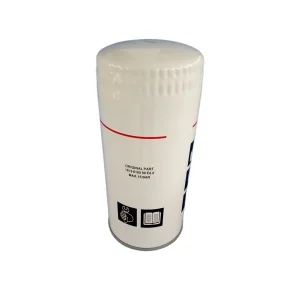
Whether you are in the Pharmaceutical, Food & Beverage, or Heavy Manufacturing sector, the requirement for Class 0 or Class 1 compressed air is non-negotiable. Our OEM factories utilize ISO-certified production lines to ensure that every filter replacement meets or exceeds the specifications of original equipment manufacturers like Atlas Copco, Ingersoll Rand, and Sullair.