Direct from Chinese Factory Manufacturers — Built for High Performance and Long-term System Integrity
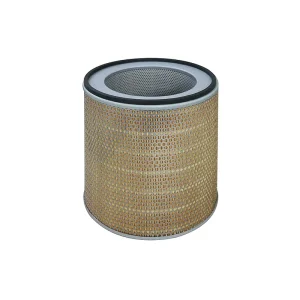
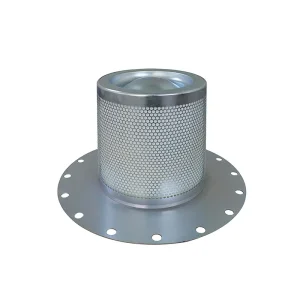
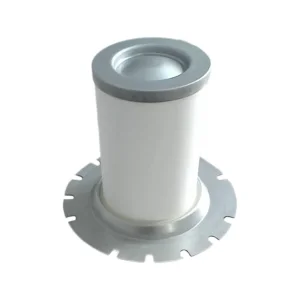
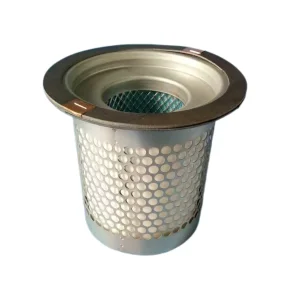
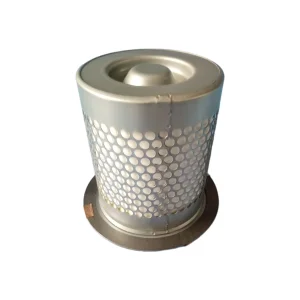
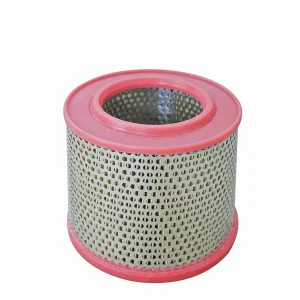
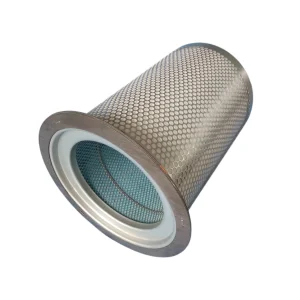
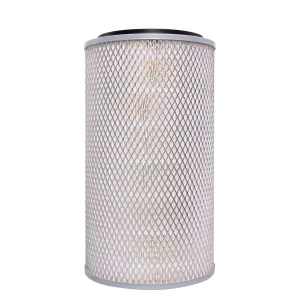
In modern industrial facilities, compressed air system management is increasingly evaluated through the lens of environmental, social, and governance (ESG) compliance, energy conservation, and system lifecycle optimization. As air compressors consume up to 10% of all industrial electricity worldwide, the efficiency of their air intake and separation systems directly impacts a plant's carbon footprint and operational costs.
Over time, atmospheric dust, microscopic soot, chemical emissions, and oil aerosols contaminate filter elements. This increases differential pressure (ΔP), forcing the compressor to consume more power to deliver the required flow rate. For example, a continuous pressure drop of just 0.1 bar across the intake filter can reduce compressor efficiency by approximately 1%, costing large enterprises thousands of dollars annually in energy waste.
Historically, organizations relied on a "replace-on-failure" model. Today, heavy industries are moving toward proactive, cyclic maintenance. Using professional-grade OEM air filter cleaning systems is crucial. These systems allow operators to restore filter media safely without damaging the fiber structure, ensuring cost-efficient maintenance and optimal filtration performance.
Reducing differential pressure across the intake and air-oil separation systems minimizes compressor motor load, lowering energy consumption.
Preventing high-pressure bypass conditions keeps abrasive dust out of precision screw rotors, extending equipment lifespan.
A structured approach of clean-inspect-reuse can double the useful life of premium filtration elements, reducing replacement costs.
The industrial filtration landscape is transitioning from localized component replacement to integrated global supply agreements. Manufacturers demand consistent quality, technical compatibility, and regulatory compliance across international facilities. Regulatory frameworks like Europe’s REACH and RoHS, along with North America’s EPA standards, require that cleanable filtration solutions use non-toxic, biodegradable cleaning agents and maintain structural integrity under high heat and pressure.
At the same time, regional logistics and supply chain disruptions have highlighted the value of reliable, factory-direct partners. Standardizing filtration systems and using OEM replacement media allows plant managers to optimize spare parts inventory and reduce downtime. JCTECH addresses these global market shifts by providing direct access to specialized manufacturing facilities, combining high-quality materials with cost-effective production.
High-performance air compressor filters and separators rely on careful material selection and precise structural design. Using inferior materials can lead to early pressure drops, oil carryover, and potential dust bypass, which can damage rotary screw elements.
| Filter Material Type | Base Media Characteristics | Standard Efficiency Rating | Target Application & Cleanability |
|---|---|---|---|
| High-Efficiency Wood Pulp | Premium cellulose fibers with phenolic resin treatment for moisture resistance. | 99.8% @ 5-10 microns | General air intake; cleanable using low-pressure dry air or dedicated aqueous wash systems. |
| Coalescing Micro-Glass Fiber | Ultra-fine borosilicate glass fibers with high void volume. | 99.99% @ 0.1 microns | Oil mist separation; disposable design due to delicate fiber alignment. |
| Synthetic Composite (Nano-coated) | Polyester base layer with a electrospun surface nanofiber membrane. | 99.97% @ 0.3 microns | Severe dust environments; highly cleanable with excellent pulse-jet dust cake release. |
| Activated Carbon Media | Impregnated synthetic matrix with high active surface area. | Molecular Adsorption | Gas-phase hydrocarbon removal; non-cleanable, must be replaced when saturated. |
Engineered to match or exceed the specifications of major original equipment manufacturers






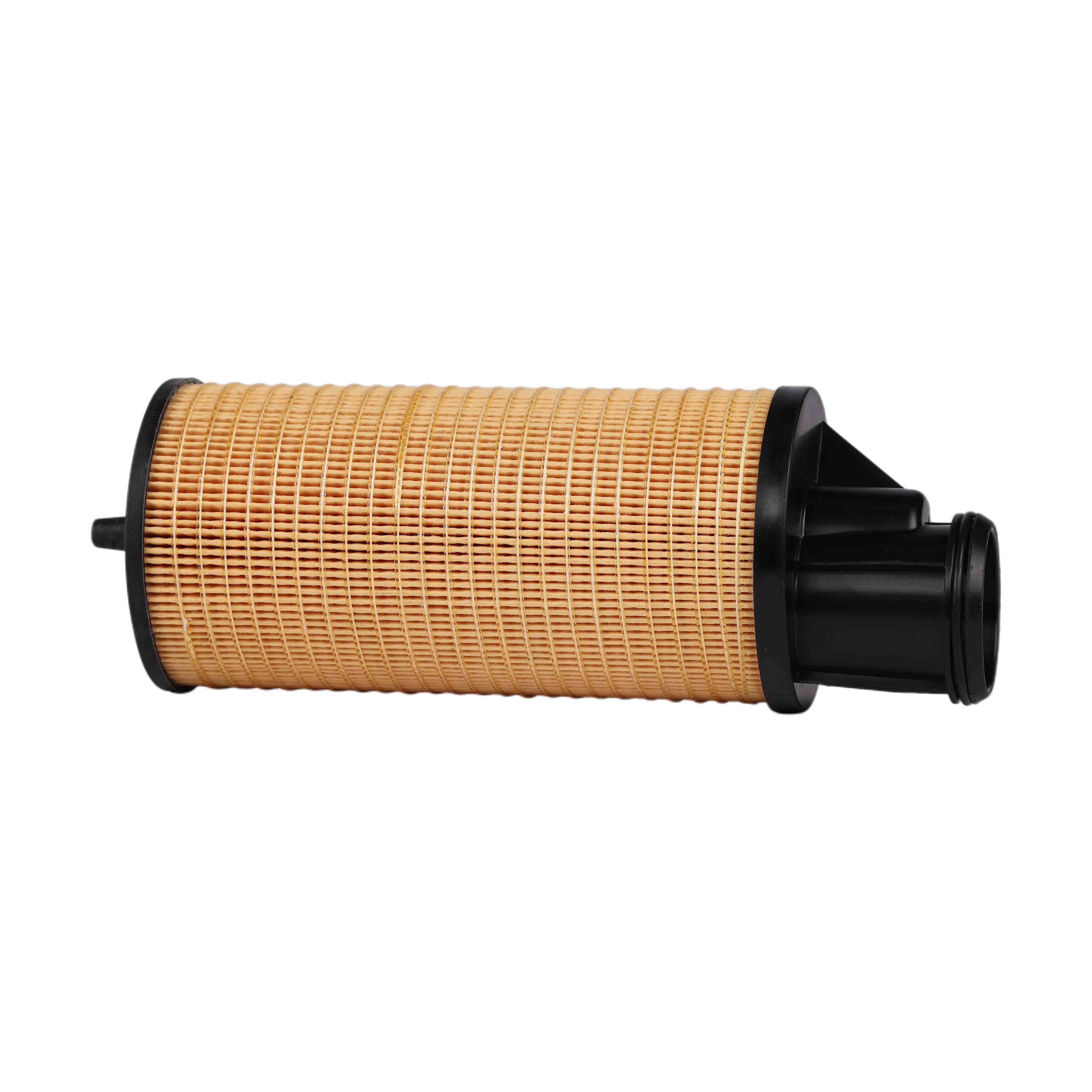
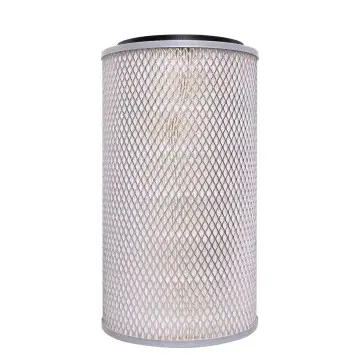
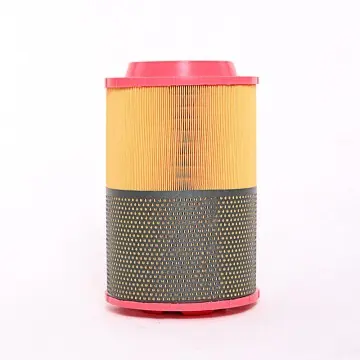
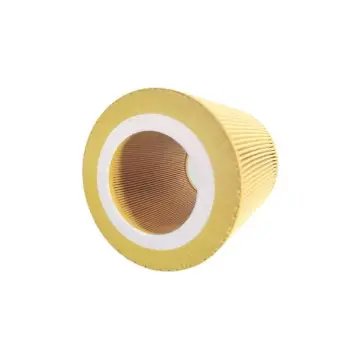
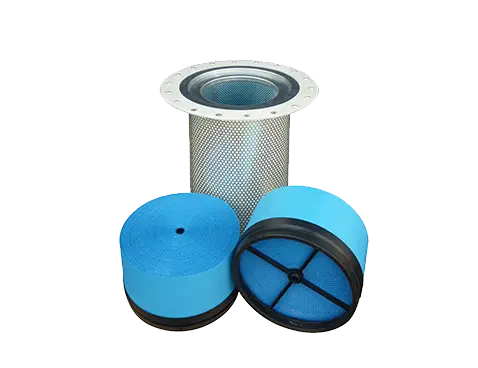
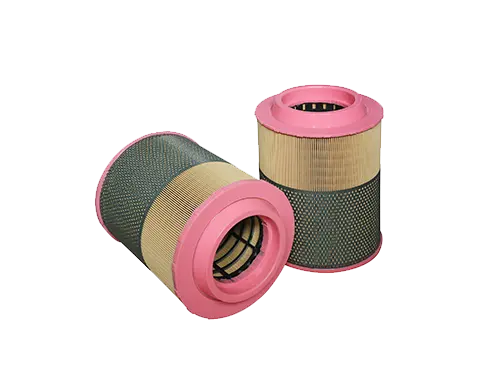
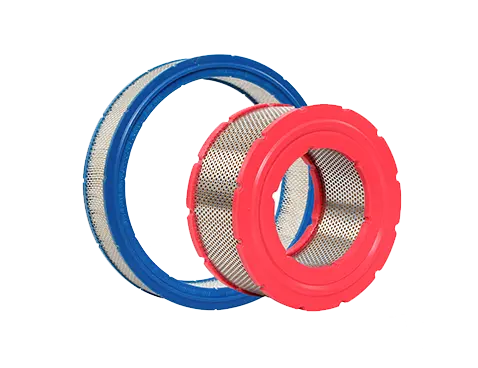
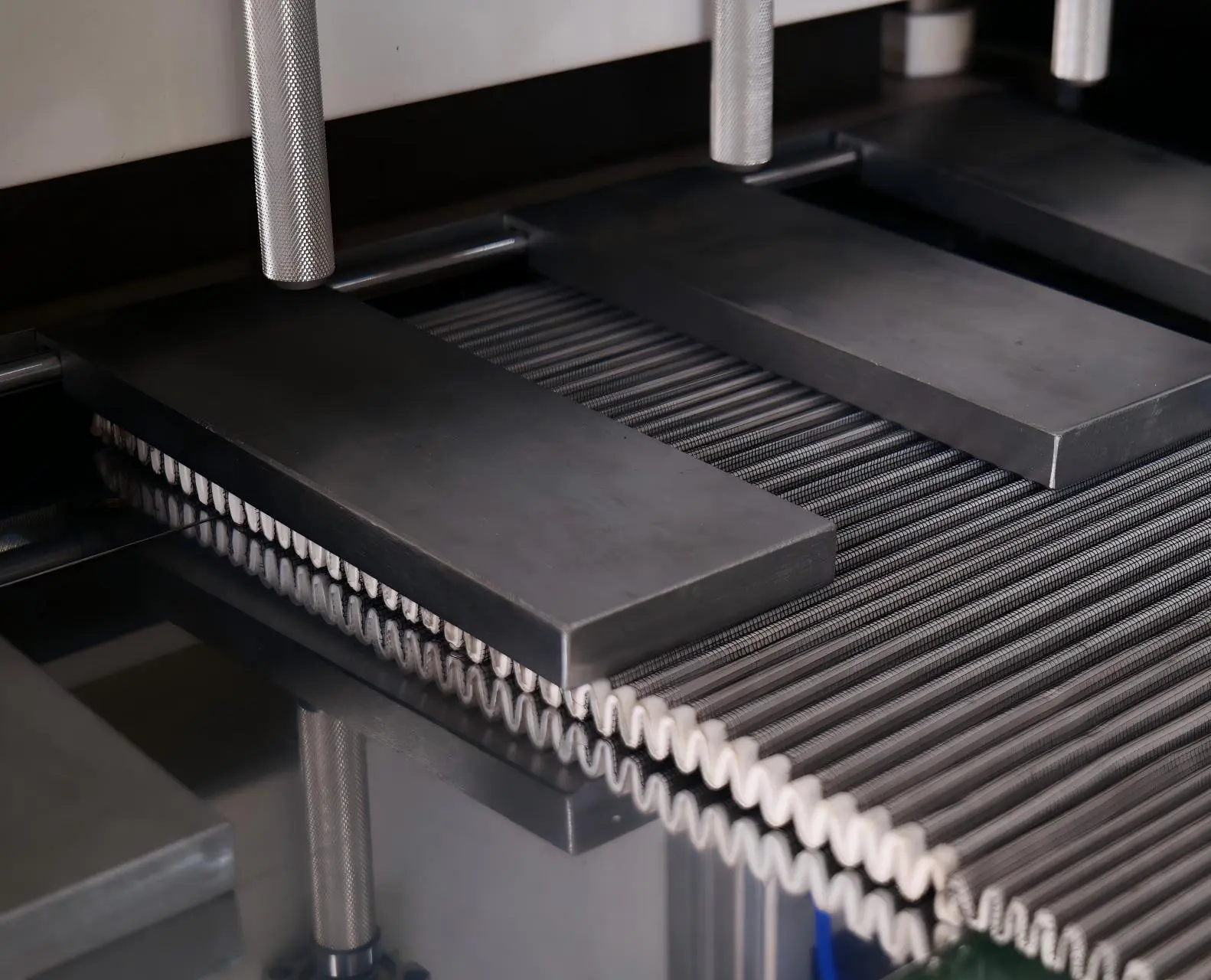
Using a dedicated filter cleaning system is key to extending the life of industrial air intake filters. Cleaning should not simply mean blowing off the outer surface with high-pressure shop air. Improper cleaning methods can tear the cellulose fibers, expand the microscopic pores, and damage the critical thermoplastic hot-melt beads that maintain pleat spacing. When these pleats collapse, air flow is restricted and filtration efficiency drops.
A professional OEM-grade cleaning protocol uses a balanced, multi-stage process:
By implementing this thorough cleaning protocol, industrial facilities can reuse premium filter cartridges up to three times. This maintains air quality, reduces waste, and helps lower overall operating costs.
JCTECH provides comprehensive localization support to help clients meet regional environmental regulations and engineering codes. Our technical teams assist with system sizing, custom media configurations, and regulatory compliance, ensuring all components align with local standards. We maintain strict manufacturing controls, with factories certified under ISO 9001:2015 to guarantee consistent product quality and traceability.

Exceptional After-Sales Service for Complete Satisfaction, ensuring your industrial lines maintain maximum runtime without interruption.

Our after-sales team is dedicated to addressing any technical issues and providing ongoing engineering consultation.

We offer comprehensive warranty and repair services to address product issues promptly, minimizing operational downtime.

We value customer feedback and continuously improve our products and services based on real-world application performance data.
Industrial filtration needs vary significantly based on the operating environment. A standardized filter element that works well in a clean, climate-controlled packaging facility may fail quickly in heavy industrial settings like cement plants, steel mills, or offshore platforms. Tailoring filtration media to specific ambient conditions is essential for reliable operation.
In cement manufacturing and mining facilities, the air is heavily loaded with abrasive mineral dust. Standard paper filters can clog quickly in these environments. JCTECH addresses this challenge by combining robust intake pre-separators with synthetic nanofiber pleated cartridges. These cartridges release dust cakes easily during reverse-pulse cleaning, extending filter life and preventing micro-abrasions on compressor screw rotors.
Offshore platforms and coastal petrochemical facilities expose intake systems to high humidity and corrosive salt spray. Standard cellulose elements can absorb moisture, causing the pleats to swell, collapse, and restrict air flow. For these environments, we use synthetic composite media treated with hydrophobic and oleophobic coatings. This allows moisture to drain away, preventing salt crusts from forming on the media surface.
In heavy manufacturing plants, ambient oil mist can coat intake filters, binding dry dust to the media and creating an impermeable barrier. Our specialized multi-stage air-oil separators use graduated-density borosilicate glass fibers. These fibers coalesce microscopic oil droplets and return them to the lubrication system, keeping downstream piping free from oil contamination.
The industrial filtration sector is evolving alongside advancements in materials science and digital monitoring. Future filtration systems will focus on smart, connected operations and improved material sustainability. Key developments include:
Yes, premium air compressor intake filters with heavy-duty synthetic or resin-treated wood pulp media can be cleaned and reused, provided you follow a professional cleaning protocol. Standard paper elements, however, are prone to tearing and should not be cleaned with high-pressure air. It is important to inspect the media for micro-tears and measure differential pressure after cleaning to verify the filter's integrity before putting it back into service.
High oil carryover is usually caused by a saturated or damaged air-oil separator, running the compressor at incorrect temperatures, or using incompatible lubricant oil. If the separator element is clogged or has ruptured due to excessive differential pressure, oil droplets cannot coalesce effectively and will enter the downstream air system. Regular inspection and timely replacement of the separator element are crucial to prevent oil contamination.
OEM replacement filters manufactured by specialized factories like JCTECH are engineered to meet the same physical and performance specifications as the original brand filters. They use comparable grade media (such as Ahlstrom wood pulp paper or HV micro-glass) and follow identical dimensional tolerances, providing a cost-effective alternative without sacrificing system protection.
An air-oil separator should be replaced when the differential pressure across the element reaches 0.8 to 1.0 bar (12 to 15 psi), or during scheduled maintenance intervals (typically every 3,000 to 4,500 operating hours). Operating a separator beyond these limits increases energy consumption and risks element collapse, which can cause significant oil loss and contaminate downstream piping.
High humidity can cause untreated cellulose fibers to swell, reducing air permeability and increasing differential pressure. JCTECH addresses this by treating our wood pulp paper with specialized hydrophobic phenolic resins. This treatment helps prevent fiber swelling and pleat collapse in humid or wet conditions, maintaining stable air flow.
Cleaning filters with standard, unregulated shop compressed air can damage the media. High-pressure air jets can tear the delicate fibers or expand the pores, allowing larger dust particles to pass through. Additionally, if the compressed air contains moisture or oil residues, it can contaminate the filter media, attracting more dust and causing it to clog faster.
JCTECH is a specialized manufacturing company operating three dedicated production facilities. In addition to our filter factory in Xinxiang, Henan province, we formulate and supply industrial lubricants to support air compressor systems globally.
With over 20 years of experience, we provide reliable, high-quality replacement parts that meet strict engineering standards. Our team is committed to helping customers optimize filtration efficiency, extend equipment life, and reduce maintenance costs.

We can help you select the right filter element based on your specific site conditions. Filtration requirements vary depending on operating temperatures, pressures, and environmental factors. Contact our engineering team for assistance.
 Phone: 86-021-5995-0582
 Email: [email protected]
Stay updated with our technical breakthroughs, air treatment developments, and separator technologies

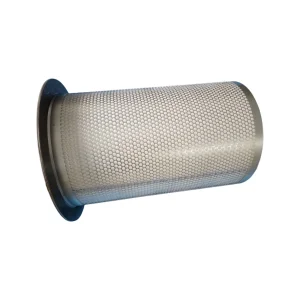
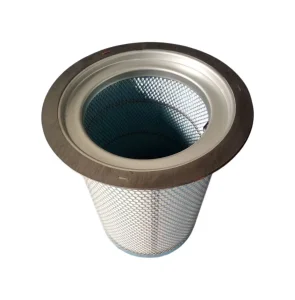
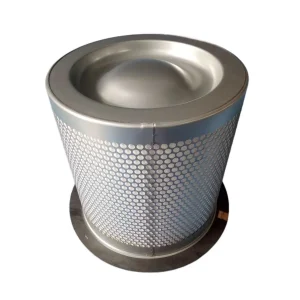
JCTECH has achieved a key milestone in the R&D of core accessories for air compressors with the development of the 24900342 external oil separator replacement. This design helps improve oil-air separation efficiency and reduce carryover.
Learn more →
Air filters, oil filters, and oil-gas separators are critical to protecting equipment health and maintaining air quality. Regular maintenance of these components prevents contaminants from causing system wear.
Learn more →
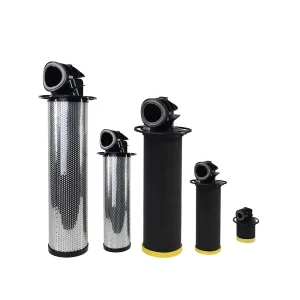
Oil separators are designed to separate oil, grease, and hydrocarbons from compressed air streams. Ensuring efficient separation is essential for protecting downstream tools and meeting environmental standards.
Learn more →Premium Replacements Built for Reliable Performance in Demanding Industrial Environments
 Jiong Cheng