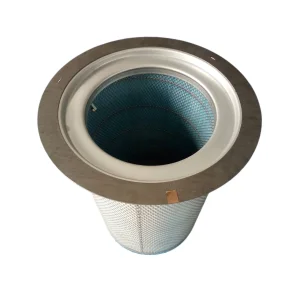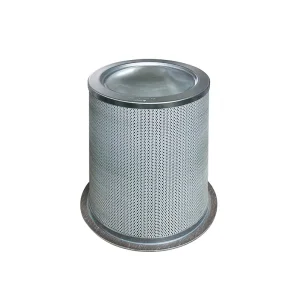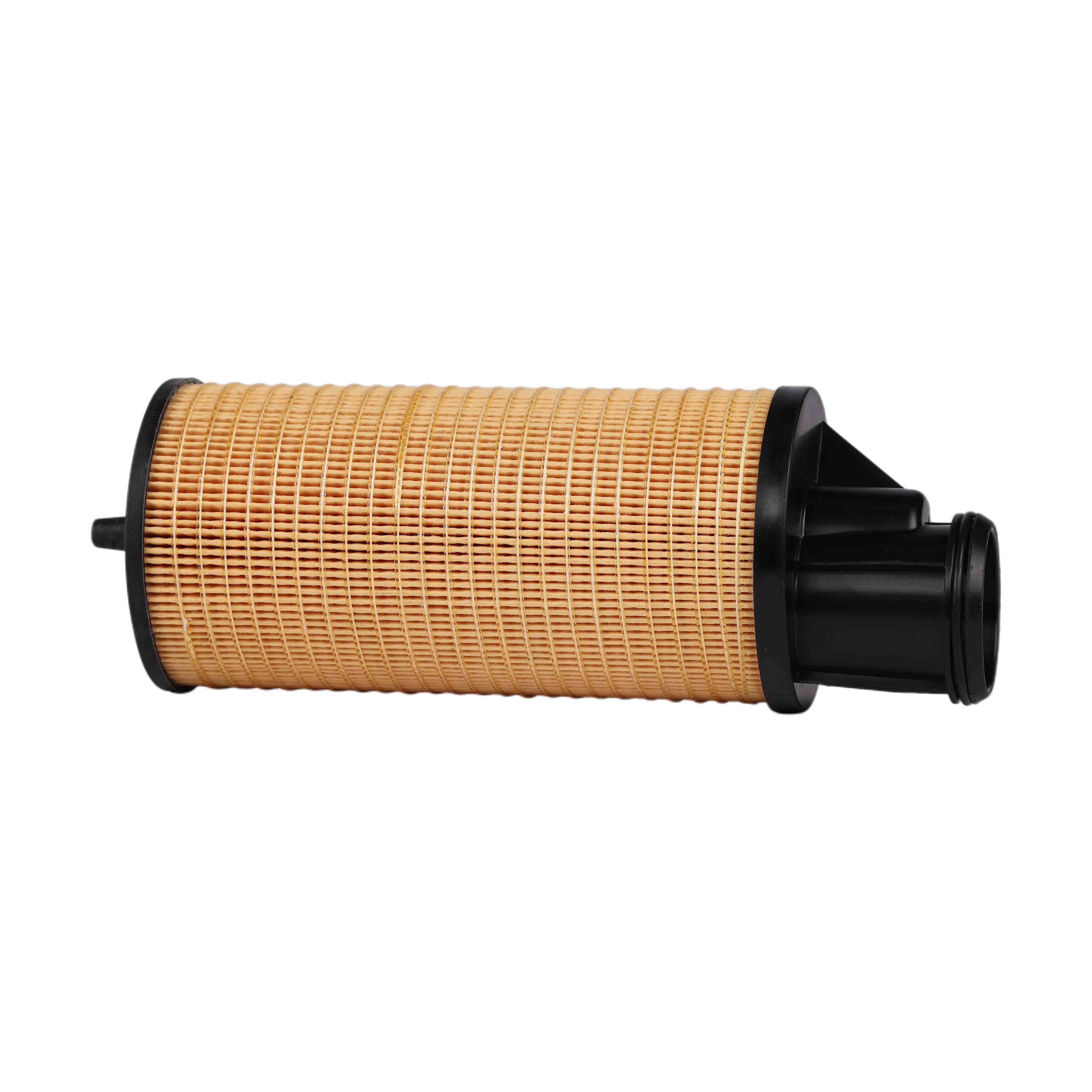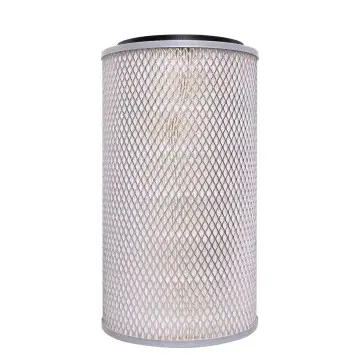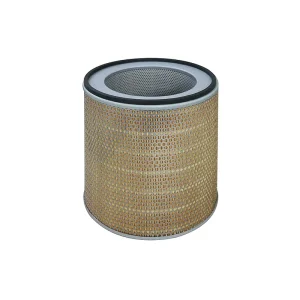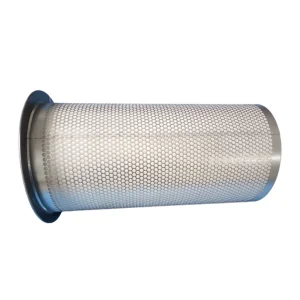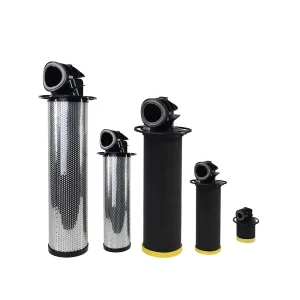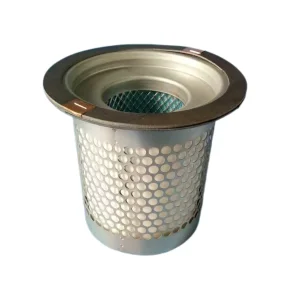
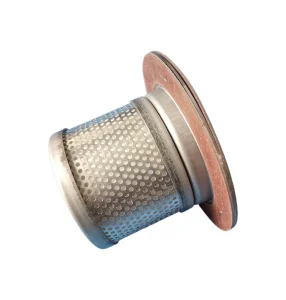
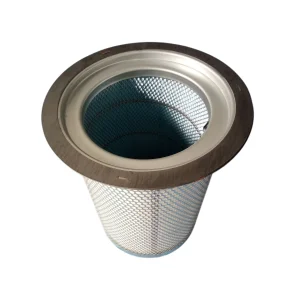
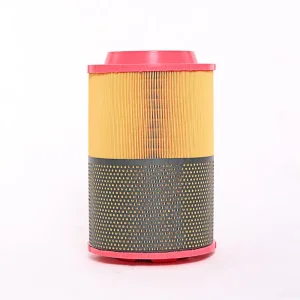
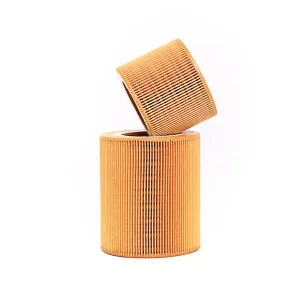
Compressed air acts as the lifeblood of modern industrial manufacturing. Often defined as the "fourth utility," it powers pneumatic machinery, control systems, and automated production processes. However, the generation of compressed air inevitably introduces contaminants—specifically lubricant aerosols, oil droplets, and atmospheric particles. The compressed air oil separator plays a vital role in removing these impurities to ensure clean, high-performance operation.
The core technology behind modern oil separators relies on coalescence filtration. As compressed air passes through layers of microscopic borosilicate glass fibers, tiny oil droplets merge into larger drops. Gravity then pulls these heavier drops down into the compressor's return line. Modern systems must perform this task while maintaining minimal pressure drop, directly contributing to energy efficiency and a lower carbon footprint.
Driven by the strict demands of Industry 4.0, manufacturers now require oil separators to meet unprecedented levels of efficiency, durability, and compatibility. Today's components feature sophisticated synthetic media designs capable of operating under high pressures and extreme temperatures without degrading. These advancements protect downstream equipment, reduce maintenance costs, and extend system life.
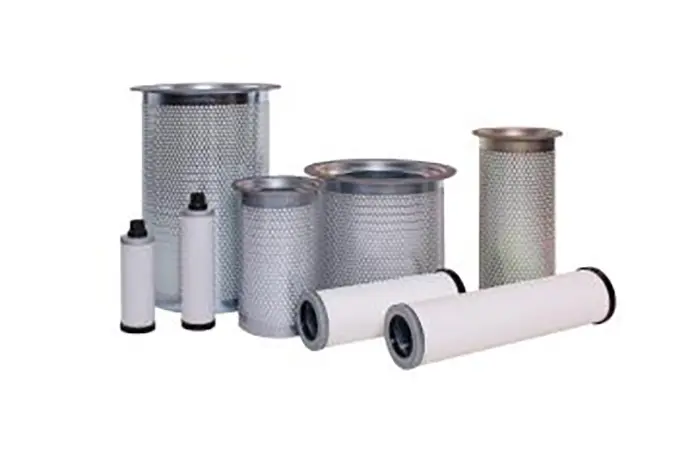
Utilizing high-grade borosilicate glass fibers from HV and Ahlstrom to merge micro-droplets of oil down to less than 3 ppm residue, ensuring clean air delivery.
Engineered for low pressure drop (typically below 0.2 bar). Lower flow resistance translates directly into reduced electrical energy demand at the compressor.
Reinforced steel end caps, corrosion-resistant housings, and dual-conductive grounding configurations prevent electrostatic hazards and structural failures.
Procuring industrial filtration components on a global scale demands a focus on reliability and standard compliance. Industrial buyers evaluate separators based on their total cost of ownership (TCO). While purchase price is important, a separator that fails prematurely or causes excessive pressure drops increases energy consumption and maintenance costs.
To meet global expectations, modern manufacturing facilities in China have adopted strict compliance with international standards, including ISO 12500-1 for compressed air filters and ISO 8573-1 for air purity classes. Our factory products are engineered to serve as direct replacements for major global brands, including Atlas Copco, Ingersoll Rand, Sullair, Kaeser, and Mann & Hummel. This cross-compatibility ensures smooth replacement operations without requiring alterations to existing piping or housing setups.
Furthermore, customized design (ODM/OEM) is essential to accommodate regional variations in operating environments. For example, tropical industrial areas require filters that withstand high moisture, while desert installations need robust pre-filtration to handle heavy dust loads. Our factories tailor filter configurations to meet these distinct regional needs.
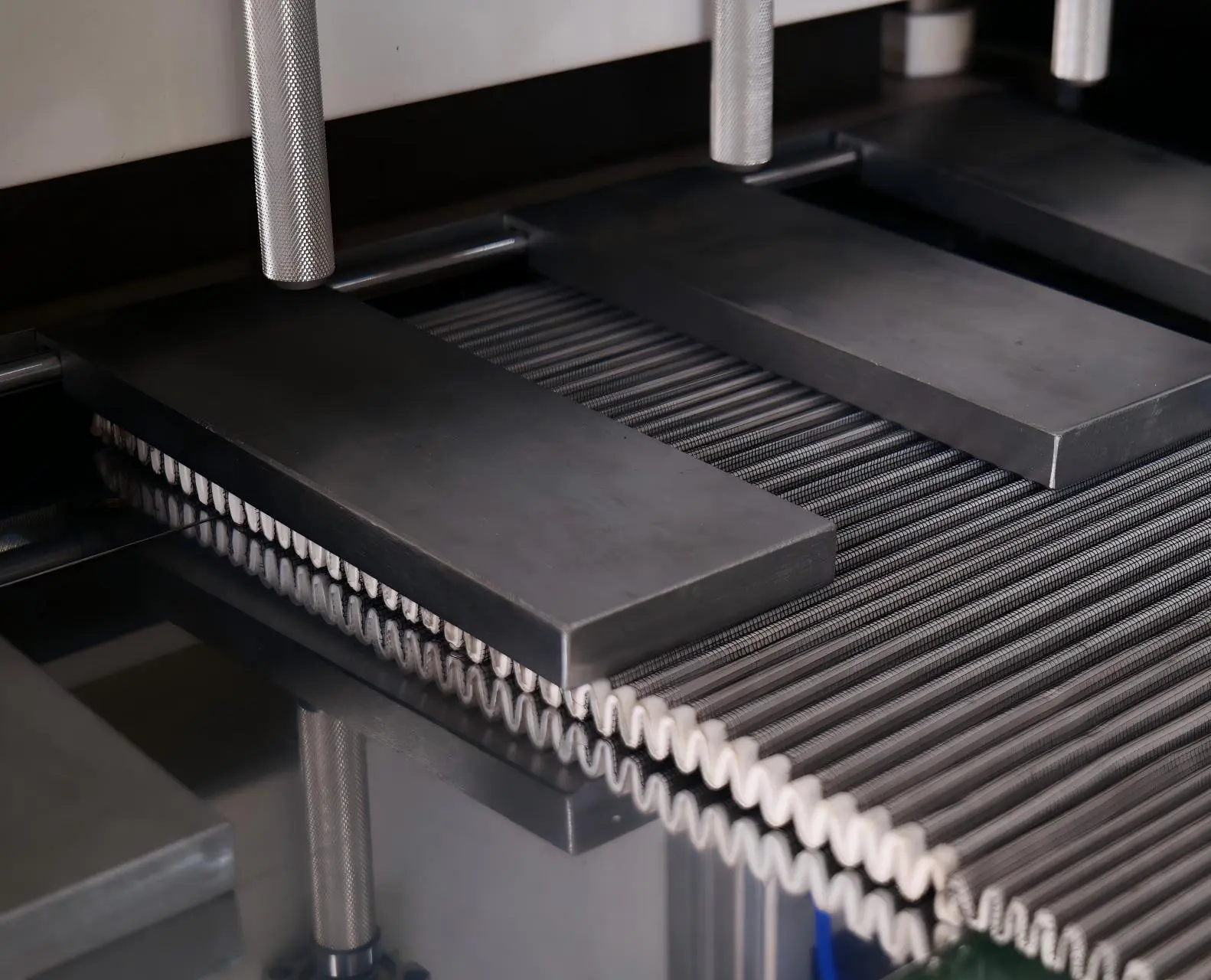
Under the China Factory 4.0 initiative, our manufacturing facilities have transitioned from manual assembly lines to highly automated, data-driven production centers. Automated pleating machines ensure uniform filter folds, maximizing surface area and extending service life. Precision robotic spot welding secures internal structural support cages, allowing filters to withstand high differential pressures without collapsing.
In addition to advanced assembly, our raw material supply chain ensures consistent quality. By sourcing filter media from international industry leaders such as HV (Hollingsworth & Vose) and Ahlstrom, we match the performance of original equipment manufacturer (OEM) parts. At the same time, localized production in major hubs like Xinxiang and Shanghai allows us to manage manufacturing costs effectively, providing competitive pricing for high-performance components.
This integration of automated production and global logistics support guarantees supply chain stability. Even during shifts in global trade patterns, our dual production centers and strong material partnerships allow us to maintain consistent manufacturing cycles and prompt shipping timelines for our international partners.

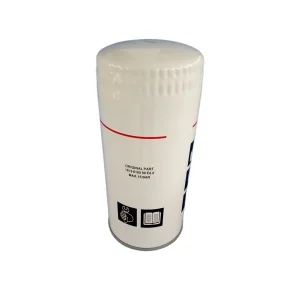
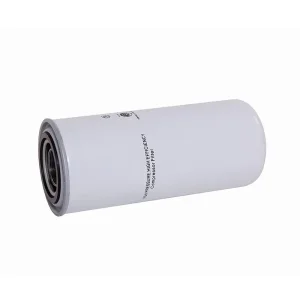
High-efficiency replacement filtration elements compatible with global air compressor brands.
Comprehensive technical guidance and post-purchase assurance to keep your equipment running smoothly.

Our post-purchase service ensures prompt technical support, operational advice, and assistance with system integration.

Our engineers analyze your operating conditions, temperatures, and oil specifications to help select the ideal filter media.

We provide structural integrity and performance warranties on all filter replacements, protecting against premature failure.

We actively incorporate customer feedback into our manufacturing process, updating designs to improve efficiency and pressure drop metrics.
Our elements are designed and tested to replace components from leading industrial brands seamlessly.







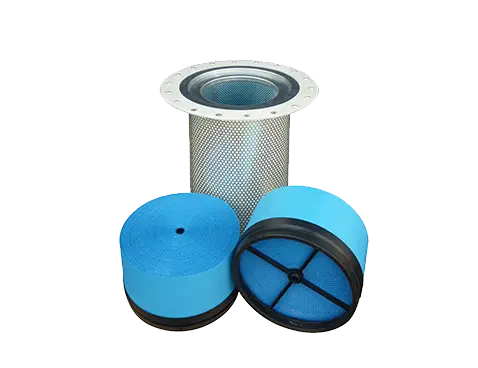
Different industrial processes impose distinct requirements on compressed air quality. In pharmaceutical manufacturing, biotechnology, and food processing, air must be free of oil aerosols to prevent product contamination. In these applications, high-efficiency coalescing oil separators are critical components used alongside downstream carbon towers to meet ISO Class 0/1 oil removal standards.
In heavy industrial environments, such as steel mills, power generation facilities, and mining sites, air compressors operate continuously under high dust and temperature conditions. Here, separators must feature robust mechanical construction and reliable bypass valves to maintain performance during pressure fluctuations. Our filters use reinforced steel cores to handle high differential pressures without collapsing.
In chemical plants, oil refineries, and marine applications, corrosion resistance is a key requirement. For these settings, we construct components using stainless steel and epoxy-coated end caps, ensuring reliable performance in harsh environments and protecting downstream equipment from damage.
Discover our top-performing filtration elements, engineered for durability and efficiency.
Crucial information to optimize your compressor system's operation and filter life.
Premature failure is typically caused by three main factors: particulate contamination, oil degradation, or improper installation. When upstream air or oil filters fail, abrasive particles bypass the system and clog the separator's borosilicate glass fiber matrix, increasing differential pressure. Additionally, using low-quality lubricants can cause carbon deposits to build up on the filter surface, reducing flow rate and increasing pressure drops.
Differential pressure represents the energy lost as air flows through the separator media. A higher differential pressure requires the compressor motor to work harder to maintain downstream pressure. For every 1 bar (approx. 14.5 psi) increase in differential pressure, the compressor's energy consumption rises by approximately 6% to 8%. Using high-efficiency separators with low initial differential pressure helps minimize operational energy costs.
During operation, dry compressed air flowing through glass fiber media at high velocities can generate static electricity. If this static charge is not properly grounded, it can build up and discharge as a spark. Because the separator is surrounded by a mixture of air and vaporized oil, static sparks present a risk of internal ignition or explosion. Our separators feature grounding staples and conductive metal configurations to ensure safe grounding and prevent static hazards.
Keep up with our latest breakthroughs, updates, and research in filtration technology.



Recently, JCTECH achieved a breakthrough in the development of core accessories for air compressors: the new 24900342 external oil separator replacement. This design reduces flow resistance and improves separation efficiency, helping industrial systems optimize energy use.
Learn MoreInside an active air compressor system, the air filter, oil filter, and oil-gas separator element work quietly together. They act as essential guards, protecting system components, reducing wear, and ensuring clean, dry air delivery.
Learn MoreOil separators are designed to separate oil and hydrocarbons from water and air streams. This process is essential for compliance with environmental regulations, protecting downstream machinery, and preventing contamination in manufacturing processes.
Learn More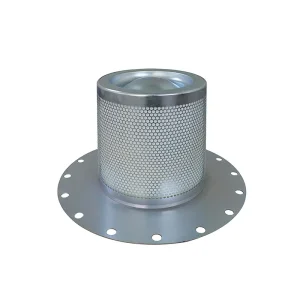
Get in touch with Shanghai Jiongcheng Industrial Co., Ltd. for pricing, OEM cross-reference, and custom technical filtration options.
 Jiong Cheng