 Jiong Cheng
Advancements in Compressed Air Lines & Water Separation Engineering
In modern industrial applications, compressed air is often referred to as the "fourth utility." From precision manufacturing lines to massive chemical complexes, the stability, safety, and efficiency of pneumatic operations depend heavily on the quality of compressed air. Raw compressed air contains high levels of moisture, oil residue, and airborne particulates. The presence of water within air lines poses major challenges. Liquid water causes internal piping corrosion, damages valves, washes out vital component lubricants, and ruins end-product quality. This is where high-efficiency Air Line Filter Water Separators become essential for system design.
1. Global Procurement Landscape & Technical Demands
Industrial procurement departments globally have shifted from looking at low unit-purchase prices to focusing on the Total Cost of Ownership (TCO) and long-term operating reliability. In regions like North America, Europe, and Southeast Asia, engineering leads demand air line components that offer low initial differential pressure ($\Delta P$) alongside high holding capacity. Standard systems require ISO 8573-1:2010 Air Quality Classifications, specifically targeting Class 1 to Class 3 compliance for water aerosol and particulate presence.
Procuring from China's leading industrial filter factories, such as Shanghai Jiongcheng Industrial Co., Ltd. (JCTECH), lets enterprises combine custom-engineered specifications with scale production economies. These components must withstand fluctuating working pressures (up to 16 barg) and variable intake temperatures while maintaining liquid water separation efficiencies above 99%. Global procurement protocols require rigorous documentation including material compliance records, pressure safety certs (ASME, CE), and verifiable testing data from certified flow loops.
SEO Information Gain: Every 100 mbar of excess differential pressure across an air line filter forces the air compressor to consume roughly 1% more electrical power. Using precision-engineered separators directly reduces carbon footprint and lowers plant electricity overhead.
2. Coalescence Mechanism & Separation Technology
To extract water and aerosol contaminants from compressed air, systems use a dual-stage separation approach. The first stage uses mechanical separation, employing directional vanes or a centrifugal module to force the air into a high-speed vortex. Centrifugal force drives heavier liquid water droplets and large oil particulates outward against the separator wall. The accumulated liquid then drains down into a quiet-zone sump at the bottom of the housing.
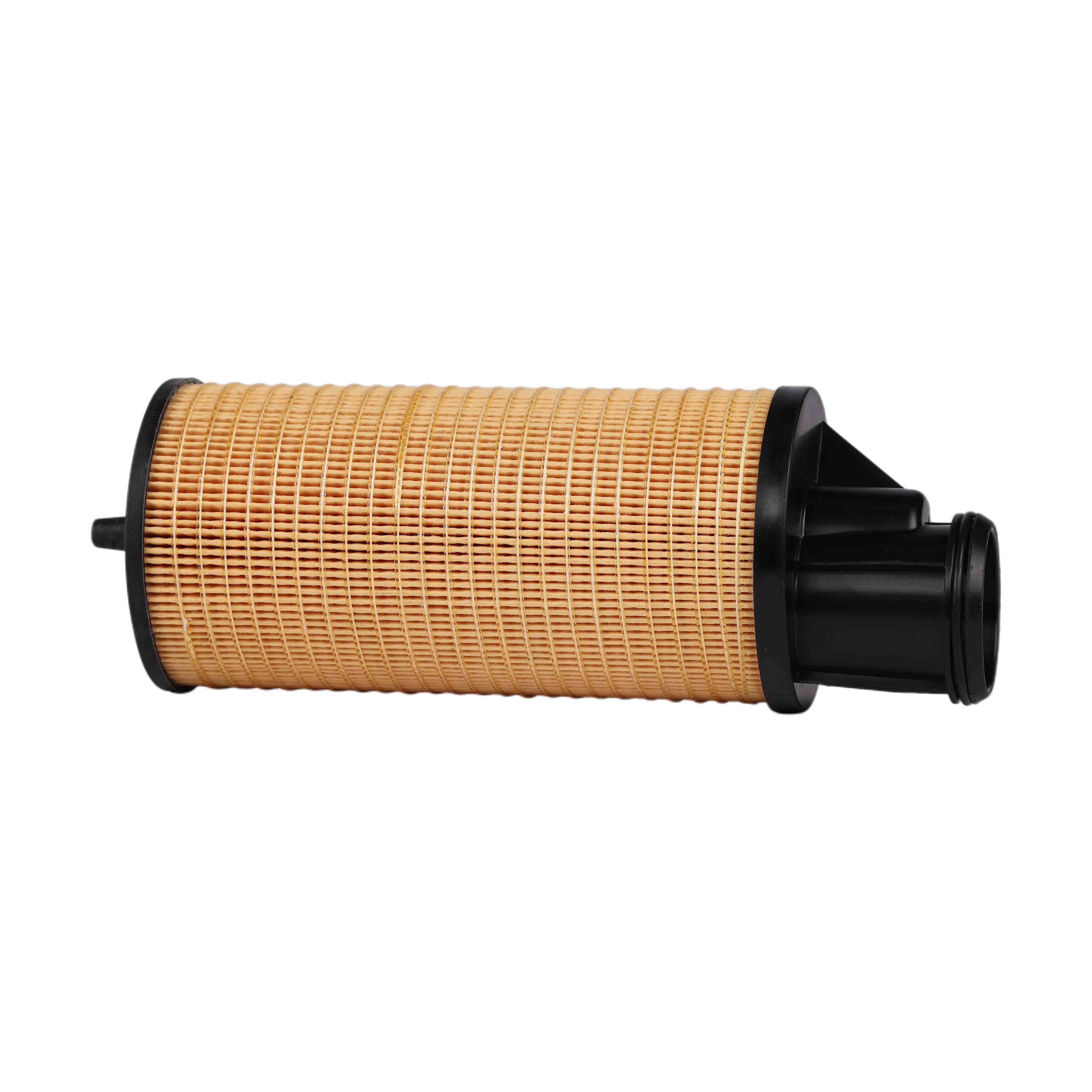
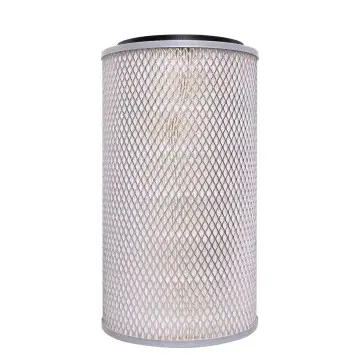
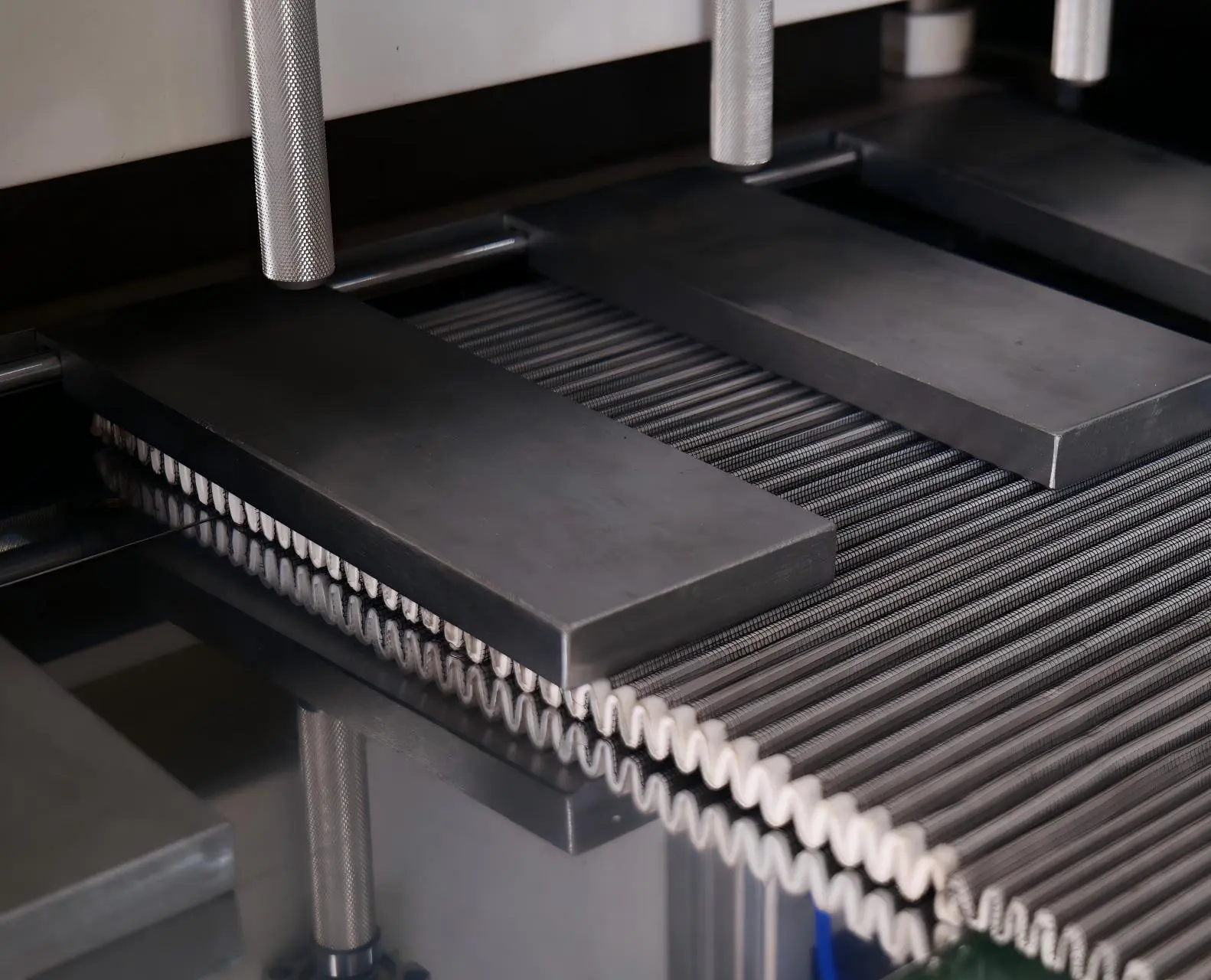
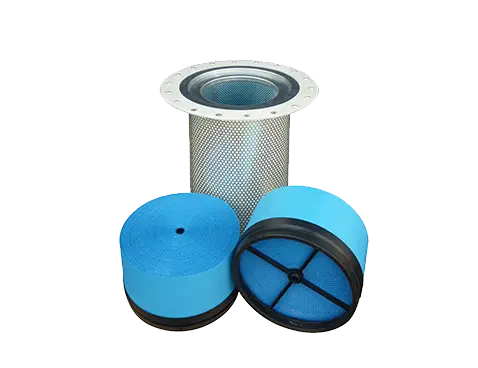
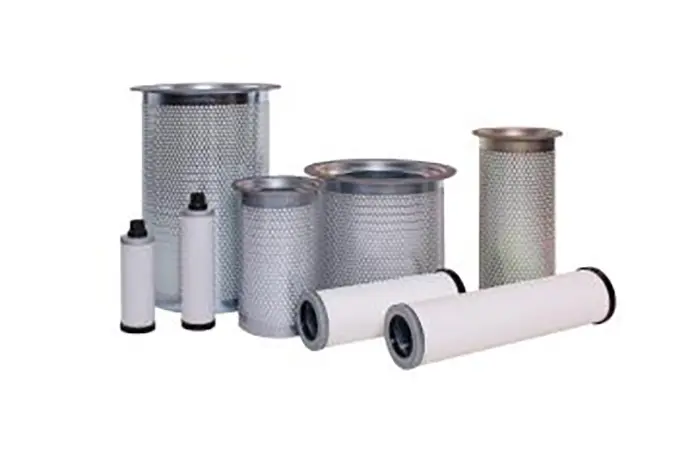
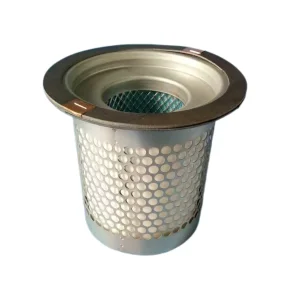
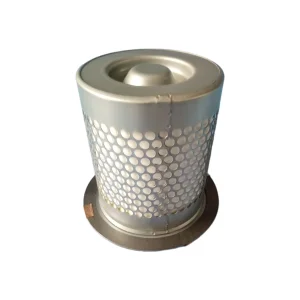
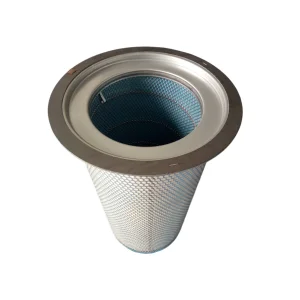
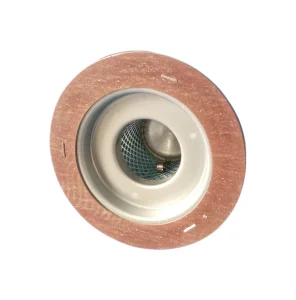
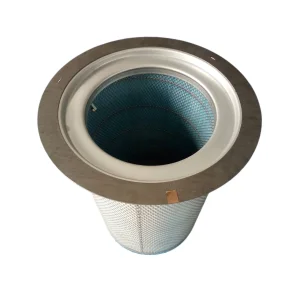
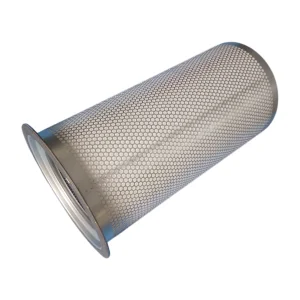
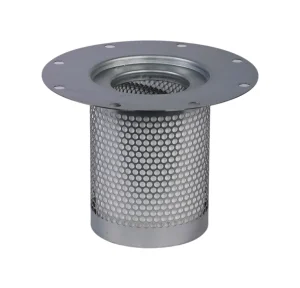
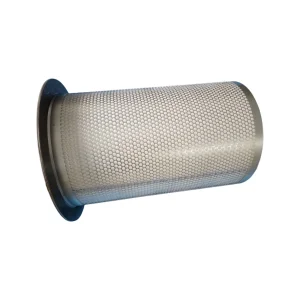
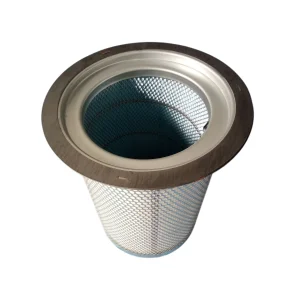
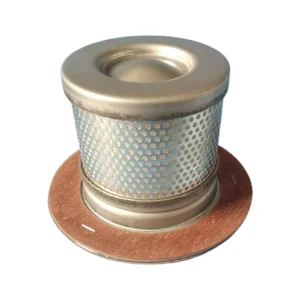
The second stage involves a high-performance coalescing media layer. Micro-droplets suspended in the air stream are intercepted by a network of borosilicate micro-glass fibers. As these tiny droplets impact the fibers, they merge (coalesce) into larger droplets that gravity eventually pulls down to the automatic drain. JCTECH uses advanced polyurethane (PU) molded end caps alongside durable metal support grids, achieving a 99.8% filtration efficiency and an operating lifespan of 2,000 hours.
3. Technical Roadmap & Material Innovation
The engineering team at JCTECH focuses on optimizing our core technical metrics:
- Optimized Flow Geometries: Internal structures are designed with Computational Fluid Dynamics (CFD) modeling to reduce turbulence and lower pressure drop.
- Hydrophobic & Oleophobic Media Coatings: Special surface treatments on the filter media prevent oil and water from clinging to the fibers, keeping the air pathways clear.
- Integrated Smart Sensors: Next-generation separator housings can feature smart differential pressure sensors, signaling maintenance teams right when efficiency drops.