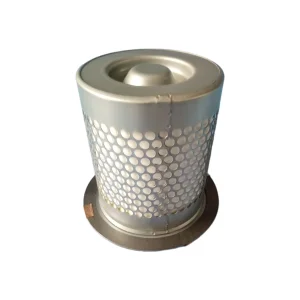
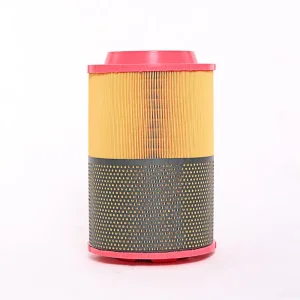
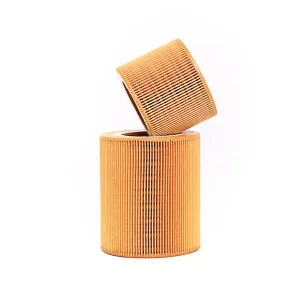
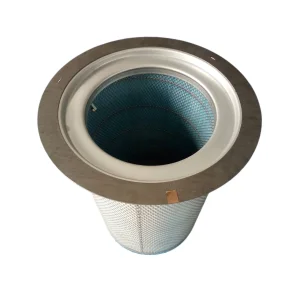
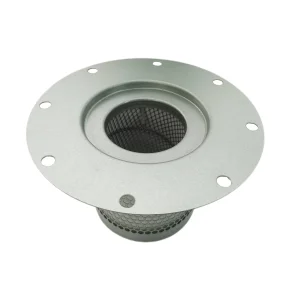
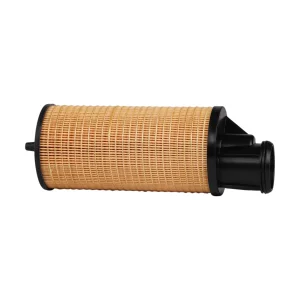
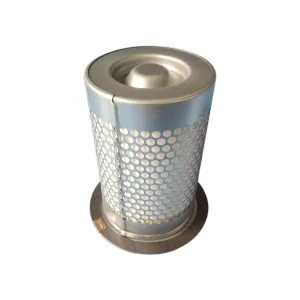
Within oil-injected rotary screw compressors, the air-oil separator plays a vital role. High-pressure air discharged from the screw airend carries massive amounts of lubricating oil droplets, ranging from large splashes to sub-micron aerosols. The oil separator cartridge forces this mixture through microscopic fiber pathways to convert volatile mist into liquid flow. This uses three main physical principles: Inertial Impact, Direct Interception, and Brownian Diffusion.
As the air stream flows through multi-layered borosilicate glass fibers, larger oil particles strike the fibers due to inertia and stick. Smaller, sub-micron droplets undergo Brownian motion, colliding with microfibers where they coalesce. Gravitational forces then pull the accumulated oil down to the separator's bottom. Here, it is returned to the compressor's lubrication system via the scavenger line. Choosing top-grade fiberglass media prevents oil loss, ensuring clean air downstream.
Industrial buyers sourcing from China prioritize manufacturing accuracy. High-quality Chinese factories use ISO 9001 and ISO 12500-1 testing standards to match or exceed OEM specifications. Quality is determined by how well the filter media resists heat and chemicals, its structural strength, and its electrical grounding. Grounding is critical: static build-up from dry air flow can cause internal sparks. Reliable Chinese manufacturers integrate dual grounding plates with copper staples to prevent static discharge.
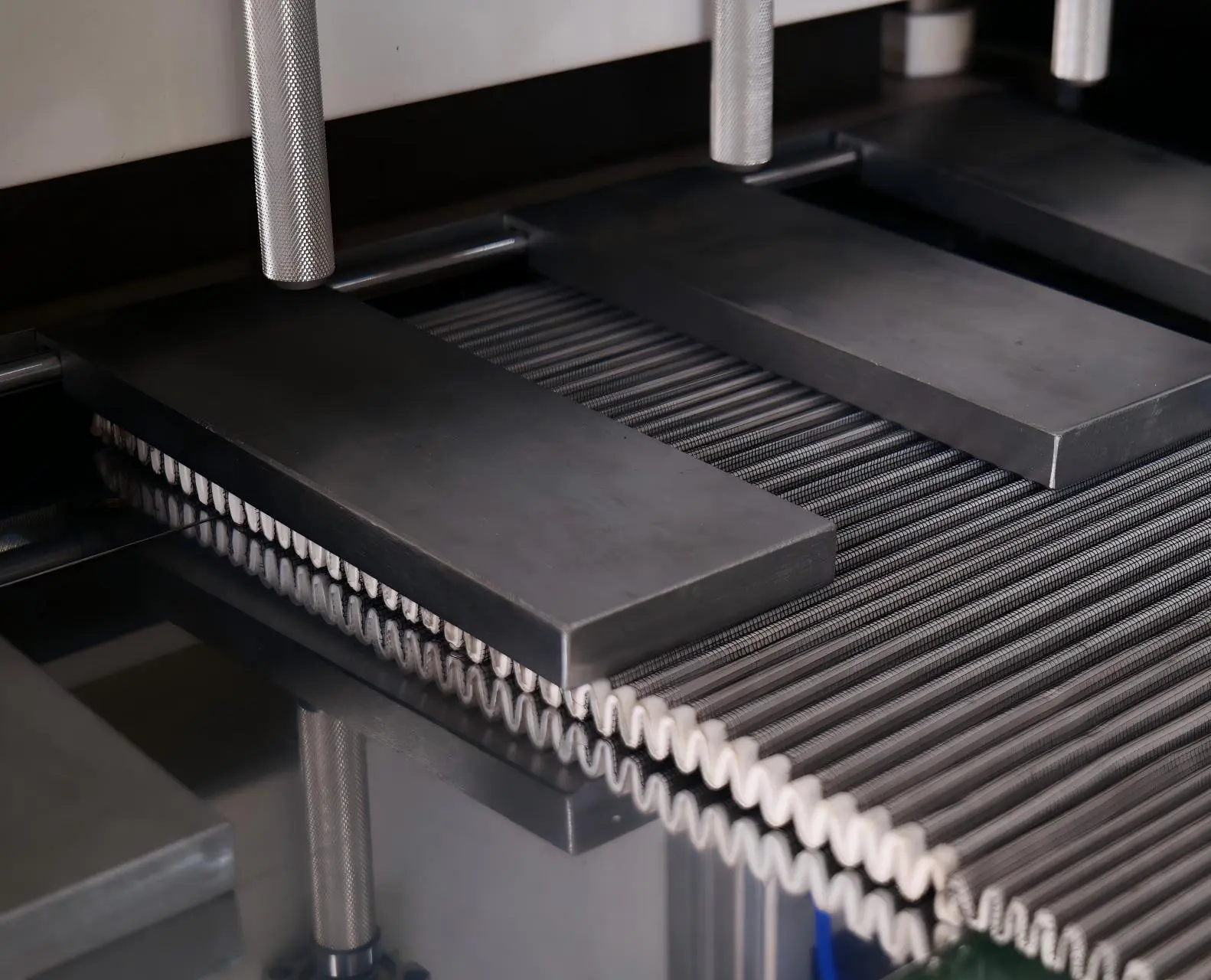
Advanced production lines in China use automated wrapping and pleating systems. This ensures even pleat spacing and precise wrap tension, preventing collapse under high pressure. Standard elements use specialized high-temperature epoxy resins that withstand temperatures up to 120°C (248°F). This protects the separator from structural failure in high-load operating environments.

Exceptional post-purchase service ensuring continuous performance and quick troubleshooting support.

Our dedicated engineering teams help address custom sizing and operating condition issues.

We offer warranty coverage on all replacement elements to ensure prompt, effective support.

We continuously refine filter media layouts based on real-world industrial feedback.
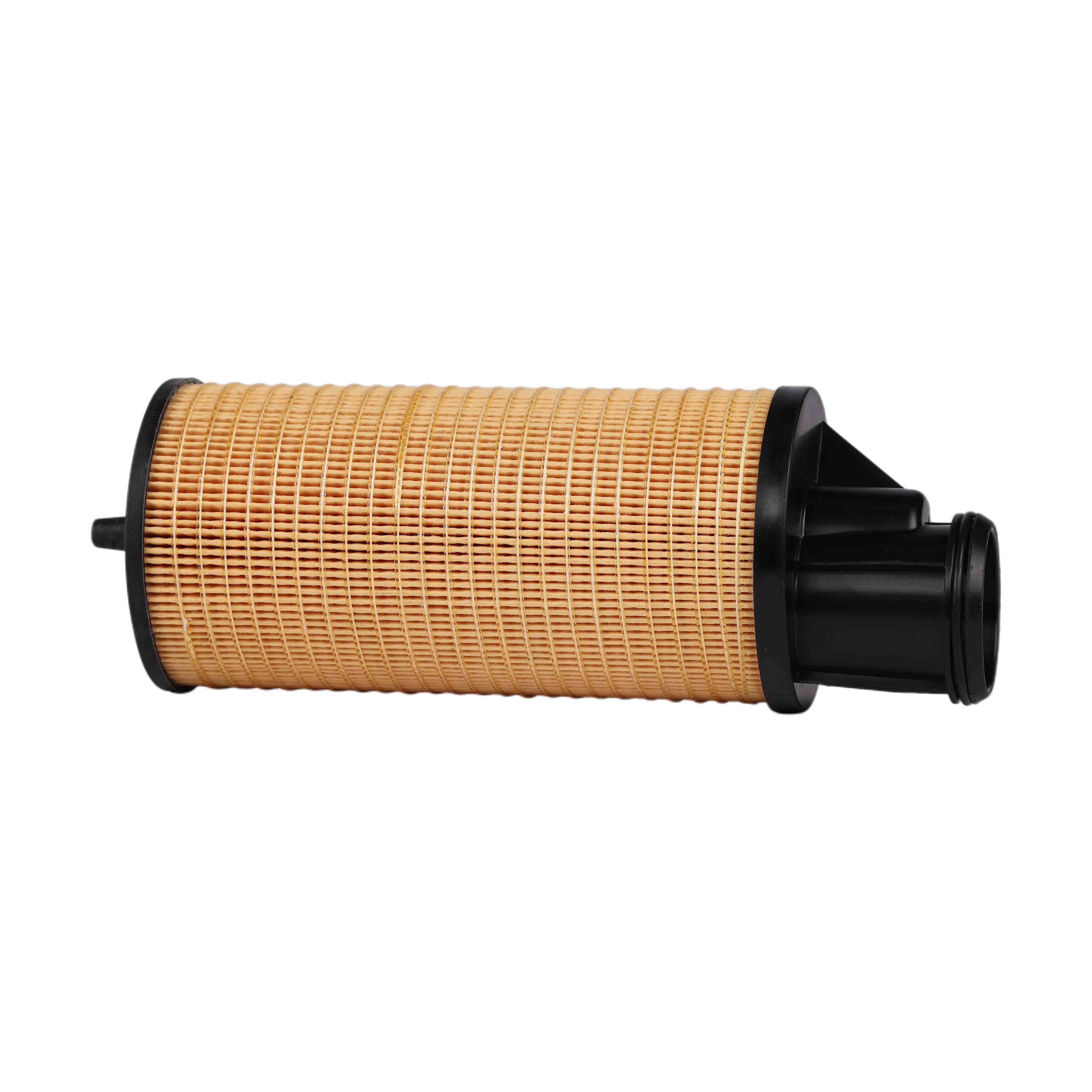
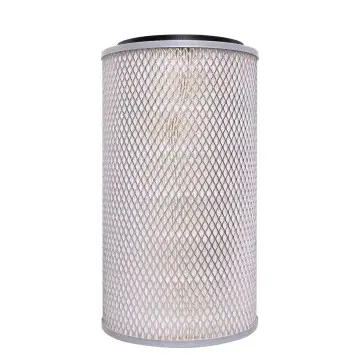
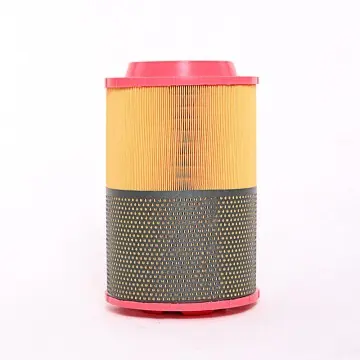
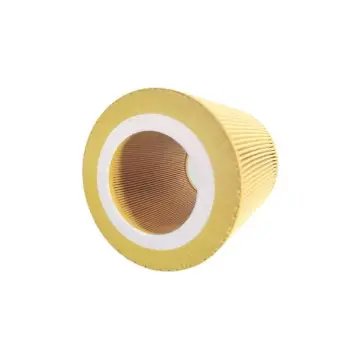
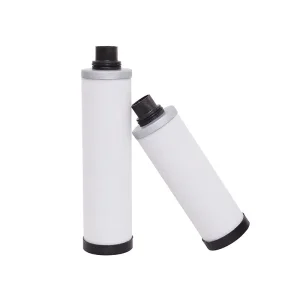
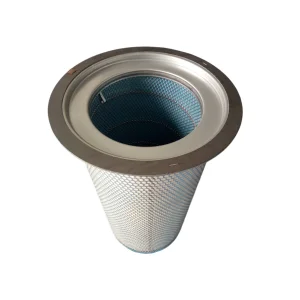
Air-oil separators are designed in two main styles: pleated and wrapped (winding). Pleated separators feature folded media layers, which increases surface area by up to 2-3 times compared to wrapped designs. This high surface area supports higher flow rates, lowers the initial pressure drop, and extends service life. This makes them ideal for compact systems or variable speed drive (VSD) air compressors operating under varying loads.
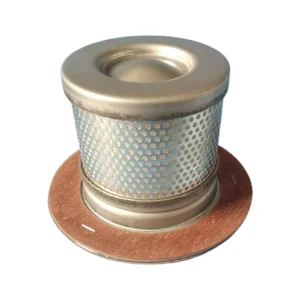
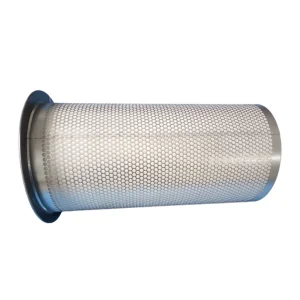
Wrapped (winding) separators use flat layers of glass fiber wrapped tightly around a perforated metal core. They are reliable for standard fixed-speed compressors because they hold their shape well under pressure spikes. Understanding the differences between these configurations helps industrial buyers select the right option for their system's operating conditions.
Modern compressed air setups require drop-in replacements that fit seamlessly without modifying the compressor housing. JCTECH manufactures high-quality replacements compatible with major global brands, including Atlas Copco, Sullair, Ingersoll Rand, and Kaeser. Standardized dimensional control ensures outer diameters, inner diameters, and heights align with OEM designs to prevent installation leaks.
We customize separators for unique industrial environments. We adjust flange dimensions, seal materials (such as Viton or NBR), and add custom-designed drainage layers to meet specific needs. This flexibility makes JCTECH a reliable partner for global industrial distributors and machinery rebuilders.
JCTECH operates three production facilities. Along with our primary filter factory in Xinxiang, Henan, our dedicated lubricant systems division supplies high-performance compressor lubricants globally. This double expertise in both lubricants and filtration allows us to optimize separator compatibility for complex operating environments.
We focus on reducing maintenance frequency and system downtime for our partners. Combining advanced European media with automated production, we supply long-lasting parts that help reduce overall system operating costs.
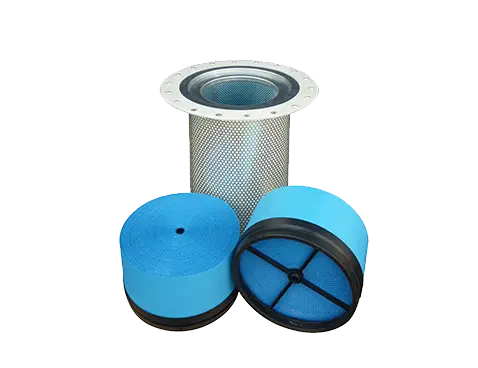
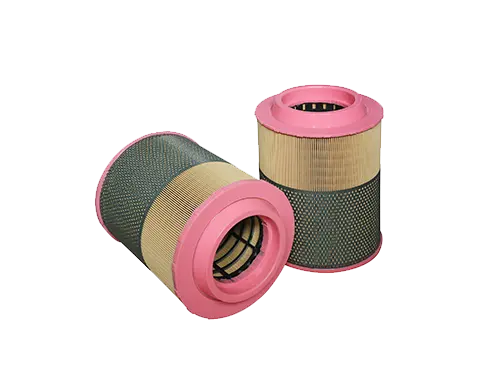
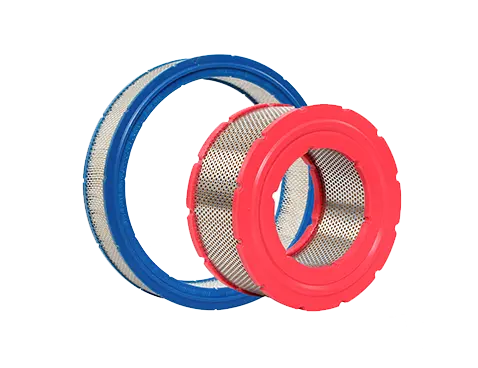
Procurement managers need to balance price with operational lifetime. A separator that is inexpensive initially but fails early can lead to expensive downtime, increased oil consumption, and downstream equipment damage. To optimize costs, choose suppliers that publish verified initial pressure drop and oil carryover ratings.
We recommend buying separators in complete maintenance sets alongside matching air and oil filters. Replacing these components at the same time prevents old particulate matter from clogging the new separator, helping to protect system flow rates and maintain consistent performance.
Industrial environments vary significantly by region. A compressor running in a humid coastal assembly line faces different challenges than one in a dry, dusty mining operation. JCTECH provides customized engineering support to help choose the right filter materials for your specific site conditions.
We modify filter configurations to handle different moisture levels and ambient dust loads. This custom approach helps prevent premature clogging and maintains low oil carryover under challenging working conditions.














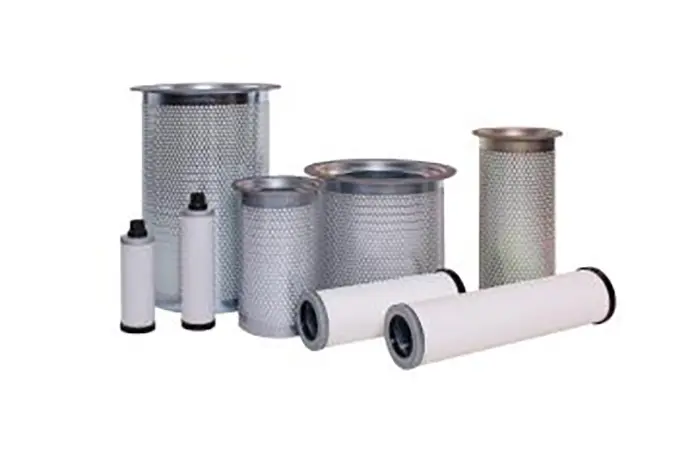
Sourcing managers must consider how differences in operating conditions impact filter life. Lubricants react uniquely under varying thermal and physical loads, directly affecting separator lifespan. JCTECH matches fiberglass thickness and wrapping layers to your system's pressure profile and oil type.
This tailored configuration helps minimize initial pressure drop, save energy, and maintain clean compressed air downstream. We offer structural warranties on all custom elements—please reach out to our team to discuss your project requirements.
High oil carryover (often exceeding 5-10 ppm) typically occurs due to separator saturation, damaged separator seals, operating at incorrect system pressures, or a clogged oil scavenge line. Choosing high-quality elements with precise microfiber configurations helps maintain clean air downstream.
We recommend replacing the separator when the differential pressure across the element reaches 0.8 to 1.0 bar (12 to 15 psi), or after 3,000 to 4,000 hours of operation. Running a clogged separator increases energy costs and risk of failure.
Dry air passing through fiber layers can generate static electricity. JCTECH addresses this by integrating grounding plates and copper staples to ensure continuous conductivity to the compressor frame, reducing risk of spark hazards.
Yes, our filter elements are constructed using high-grade borosilicate glass fibers and synthetic resins. They are designed to withstand chemical exposure from both standard mineral lubricants and synthetic PAO/ester-based oils.
Pleated designs provide a larger surface area in a compact size, making them suited for high-flow systems. Wrapped separators use layer-by-layer wrapping, offering stable structure and reliable performance for standard operations.
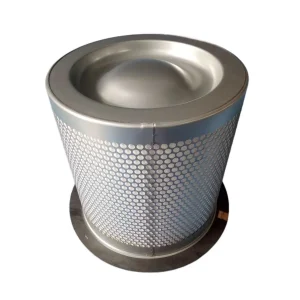
JCTECH has introduced a replacement separator for the 24900342 part number. Designed to reduce differential pressure, this element helps support energy-saving upgrades for rotary screw systems.
Air filters, oil filters, and separators work together as a system. Replacing them at matching intervals helps protect air quality and extends the service life of downstream components.
An overview of separation physics and how proper coalescing mechanics protect equipment in wastewater treatment, food processing, and heavy industrial facilities.
Reach out to discuss replacement specifications, cross-referencing support, or custom element production. Our team is available to assist you.
 Jiong Cheng

