 Jiong Cheng
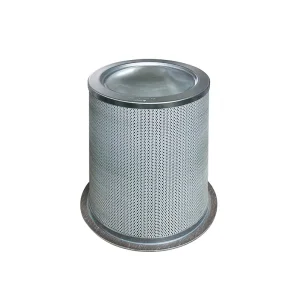
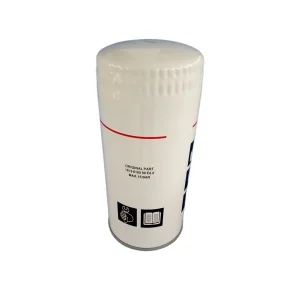
Industrial White Paper: Engineering Breakthroughs in OEM Oil-Gas Separation Technology
In modern industrial manufacturing pipelines, the production and management of high-quality compressed air is an absolute necessity. However, the compression process inevitably introduces mechanical aerosols and vaporized lubricants into the system. As a leading OEM oil separation manufacturer, we recognize that the physical dynamics of separation dictate system efficiency, thermal stability, and overall environmental compliance. Our engineering research focuses heavily on bridging the performance gap between traditional media structures and next-generation micro-glass fiber matrices.
The Physics of Separation: Understanding Coalescence and Diffusion
To eliminate oil carryover in high-velocity rotary screw compressors, the separation media must act on multiple fluid dynamic principles simultaneously:
- Direct Interception: Larger oil droplets (greater than 1 micron) travel along the flow stream lines and collide directly with the micro-fibers, sticking to the surface due to surface tension.
- Inertial Impaction: Higher mass droplets fail to negotiate the tortuous path of the fiber network, deviating from the air stream to strike the structural filaments where they accumulate.
- Brownian Diffusion: Extremely fine aerosols (sub-0.1 micron) exhibit random thermal motion. This increases the mathematical probability of their contact with the fiber walls, facilitating capturing at lower flow rates.
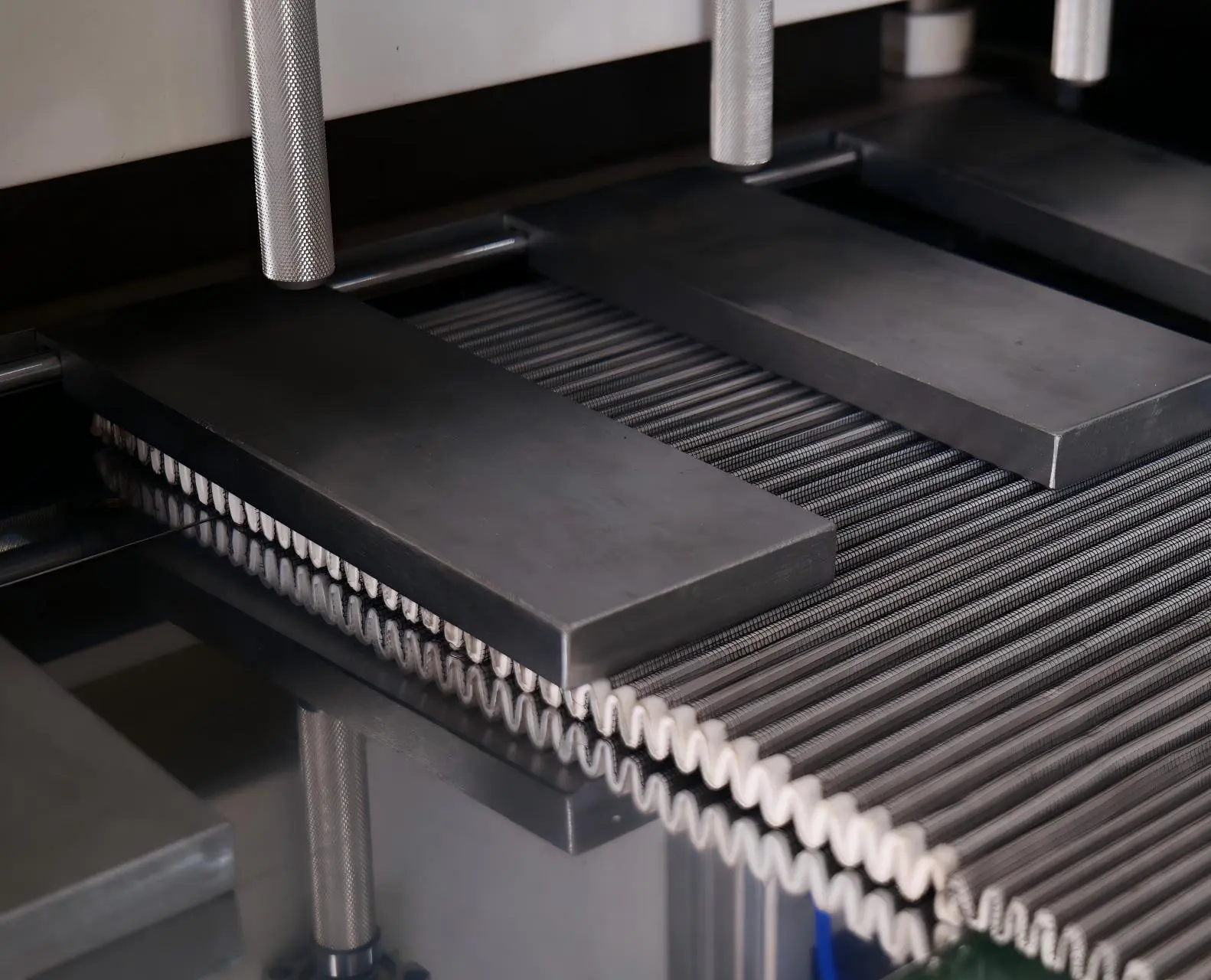
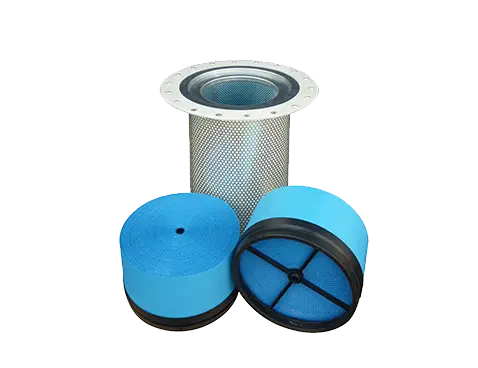
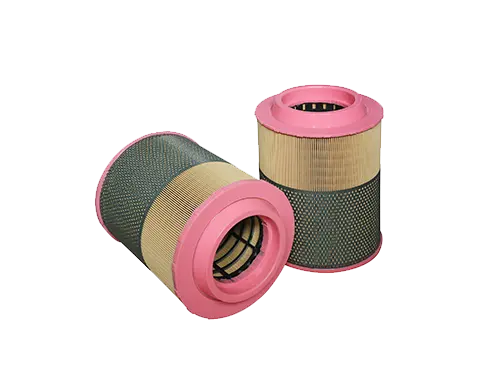
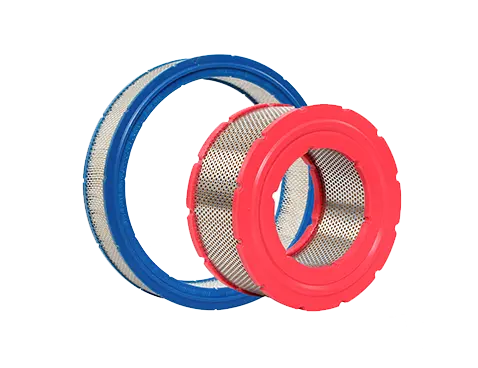
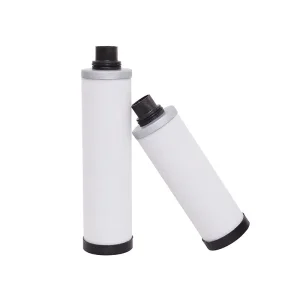
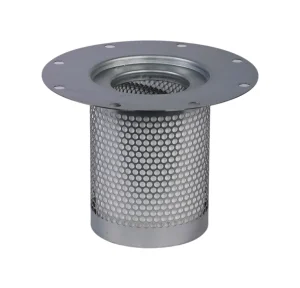
By using a multi-layered structure with varying fiber diameters, JCTECH oil separators achieve a residual oil content of less than 3ppm under nominal operating conditions. This performance profile ensures downstream air filtration works longer without premature clogging, maximizing the return on investment for complex pneumatics.
"Optimizing the differential pressure (differential Delta-P) across the oil separation element is the most critical metric in contemporary energy-efficient compressor room audits. Every 0.1 bar increase in saturated differential pressure translates to approximately 1% increase in power consumption at the compressor shaft."