 Jiong Cheng
Maximizing Total Cost of Ownership (TCO) in Industrial Compressed Air Systems through Advanced Filtration
In modern industrial environments, compressed air is often referred to as the "fourth utility." From automated automotive assembly lines to high-precision pharmaceutical packaging, the reliance on high-quality compressed air is absolute. However, the energy cost of operating air compressors, combined with the upkeep of high-performance components, accounts for a substantial percentage of a facility's overall utility expenditure. The critical nexus determining both system reliability and energy efficiency lies in the filtration sub-system: specifically, the air filter, the oil filter, and the oil-gas separator.
Strategic Insight: Statistics show that up to 75% of a compressor's lifetime cost is consumed by electricity. Using substandard or degraded filtration elements leads directly to higher pressure drops (differential pressure), which forces the compressor system to work harder and consume exponentially more energy. Shanghai Jiongcheng Industrial Co., Ltd. (JCTECH) addresses this core problem by engineering direct-replacement OEM filters that preserve flow dynamics and hold residual oil content below 3ppm.
1. The Global Landscape of Industrial Air Compressor Oil and Gas Filtration
The global industrial filtration market has evolved from simple particulate trapping to advanced molecular management and coalescing separation. Today, plant managers do not just demand physical filters; they require validated reliability metrics that meet the strict requirements of ISO 8573-1:2010 air purity standards. Across key global markets—ranging from manufacturing hubs in North America and Western Europe to heavy industrial sectors in East Asia and South America—fluid contamination remains the number-one cause of premature compressor screw failure.
Without high-precision OEM oil and air filters, fine atmospheric dust, carbonized oil deposits, and metal filings continuously cycle through the compression chamber. This process strips away the protective lubricant coating from the rotors, causing friction-induced heat spikes, reduced volumetric efficiency, and eventual catastrophic downtime. As a consequence, high-end buyers in industries like mining, electronics, and food processing are moving away from generic off-brand replacements in favor of guaranteed OEM quality deals that balance upfront procurement costs with verified operating lifespans.
2. Technical Architecture: How Advanced Separators and Filters Protect Equipment
To understand the value of premium OEM filtration deals, it is necessary to examine the physics of the fluid separation cycle inside a rotary screw air compressor. In the compression cycle, lubricating oil is injected into the stator chamber to seal, cool, and lubricate the rotating screws. Once the air is compressed, it is heavily saturated with vaporized and aerosolized oil droplets. The mixture must pass through a multi-stage separation process before entering the downstream application.
Air-Oil Separators (Coalescing Technology)
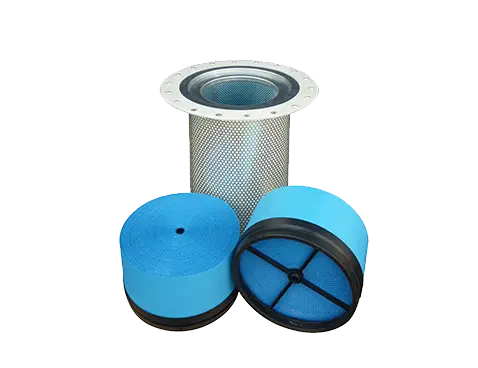
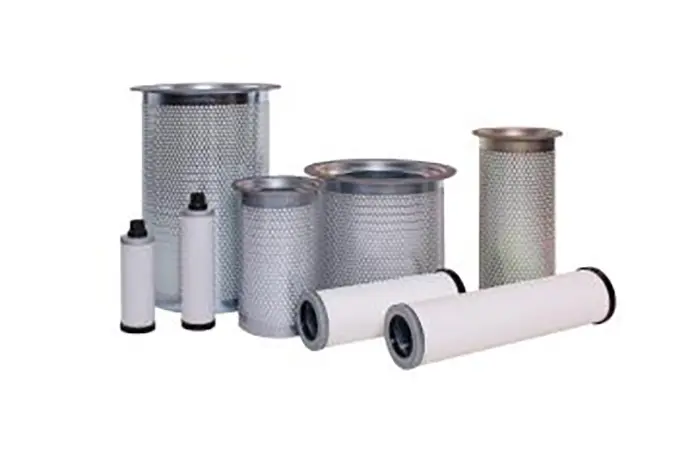
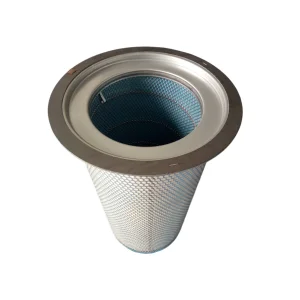
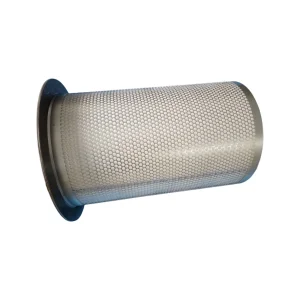
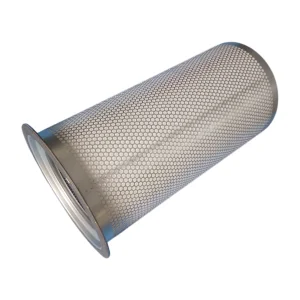
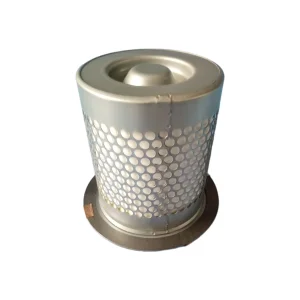
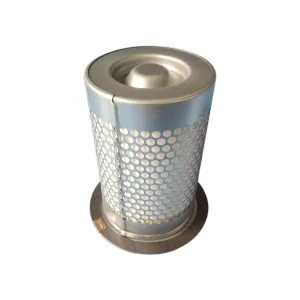
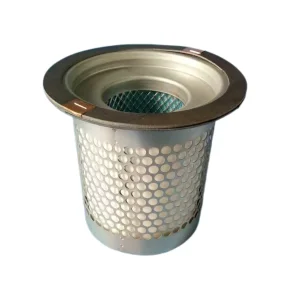
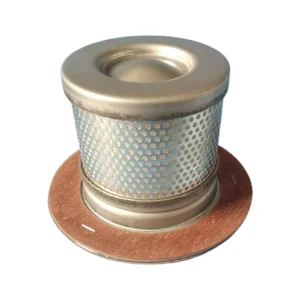
Advanced separators, such as the China AIR COMPRESSOR OIL SEPARATOR 4930155151 DB 2444 or the DC 3069 4930153532 replacement units, utilize layers of borosilicate glass microfibers. As the air-oil mix passes through these layers, microscopic oil droplets collide with the fibers and coalesce into larger, heavier droplets that drain down to the bottom of the separator housing. High-grade glass pulp sheets ensure low initial pressure drop, meaning minimal resistance to flow. This directly correlates to energy savings, as every 1 bar (14.5 psi) increase in pressure drop forces the compressor to consume approximately 7% more power.
Bypass Valve Engineering in Oil Filters
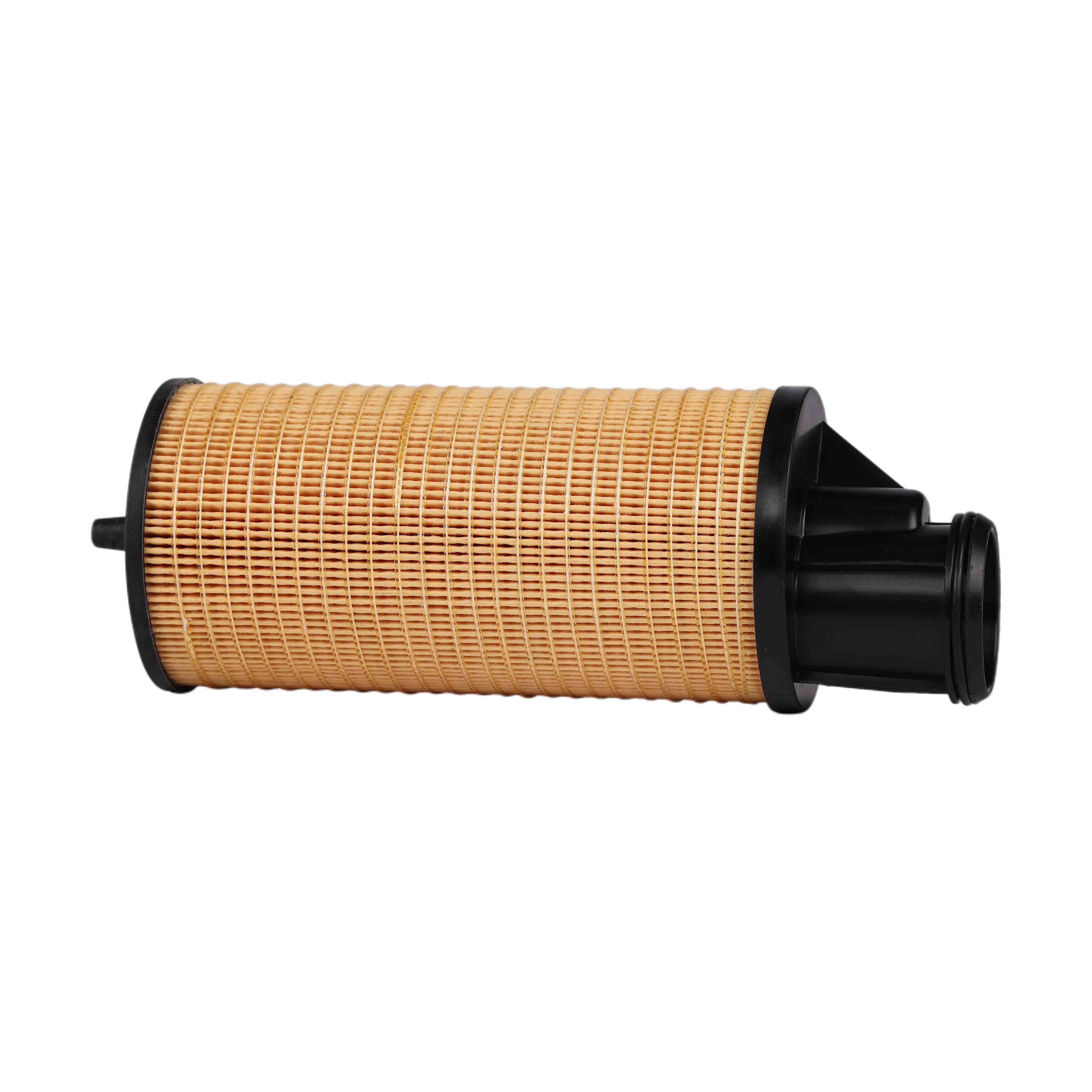
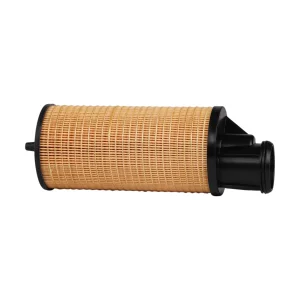
Industrial oil filters must maintain consistent lubrication even under cold start-up conditions or heavy carbon loading. JCTECH oil filters incorporate calibrated bypass valves. If the oil viscosity is too high or the element is fully saturated, the bypass valve opens to ensure that the compressor screw head is never starved of lubricant. A starved air-end will sustain damage within seconds. JCTECH filters balance structural integrity and media density to prevent premature bypass activations while providing sub-micron particulate protection.
3. China Manufacturing Efficiency & The Xinxiang Industrial Cluster Advantage
The global shift towards China-based filtration manufacturing is driven by structural and technological advantages, particularly inside the industrial filtration cluster of Xinxiang, Henan Province. Xinxiang has established itself as the world capital of industrial filtration, offering a dense, highly specialized ecosystem that covers everything from raw material processing (glass fiber paper, perforated metals, polyurethane seals) to state-of-the-art testing laboratories.
Shanghai Jiongcheng Industrial Co., Ltd. (JCTECH) harnesses this geographic and industrial advantage by maintaining specialized manufacturing infrastructure:
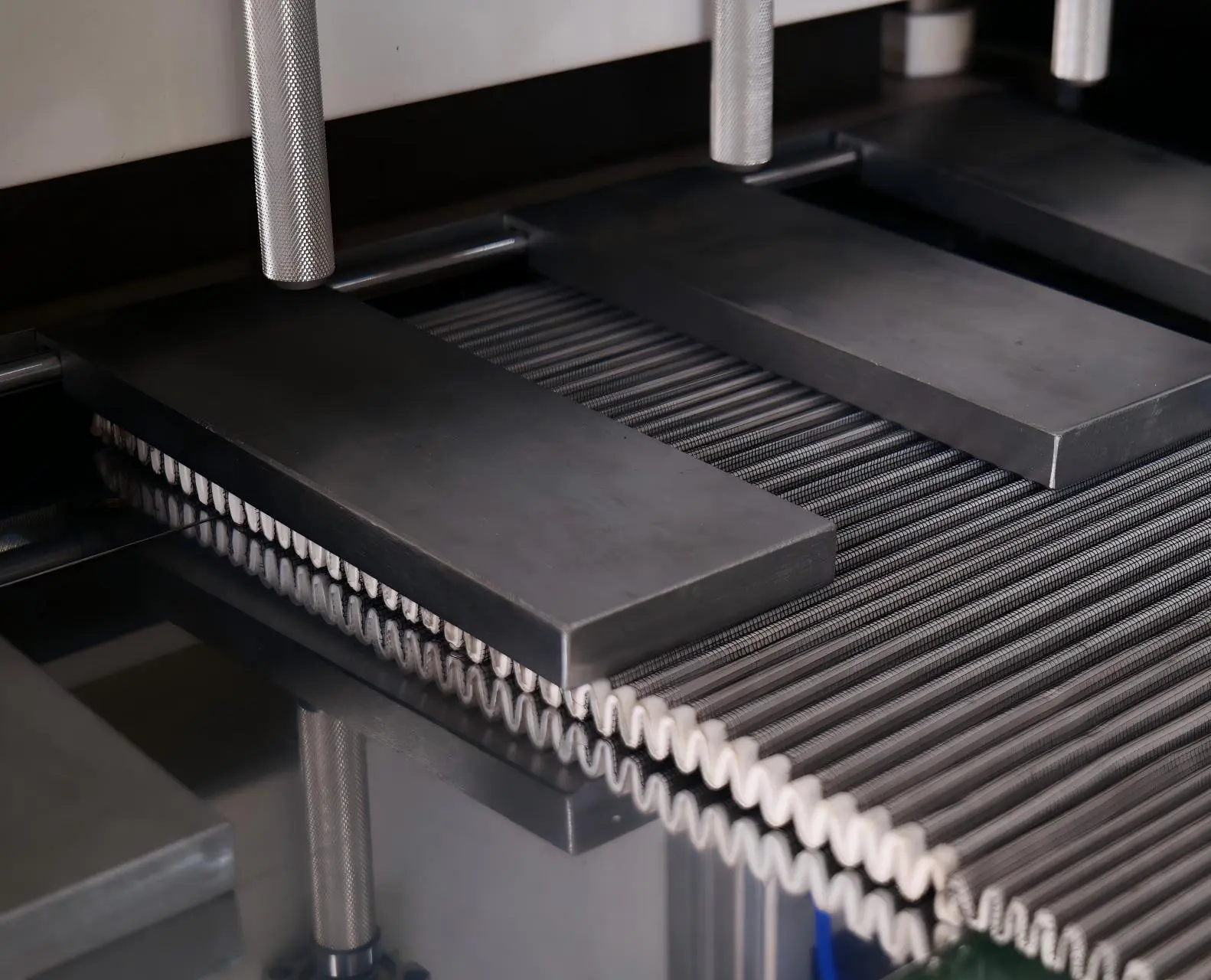
- Xinxiang Filtration Base: Focused on the high-volume production of air compressor filters, hydraulic inline elements, and separator systems, featuring advanced automated folding machines and robotic welding bays.
- Lubricant Division: Developing specialized synthetic and semi-synthetic air compressor lubricant oils, allowing JCTECH to offer a complete "lube + filter" system optimization. This ensures that the lubricating oil does not chemically react with or degrade the polyurethane sealants and adhesives used in the filter elements.
- Supply Chain Integration: By sourcing raw structural materials locally and producing the filter media to international standards, JCTECH cuts down manufacturing lead times while reducing raw material waste, passing the cost savings directly to the customer as OEM filter deals.
4. Localization Scenarios: Tailoring Filtration to Site Conditions
A major pitfall in industrial procurement is purchasing generic filters without evaluating the actual site conditions. The environment in which a compressor operates determines the required structural materials of the filters:
Humid & Coastal Environments
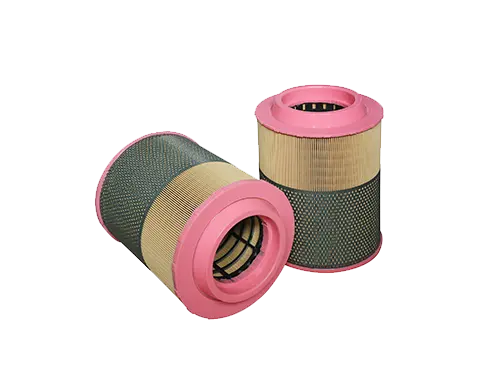
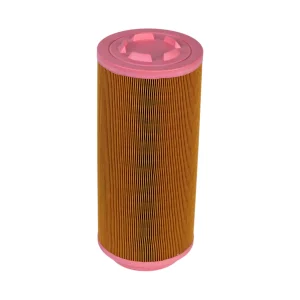
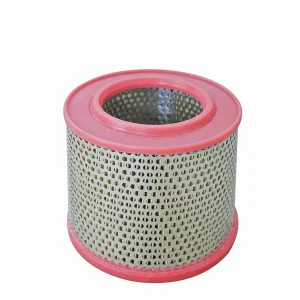
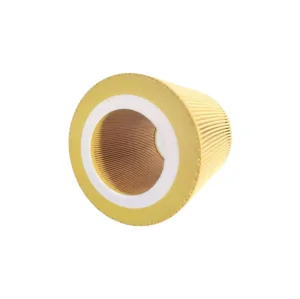
In maritime regions or high-humidity manufacturing plants (e.g., pulp and paper mills, textile factories), standard paper-based air filters absorb moisture, collapse under vacuum pressure, and foster microbial growth. In these scenarios, JCTECH recommends synthetic fiber media or specially treated wood pulp filters featuring water-resistant hydrophobic backings (such as the OEM Air Filter 1621054700 with high-efficiency wood pulp filter paper).
High-Dust Industrial Zones
For cement plants, mining sites, and steel refineries, ambient air is thick with abrasive particulates. Standard air filters clog rapidly, leading to high maintenance cycles. To solve this, JCTECH deploys multi-stage pre-filters combined with nanofiber filtration media that capture fine dust on the surface (surface filtration) rather than deep within the media (depth filtration), enabling pulsed air cleaning and significantly extending service life.