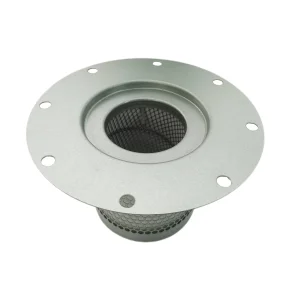
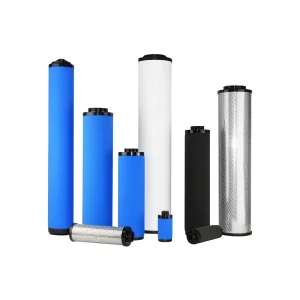
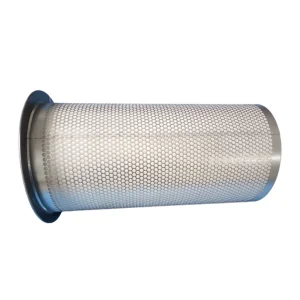
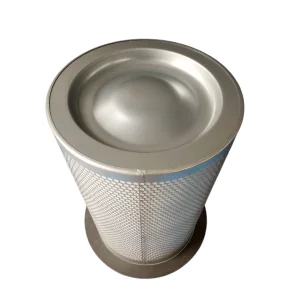
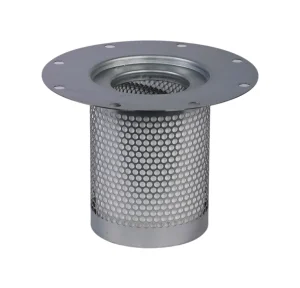
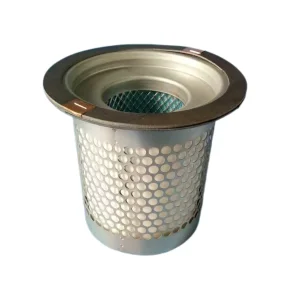
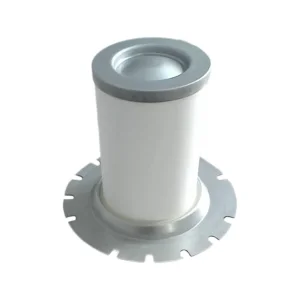
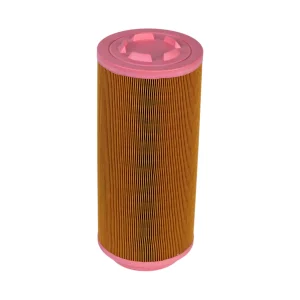
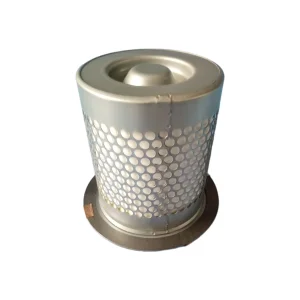
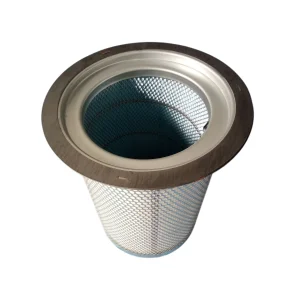
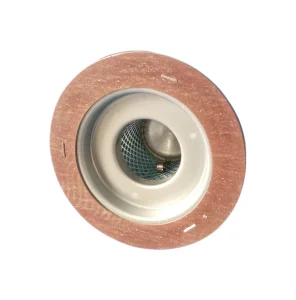
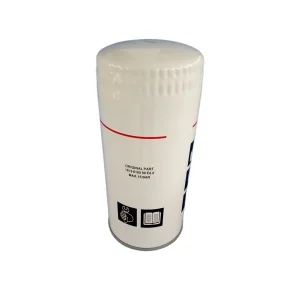
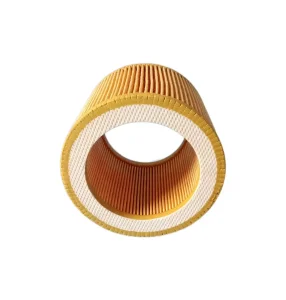
In modern industrial facilities, compressed air is often considered the "fourth utility." However, atmospheric air taken into a compressor is inherently laden with microscopic contaminants, water vapor, and aerosolized lubricants. Without highly robust filtration, these contaminants damage precision equipment, compromise pharmaceutical sterile environments, and ruin high-spec paint operations. An OEM Line Filter plays a pivotal role in this architecture by operating within the delivery line to target sub-micron solid particulates, oil droplets, aerosols, and vapor phases, guaranteeing system-wide air purity according to stringent ISO 8573-1:2010 standards.
The science behind JCTECH line filters is rooted in multi-layered microglass matrix configurations. Our elements leverage physical properties such as inertial impaction, direct interception, diffusion, and electrostatic attraction. These mechanisms ensure that oil aerosols down to 0.01 micron are coalesced into droplets that can be dynamically drained away, preventing downstream migration. With our high-quality elements, your facility realizes substantial energy savings by avoiding the drastic pressure drop common in sub-standard, generic filter substitutes.
Our inline elements consistently fulfill classes 1 and 2 for solid particulates and liquid oil carryover. We provide customized layer counts of micro-borosilicate fibers, delivering absolute reliability for ultra-clean industrial operations.
By leveraging an open-channel pleated geometric design, we decrease initial saturated differential pressure (ΔP) below 0.15 bar, resulting in thousands of dollars of electrical power savings yearly on your screw compressors.
Designed for immediate swap-out capabilities with established European and American housing designs (such as Atlas Copco, Ingersoll Rand, and Domnick Hunter) while providing identical or superior lifetime performance.
Different industries require unique purity thresholds. JCTECH develops specialized material layers targeting target sectors:
Looking ahead, the development of OEM Line Filters is heavily shifting toward smart sensing capabilities. JCTECH is currently prototyping next-generation inline housings equipped with continuous differential pressure sensors and RFID tags. This enables predictive maintenance protocols connected to IoT-driven facility dashboards, ensuring filters are swapped only when they reach the exact limit of optimal efficiency, avoiding premature waste while ensuring no contaminant slip-through.
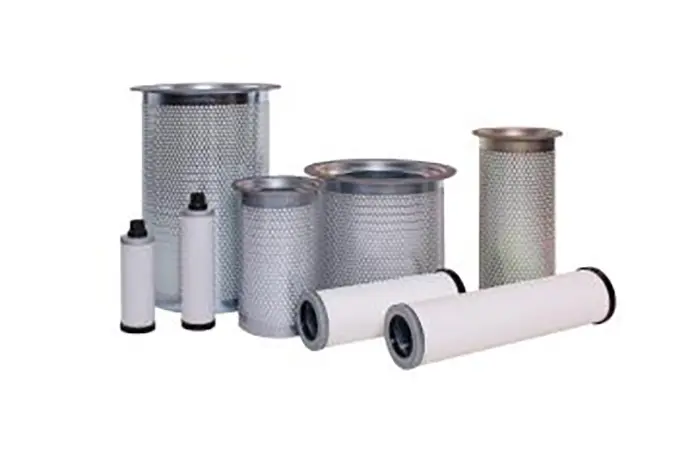
Operating from our advanced manufacturing bases, JCTECH bridges the gap between cost efficiency and high-fidelity product output. Our production lines integrate automated pleated media structures, precision ultrasonic welding, and rigorous leakage tests in compliance with ISO 12500 testing standards. Through strict supply chain integration, we guarantee consistent pricing stability and rapid dispatch to 50+ countries worldwide.
Exceptional technical support tailored for complete system integration. Our specialized technical team resolves sizing, configuration, and flow rate inquiries to keep your pneumatic operations smooth.
Our designated post-sales departments are structured to handle technical integration issues, supply replacement elements on urgent timelines, and provide ongoing preventative training.
We provide full structural warranties against manufacturing defects. If an element collapses or exhibits pressure anomalies under rated flows, we supply replacement parts promptly.
We continuously gather performance data from different global operations. This direct information loop feeds straight back into our R&D department to upgrade raw media materials.
Pressure drop (ΔP) is primarily caused by structural resistance of the media and the accumulation of captured particles. JCTECH utilizes a high-surface pleated borosilicate glass fiber structure. This increases the total surface area by up to 250% compared to standard wrapped designs, reducing friction and initial pressure drop to below 0.15 bar, thereby minimizing energy consumption on the compressor package.
Standard guidelines suggest replacement every 12 months or when the differential pressure reaches 0.35 to 0.45 bar (approx. 5 to 7 psi), whichever comes first. In heavily contaminated or high-heat environments, changing the element every 6 months ensures that downstream air purity levels are consistently maintained.
Yes. Our elements are dimensionally and functionally equivalent to major global brands, including Atlas Copco, Domnick Hunter, Ingersoll Rand, and Hankison. We verify sealing tolerances and media configurations to ensure exact fit and performance without modifying existing filter housings.
Coalescing filters are designed to capture liquid aerosols, droplets, and oil mist by forcing them to merge into larger droplets which drain away. Particulate filters are designed to capture dry, solid particulates like rust, dust, and desiccant dust downstream of adsorption dryers. For complete air treatment, a system typically employs both in series.
Our line filter media and finished elements are built and tested in accordance with ISO 12500-1 (for oil aerosol removal), ISO 12500-2 (for oil vapor removal), and ISO 12500-3 (for particulate removal). This guarantees E-E-A-T standards of performance and reliability.
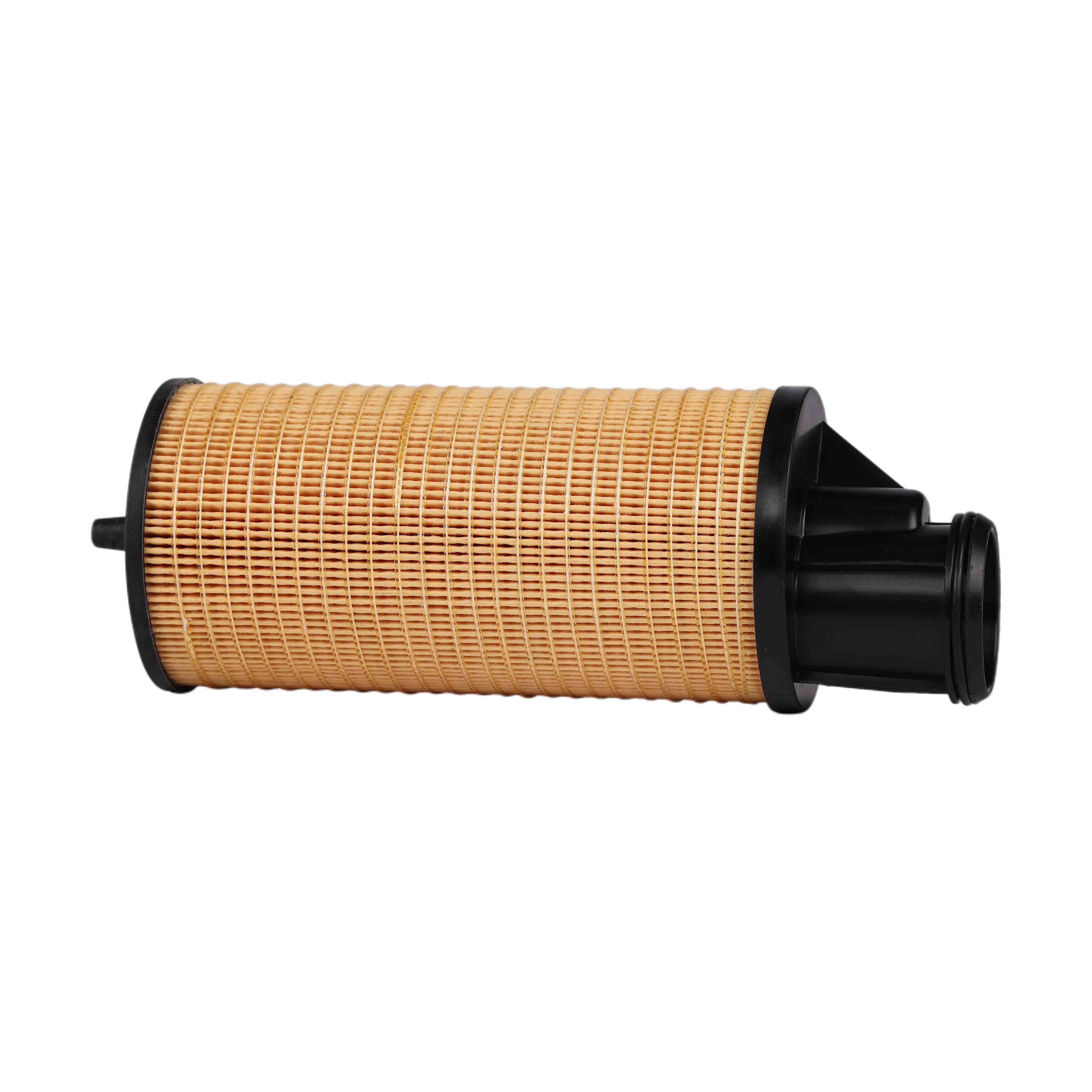
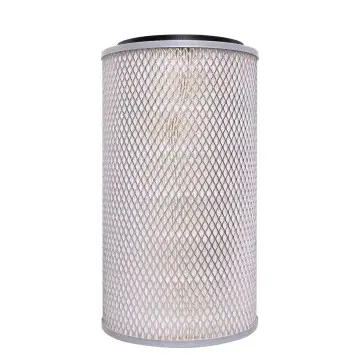
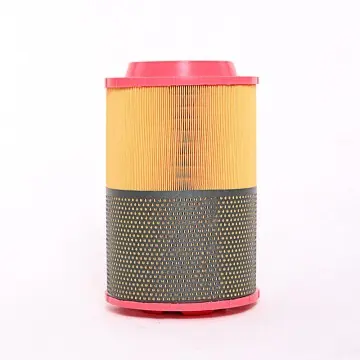
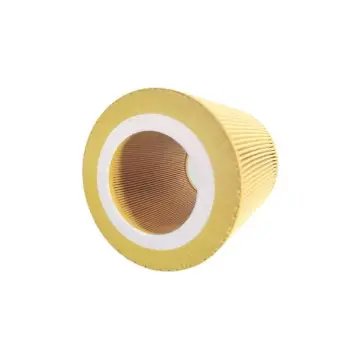
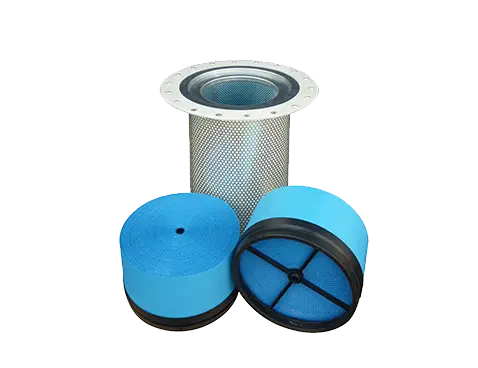
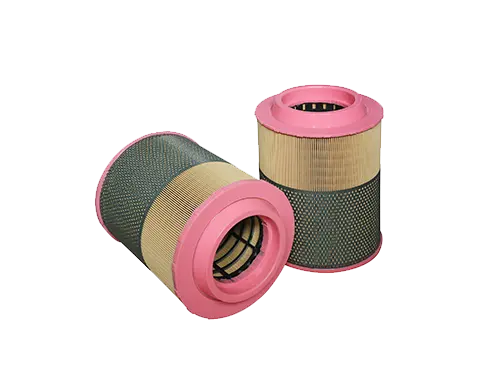
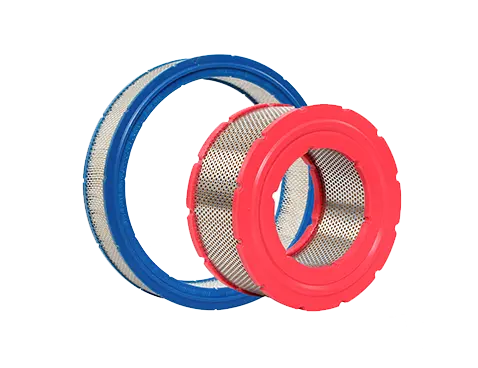
















Recently, JCTECH achieved a major breakthrough in R&D of core accessories for air compressors: the newly designed 24900342 external separator reduces oil carryover ratios to less than 2mg/m³ under high flow.
Learn MoreIn the screaming roar of production plant floors, inline filters operate silently to extract hydrocarbons, liquid water, and solid particulate, preserving downstream tool health.
Learn MoreOil separators are essential structures engineered to isolate oil, grease, and hydrocarbons from wastewater flow. Achieving clean discharge metrics protects local ecosystems and complies with legal statutes.
Learn MoreWhether you need customized dimensional configurations, special media ratings, or volume OEM price structures, our engineering desk will response within 2 hours.
 Jiong Cheng