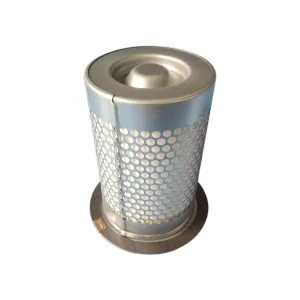
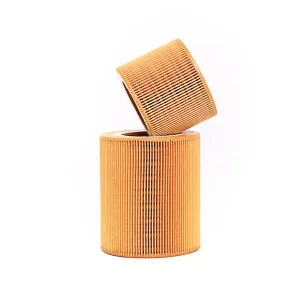
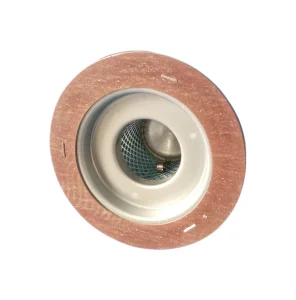
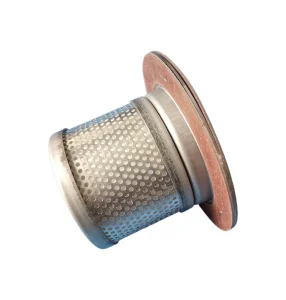
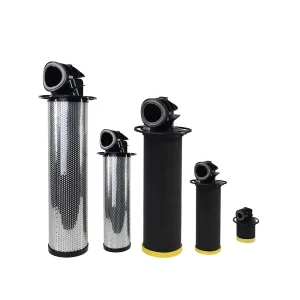
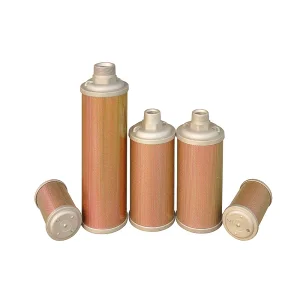
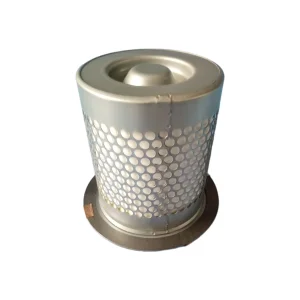
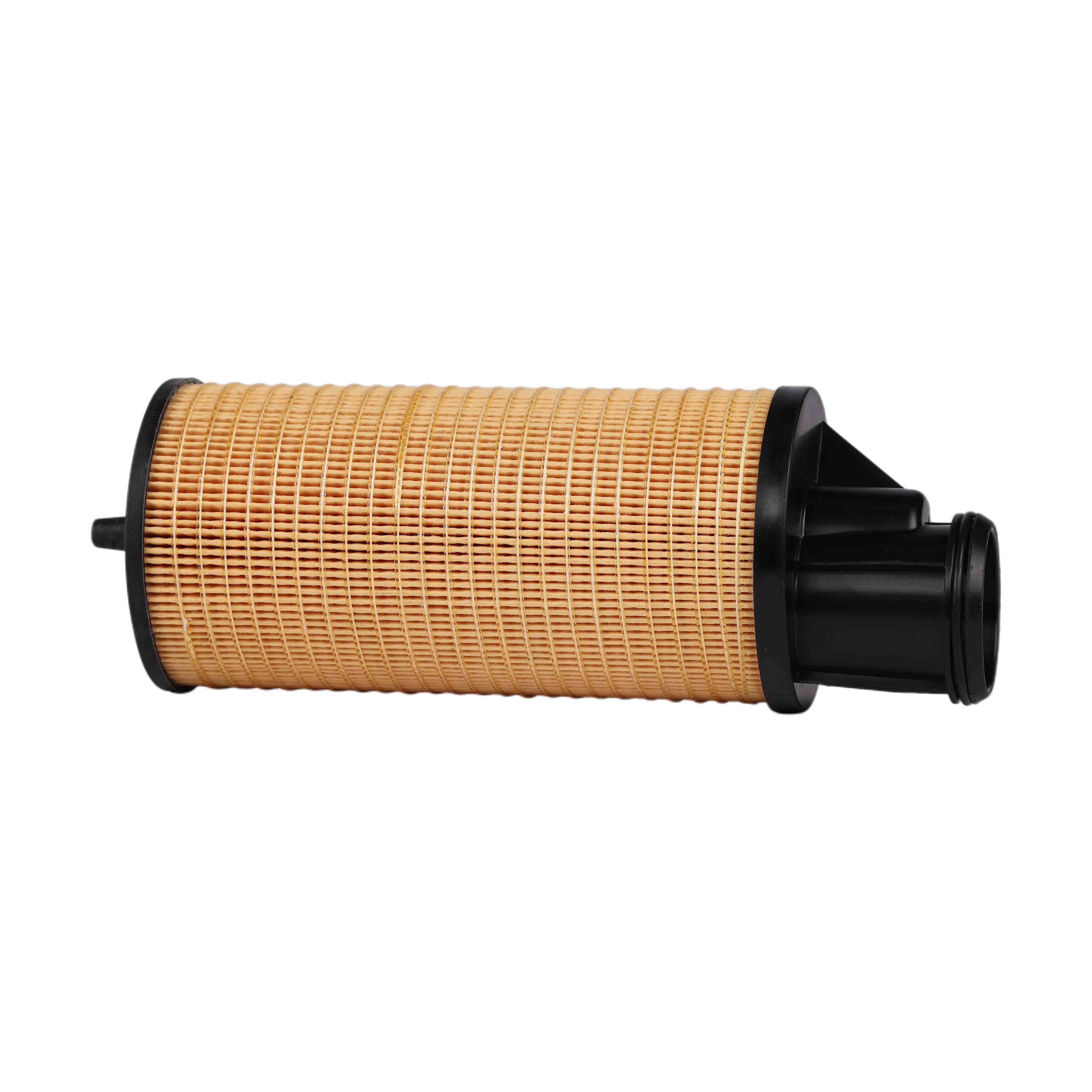
The Global Science of Industrial Filtration Elements
An Industry Whitepaper on Separation Physics, Supply Chain Economics, and Performance Engineering
1. Introduction: The Critical Role of High-Performance Filtration in Industry 4.0
In modern industrial operations, compressed air and gas systems serve as the invisible backbone of automated assembly lines, chemical reactors, pharmaceutical processing, and heavy machinery. However, the efficiency of these systems is persistently threatened by ambient airborne particles, oil vapors, moisture, and micro-contaminants. As a leading OEM Filtration Element Manufacturer, we understand that filtration is not merely a maintenance procedure; it is a critical variable directly impacting energy efficiency, system lifespan, and overall product quality.
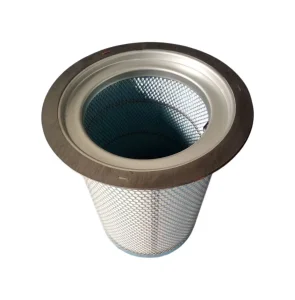
The mechanical processes occurring inside screw compressors require precise oil injection for sealing, cooling, and lubrication. This structural design, however, disperses micro-droplets of oil into the air stream. Without advanced air-oil separators operating at fractional-micron levels, downstream pneumatic machinery suffers from oil carryover, leading to fouled sensors, clogged valves, and catastrophic equipment failures. This whitepaper analyzes how high-performance materials and professional engineering optimize separation pathways to achieve absolute purity standards under intense thermodynamic conditions.
Information Gain Concept: Traditional aftermarket separators experience a rapid rise in pressure drop (ΔP), forcing air compressors to draw up to 8% more energy over their operational lifecycle. Our multi-stage micro-fiber separation structures mitigate this degradation path, preserving clean air standards and system performance.
2. Coalescence Dynamics and the Micro-Physics of Oil Separation
The primary mechanism of an air-oil separator is physical coalescence. As the oil-laden compressed air enters the filter element, it encounters progressive densities of borosilicate glass fibers. These fibers are arranged in calculated, non-woven layers to capture tiny oil aerosols (typically 0.1 to 1.0 microns in diameter) via three distinct capture mechanisms:
- Direct Impaction: Larger particles traveling at high velocity fail to negotiate the tortuous path of the fibers and collide directly with the filter medium.
- Interception: Medium-sized droplets follow the laminar flow curves but make physical contact with individual glass fibers, adhering due to surface tension.
- Brownian Diffusion: The smallest sub-micron aerosols exhibit random, erratic movements caused by molecular collisions. This thermal agitation increases their collision probability with the micro-fibers, ensuring high-efficiency extraction.
As these microscopic droplets collide, they merge to form larger droplets (coalesce), which gradually migrate downward under the influence of gravity and air velocity. The accumulated liquid oil collects in the dry layer of the separator before being recycled back into the compressor lubrication circuit via a dedicated scavenge line.
3. The Global & Industrial Status of Filtration Elements
Globally, the demand for highly efficient, low differential-pressure filtration solutions is accelerating. With strict energy-saving regulations implemented across Europe (such as Eco-design directives) and the Americas, industrial plants are under immense pressure to lower their Carbon Utilization Index. The market is shifting away from standardized, one-size-fits-all components toward customized OEM filtration element structures optimized for highly specific chemical profiles and operational parameters.
Whether it is offshore oil and gas platforms requiring corrosion-resistant stainless-steel end caps, or food and beverage plants demanding FDA-compliant, food-grade synthetic elements, industrial buyers are seeking long-term reliability. A failed filter element does not just represent the cost of a replacement; it involves extensive down-time, clean-up costs, and potentially contaminated final products.
20+
Years of Engineering Expertise
50+
Global Export Countries
10,000+
Square Meters Factory Area
2,000+
Industrial Partners Worldwide
4. Analyzing the Production Advantages of China-Based Filtration Factories
The manufacturing ecosystem in China, specifically centered in industrial manufacturing hubs like Henan and Shanghai, offers unique cost-to-performance advantages. Over the last two decades, Chinese factories have evolved from simple assembly workshops into state-of-the-art Research & Development hubs. By using local vertical supply chains, Chinese manufacturers can source premium raw materials—such as raw wood pulp paper, specialty phenolic resins, and German-imported borosilicate glass fiber—more efficiently and cost-effectively than isolated competitors.
Furthermore, advanced automation in folding, winding, and robotic spot-welding ensures that each structural seam of a China air filter replacement is built to tolerate up to 5 bar of differential pressure collapse limit. This high structural integrity prevents filter degradation under pulsation loads. Consequently, multinational procurement managers can source replacements with identical quality to expensive European-built originals at a fraction of the cost, preserving procurement budgets while maintaining operational safety.
5. Strategic Applications Across Specialized Sectors
Different working environments pose unique challenges for air compressor oil separators and air intake filters:
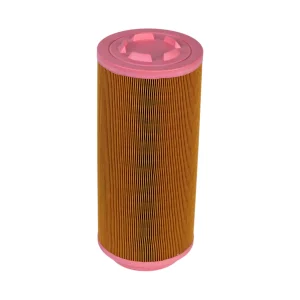
- Mining and Excavation: Ambient environments are heavily saturated with highly abrasive silica dust. Filtration units must utilize premium, double-pass wood pulp paper filters with 99.8% filtration efficiency to prevent premature cylinder wear.
- Chemical and Petrochemical Processing: Air lines frequently encounter acidic vapors and corrosive environments. Filters require custom-engineered metal supports made of high-temperature copper, aluminum, or 316 stainless steel to prevent oxidation and chemical break-down.
- Electronic Manufacturing & cleanrooms: Even micro-scale oil carryover can ruin delicate silicon wafers. Systems rely on multi-stage inline filters with activated carbon cores to adsorb volatile organic compounds (VOCs) and reduce residual oil vapor content to less than 0.003 mg/m³.
 Jiong Cheng