 Jiong Cheng
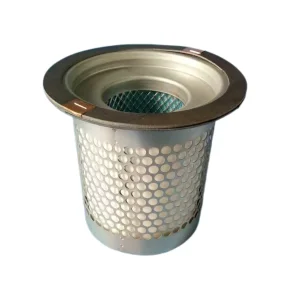
Introduction: The Crucial Role of OEM Filtration in Modern Heavy Machinery
In the heavy-duty machinery, automotive, and industrial manufacturing sectors, the thermodynamic efficiency of internal combustion engines and rotary screw air compressors relies directly on the integrity of their lubrication circuits. An "OEM Engine Oil And Filter Change" represents far more than routine mechanical upkeep—it is a critical maintenance protocol designed to control particulate contamination and maintain fluid viscidity. When heavy machinery operates under extreme loads and temperatures, the lubricant degrades, collecting soot, metallic wear debris, and airborne silica particles. Without high-efficiency filtration, these microscopic abrasive contaminants generate rapid wear in critical components.
For global supply chain directors, choosing reliable OEM suppliers is crucial to achieving optimal operational uptime. Selecting the correct replacement separators, oil filters, and lubrication maintenance partners determines whether a facility achieves maximum mechanical efficiency or suffers costly unplanned downtime. This industrial whitepaper analyzes the mechanical, thermodynamic, and supply-chain aspects of OEM engine oil and filter systems, highlighting the manufacturing advantages that position modern production plants at the forefront of global distribution.
Key Insight: The Microscopic Battle Against Wear
Particles between 5 and 15 microns cause the most severe abrasive wear in dynamic seals and bearings. Standard aftermarket filters often fail to capture this specific size range consistently. Genuine OEM replacement elements, utilizing specialized multi-layered synthetic and micro-glass media, maintain high efficiency throughout their operational life cycle.
Chapter 1: The Global Industrial Landscape of Oil and Filter Systems
The global market for industrial lubrication and oil filtration systems is expanding, driven by the growth of automated manufacturing, mining operations, logistics networks, and heavy infrastructure projects. Industrial air compressors and heavy combustion engines function as the primary drivers of this industrial growth. Modern machines operate with tighter tolerances, higher pressures, and smaller oil reservoirs, which subjects the lubricant to higher thermal stress. Consequently, this environment increases the rate of lubricant oxidation and varnish formation.
In response to these conditions, maintenance programs are shifting from reactive correction to predictive and proactive strategies. Fleet managers and plant directors no longer simply schedule filter changes by calendar dates; instead, they utilize differential pressure (DP) monitoring, oil analysis, and operational hour logging. Consequently, the demand for highly reliable OEM parts has risen, as off-brand alternatives frequently fail under elevated pressures, leading to media bypass, filter element collapse, and downstream contamination.
Chapter 2: The Engineering Principles of Oil-Gas Separation and Filtration
To understand why OEM-grade oil filters and separators are essential, we must examine their underlying physics and fluid dynamics. In a rotary screw air compressor, oil is injected into the compression chamber to lubricate the screws, seal the compression path, and dissipate heat. This process produces a high-velocity, high-temperature mixture of compressed air and oil mist.
Separating the oil from the air stream before it enters the downstream piping is critical. This separation process relies on mechanical collision and coalescing filtration:
- Direct Impact / Inertial Separation: Large oil droplets strike the internal baffles of the separator tank and drop to the bottom of the vessel due to gravitational pull.
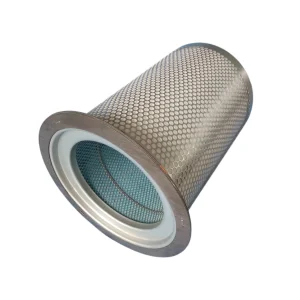
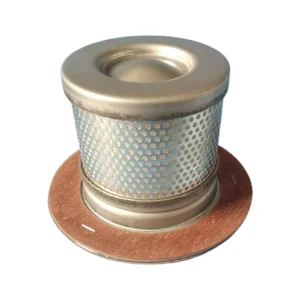
- Interception and Diffusion: Microscopic oil aerosols (less than 1 micron) pass through layers of borosilicate micro-glass fibers. As these tiny droplets follow the airflow, they collide with and adhere to the glass fibers.
- Coalescence: The captured micro-droplets merge along the fibers, forming larger drops that travel to the outer edge of the filter media, where they flow into the return line of the compressor's lubrication system.
If a separator does not utilize high-grade, precisely wound micro-glass media, the residual oil carryover will exceed acceptable limits (often 3 ppm or higher). This excessive carryover contaminates downstream equipment, fouls pneumatic tools, and causes premature system wear.
Chapter 3: The Chinese Manufacturing Advantage in Industrial Filtration
China has established itself as a global leader in the production of high-performance industrial filtration components. Modern manufacturing hubs, such as Shanghai Jiongcheng Industrial Co., Ltd. (JCTECH), combine advanced manufacturing technology with efficient supply chains. The production facilities in Xinxiang, Henan province, specialize in high-precision media winding and metal processing, enabling them to deliver performance that rivals traditional OEM brands at competitive pricing.
Key manufacturing capabilities supporting this efficiency include:
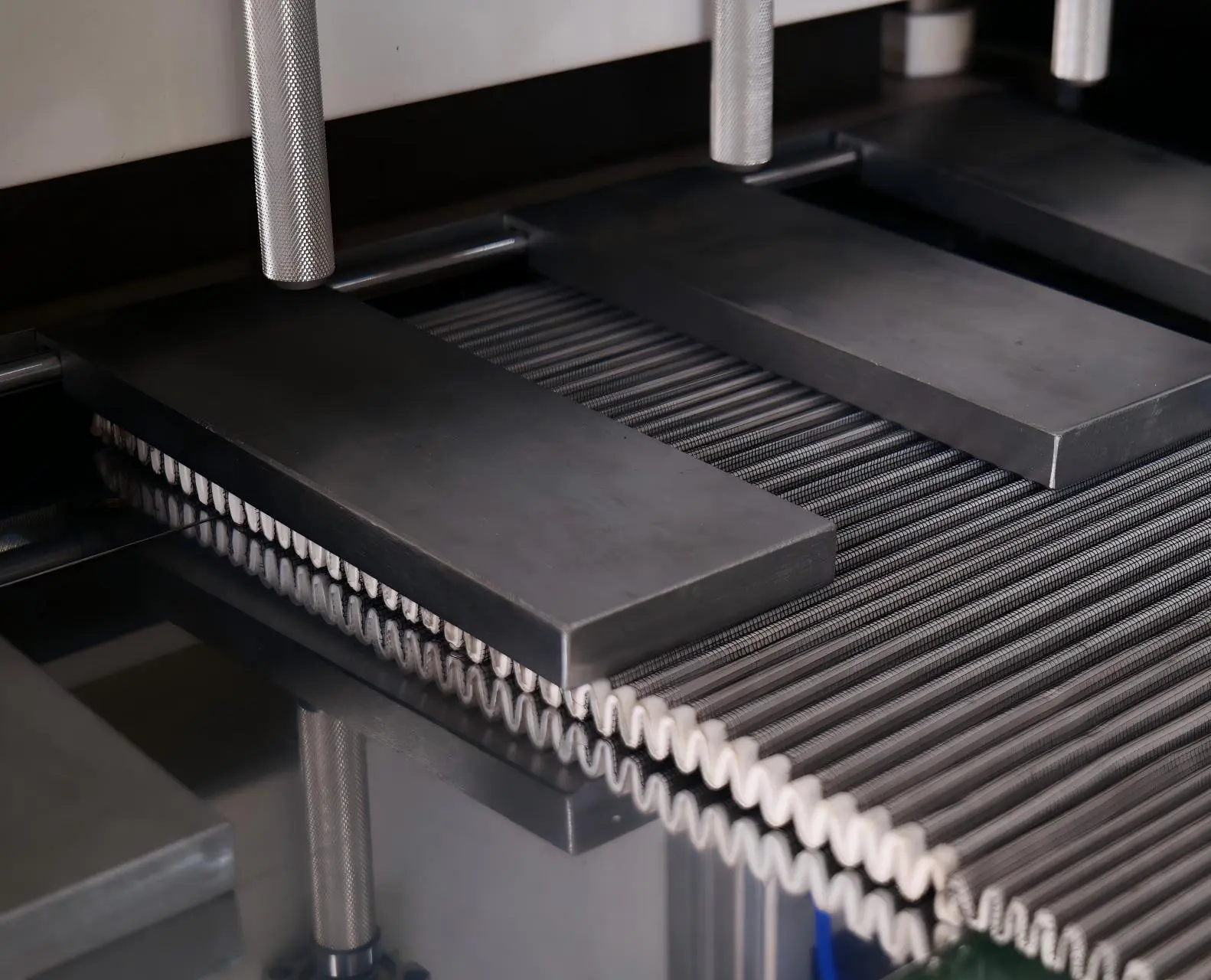
- Advanced Robotics and Automation: Automated winding lines ensure consistent tension and spacing of the micro-glass layers, preventing structural variations that cause premature filter clogging or media migration.
- Reliable Sourcing of Raw Materials: Chinese manufacturers maintain strong partnerships with major international raw material suppliers, ensuring consistent access to high-grade HV glass fiber and durable epoxy adhesives.
- Rigorous Quality Control Standards: Products undergo comprehensive testing, including bubble-point testing to verify pore integrity and differential pressure drop testing to confirm flow efficiency.
Chapter 4: Localized Application Scenarios for Industrial Filters
Industrial equipment must perform reliably across diverse environmental conditions. OEM replacement filters must be selected based on the specific operating environment:
1. Extreme Weather Operations
In cold regions, lubricants thicken, which increases starting torque and places high mechanical stress on the filter element. Conversely, in hot, arid regions like the Middle East, high ambient temperatures accelerate oil oxidation and increase dust ingestion. In these environments, heavy-duty air pre-filters and high-thermal-stability oil filters are required to prevent premature system failure.
2. Offshore and Coastal Environments
Marine environments present the challenge of high humidity and corrosive salt spray. In these settings, filters must utilize corrosion-resistant end caps, reinforced steel supports, and moisture-resistant synthetic media to prevent rust and maintain structural integrity.
3. Chemical and Petrochemical Processing
Chemical processing facilities often contain acidic or solvent vapors in the ambient air. Standard filters can degrade under chemical exposure, leading to media collapse. Specialized OEM separators constructed with chemical-resistant stainless steel and fluoropolymer gaskets are required to ensure safe, continuous operation.
Chapter 5: B2B Procurement and Total Cost of Ownership (TCO)
For procurement managers, focusing solely on the initial purchase price of a filter can lead to higher long-term costs. The total cost of ownership (TCO) of filtration systems includes:
- Energy Consumption: A filter with a high initial differential pressure drops more energy, requiring the compressor motor to work harder. Choosing low-resistance OEM filters helps reduce energy costs.
- Maintenance Interval Length: High-quality filters retain their filtration efficiency longer, reducing the frequency of scheduled maintenance intervals and labor costs.
- Component Protection: Superior filtration keeps the lubricant clean, extending the service life of expensive components such as compressor air ends and engine bearings.
By partnering with established suppliers who provide documented performance metrics and reliable quality control, purchasing departments can minimize operational risk and optimize their maintenance budgets.
About Shanghai Jiongcheng Industrial Co., Ltd.
JCTECH is a company with three manufacturing factories. Besides the traditional filter factory in Xinxiang, Henan province, its lubricant system was founded and started supplying air compressor lubricant oil to China and other countries in the world.
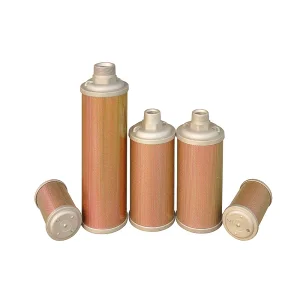
With more than 20 years of experience in high-performance filtration, we specialize in manufacturing equivalent replacements for major international brands. Our team of engineers ensures that every filter, separator, and muffler meets the flow rate, dimensions, and efficiency of the original design.

Service and Technical Support
We can select the appropriate filter element for you according to the working conditions on your site. The oil used in different working conditions is very different. Their manufacturing materials are also different. Our goal is to reduce the number and cost of air compressor maintenance for customers. We also have a warranty period, please consult us for details.
Our Commitments to Operational Reliability

After-Sales Support
Exceptional After-Sales Service for Complete Satisfaction, assisting with technical integration and filter matching.

Comprehensive Support
Our after-sales team is dedicated to addressing any issues and providing ongoing support throughout the equipment cycle.

Warranty and Repairs
We offer warranty and repair services to address any product issues promptly and effectively, securing your investment.

Customer Feedback
We value customer feedback and continuously improve our products and services based on real-world industrial evaluations.
OEM Equivalent Product Series
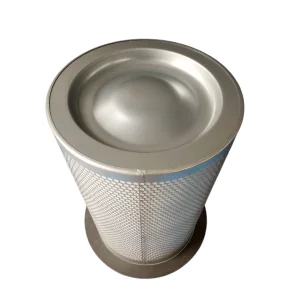
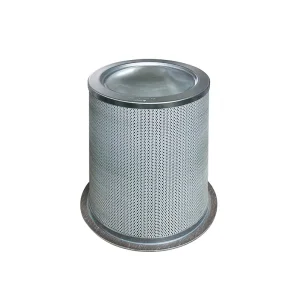
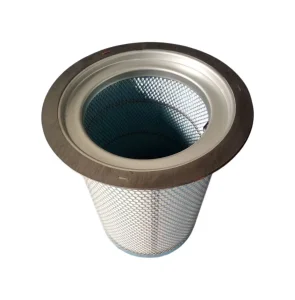
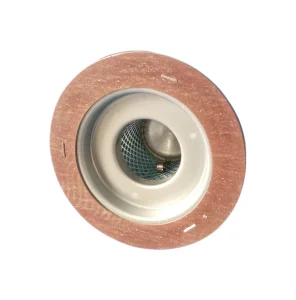
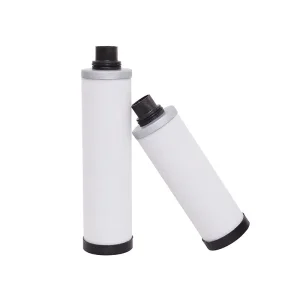
We supply high-efficiency air filters, oil filters, and separators designed to replace OEM parts for leading industrial air compressor brands.
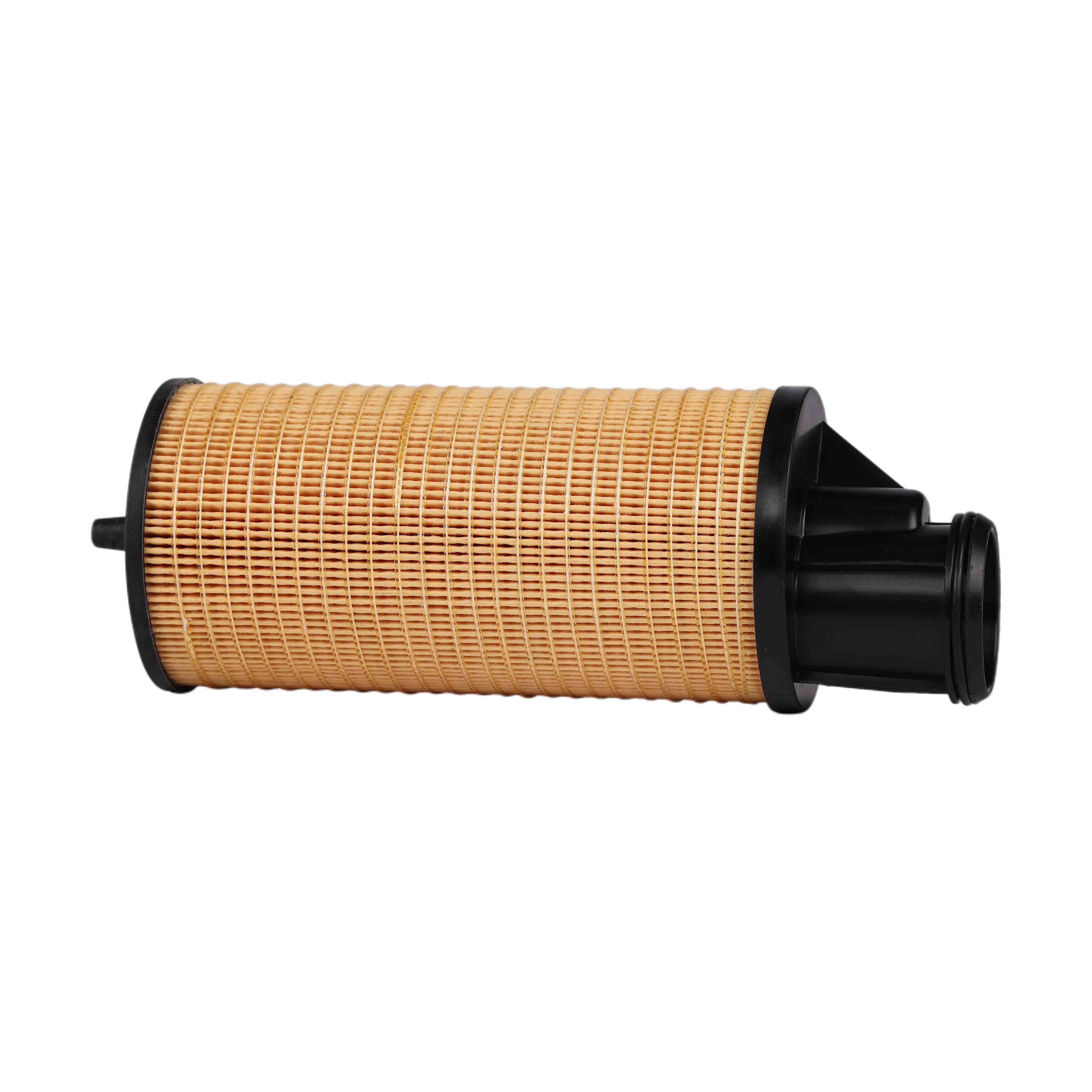
Atlas copco 1622314280 SH8330 Air Filter Replacement
Learn More →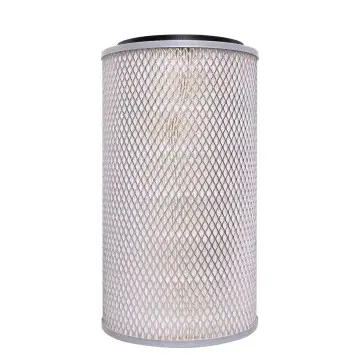
Atlas copco 1619279700 SA6004 Air Filter Replacement
Learn More →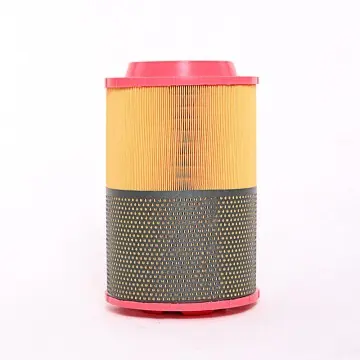
Atlas copco 1613950300 SA6981 Air Filter Replacement
Learn More →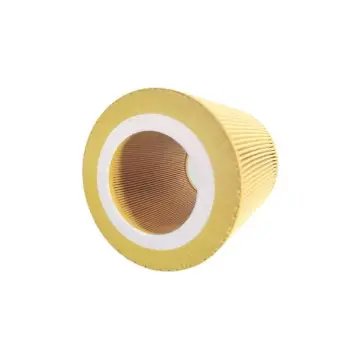
Atlas copco 1613872000 SA6931 Air Filter Replacement
Learn More →Compatible Brands & Interchangeable Systems















Hot Selling Models
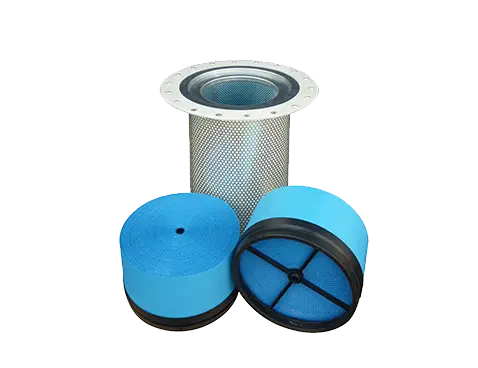
RS-BC602 High Efficiency Element
Request Quote →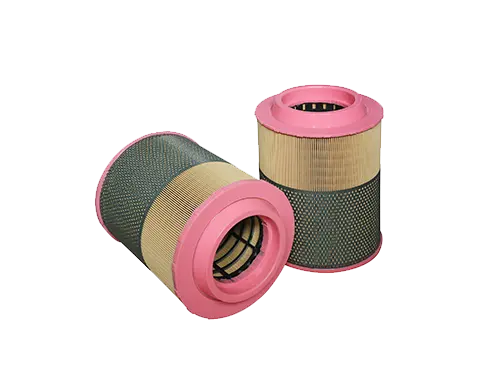
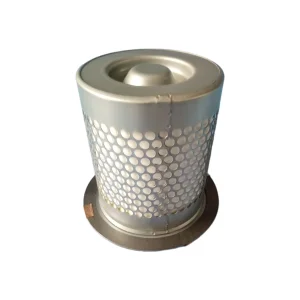
RS-B3609 Separation Filter
Request Quote →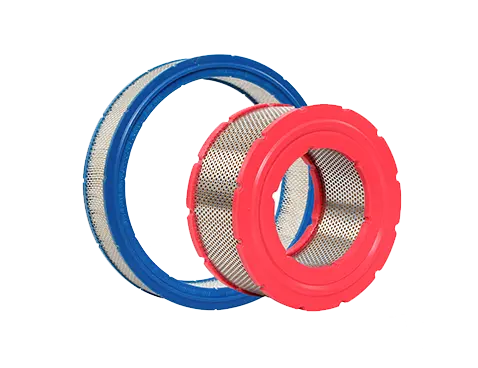
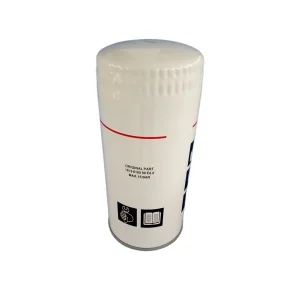
RS-B6203 Durable Oil Filter
Request Quote →Need Custom Sizes?
Send us your specific drawings or OEM part numbers for a custom quotation.
Contact Engineering