Engineered to exact OEM specifications, our high-efficiency filtration solutions ensure minimal pressure drops and optimal system protection.
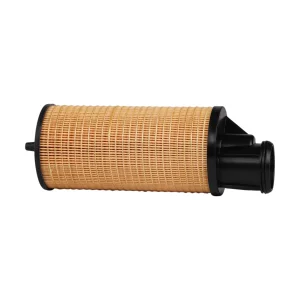
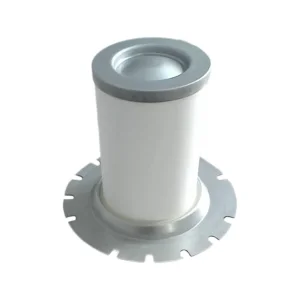
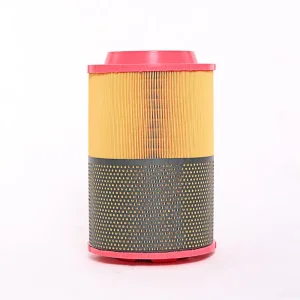
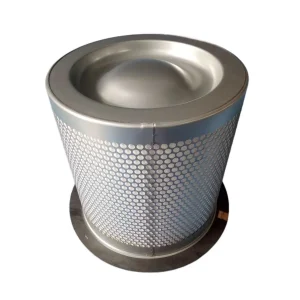
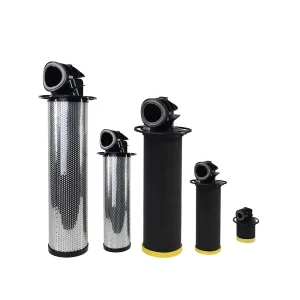
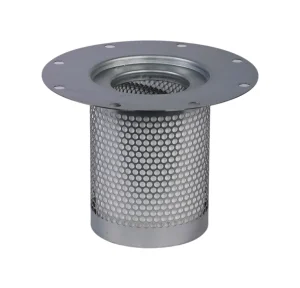
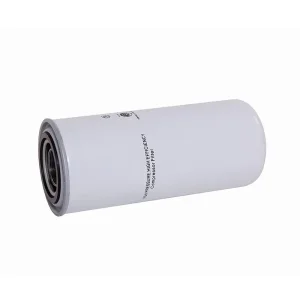
In the field of high-capacity compressed air systems, the term "Air Filter Rate" is not just a parameter of physical size or standard volumetric flow. It represents the comprehensive filtration efficiency coefficient, dust retention capability, and differential pressure threshold (ΔP) over time. For heavy manufacturing plants, process industries, and automated production facilities, selecting the correct air filter rate is key to avoiding premature system wear. High efficiency air filtration keeps mechanical parts working properly and preserves clean air lines.
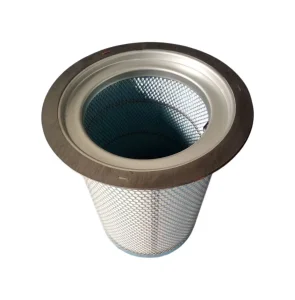
An air compressor draws in thousands of cubic meters of ambient air every hour. This ambient air is not clean; it contains millions of microscopic particulate matter (PM10, PM2.5), airborne dust, oil vapor, and moisture. When air is compressed, these contaminants become concentrated. If the inlet air filter fails to capture these particles, they enter the screw element, damaging the rotor surfaces, degrading the lubrication oil, and clogging the oil separator element. Therefore, sourcing high-efficiency air filters from a verified manufacturer is a primary requirement for plant engineers looking to optimize equipment runtime.
"Every millibar of pressure drop across an air filter directly corresponds to lost compressor power. Selecting an optimized OEM air filter rate ensures maximum particulate protection with minimum flow resistance, saving thousands of dollars in annual energy costs."
Over the past few decades, China has evolved from a basic manufacturing hub to a global leader in advanced industrial filtration engineering. Chinese factories, particularly those located in industrial clusters like Xinxiang in Henan province, have built integrated supply chains that produce quality filters on par with Western OEMs at competitive price points.
By sourcing raw filtration media from globally recognized suppliers such as HV (Hollingsworth & Vose) and Ahlstrom, and combining them with local manufacturing processes, Chinese factories achieve excellent filtration precision. The local production system allows for rapid prototyping, customized dimensions, and rigorous quality control testing under one roof.
Leading manufacturers in China have invested in advanced testing equipment. This includes fractional efficiency test benches, oil aerosol detectors, and pressure-drop evaluation units that comply with international standards such as **ISO 12500** and **ISO 5011**. This ensures that replacements for brands like Atlas Copco, Sullair, and Ingersoll Rand meet or exceed original specifications.
Automation in filter pleating, polyurethane molding, and endcap welding reduces manual labor costs while increasing consistency. These savings are passed on to global buyers, enabling them to reduce their operational expenditures without compromising equipment lifetime.
The industrial filtration landscape is changing, driven by the need for energy efficiency, smart operations, and environmental sustainability.
Standard cellulose paper filters are being replaced by nanofiber-coated media. These ultra-thin fibers create a surface filtration layer that captures sub-micron dust particles before they penetrate deep into the media structure. This reduces initial pressure drop and significantly extends filter life.
Future air compressor systems will feature smart air filters equipped with differential pressure sensors linked to cloud-based monitoring platforms. Instead of changing filters on a fixed schedule, plants can perform predictive maintenance based on real-time filter condition data, minimizing waste and avoiding unplanned downtime.
With global industries focusing on ESG (Environmental, Social, and Governance) targets, manufacturers are developing eco-friendly filters using recyclable steel frames, halogen-free adhesives, and biodegradable filter media. This makes disposal simple and reduces the overall carbon footprint.
Air compressor systems operate in widely different environments. A standard filter may perform well in a clean packaging plant but fail within days in a harsh mining setup. Understanding these scenarios is key to proper specification:
In cement plants, the air is thick with abrasive calcium carbonate dust. Filters used here need high dust-holding capacity and robust mechanical structures (such as heavy-duty expanded metal cages) to prevent pleat collapse under high intake pressures.
Offshore drilling platforms and coastal chemical plants require hydrophobic filter media. Water-resistant coatings prevent moisture from softening the filter paper, which would otherwise cause high pressure drop and allow dissolved salt particles to pass through.
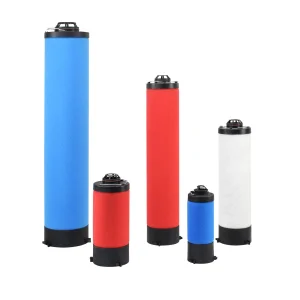
In cleanroom environments, even a trace amount of oil aerosol or fine dust can spoil an entire production batch. Here, high-grade coalescing and inline activated carbon filters are used downstream to ensure the air meets ISO 8573-1 Class 1 or Class 0 purity standards.
Achieving clean compressed air requires a systematic approach. The inlet air filter, oil filter, and air/oil separator must work together to maintain system efficiency.
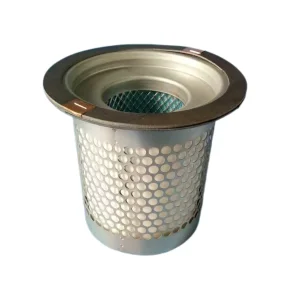
A high-efficiency intake air filter stops larger particles at the entry point. The oil filter removes wear debris from the lubricating fluid, and the air/oil separator removes remaining oil mist before the air enters downstream pipelines. Operating these components together keeps pressure drops low, ensures smooth lubricating oil performance, and protects downstream pneumatic tools and valves from contamination.
For procurement managers, choosing a supplier involves evaluating several key metrics:
We provide comprehensive support, warranty coverage, and engineering services to ensure your air systems operate reliably.

Exceptional After-Sales Service for Complete Satisfaction. Our dedicated team is available to assist with technical support and installation questions.

Our after-sales team is dedicated to addressing any issues, helping you select replacement parts, and providing ongoing system optimization support.

We offer warranty and repair services to address any product issues promptly and effectively, keeping your downtime to a minimum.

We value customer feedback and continuously improve our products and services to meet evolving industrial requirements.
Our manufacturing infrastructure and international trade capabilities make us a trusted partner for global clients.
We select filtration elements based on your site's specific operating conditions. Because different operating environments require different lubricating oils and filter materials, our team evaluates these factors to help reduce maintenance frequency and total cost of ownership. We also provide product warranties for peace of mind.
Read More About Us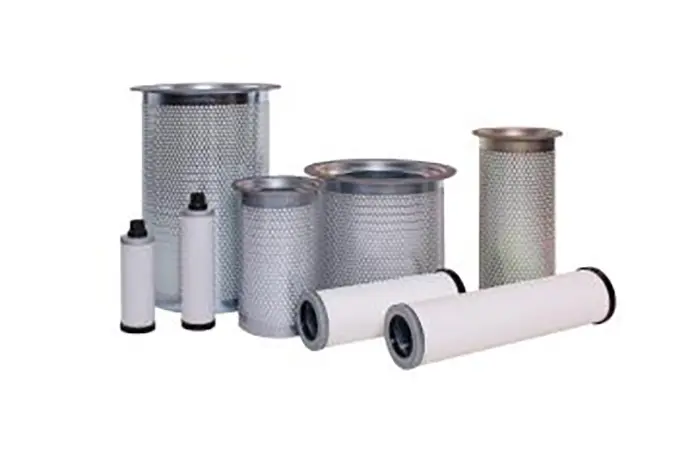
We supply replacement filters compatible with many major international industrial brands.






Answers to common questions about industrial air compressor filtration and maintenance.
Under normal operating conditions, we recommend replacing the air filter element every 2,000 to 3,000 hours of operation. However, in heavy-dust environments (such as cement processing or mining), the filter may need replacement every 1,000 hours or when the differential pressure indicators flag high resistance.
As the filter accumulates dust, it restricts airflow, causing a pressure drop. A higher pressure drop forces the air compressor to run at higher power levels to maintain target pressure. Replacing clogged filters regularly helps keep energy consumption within standard limits.
Yes. We have in-house engineering and production facilities that allow us to customize filter sizes, structural steel reinforcements, and media specifications to meet specific industrial requirements.
Our filters are designed to match the fit and performance parameters of OEM parts. We use exact measurements for diameters, sealing surfaces, and filtration ratings to ensure proper function in major brand compressors.
Stay up to date with the latest technical developments and product releases from the JCTECH engineering team.
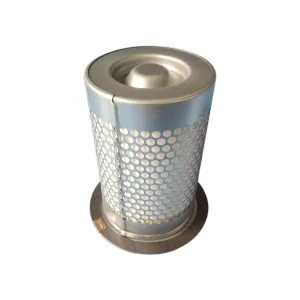
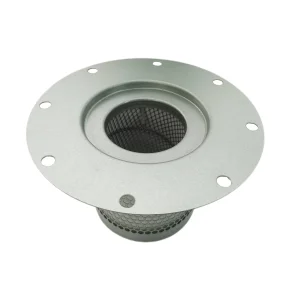
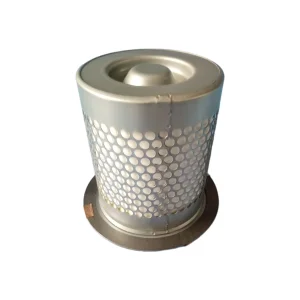
Recently, JCTECH has achieved a breakthrough in the R&D of core accessories for air compressors with our newly developed 24900342 external oil separator replacement.
Learn MoreIn the compressed air system, the air filter, oil filter, and oil-gas separator function as precise, silent guardians that keep equipment running smoothly.
Learn MoreOil separators are designed to separate oil, grease, and hydrocarbons from water. This step is key for system cleanliness and environmental compliance.
Learn MoreIf you need assistance with specific technical questions, dimension verification, or bulk pricing, send us a message. Our technical team is available to assist you.
Submit your inquiry below, and our team will get back to you with custom options and pricing information.
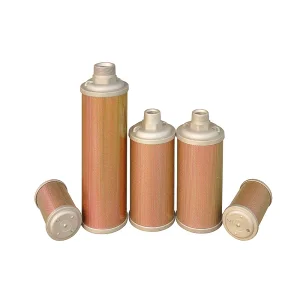
Explore our full line of industrial replacements, including oil separators, exhaust mufflers, and inline filters.
 Jiong Cheng

