Explore our high-performance OEM replacement filters engineered for critical operating parameters, delivering maximum reliability and efficiency.
Years Experience
Country Presence
Global Customers
Production Facility
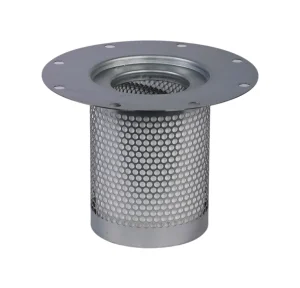
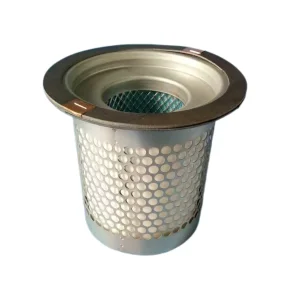
Within compressed air networks, oil-gas separation represents a pivotal technological node. Industrial rotary screw and vane compressors inject large volumes of lubricant to seal clearances, dissipate thermal loads, and prevent internal friction. For high-demand applications, downstream air must remain contaminant-free. High-precision air-oil separators must process high-velocity aerosol mixtures to reduce lubricant presence to trace levels, typically below 1-3 parts per million (ppm). Achieving this target demands advanced mechanical configuration and sophisticated fiber science.
Oil-gas separation utilizes dynamic multi-phase mechanics. The process relies on three primary filtration behaviors within the borosilicate micro-fiberglass matrix: Direct Interception, Inertial Impaction, and Brownian Diffusion. Direct interception targets larger droplets, which cannot bypass tight fiber gaps. Inertial impaction addresses medium-sized particles, where momentum drives them into fibers at directional changes. Brownian diffusion captures sub-micron droplets, which follow erratic paths and collide with fibers.
Coalescing separators aggregate microscopic liquid droplets into larger fluid streams. As oil particles travel through the progressive density layers of the borosilicate matrix, they collide and merge. Capillary forces then push these larger droplets to the outer boundary, where gravity pulls them down into a sump for recirculation. The system's efficiency depends on balancing pore size gradient, fiber density, and superficial velocity to prevent re-entrainment—a condition where high gas flow shears collected oil back into the air stream.
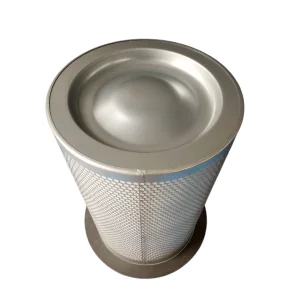
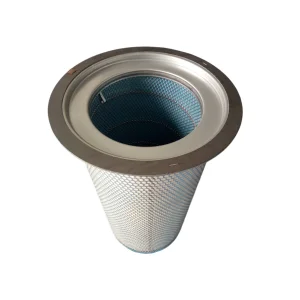
Modern industrial operations require high dust-holding capacity and low flow resistance. Traditional winding-type (wrapped) separators feature structured glass-fiber webs wrapped around a perforated metal core. While durable, their surface area remains restricted, which increases differential pressure drop during continuous operation. In contrast, pleated separators fold the media layers to multiply active surface area by 200% to 300%. This design reduces face velocity, limits operating pressure drop, and extends service life up to 4,000 hours.
Additionally, modern systems use specialized wrap-around structures and multi-stage media configurations. A typical multi-stage separator combines a coarse pre-separation layer, a primary micro-fiberglass coalescing stage, and a final polishing layer. Using high-grade materials like HV (Hollingsworth & Vose) and Lydall glass-fiber webs protects the structural assembly against chemical degradation from synthetic oils, preventing collapse under sudden pressure spikes.
Shanghai Jiongcheng Industrial Co., Ltd. (JCTECH) has updated its production lines to meet high quality standards for replacement separators. Operating from three manufacturing facilities, including a major filtration plant in Xinxiang, Henan province, JCTECH has transitioned from manual assembly to Industry 4.0 production processes. Key highlights include:
Global procurement teams must manage supply chain risks and ensure product compatibility. Working with an experienced OEM air compressor separator manufacturer like JCTECH simplifies this process. Key supply chain factors include:
Our filtration components are engineered to perform reliably across key sectors, including mining operations and high-purity medical environments.
Silicone-free separation guarantees clean compressed air for paint shops, protecting finish quality and preventing paint defects like cratering.
Integrated oil-separator systems lower downstream filtration loads, helping facilities maintain Class 0 purity and keep processing systems free of oil carryover.
Reinforced support structures and deep-bed pre-filtration layers keep heavy-duty screw compressors running smoothly in dusty, high-vibration mining conditions.
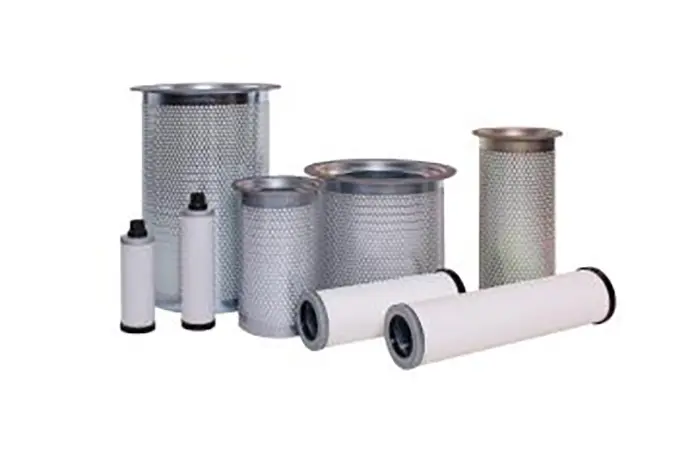
Operating conditions dictate appropriate filtration materials and configurations. Ambient temperature, humidity, chemical structure of synthetic/mineral lubricants, and dust ingress all affect system performance. Our engineering team assists customers in matching separation media to their specific field environments.
We focus on reducing maintenance frequency and lowering overall lifetime operating costs. By selecting the correct filter element, companies can prevent premature pressure drop rises, cut energy consumption, and extend machine lifespans. We also offer comprehensive warranty coverage on all replacement parts.
Read More About UsWe supply precision-manufactured replacement filters compatible with leading global air compressor brands, matching original equipment standards.
















High-efficiency filtration components engineered for clean, reliable industrial air delivery.
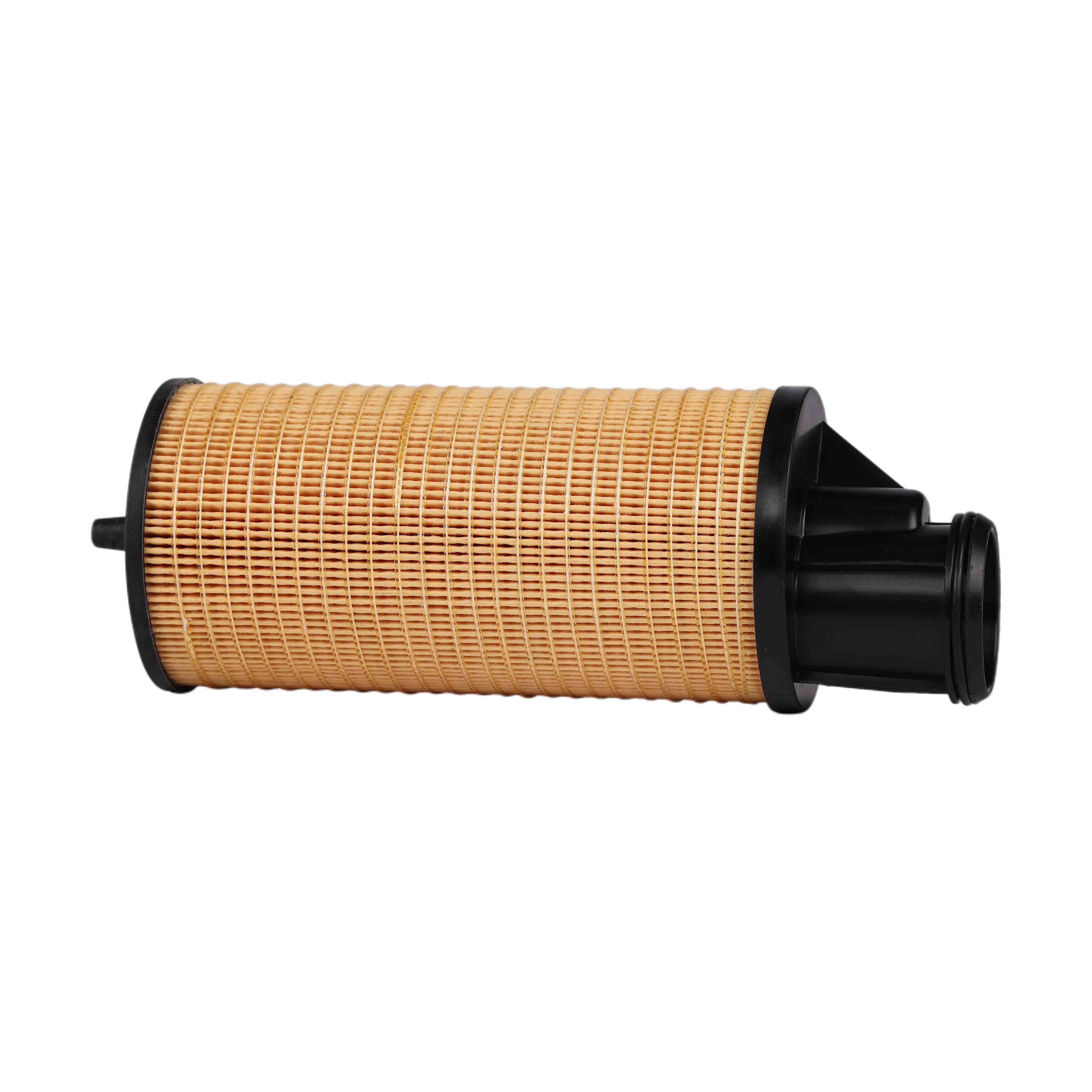
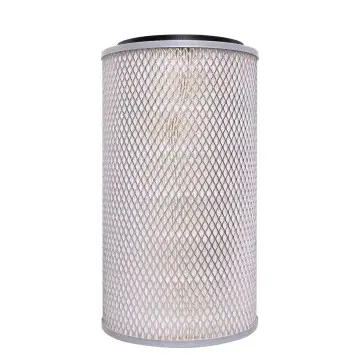
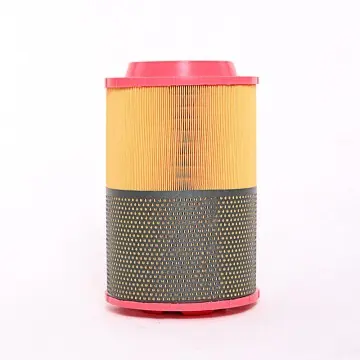
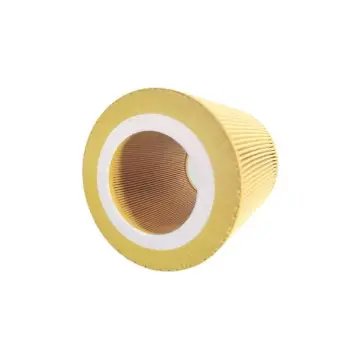
JCTECH operates three dedicated manufacturing factories, specializing in high-quality replacement filtration elements for industrial air systems. Alongside our core filter factory in Xinxiang, Henan province, we formulate and supply high-performance lubricants designed for screw air compressors operating under challenging thermal conditions.
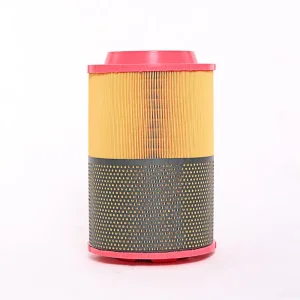
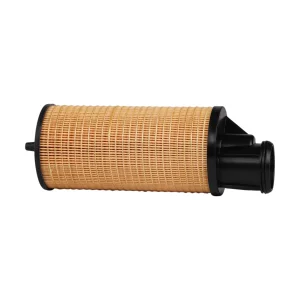
Our engineering team designs drop-in replacement separators and air filters that match original OEM technical specifications. This focus on compatibility and performance helps operators minimize downtime, extend service intervals, and reduce overall maintenance costs.
Explore Our Factories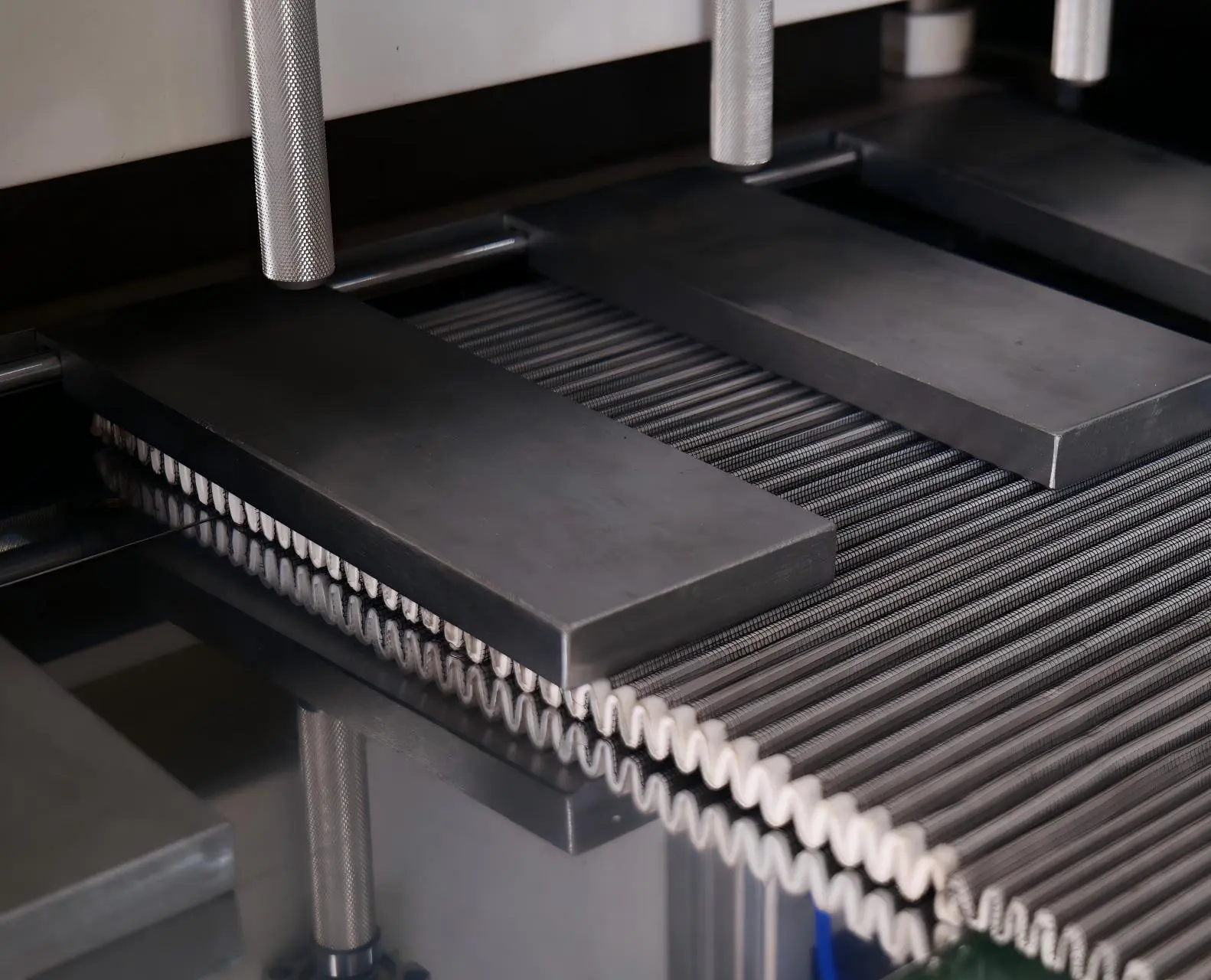
High-demand separation systems built for efficient air delivery under high operating pressures.
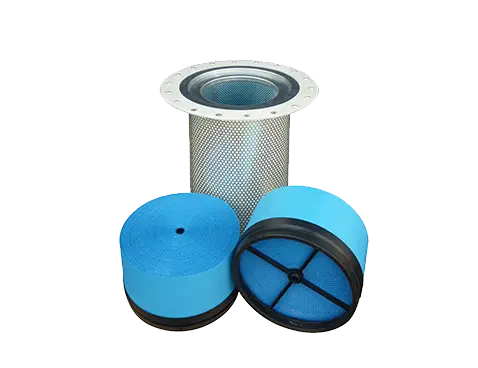
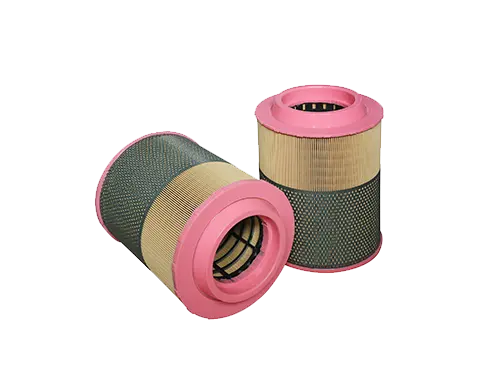
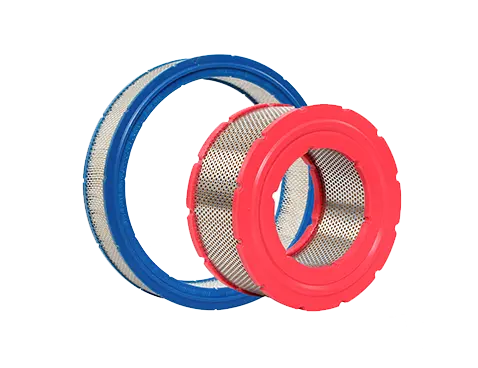
Analyzing industry shifts toward decarbonization, synthetic lubricant compatibility, and smart diagnostic monitoring.
Modern industrial plants require air compression systems that minimize energy loss. In typical industrial networks, pressure drops caused by clogged separation elements directly increase compressor energy use. To address this issue, manufacturers are focusing on three main development areas:
Next-generation separation elements use synthetic polymeric nanofibers to create high porosity matrices. This design reduces restriction to airflow while maintaining efficient oil coalescing.
Modern compressor systems include differential pressure sensors linked to cloud platforms, allowing operator teams to monitor filter lifespan and schedule service proactively.
As operations switch to biodegradable synthetic lubricants, separation elements must resist chemical swelling and degradation, maintaining structural stability throughout their lifespan.
Read answers to common engineering questions regarding the maintenance, selection, and troubleshooting of coalescing elements.

Our global service team handles technical inquiries and replacement parts assistance to help minimize system downtime.

We provide sizing calculations, fluid compatibility analysis, and custom media selections tailored for high-temperature operations.

All replacement elements are manufactured under ISO 9001:2015 standards and backed by a comprehensive performance warranty.

We update product geometries and mechanical features based on field performance reports from our global industrial partners.
Read about our recent design milestones, material developments, and engineering updates.
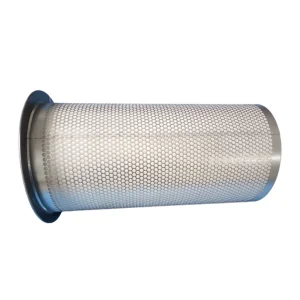
JCTECH has introduced the 24900342 external oil separator replacement, designed to help reduce energy consumption in high-capacity screw compressors.
Learn MoreA detailed review of how high-efficiency air filters, oil filters, and oil-gas separators work together to protect compressor internal components.
Learn MoreThis article discusses the mechanics of separating oil, grease, and hydrocarbons from wastewater in industrial processing plants.
Learn MoreIf you need assistance selecting the correct air compressor filters or require custom dimensions, contact our engineering office for a technical review.
Submit Your Engineering Requirements
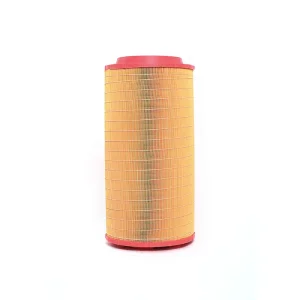
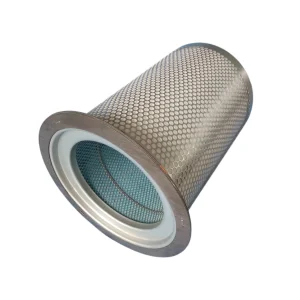
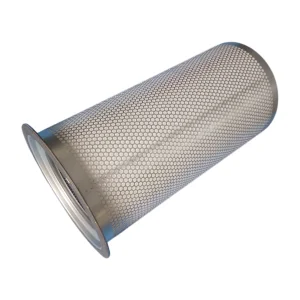
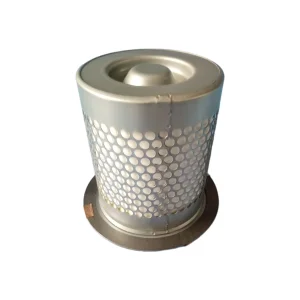
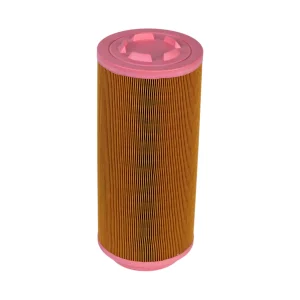
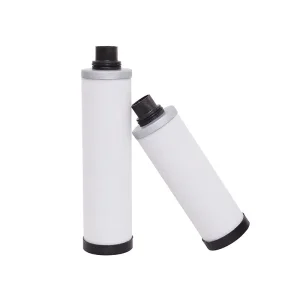
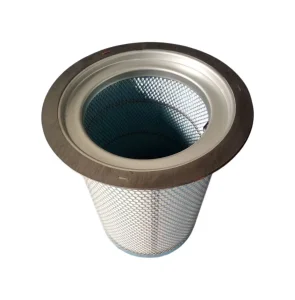
Browse our catalog of compatible air filters and oil separators manufactured for common industrial compressor platforms.
 Jiong Cheng

