
Exceptional After-Sales Service for Complete Satisfaction.

Our after-sales team is dedicated to addressing any issues and providing ongoing support.

We offer warranty and repair services to address any product issues promptly and effectively.

We value customer feedback and continuously improve our products and services based on real-world diagnostics.
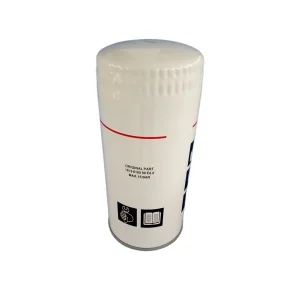
In modern heavy industry, compressed air systems serve as the critical lifeblood of manufacturing automation, processing plants, and energy extraction operations. At the heart of these pressurized pneumatic networks, rotary screw air compressors rely heavily on the thermodynamic integrity of their lubrication systems. High-quality oil filters, air filters, and air-oil separators are not merely maintenance components; they are critical safeguards against system degradation, energy loss, and catastrophic failure of high-value airends.
As a leading hub for industrial manufacturing, China has undergone a dramatic transformation. No longer just a source of low-cost production, China-based manufacturers like JCTECH (Shanghai Jiongcheng Industrial Co., Ltd.) have pioneered sophisticated research and development programs. These efforts have yielded replacement parts that match or exceed original equipment manufacturer (OEM) specifications. Leveraging specialized clusters, such as the historic filtration base in Xinxiang, Henan province, Chinese manufacturing plants have successfully integrated the complete vertical supply chain. They manage raw material sourcing, chemical processing of filtration media, structural metal manufacturing, and advanced quality assurance within a highly localized ecosystem.
This whitepaper explores the material sciences, technical roadmaps, manufacturing efficiencies, and global supply dynamics that define China's leading oil filter parts factories. It provides procurement departments and systems engineers with the technical insight required to evaluate filtration assets on a total-cost-of-ownership (TCO) basis.
Technical Focus: A filtration system’s efficiency determines the longevity of the downstream pneumatic components. Even a 0.1% drop in particulate capture rates can increase airend wear, resulting in a 15% reduction in overall system lifetime.
The separation of oil aerosols from compressed air streams is governed by complex fluid mechanics, including inertial impaction, direct interception, and Brownian diffusion. Industrial air-oil separators must process high-velocity airstreams laden with microscopic lubricating oil droplets (often under 1 micron in size) and reduce the oil carryover to less than 3 milligrams per cubic meter (3 mg/m³).
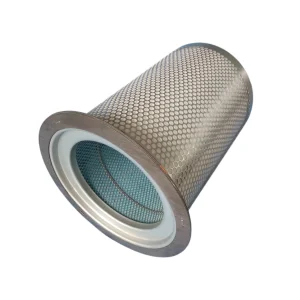
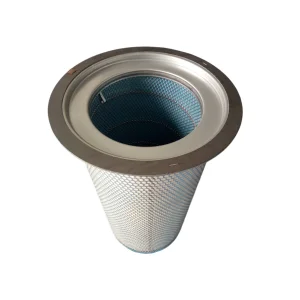
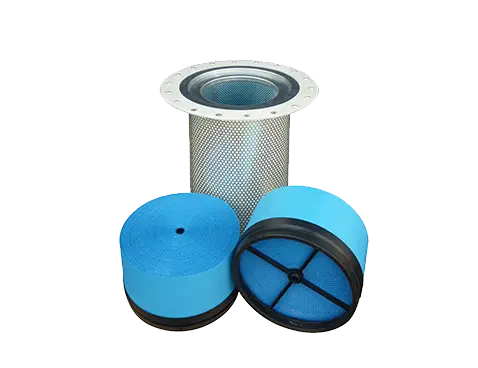
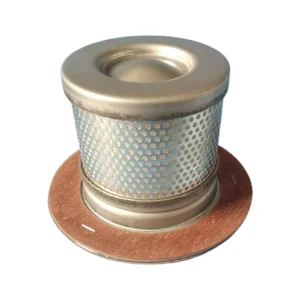
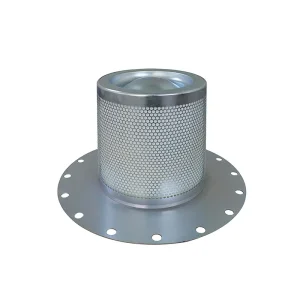
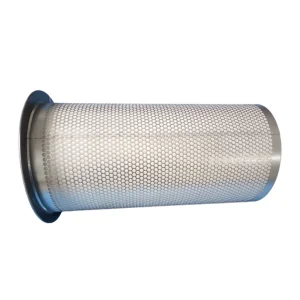
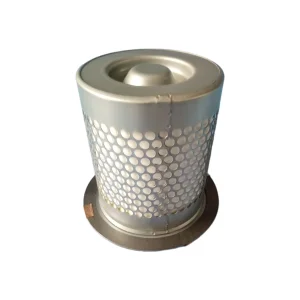
High-performance separators, such as replacements for DB2089 and DB2167, rely on multi-layered borosilicate glass micro-fiber matrices. These fibers are configured in graded densities. As air flows through the structural layers, the oil droplets are intercepted by the glass fibers and coalesce into larger drops. Under the force of gravity, these larger droplets migrate to the bottom of the filter element where they are returned to the lubrication circuit via a dedicated scavenger tube. The structural design must withstand significant differential pressures (up to 5 bar or more under surge conditions) without media migration or collapsing.
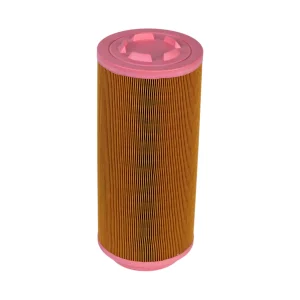
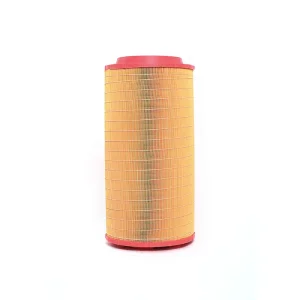
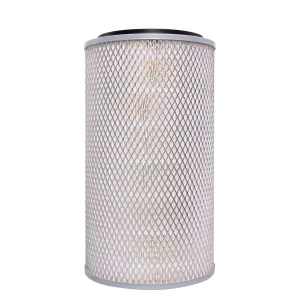
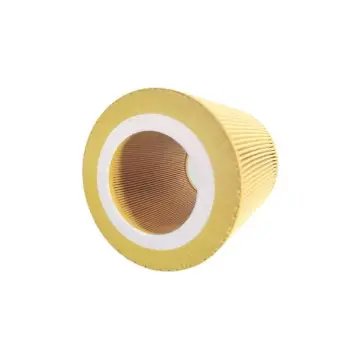
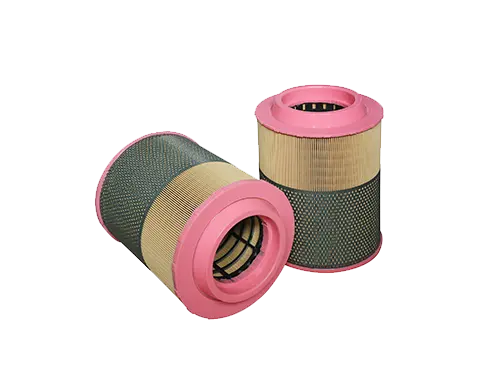
Air intake filters, such as the SA6607 and SA6004 replacements, establish the first line of defense. The choice of filtration paper is critical. Leading factories import specialty wood pulp paper from internationally recognized suppliers (such as Ahlstrom-Munksjö) or utilize advanced synthetic blend media. Double-pass embossing techniques ensure that pleats remain structurally separated even under humid conditions. This maintains a large active filtration surface area, resulting in a particulate filtration efficiency of 99.8% at 3 microns and an operating life of 2,000 to 4,000 hours depending on ambient dust loading.
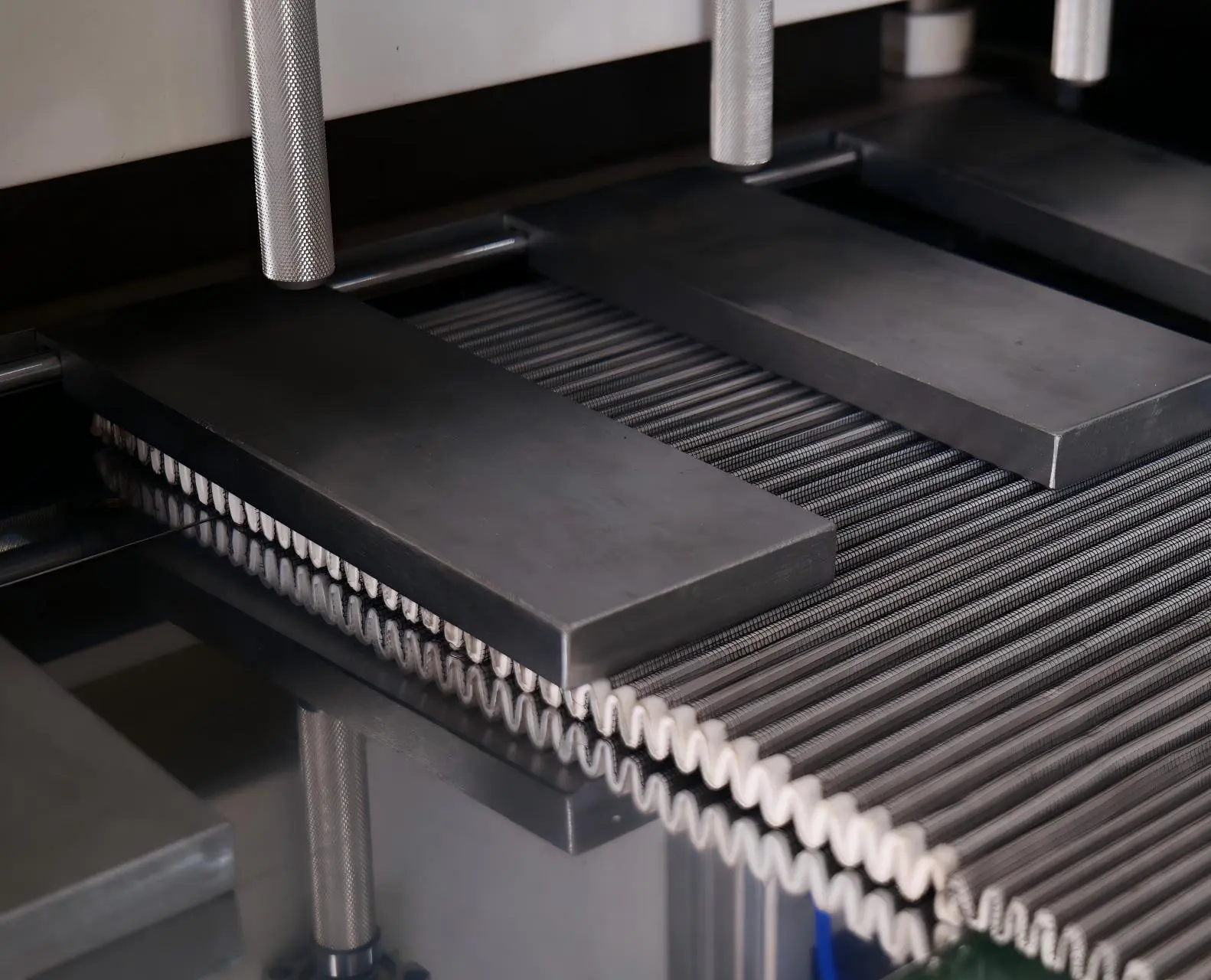
The comparative advantage of China's filtration factories stems from deep vertical integration and localized industrial networks. JCTECH operates three manufacturing facilities, strategically allocating production based on specialization. The Xinxiang factory focuses on high-precision physical filter construction, pleating, and stamping, while the dedicated lubricants division in Shanghai handles the formulation and testing of matching air compressor oils.
This dual capability allows JCTECH to analyze the chemical interactions between the filter media, synthetic polyurethane gaskets (such as Red PU), and complex ester or polyalphaolefin (PAO) lubricants. Because of this integration, Chinese manufacturers can rapidly adapt their material formulations to prevent chemical breakdown and gasket degradation.
By owning both filter manufacturing and lubricant blending operations, JCTECH ensures that chemical compatibility is verified at the molecular level, eliminating common field failures related to seal shrinkage and media dissolution.
Proximity to advanced tooling shops and steel mills enables Chinese factories to design, manufacture, test, and ship customized replacement elements within 15 working days, compared to the 8–12 weeks typical of Western OEMs.
Dual-source logistics pathways and robust domestic reserves of raw steel, synthetic resins, and micro-glass media insulate global buyers from sudden supply chain disruptions or geopolitical trade challenges.
Air compressors run in a wide range of climates and environments, each presenting unique engineering challenges for filtration parts:
The industrial filtration market is undergoing a transition driven by carbon reduction mandates and the growth of Industrial Internet of Things (IIoT) technologies. Chinese manufacturers are investing heavily in several key development paths:
1. Smart Differential Pressure Tracking: Future separator designs will integrate passive RF transmitters or micro-sensors. These sensors will continuously monitor real-time pressure drops and transmit data directly to the compressor’s central control panel, enabling predictive maintenance schedules.
2. Nanofiber Electrospinning: Factories are transitioning from traditional mechanical paper pleating to electrospun polymer nanofiber membranes. These membranes feature extremely small pore structures that achieve 99.99% separation efficiency at fractionally lower pressure drops, directly reducing the compressor's energy consumption.
3. Circular Materials: Eco-friendly designs with reusable metal casings and incinerable filter cartridges are being developed to help industrial plants meet increasingly strict environmental compliance audits.
JCTECH is an established manufacturer specializing in advanced industrial filtration solutions, supported by three specialized manufacturing factories. In addition to our flagship, traditional filter production base in Xinxiang, Henan province, our lubricant system division was established to supply high-grade air compressor lubricants across China and to major international markets.
By combining physical filtration media research with synthetic lubricant chemistry, we address the complete operational environment of rotary screw and reciprocating compressors. Our integrated engineering approach reduces maintenance intervals, minimizes oil carryover, and protects downstream equipment from contamination.
Our replacement filters are engineered to be fully interchangeable with the physical dimensions and filtration properties of major global compressor manufacturers.
















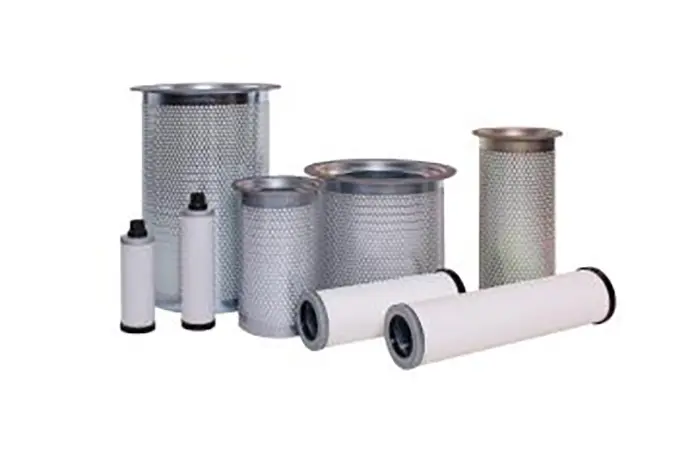
We select and optimize the appropriate filter media for your system based on the specific operating conditions of your facility. Ambient air quality, operational temperature, duty cycle, and lubricant type all influence filter life.
Our primary goal is to extend maintenance intervals and reduce total operating costs for your air compressor systems. We offer comprehensive warranty coverage on all replacement elements—please contact our application engineering team for detailed compatibility analysis and service terms.
Oil carryover typically occurs due to physical damage or saturation of the air-oil separator, high operating temperatures that reduce oil viscosity, incorrect oil levels, or using lower-grade filter elements. JCTECH separators utilize multi-layered borosilicate micro-glass fibers to keep oil carryover below 3 mg/m³, protecting downstream processes.
Wood pulp paper provides excellent surface-level particulate capture at a lower cost, which works well for standard operating conditions. Synthetic blend fibers feature a more open structure that allows for deeper dust loading and improved moisture resistance, making them ideal for high-humidity or heavily dusty applications.
A high initial differential pressure forces the compressor motor to work harder to maintain system pressure, increasing energy consumption. JCTECH filters are designed to minimize initial pressure drops while maintaining a filtration efficiency of 99.8%.
Yes, our replacement elements are designed to meet or exceed OEM dimensional and performance requirements. Using high-quality aftermarket replacements from JCTECH does not void standard equipment warranties, provided the service intervals are maintained according to technical guidelines.
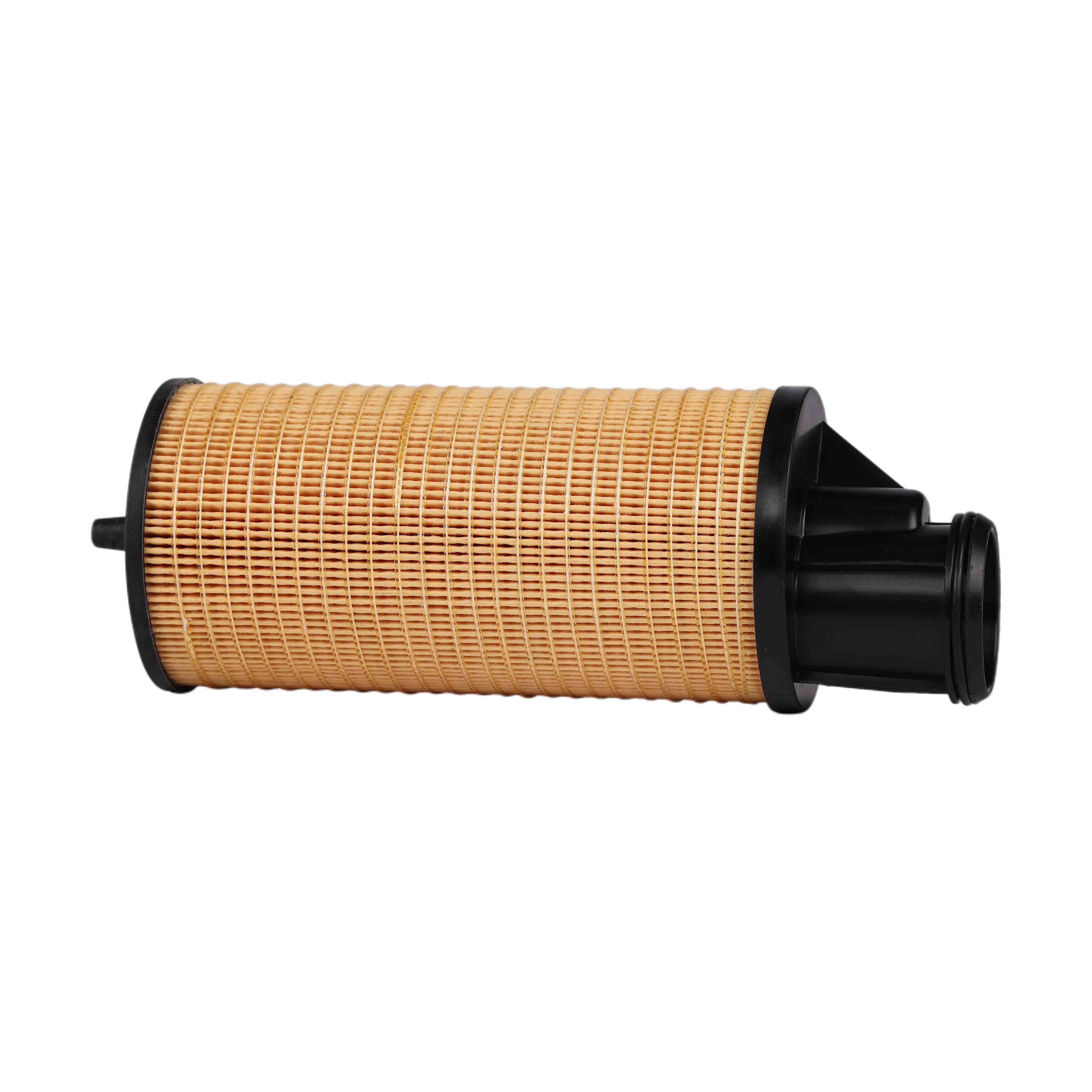
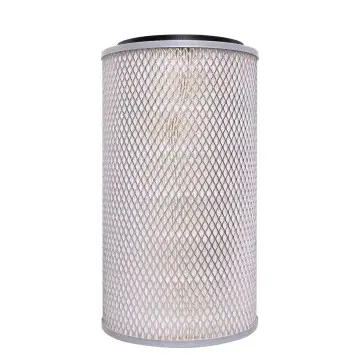
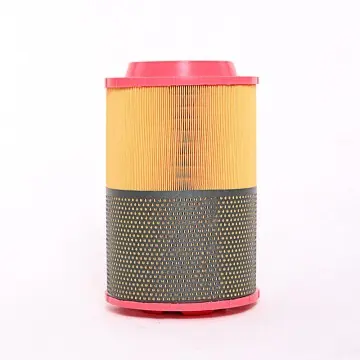
Connect with our sales and engineering support teams. We will assist you with model cross-referencing, material specifications, pricing, and bulk delivery logistics.
Shanghai Headquarters Address: Shanghai Jiongcheng Industrial Co., Ltd.
Our engineering experts will review your request and reply shortly.
 Jiong Cheng

