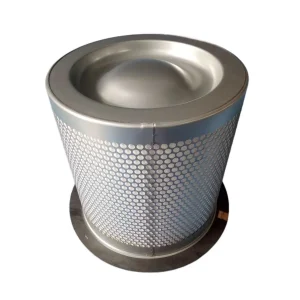
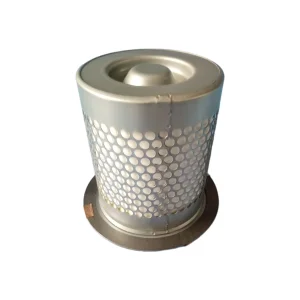
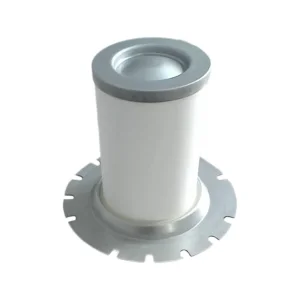
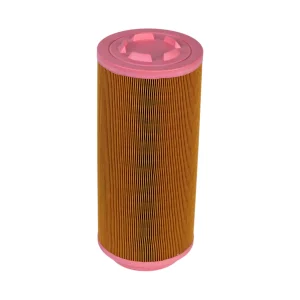
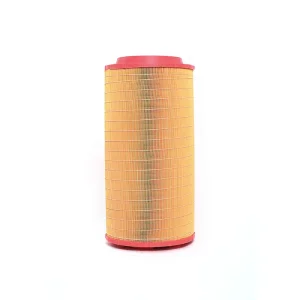
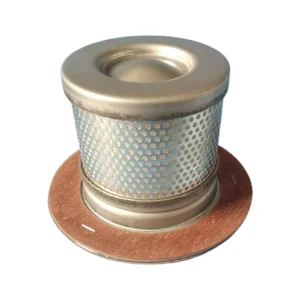
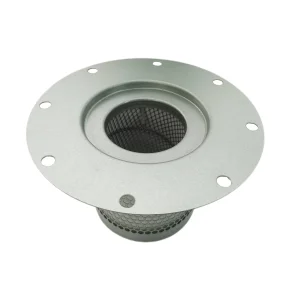
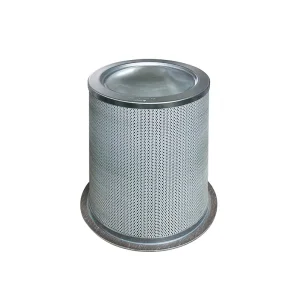
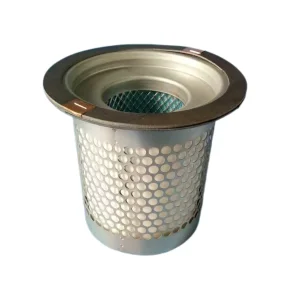
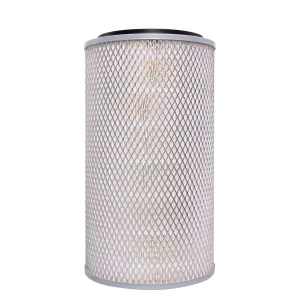
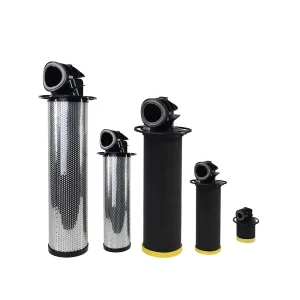
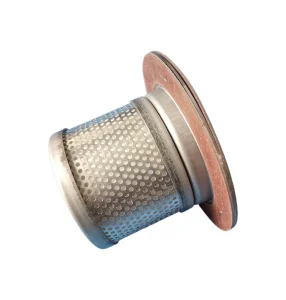
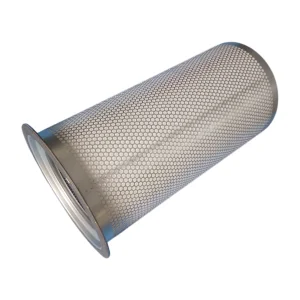
In the modern manufacturing landscape, the role of Oil Filter Drain components and air-oil separation systems cannot be overstated. As global industries move toward Industry 4.0, the precision of filtration determines the lifespan of capital equipment, such as rotary screw air compressors and vacuum pumps. Sourcing these critical components from specialized China Oil Filter Drain Suppliers has become a strategic priority for procurement managers worldwide, driven by the need for both cost-efficiency and technical reliability.
Our analysis of the global market reveals a clear trend: companies are shifting from high-cost OEM direct channels to high-quality, factory-direct alternatives. The "Information Gain" here is vital: the perceived difference between "OEM brand" and "Quality Aftermarket" is shrinking, as Chinese factories now operate under strict ISO-9001 and CE compliance, often utilizing superior filtration media (such as glass fiber from Hollingsworth & Vose) that matches or exceeds original specifications.
Why do global enterprises choose Chinese manufacturing for filtration solutions? The answer lies in the Industrial Cluster Effect. Regions like Xinxiang in Henan Province have evolved into global hubs for industrial filtration, offering a vertically integrated supply chain.
Filtration is not "one size fits all." Localized environmental factors—such as humidity levels in Southeast Asia, sand exposure in Middle Eastern construction sites, or ambient temperature in European manufacturing plants—require specific material engineering.
At JCTECH, we provide solutions that account for these variables. For instance, our low-pressure air-oil separators are engineered to manage specific flow rates (e.g., 13m³/min) while ensuring oil carryover is kept below 3ppm, critical for sensitive electronics and medical-grade compressed air applications.
A: Look for suppliers who provide testing certificates, such as bubble point tests and efficiency rating reports (99.8% filtration). Reliable suppliers should be willing to provide sample verification and have a track record of supporting long-term machinery health.
A: Differential pressure drop and oil carryover performance. A high-quality separator ensures the compressor runs cool, consumes less electricity, and prevents oil contamination in downstream processes.
A: While some manufacturers suggest 2000 hours, modern high-efficiency media often safely extend this to 3000-4000 hours depending on environmental dust levels and oil quality.
 Jiong Cheng