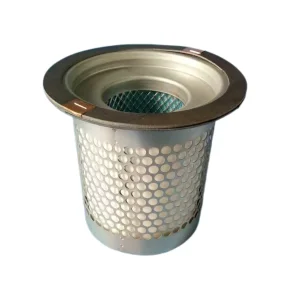
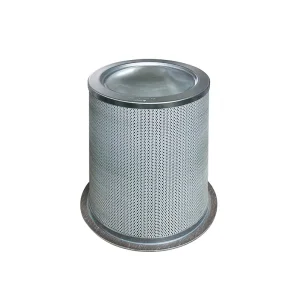
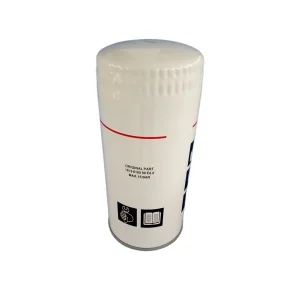
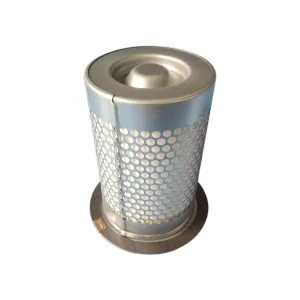
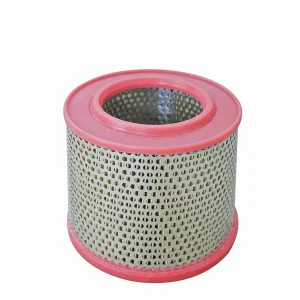
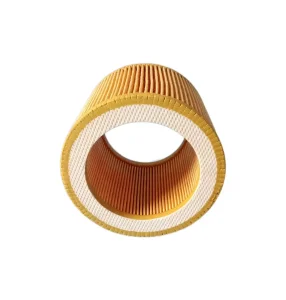
The global demand for high-efficiency air line oil separators is undergoing an unprecedented expansion, driven by the rapid automation of heavy manufacturing, stricter cleanroom standards, and the universal push toward energy-efficient pneumatic systems. In modern industrial operations, compressed air is often referred to as the "fourth utility." However, the viability of this utility relies heavily on the purity of the air stream. If lubricating oil, moisture, and particulate matter bypass the compression chamber, they can damage downstream actuators, foul pneumatic valves, and compromise final product quality.
North American and European markets are placing intense regulatory pressure on processing facilities, demanding ultra-low oil aerosol levels in food, pharmaceutical, and electronics manufacturing. Similarly, growing heavy industrial complexes in Southeast Asia and Latin America are modernizing their compressor stations. This shift makes reliable replacement components like coalescing filters and spinning air-oil separators critical for preventing operational downtime.
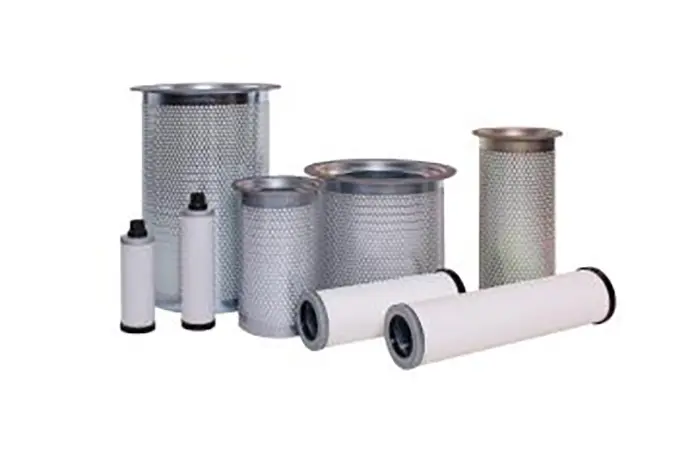
China's manufacturing sector has transitioned from high-volume production to a global benchmark for precision engineering and material science. Companies like JCTECH (Shanghai Jiongcheng Industrial Co., Ltd.) drive this transformation by matching or exceeding OEM performance specifications at optimized price points.
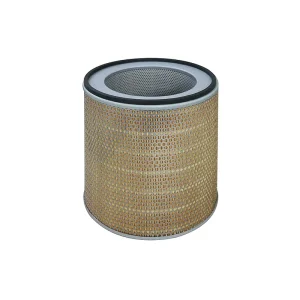
We source ultra-fine borosilicate glass fibers from leading global manufacturers like Lydall and HV. This guarantees a multi-layered structure with optimal fiber density for reliable micro-droplet coalescence.
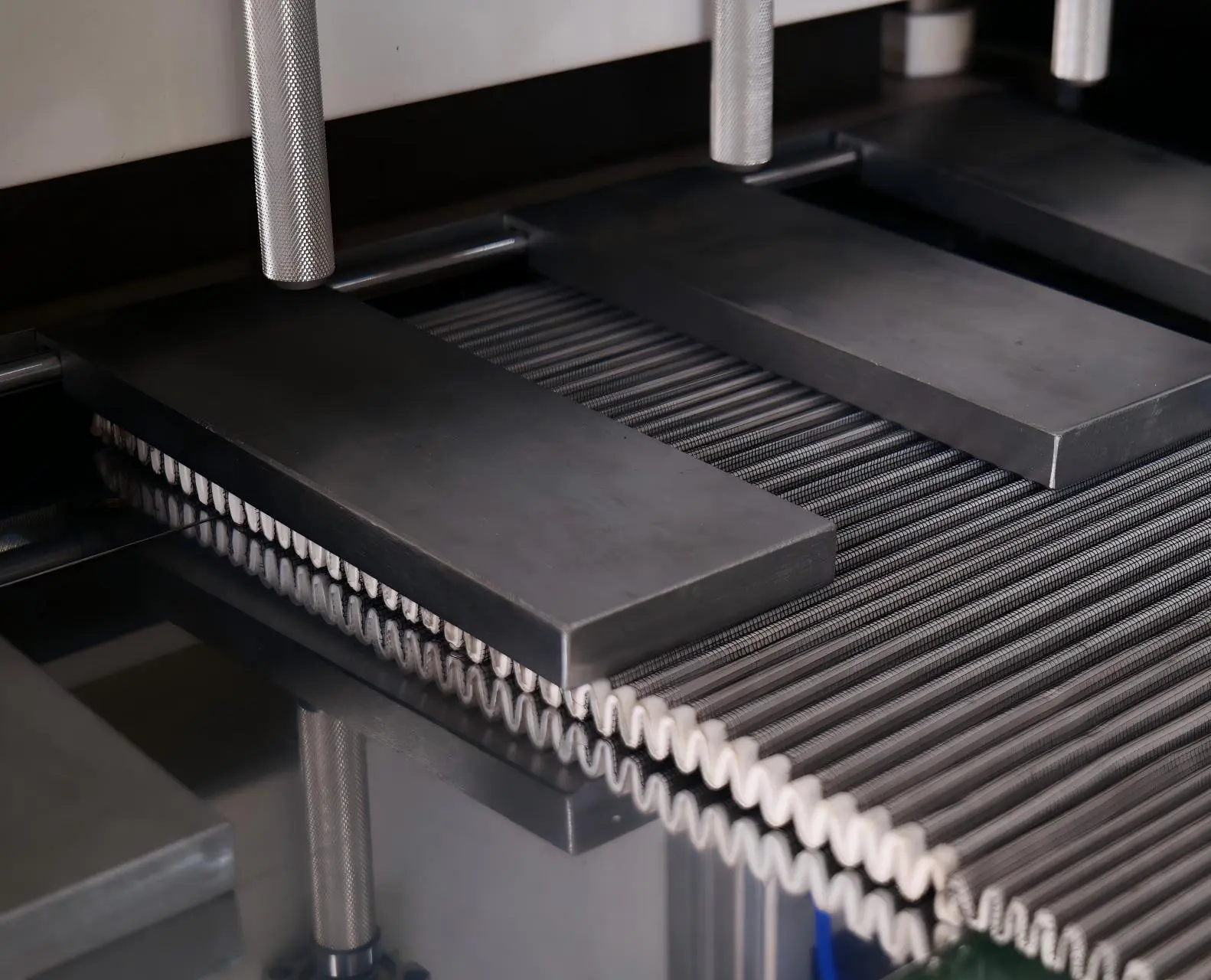
By using computer-modeled flow dynamics, our elements feature pleated or precision-wrapped structures that minimize initial pressure drop, significantly reducing energy costs during operation.
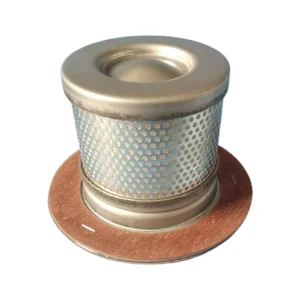
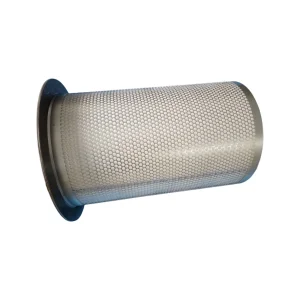
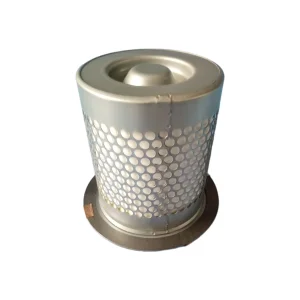
Heavy-duty corrosion-resistant inner and outer stainless steel cores prevent collapse or bypass during high differential pressure events, ensuring long-term structural integrity.
To ensure compatibility and performance across various applications, JCTECH air line oil separators are built to meet or exceed the following technical specifications:
| Performance Metric | Standard Specification | JCTECH Premium Range | Downstream Industrial Benefit |
|---|---|---|---|
| Initial Pressure Drop (ΔP) | ≤ 0.25 Bar (3.6 PSI) | ≤ 0.15 - 0.20 Bar | Lowers compressor energy draw, reducing utility costs. |
| Residual Oil Carrier Rate | ≤ 3.0 ppm | 1.0 - 2.0 ppm (at nominal flow rate) | Prevents oil contamination, protecting downstream instruments. |
| Rated Service Life | 3,000 to 4,000 Hours | Up to 4,500 Hours (under controlled conditions) | Extends maintenance intervals and reduces total cost of ownership. |
| Max Operating Temperature | 100°C (212°F) | Up to 120°C (248°F) | Ensures reliable operation under high thermal loads. |
| Filter Material Composition | Standard glass fibers | Premium borosilicate micro-fiber (coalescent grade) | Provides highly efficient separation of sub-micron aerosols. |
In robotic paint shops, even trace oil aerosols can cause cratering, fish-eyes, and adhesion failure on vehicle panels. JCTECH line oil separators ensure clean, oil-free compressed air, protecting finishing quality and reducing rework costs.
Pneumatic valves, sorting lines, and packaging machinery must comply with strict food safety standards. Using our replacement filters helps plant managers eliminate risk of oil contact with food products, complying with ISO 8573 purity classes.
Drug production processes depend on sterile, dry, oil-free air for fluidizing, tableting, and packaging. JCTECH coalescing line separators help protect chemical synthesis loops and sterile packaging lines from compressor oil migration.
Exceptional After-Sales Service for Complete Satisfaction. Our team helps resolve setup and operation questions quickly.
Our after-sales team is dedicated to addressing technical issues and providing ongoing maintenance recommendations.
We offer warranty and repair services to address product performance and replacement issues promptly.
We value customer feedback and continuously improve our products and services based on real-world application data.
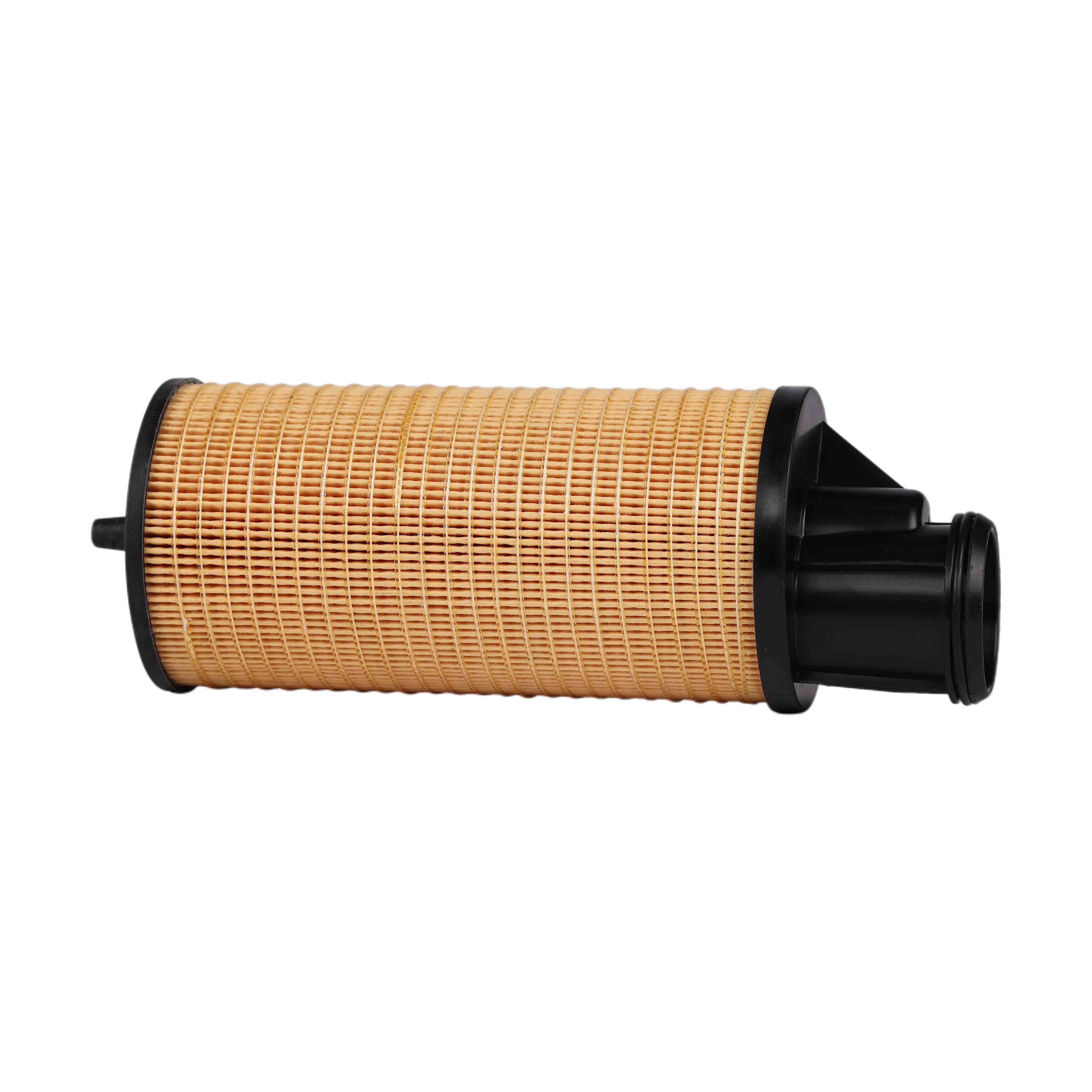
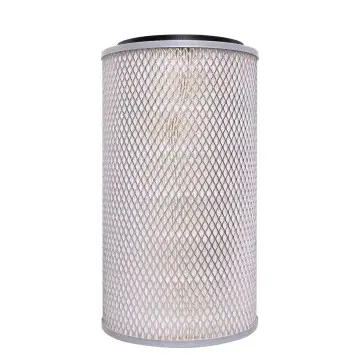
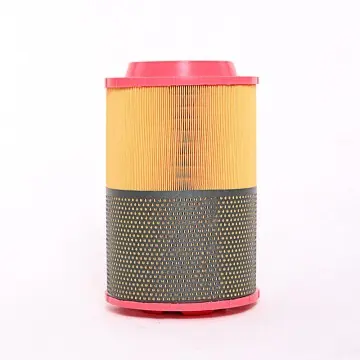
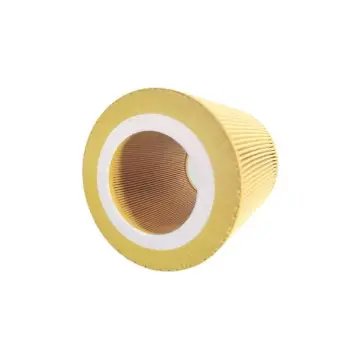
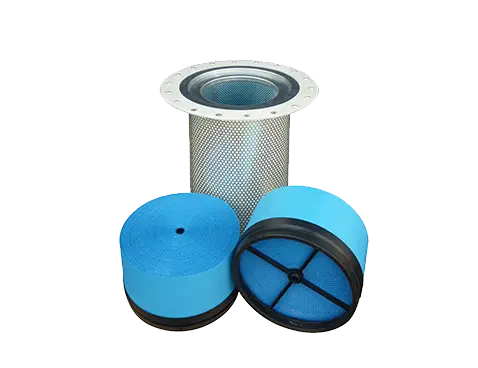
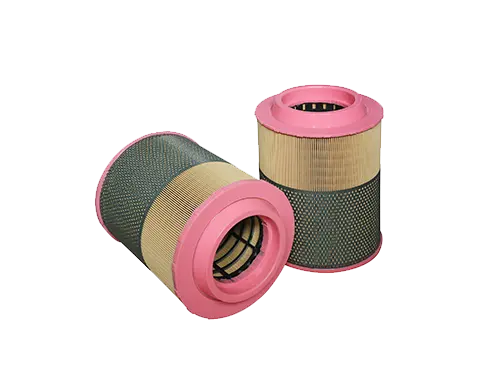
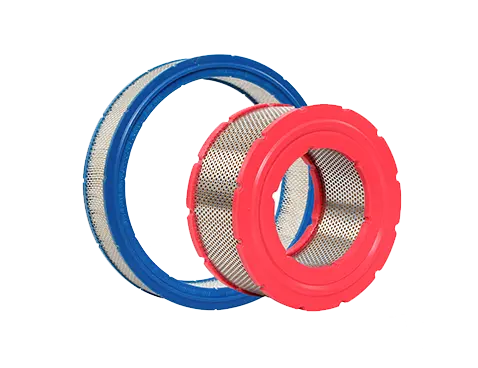
JCTECH is an established manufacturer operating three production facilities. In addition to our primary filtration factory in the manufacturing hub of Xinxiang, Henan province, we run a dedicated lubricant systems plant that supplies premium air compressor lubricant oils to clients worldwide.
We work to customize filter selection to our clients' precise field conditions. Because different system oils interact uniquely with filtration media, matching chemical compatibility is critical. Our engineering team assists customers in identifying optimal specifications to lengthen maintenance cycles, minimize equipment wear, and lower overall operational overhead.






Future iterations of air line oil separators will integrate electrospun nanofibers. This media structure maximizes particulate containment and aerosol capture while maintaining a low restriction profile to airflow.
Modern synthetic oils can degrade standard rubber seals and binding adhesives. Next-generation separators leverage advanced fluorocarbon elastomers (Viton) and epoxy binders to maintain structural integrity under high temperatures.
Environmental standards are driving the development of metal-free, incinerable filter cartridges. Industrial operators can replace the inner media core while retaining heavy outer housings, reducing waste footprints.
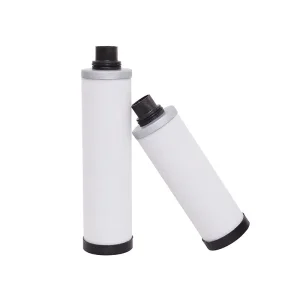
An air line oil separator removes oil aerosols, mist, and droplets from compressed air. Positioned after the compressor chamber, it uses coalescing media to turn micro-droplets into larger drops that drain away, ensuring clean air downstream.
Most separators require replacement every 3,000 to 4,000 hours of operation. However, this varies based on air quality, operating temperatures, and oil condition. A differential pressure reading of 1.0 bar (14.5 PSI) or higher indicates that a replacement is necessary.
Premature failure is often caused by heavy particulate clogging (due to poor intake air filtration), degraded or chemically incompatible compressor oil, or excessive pressure spikes. A collapsed core is usually the result of a sudden differential pressure spike across the element.
Yes. JCTECH replacement elements are engineered to match or exceed the dimensions, media specifications, and performance ratings of major OEM brands, including Atlas Copco, Ingersoll Rand, Sullair, and Kaeser.
Different oils exhibit varying viscosities, thermal stability, and additive packages. Synthetic lubricants typically require higher-grade borosilicate media and robust sealing gaskets to prevent early structural breakdown compared to standard mineral oils.
Initial differential pressure (ΔP) measures the resistance to airflow through a clean, new filter. A lower initial ΔP (e.g., ≤ 0.15 Bar) means the compressor works less to push air through, saving energy during operation.
Our factories run modern quality control protocols, inspecting filter media thickness, pleat uniformity, bypass seal integrity, and structural resistance under high pressure to ensure reliable performance before shipping.
Yes. JCTECH design engineers can customize oil separator dimensions, steel core thicknesses, and filter media layers to fit specific operating environments or custom compressor housings.
Connect with a JCTECH application engineer today. We can help you select the ideal replacement separator for your system.
 Jiong Cheng