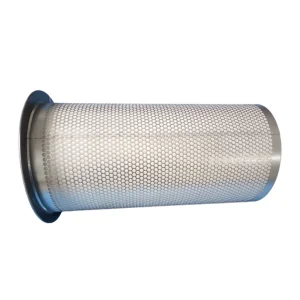
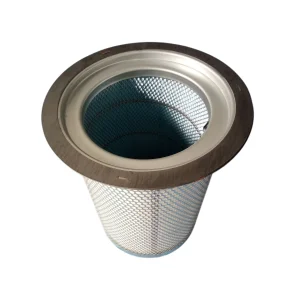
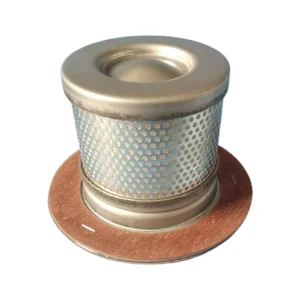
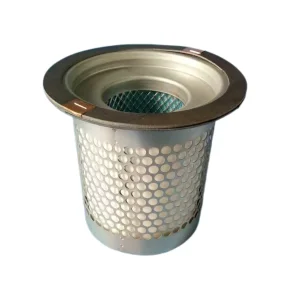
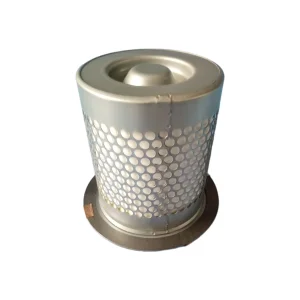
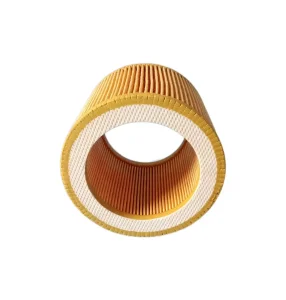
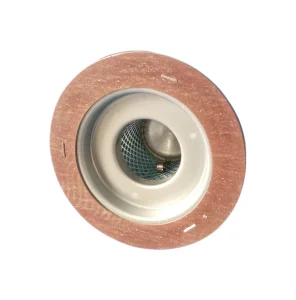
In modern industrial manufacturing, compressed air is often referred to as the "fourth utility". However, the reliability of downstream pneumatic machinery is deeply correlated to the absolute purity of the compressed air supplied. The presence of oil aerosols, particulate dust, water vapor, and microscopic contaminants can degrade equipment life, cause production line failures, and affect final product quality. This is where high-quality Air Line Filters and Oil Separators act as the ultimate critical control points.
Achieving optimum compliance with ISO 8573-1:2010 air purity standards requires the configuration of deep-bed filtration elements capable of capturing sub-micron particulate pollutants. Modern air filtration technologies focus on reducing the total system differential pressure while maintaining high dust-holding capacities. This whitepaper explains the design architectures, manufacturing capabilities, and global procurement trends driving this essential sector.
Utilizing nano-fiber borosilicate glass media from global industry leaders, our filtration systems achieve a particle separation rate of up to 99.8% for particles down to 0.01 microns. This structured gradient composition traps larger pollutants on the outer layers while locking ultra-fine aerosols in the inner matrix.
Energy consumption is the single largest cost driver in compressed air operations. Our engineering focuses on reducing initial differential pressure drop. Lower flow resistance reduces compressor energy needs, saving operational capital without losing filtration density.
Featuring corrosion-resistant steel cores and custom-molded polyurethane end caps, our line filters and oil separators withstand severe pulsations and temperature fluctuations, preventing fluid bypass and structural collapse in continuous workflows.
Under our main brand JCTECH, we operate three robust manufacturing facilities specializing in different parts of the filtration spectrum. Beyond our primary, state-of-the-art filter factory located in the industrial filtration hub of Xinxiang, Henan province, we have established dedicated lubrication system centers to supply high-grade air compressor lubricants worldwide.
By integrating engineering research, physical raw material testing, and modern fabrication techniques, JCTECH bridges the gap between OEM grade performance and competitive capital expenditure. Our components are drop-in replacements for major global brands, matching or exceeding typical OEM lifespans under real-world factory operating pressures.
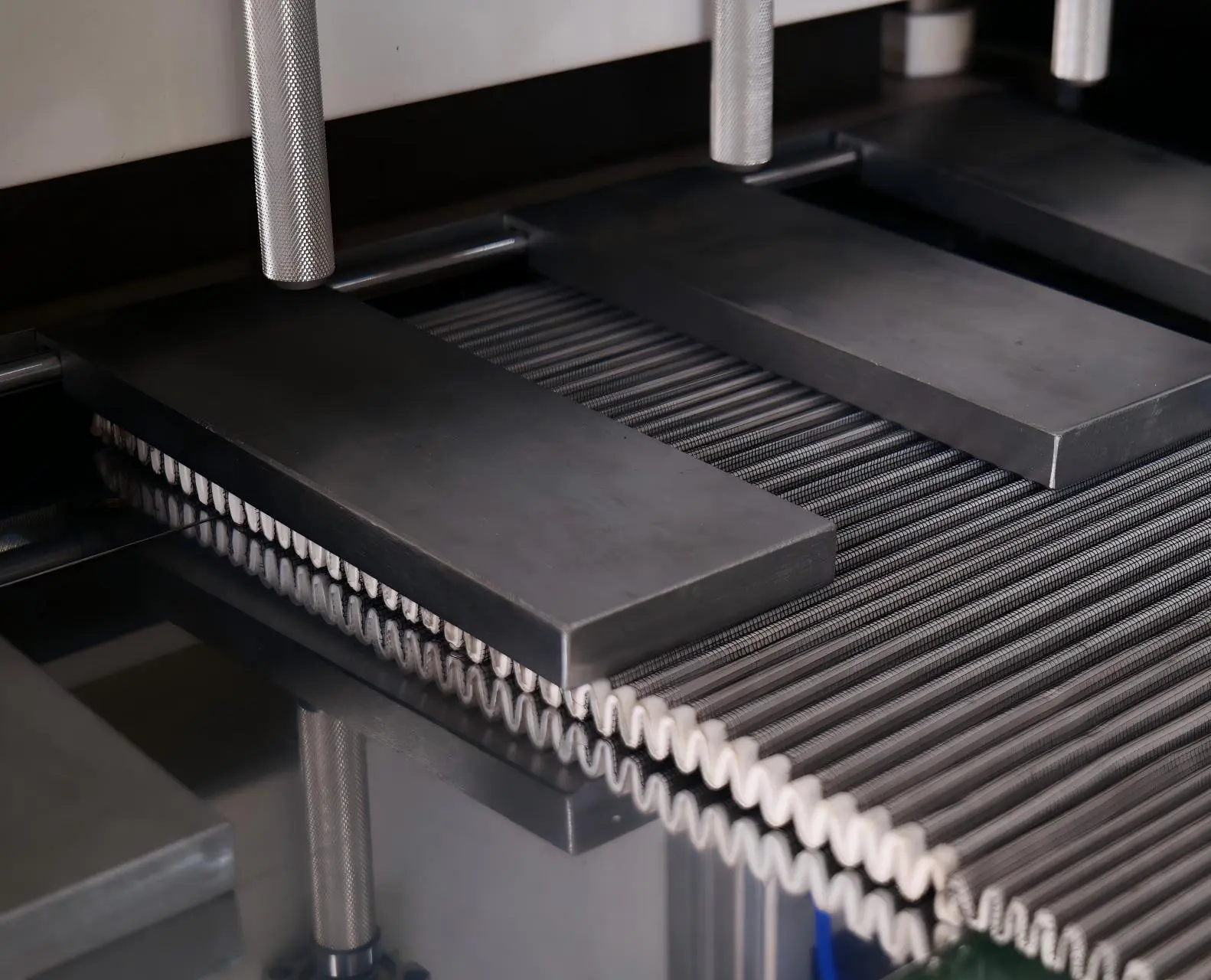
The global filtration market has shifted from basic assembly to specialized material science. Chinese factories, particularly high-spec facilities like JCTECH, are leading this transformation through a combination of unique localized advantages and high-tech supply integration:
From fine borosilicate fiber production to chemical resistance coatings and high-grade structural metal perforated plates, all essential components are sourced near our manufacturing plants. This keeps transportation costs low and speeds up prototyping cycles.
We use modern CNC pleating lines and automatic adhesive injection machines. This ensures high-precision pleat spacing and consistent glue application across all media channels, eliminating risk of local fluid channeling and early filter failure.
All replacement elements undergo testing for oil aerosol breakthrough, bubble points, and pressure drop. Our processes are certified to ISO 9001:2015, ensuring consistent quality across all batches.
1. Energy Efficiency: Modern factories want to reduce their carbon footprint. Filtration systems must use lower differential pressure filters, reducing total power requirements on compressor lines.
2. Smart Monitoring: Integration of differential pressure sensors with digital displays. This alerts operators to change elements based on actual restriction rather than fixed time schedules, cutting down maintenance costs.
3. Anti-Corrosive Treatments: Stainless steel mesh supporting structures are becoming standard to handle demanding, high-humidity processing environments.
For clean paint finishes, compressed air must be free of oil aerosols and water. Even minor oil residue can cause paint craters or peeling. Our multi-stage filtration trains ensure clean air delivery to automotive spray nozzles.
Sterile processes require oil-free air. When oil-injected screw compressors are used, JCTECH oil separators and inline coalescing filters strip oil to levels below 0.001 mg/m³, protecting active pharmaceutical ingredients.
Micro-manufacturing processes require clean air down to Class 1 particulate levels. Our replacement glass pulp elements prevent microscopic dust from contaminating sensitive silicon wafers.
Harsh ambient air filled with metal dust can cause wear in compressors. Our high-efficiency intake air filters capture these abrasive particles, reducing wear on the compressor rotors and housings.
Purchasing managers for industrial sites face multiple sourcing challenges. We optimize our processes to support these needs, ensuring simple and efficient supply chains:
We maintain an extensive database mapping OEM part numbers (including Atlas Copco, Ingersoll Rand, Sullair, Mann, Kaeser, etc.) to our certified replacement elements. This ensures a drop-in physical fit and matching flow rates.
We maintain rolling safety stocks of raw fiberglass media and end caps. This allows JCTECH to fill high-volume orders quickly, maintaining supply reliability through market shifts.
Our filter replacements match or exceed original run-time benchmarks (typically 4,000 to 6,000 working hours for separators). This reduces direct parts costs by 30-50% while maintaining performance standards.
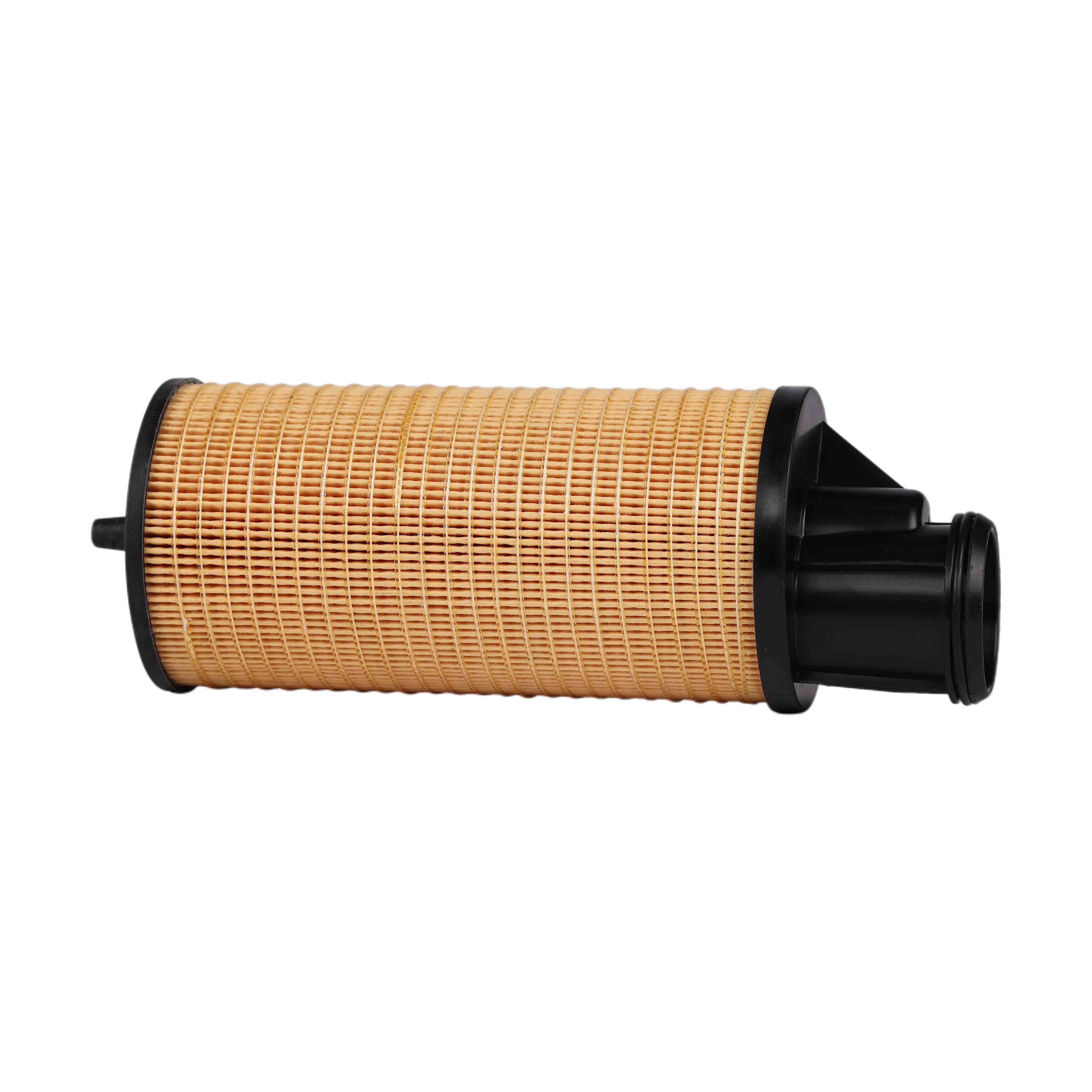
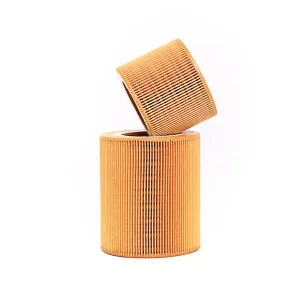
Heavy-duty intake protection featuring optimized micro-pleat configuration.
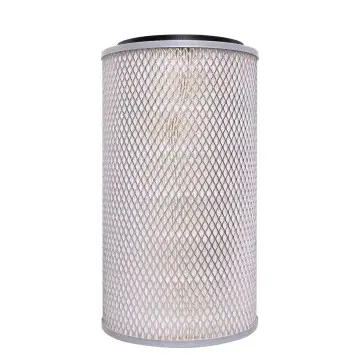
Coalescing technology designed for high humidity systems.
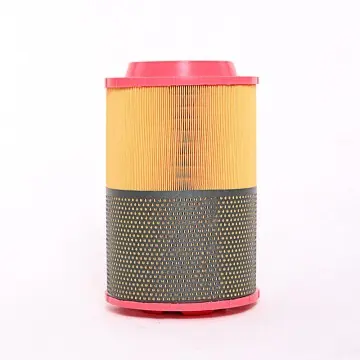
Engineered to withstand sudden pressure spikes without tearing.
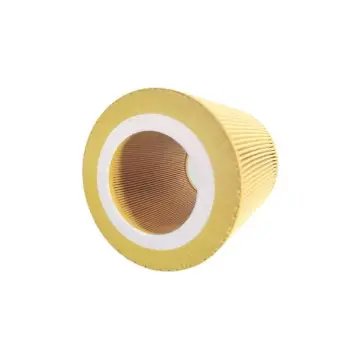
High dust holding capacity filter paper for dusty work environments.
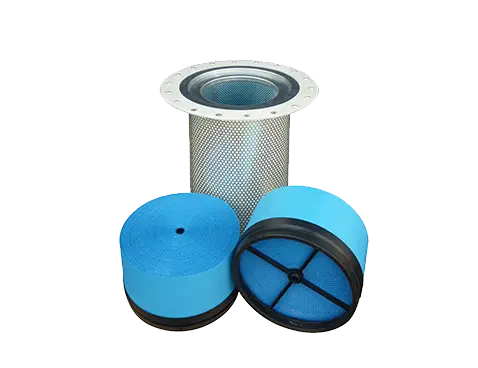
Dual-stage separation design for variable speed screw compressors.
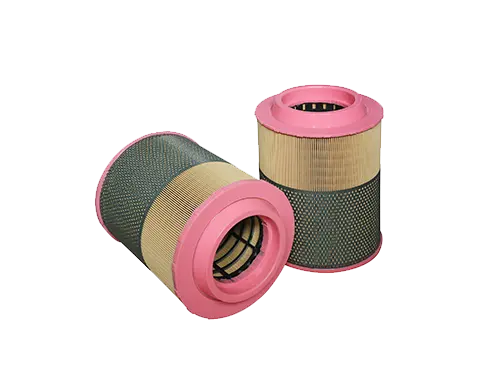
High-efficiency separator designed for high-temperature applications.
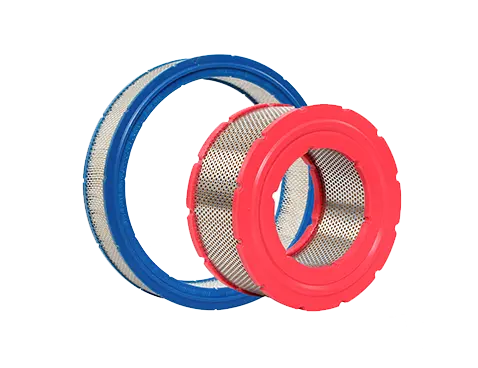
Low-differential model built for high-energy-efficiency systems.














The service life is determined by operating temperature, clean oil maintenance, and inlet air contamination. In normal operating conditions, our separators deliver between 4,000 and 6,000 hours of runtime before pressure drop hits the 1.0 bar replacement threshold.
We use coordinate measuring equipment to copy OEM designs, including flange depths, gasket thicknesses, and thread pitches. This ensures our elements fit perfectly into the original housing assemblies.
The initial pressure drop is the power cost of moving air through a clean element. A filter with a higher clean pressure drop forces the compressor to run at higher pressures, increasing electrical consumption over the lifetime of the element.
We support virtual plant visits, share raw materials certifications, and provide third-party testing reports. We supply full batch inspection documents showing consistent material density and structural integrity.
Selecting the correct replacement element requires evaluating the operating conditions of your compressed air plant. Ambient humidity, aerosol types, and variable flow profiles influence media selection and configuration.
Our engineering team helps review your plant conditions and recommends media densities to lower total maintenance costs. All JCTECH elements are backed by a structured factory warranty, giving you security in continuous operations.
Phone Support: 86-021-5995-0582
Email Inquiries: [email protected]
Our engineers will assist you with crossover codes and custom media specifications.
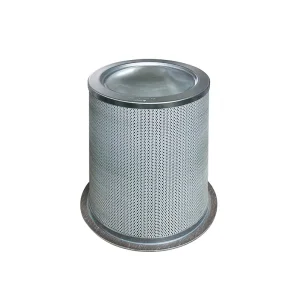
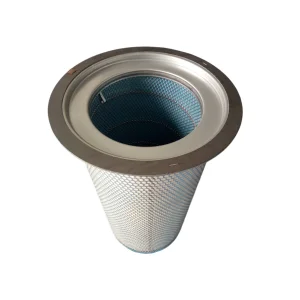
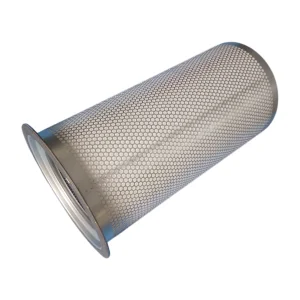
JCTECH has introduced a major update to its separator product line: the 24900342 external replacement element. Built for variable capacity screw compressors, it reduces oil drag to keep downstream air clean and maintain system efficiency.
In modern compressor networks, air intake filters, oil filters, and gas separators work together to protect systems. This design breakdown explains how they keep system air clean and prevent component wear.
Removing microscopic oil aerosols from high-velocity air streams requires careful design. This technical overview details how coalescence layers combine microscopic oil droplets, allowing them to gravity-drain safely out of the system flow.
 Jiong Cheng