
Exceptional after-sales service designed for complete industrial operating satisfaction.

Dedicated engineers addressing field performance concerns and providing continuous application support.

Prompt warranty verification and specialized repair services ensuring minimal industrial downtime.

We actively analyze client feedback channels to continuous refine and improve filtration systems.
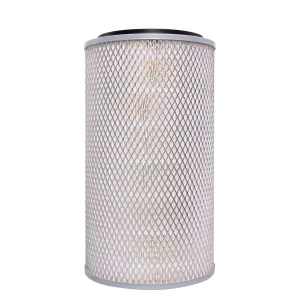
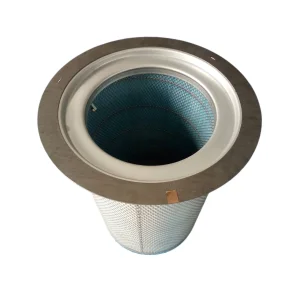
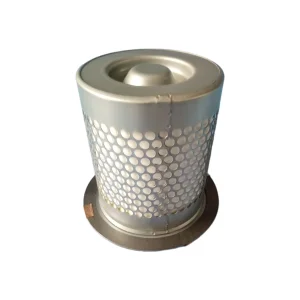
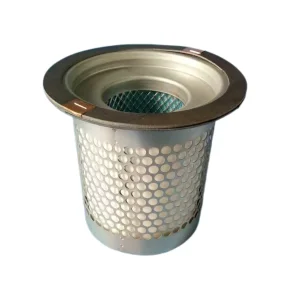
In high-performance industrial rotary screw and vane air compressors, maintaining clean, oil-free compressed air is a complex thermodynamic and aerodynamic challenge. As air is compressed, oil is injected into the compression chamber to lubricate rotors, seal internal tolerances, and absorb heat. This creates a dense aerosol consisting of microscopic oil droplets suspended in hot air. The Air Compressor Oil Separator Filter is the final barrier that removes this oil aerosol, restoring the purity of the compressed air stream before it flows to downstream dryers, piping, and industrial pneumatic tools.
Optimized separator design targets three distinct capture mechanisms: Inertial Impaction (for droplets > 1 micron), Direct Interception (for droplets between 0.1 and 1 micron), and Brownian Diffusion (for droplets < 0.1 micron).
Using multilayered, borosilicate micro-glass fibers, the separator relies on the coalescence principle. As the oil-laden air stream flows through the porous media layer, small aerosol droplets are intercepted by the fiber matrix. The structural configuration causes these micro-droplets to collide and merge (coalesce) into larger, heavier droplets. Gravitational force then pulls these droplets down to the bottom of the filter element, where a return line scavenges the accumulated liquid oil back into the compressor's lubrication loop. By achieving residual oil carryover values under 3 ppm (parts per million) and maintaining low pressure drop values (ΔP ≤ 0.2 bar), industrial plants maximize system efficiency and minimize lubricant loss.
China's advanced manufacturing infrastructure has evolved into a global powerhouse for industrial air-oil separator production. Centered in dedicated filtration manufacturing hubs like Xinxiang, Henan, and industrial centers in Shanghai, the Chinese supply chain provides deep integration. This integration combines precision metallurgy for structural end-caps, specialized winding automation, and high-performance imported media (such as HV and Ahlstrom borosilicate paper) to match the specifications of OEM manufacturers.
This industrial localization allows factories to compress turnaround times while maintaining rigorous quality control. Raw material procurement, including galvanized steel sheets, structural support meshes, synthetic adhesives, and sealing rings, occurs within a tight geographic radius. This minimizes logistics expenses and mitigates global shipping vulnerabilities. Additionally, domestic Chinese manufacturing facilities leverage economies of scale to amortize advanced equipment, including German-engineered winding machines, automatic pleating systems, and laser-guided welding cells. This enables cost efficiencies without compromising E-E-A-T engineering criteria.
Industrial procurement teams in Europe, the Americas, and APAC demand strict alignment with localized regulations and international standards. A reputable factory must demonstrate compliance through certified test protocols. Key among these are ISO 12500-1:2007 (testing of coalescing filters for oil aerosols) and ISO 8573-1:2010 (air purity class requirements for particles, water, and oil content).
Beyond performance testing, mechanical safety is vital. High-pressure differential values can result in element collapse, releasing oil into downstream systems and risking catastrophic component damage. For this reason, structural components like support cores must withstand collapse pressures exceeding 5 bar.
Furthermore, safety compliance in hazardous environments (such as chemical processing or dust-heavy manufacturing) requires static electricity dissipation. A reliable manufacturer integrates earthing pins or conductive gaskets to prevent electrostatic discharges inside the separator vessel. This is crucial because oil mist combined with static electrical spark risks internal fires or explosions.
The global transition toward carbon neutrality is driving innovation in air compressor filtration systems. Energy efficiency is directly tied to the flow resistance of internal components. Higher pressure drop values force the air compressor to work harder, consuming more electricity. Modern separator R&D focuses on decreasing initial pressure drop while maintaining high oil retention efficiency.
By integrating nanofiber technologies and multi-stage pleated designs, manufacturers can increase the effective filtration surface area without changing the element's overall dimensions. This design reduces flow velocity through the media, lowering pressure losses and significantly reducing energy consumption. Additionally, as synthetic and biodegradable oils become more common in high-temperature systems, separator adhesives and gaskets must be formulated to resist chemical degradation. This ensures long-term operational stability without polymer breakdown.
JCTECH is a premier, multi-facility manufacturing enterprise specializing in high-performance filtration and specialized industrial lubricants. With our core separator production facility in Xinxiang, Henan Province, and our advanced lubrication systems engineering center in Shanghai, we provide integrated filtration solutions for global partners.
We offer replacement filters that match OEM standards for major compressor brands, including Atlas Copco, Ingersoll Rand, Sullair, and Kaeser. By combining filter element design with our custom compressor lubricant formulations, JCTECH provides matched performance that optimizes lubrication and air purification.
View Corporate Profile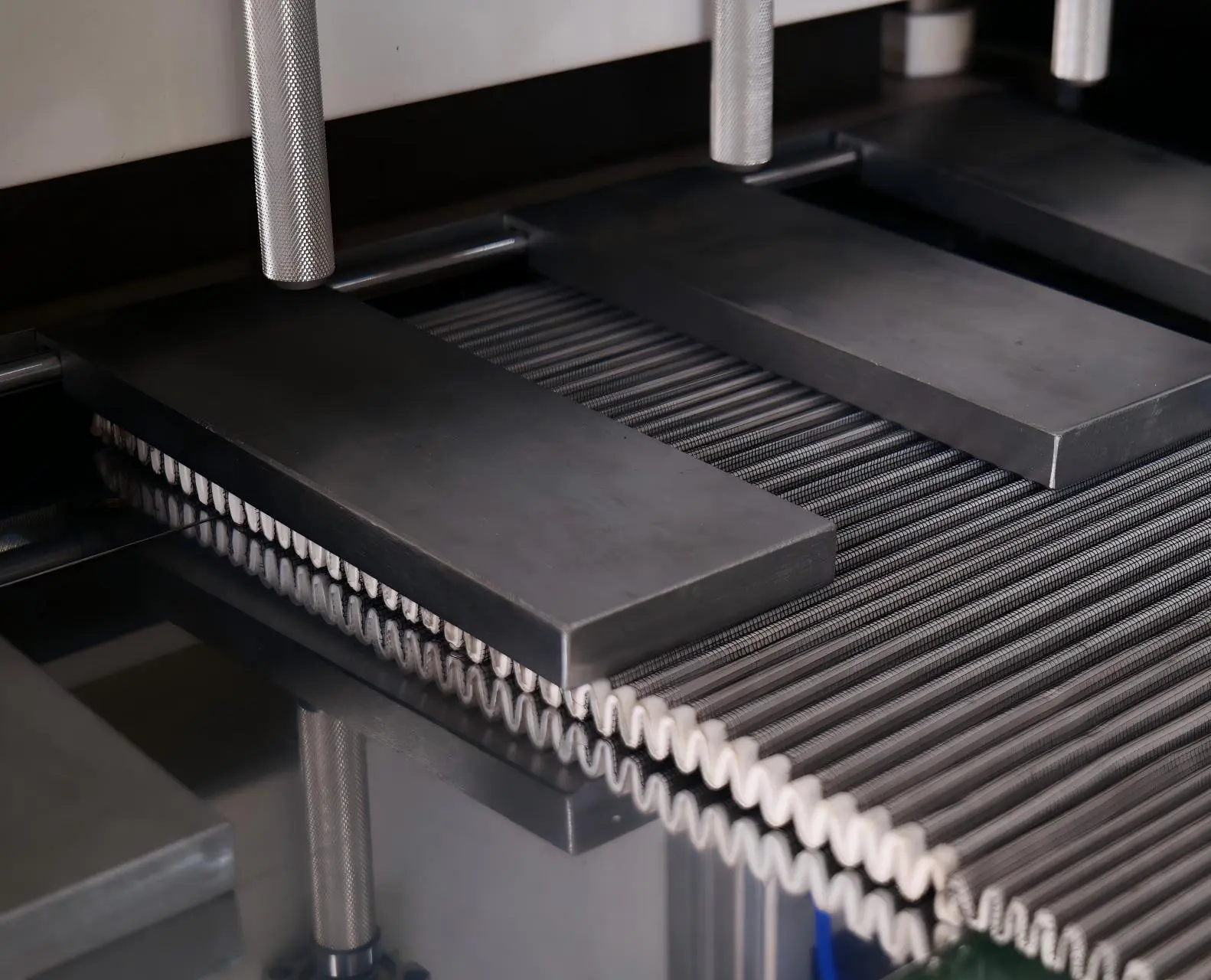














Selecting the correct filter element requires a clear understanding of your site's specific operating conditions. Temperature variations, humidity, atmospheric dust concentration, and the type of lubricant used all affect separator performance.
Our goal is to help you minimize maintenance cycles and lower total cost of ownership. We configure materials and media structure based on your specific requirements. Contact our engineering team for warranty terms and application assistance.
Consult a Filtration Engineer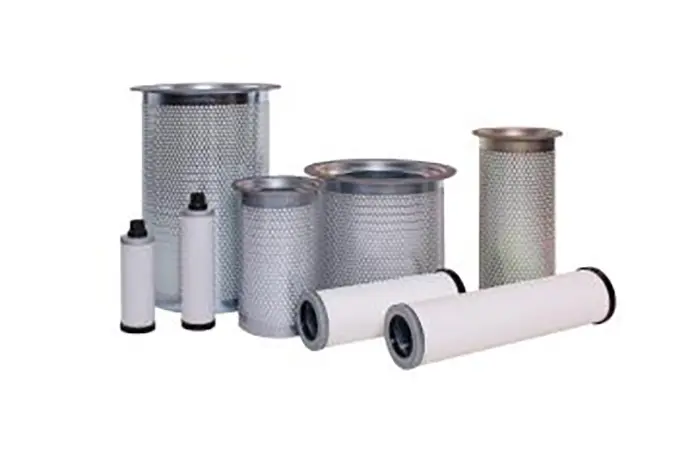
In pharmaceutical synthesis and semiconductor packaging, even micro-level oil contamination can compromise production quality. Air compressors in these environments require high-efficiency separators paired with activated carbon downstream filters. The oil separators must maintain a stable oil carryover rate under 1 ppm. Coalescing media must also resist microbial colonization and endure continuous, high-volume flow cycles without fiber migration or structural degradation.
Heavy industrial sites often operate in environments with high concentrations of airborne particulates and elevated temperatures. Under these conditions, the pre-filtered air still contains fine dust particles that bypass the intake stage and enter the compressor's oil circuit. If the separator media is not structurally optimized, these particles can block the pores, leading to a rapid rise in pressure differential. For these demanding applications, we use high-capacity pleated glass fiber media that captures fine contaminants while maintaining stable flow properties, preventing premature element clogging.
Offshore wind energy systems and oil drilling platforms expose air compressors to highly corrosive marine atmospheres. Standard steel housings on standard filters can rust quickly, causing metal particles to enter the compressor's air lines. To address this, we construct our marine-grade filters with stainless steel endcaps and corrosion-resistant inner support grids. This design prevents oxidation and structural failure, ensuring reliable operation in coastal and marine applications.
Premature pressure drop increases are typically caused by fine dust particles bypassing the air intake filter, oil degradation forming carbon varnish, or operation at temperatures above recommended limits. High intake dust loads can clog the coalescing pores of the separator, while oil varnish coats the glass fibers, reducing the available surface area and restricting air flow.
We use multi-layer borosilicate glass fibers sourced from leading manufacturers. Our automated winding machines control the alignment of these fibers, producing a matrix that optimizes droplet coalescence. Each batch of filters is tested to verify that oil aerosols are separated efficiently, keeping residual oil levels below 3 ppm under nominal flow conditions.
As dry compressed air passes through the non-conductive glass fibers of the filter at high speeds, friction generates static electricity. Without a grounding path, this static charge can build up, potentially creating a spark. Because the separator vessel contains a mixture of compressed air and vaporized oil, a static spark could ignite the oil mist. To prevent this, our separators include copper grounding contacts or conductive grounding gaskets to dissipate static charges safely.
Yes. Our facility in Xinxiang is equipped to customize filters to your technical specifications. We can adapt end-cap designs, choose specific filter media, modify the metal structural support, and customize overall dimensions to meet unique operating requirements or custom housing layouts.
The chemistry of the compressor oil directly impacts filter life. Poor-quality lubricants can degrade quickly under high temperatures and pressures, generating acidic byproducts and carbon deposits that clog the coalescing media. Using premium synthetic oils alongside matched JCTECH filtration elements helps maintain flow performance and extends the filter's service life.
Our quality control procedures are aligned with ISO standards. We test filter performance using ISO 12500-1 protocols to verify oil aerosol separation efficiency. We also run structural integrity tests to confirm collapse resistance and check electrical conductivity to ensure reliable grounding.
Get in touch with our engineering and sales offices in Shanghai and Henan. Our support team can assist you with product specifications, pricing, and system configurations.
Shanghai Jiongcheng Industrial Co., Ltd.
Office: Shanghai, China
Production Bases: Xinxiang, Henan Province, China
Our experts will solve them in no time.
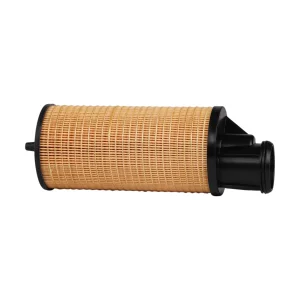
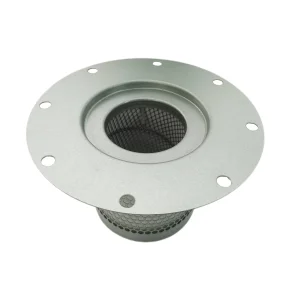
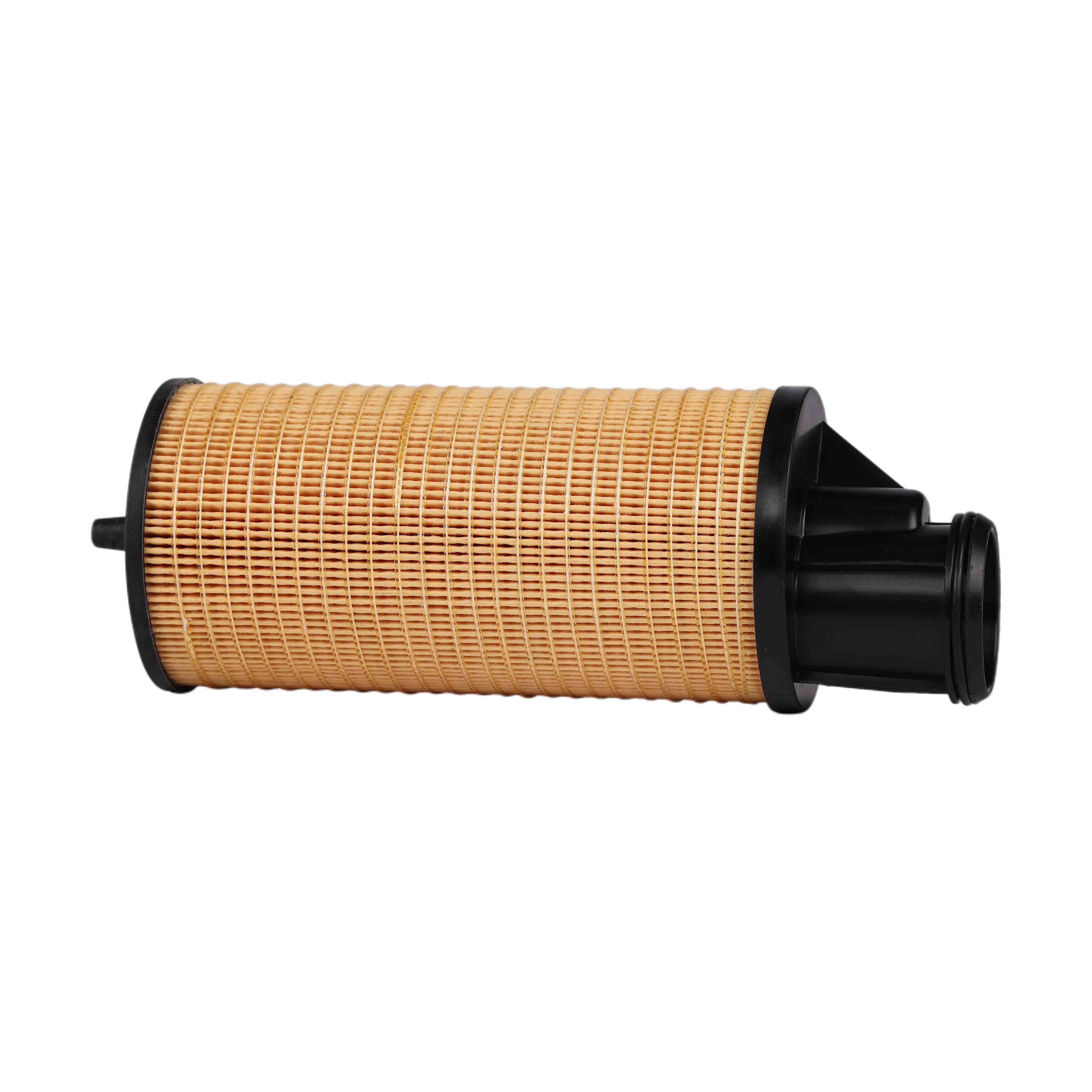
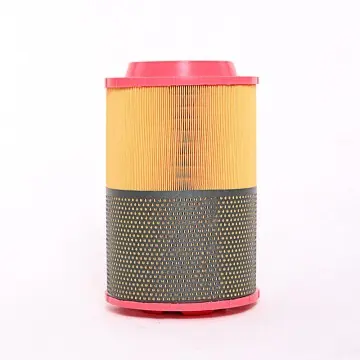
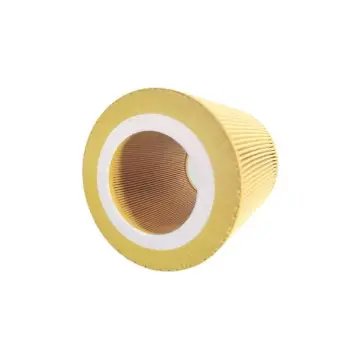
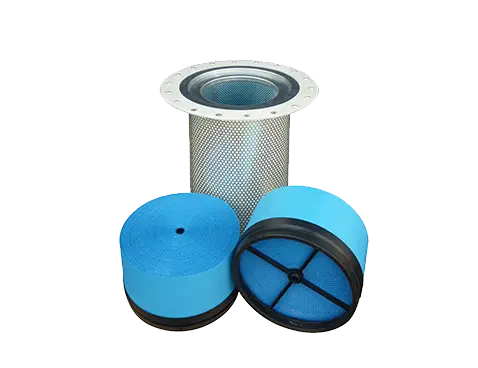
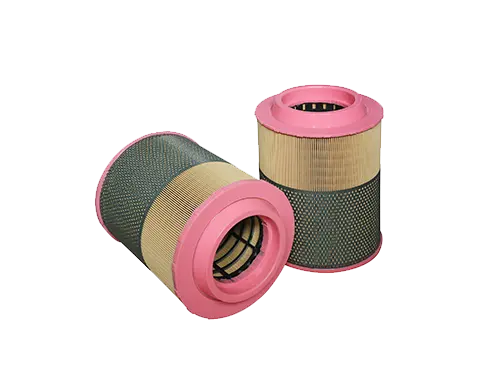
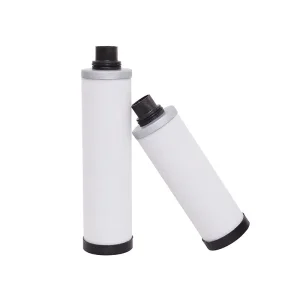
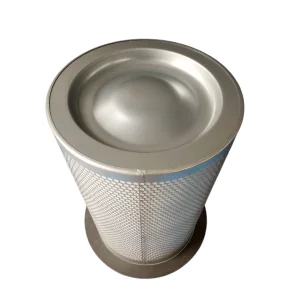
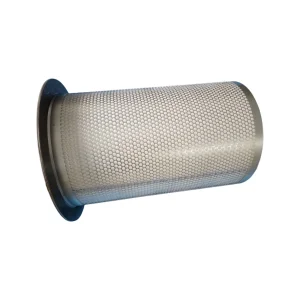
JCTECH has announced a development in air compressor components: the 24900342 external replacement separator. This design focuses on oil separation and low flow resistance to support system energy efficiency.
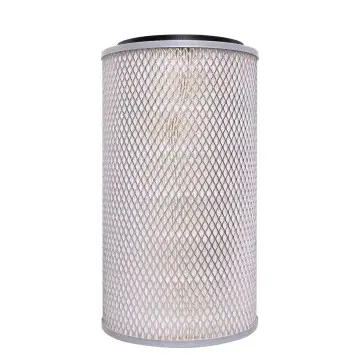
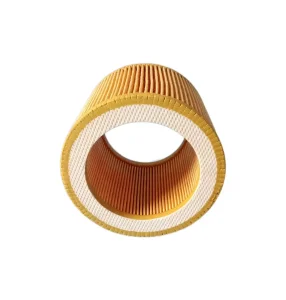
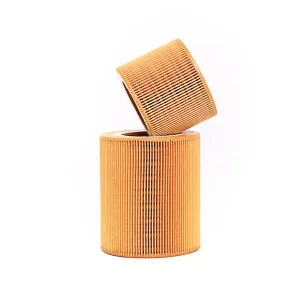
In rotary air systems, the air filter, oil filter, and separator element work together to protect downstream air quality and maintain overall equipment health.
Oil separators are designed to separate oil aerosols, lubricants, and hydrocarbons from the compressed air stream. This process is essential for protecting downstream piping and equipment.
 Jiong Cheng