When considering air compressors, the importance of filter elements cannot be overstated. These components play a crucial role in maintaining efficiency and longevity. Filter elements of air compressors protect the machinery from dirt and contaminants that can lead to costly repairs. A high-quality filter ensures clean air is delivered to the system.
For buyers, understanding the different types of filter elements is essential. This knowledge empowers users to make informed decisions. Not all filters are created equal. Factors like size, design, and material can significantly impact performance. It’s easy to overlook these details, but doing so may lead to regrets down the line.
Finding the right filter elements of air compressors requires a thoughtful approach. Evaluating specifications and expert recommendations can provide clarity. However, buyers often face overwhelming choices. Take time to research and reflect. Choosing wisely can enhance the compressor’s overall function and efficiency.
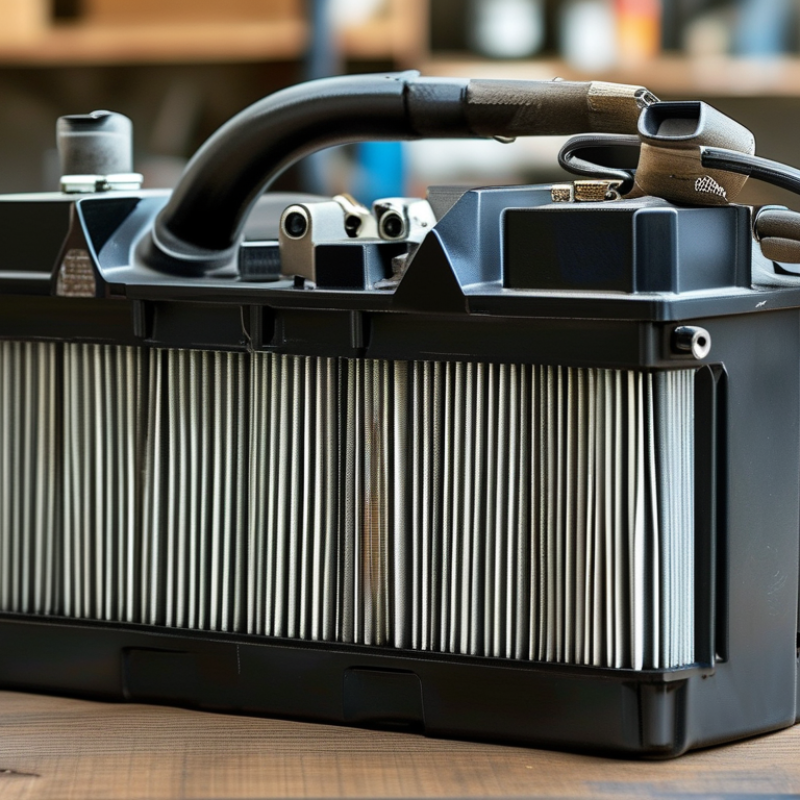
Air compressor filters play a crucial role in enhancing performance and extending equipment lifespan. According to industry studies, about 70% of air compressor failures are linked to contaminated air. These filters trap particles, dirt, and moisture. A clean air supply ensures efficient operation and reduces maintenance costs.
When selecting filter elements, consider efficiency ratings. A high-efficiency filter can remove 99.9% of contaminants. Regular replacement is essential. A clogged filter can reduce airflow and increase energy consumption by up to 15%. This impacts the compressor’s performance and operational costs.
**Tips:** Always monitor filter conditions regularly. This can prevent unexpected downtime. Consider investing in quality filters to enhance reliability. Proper filter maintenance boosts system longevity and performance. Skipping this can lead to costly repairs and inefficiencies. Rethink your air filtration strategy frequently to adapt to changing operational needs.
: Common materials include paper, foam, and metal. Each has unique benefits and drawbacks.
Paper filters are affordable and effective at trapping particles. However, they may struggle in high humidity.
Foam filters are washable and reusable. They provide good airflow but can wear down quickly with heavy use.
Metal filters are very durable. They resist wear but may not filter out small particles effectively.
It's important to check filters every month, especially in dusty environments. Regular checks can reveal wear or damage.
Neglecting filter maintenance can lead to compressor failure. Clogged filters restrict airflow and reduce efficiency.
Yes, combining filter types can improve performance. For example, using both paper and metal filters can enhance durability and efficiency.
Humidity and dust levels in the environment can greatly influence filter efficiency. Always reflect on your compressor's working conditions.
Make sure filters fit tightly to avoid leaks during installation. Improper fitting can lead to reduced performance.
Users often overlook the importance of regular inspection. Small issues can escalate if not addressed promptly.
In the realm of air compressor operation, understanding the importance of filter elements is crucial for enhancing performance and ensuring longevity. The guide outlines three primary types of filter elements of air compressor systems—cartridge, coalescing, and particulate filters—each playing a vital role in trapping contaminants and maintaining air quality.
When selecting filter elements, buyers must consider key specifications, including efficiency ratings and flow capacity. Additionally, the common materials used in air compressor filters, such as synthetic fabrics and metal substrates, offer distinct benefits, enhancing filtration effectiveness and durability. To maximize the lifespan of these essential components, regular maintenance practices should be implemented, ensuring optimal functionality and performance over time.

 Jiong Cheng