Top Air Filter Options for 2026 What Buyers Should Know?

Time:2026-07-20 Author:Isabella
0%

As we approach 2026, air quality remains a critical concern for many. Experts agree on the importance of choosing the right air filter for indoor spaces. Dr. Emily Carter, a renowned air quality specialist, states, “A good air filter can be life-changing for sensitive individuals.” With numerous options available, buyers must navigate various features and specifications.

Air filters play a vital role in removing pollutants and allergens from our environment. The choices can be overwhelming, from HEPA to activated carbon filters. Each type has unique benefits and limitations. It’s easy to overlook essential details, such as filter replacement frequency or compatibility with existing systems.

Many buyers make choices based on price alone, which can lead to poor air quality. A cheap filter might not effectively capture harmful particles. Understanding air filters involves recognizing the balance between cost and efficiency. Investing in quality air filters could significantly enhance your indoor air quality and overall health.
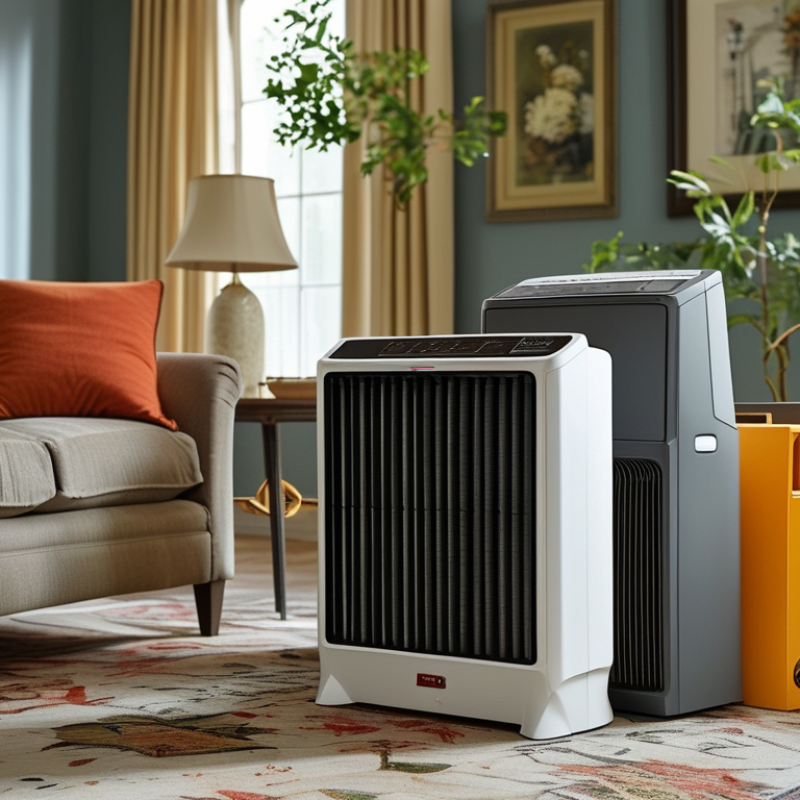
Top Air Filter Options for 2026 What Buyers Should Know?

Top Features to Consider When Choosing Air Filters in 2026

When selecting air filters for your home or office in 2026, consider several key features. Efficiency ratings are crucial. Look for filters that can effectively capture a wide range of particles. HEPA filters are highly rated for this purpose. They trap dust, pollen, and even some viruses, enhancing indoor air quality.

Filter lifespan is another important factor. Some filters last longer than others. A longer-lasting filter can save you money in the long run. However, regular checks are essential. A filter may need replacement sooner if it’s heavily used or in a dusty environment.

Tips: Choose filters based on your specific needs. If you have allergies, opt for high-efficiency models. If you have pets, a filter with good odor control would be beneficial. Balance cost with the quality of filtration. Not all high-priced filters guarantee better performance. Research common types and their benefits before making a decision. You want to be sure not to overlook the right features.

Types of Air Filters Available in 2026: A Comprehensive Overview

When choosing air filters in 2026, understanding the types available is key. There are several categories, including HEPA, activated carbon, and electrostatic filters. HEPA filters capture at least 99.97% of particles 0.3 microns in size. They excel at trapping allergens, dust, and pollen, making them ideal for allergy sufferers. However, they may not remove odors effectively.

Activated carbon filters are notable for their ability to absorb odors and harmful gases. In a report by the Environmental Protection Agency, it’s noted that these filters can significantly reduce volatile organic compounds (VOCs) in indoor air. This is crucial for creating a healthier living environment. While effective, they require regular replacement to maintain efficiency.

Electrostatic filters utilize static electricity to trap particles. They are reusable and washable, offering a cost-effective solution. A study from the American Society of Heating, Refrigerating and Air-Conditioning Engineers shows that they can capture a range of particle sizes, but their effectiveness can diminish over time. Despite being more sustainable, users must evaluate their cleaning habits to ensure optimal performance. The balance of air quality, filter lifespan, and maintenance deserves careful consideration in your selection process.

The Role of MERV Ratings in Air Filter Performance and Selection

When selecting air filters, understanding MERV ratings is crucial. MERV stands for Minimum Efficiency Reporting Value. These ratings indicate how effectively a filter captures various particles. Ratings range from 1 to 20. A higher rating means better filtration. However, filters with high MERV ratings can restrict airflow. This can strain HVAC systems, leading to increased energy costs.

Choosing the right MERV rating depends on individual needs. For instance, households with pets may require a filter rated between 7 and 10. These capture pet dander effectively. In comparison, filters rated above 13 are ideal for capturing allergens, smoke, and mold spores. They are often recommended for allergy sufferers, but they might be overkill for others.

It's also important to consider the filter’s size and type. Standard filters are easy to find. However, specialized sizes may be necessary for certain systems. Buyers often overlook this aspect, resulting in improper fits. Regularly changing filters is essential for optimal performance. Neglecting this can lead to reduced air quality. Always check the MERV rating before making a purchase.

Understanding HEPA Filters: Benefits and Limitations for Buyers

HEPA filters, known for their efficiency, capture 99.97% of particles. These include dust, pollen, and smoke. Research indicates that using a HEPA filter can significantly reduce airborne allergens. A study by the Environmental Protection Agency finds that indoor air can be more polluted than outdoor air. This makes home filtration systems crucial for health.

While HEPA filters are effective, they have limitations. They cannot trap gases or odors. Moreover, they require regular replacement to maintain performance, typically every 6 to 12 months. It's also important to choose the right size filter for optimal results. Not all air purifiers utilize true HEPA technology, which can lead to confusion for consumers.

Buyers should consider their specific needs and environments. In homes with pets, a HEPA filter may provide significant relief from dander. For those with severe allergies or asthma, investing in quality filters is vital. However, users must remain aware of their limitations and maintain their systems effectively. Balancing these factors can lead to cleaner indoor air and improved health outcomes.

Cost Analysis: Budgeting for Air Filters in 2026 and Beyond

When considering air filters for 2026, budgeting is essential. The average cost of air filters varies significantly. Standard options might range from $10 to $25 each. High-efficiency particulate air (HEPA) filters often exceed $50. Knowing these costs helps in planning accordingly.

Adding filters to your home maintenance budget can feel overwhelming. You may need to replace filters every three months. This could add up to hundreds annually. However, investing in quality air filters can lead to better air quality and health. Don't overlook the benefits of cleaner air.

It's important to reflect on long-term costs versus short-term savings. Cheaper filters may cost less initially but could lead to more frequent replacements. Assess your specific needs and usage. Sometimes, spending more upfront on a quality filter pays off in the long run. Consider your environment, such as pets or allergies, when making your choice. This can lead to a more informed and effective decision.

FAQS

: What should I consider when choosing an air filter?

: Focus on efficiency ratings, filter lifespan, and your specific needs.

How does filter lifespan impact my choice?

Longer-lasting filters save money, but regular checks are necessary to avoid premature replacements.

Which type of filter is best for allergies?

HEPA filters are ideal as they capture 99.97% of particles, including allergens.

Are activated carbon filters effective for odors?

Yes, they absorb odors and harmful gases but need regular replacement for best performance.

What does MERV rating mean?

MERV stands for Minimum Efficiency Reporting Value. It indicates how well a filter captures particles.

Can high MERV ratings restrict airflow?

Yes, higher MERV ratings can limit airflow, potentially increasing energy costs in HVAC systems.

How do I choose the right MERV rating?

Assess your environment. For pet owners, ratings between 7 and 10 work well; above 13 suits allergy sufferers.

What should I do if my filter does not fit properly?

Measure your filter size before purchase. Incorrect sizes can lead to reduced efficiency and air quality issues.

Are electrostatic filters worth considering?

They are reusable and effective but require careful cleaning to maintain performance over time.

How often should I change my air filter?

Regular changes are essential. Neglecting this can lead to lower air quality and filtration issues.

Conclusion

As we look towards 2026, selecting the right air filter has become paramount for maintaining a healthy indoor environment. Buyers should consider essential features such as filtration efficiency, air flow rate, and the specific needs of their living space. A comprehensive overview of air filter types highlights options like fiberglass, pleated, and HEPA filters, each offering unique benefits and limitations.

Understanding the significance of MERV ratings helps individuals make informed choices about air filter performance, ensuring optimal air quality. Furthermore, a detailed cost analysis will aid buyers in budgeting for air filters while factoring in both initial expenses and long-term maintenance. By thoroughly evaluating these elements, consumers can make educated decisions that enhance their home's air quality and overall well-being.


Isabella

Isabella

Isabella is a dedicated marketing professional with a sharp focus on driving brand growth and engagement through strategic content creation. With an extensive background in digital marketing, she combines her passion for storytelling with her keen understanding of industry trends to deliver......