Essential Tips for Choosing the Best Air Filters?

Time:2026-06-29 Author:Charlotte
0%

Choosing the right air filters is crucial for maintaining indoor air quality. According to a report by the Air Quality Research Institute, poor air quality can lead to serious health issues. It is estimated that about 45% of Americans have some form of respiratory issue linked to air pollution.

Industry expert Dr. Emily Roberts states, "The right air filters can significantly reduce allergens and pollutants in your home." This highlights the impact of air filters on our well-being. Selecting the best air filters involves considering factors like filter type, efficiency, and maintenance.

Many consumers overlook the specifics of filter ratings, leading to ineffective air quality improvements. A filter that fits poorly can allow unfiltered air to bypass it. Thus, understanding these details is essential. Investing in high-quality air filters can help create a healthier living environment. However, many still disregard the importance of replacing filters regularly, which diminishes their effectiveness.
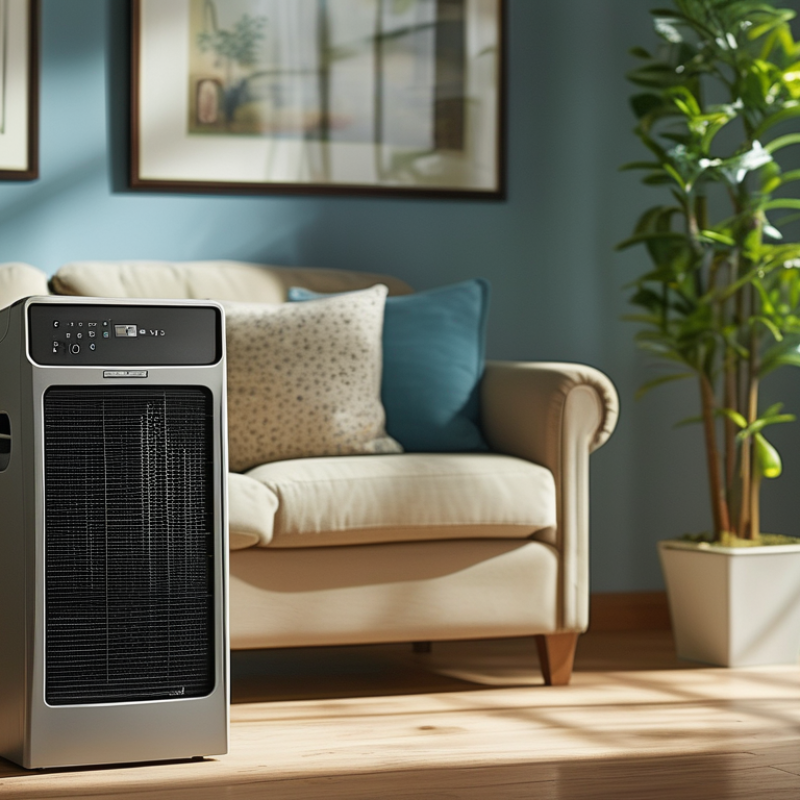
Essential Tips for Choosing the Best Air Filters?

Understanding the Importance of Air Filters in Indoor Air Quality

Indoor air quality is crucial for health and well-being. According to the U.S. Environmental Protection Agency, indoor air can be up to five times more polluted than outdoor air. Poor air quality can lead to respiratory issues, allergies, and long-term illnesses. This underscores the importance of air filters in maintaining a healthy indoor environment.

Air filters trap dust, pollen, mold spores, and other pollutants. High Efficiency Particulate Air (HEPA) filters, for instance, capture 99.97% of particles that are 0.3 microns in diameter. However, not all filters are created equal. Some may reduce airflow, causing HVAC systems to work harder. This can increase energy costs and reduce the system's lifespan. It's important to choose filters based on individual needs and system compatibility.

Consider factors like filter type, size, and replacement frequency. A dirty filter can be more harmful than no filter at all. Regular maintenance and checks are essential for optimal performance. The right air filter can significantly improve indoor air quality and contribute to a healthier living space. However, making an informed decision requires understanding the specific needs of your environment and the capabilities of different filters.

Factors to Consider When Selecting Air Filters for Home Use

When selecting air filters for home use, several crucial factors come into play. Start by considering the filter's MERV rating. This rating indicates the filter's efficiency in capturing various particle sizes. A higher MERV rating means better filtration but can restrict airflow in some HVAC systems. Balance is key.

Next, think about the type of filter media. Pleated filters often offer better performance compared to flat ones, but they may also come at a higher cost. Consider how often you want to replace them. Some filters require monthly changes, while others may last up to three months. This can impact your overall air quality and budget.

Don't overlook the size of the filter. It needs to fit your HVAC system correctly. Improperly sized filters can lead to air leaks and reduced efficiency. Lastly, reflect on any specific needs. For homes with pets or allergies, look for filters designed to capture pet dander and allergens. Safety and comfort should never be compromised. It can be challenging to find the perfect balance, but thorough research makes all the difference.

Different Types of Air Filters and Their Efficiency Ratings

When selecting air filters, understanding different types and their efficiency is crucial. Several common types include HEPA, activated carbon, and electrostatic filters. HEPA filters capture at least 99.97% of particles that are 0.3 microns in size. This includes dust, pollen, and smoke. Their efficiency makes them a popular choice for improving indoor air quality.

Activated carbon filters work differently. They excel at removing odors and volatile organic compounds (VOCs) rather than particulates. Research indicates that these filters can significantly reduce indoor pollution levels. Meanwhile, electrostatic filters use static electricity to attract particles. While they can be effective, their efficiency varies greatly depending on design and maintenance.

Reports indicate that filter efficiency is often measured using the Minimum Efficiency Reporting Value (MERV) scale. Filters with a MERV rating of 8 to 13 are commonly suitable for residential use. However, many people overlook the importance of changing filters regularly. A clogged filter loses efficiency quickly, and this can lead to reduced air quality. Understanding these aspects can help in making informed decisions for cleaner air.

Maintenance Tips for Prolonging the Lifespan of Air Filters

Maintaining air filters is crucial for optimal air quality. Regular cleaning can significantly prolong their lifespan. Dust, pollen, and other particles accumulate over time. Check your filters every month for visible dirt. A simple vacuum can remove surface debris effectively. This task takes only a few minutes but can enhance filter performance.

Consider the location of your filters. High-traffic areas may require more frequent changes. If you live in a dusty environment, monitor filters closely. Some filters have indicators to show when they need replacement. Keep an eye on these signals to prevent reduced airflow. A neglected filter can lead to inefficiency and higher energy costs.

Avoiding extreme conditions also benefits filter longevity. Avoid placing filters in damp areas that promote mold growth. Ensure that your HVAC system is functioning correctly as well. Leaks can cause additional strain on filters. Explore more efficient filtering options if needed. It’s essential to be proactive, rather than reactive, in filter maintenance.

Essential Tips for Choosing the Best Air Filters - Maintenance Tips for Prolonging the Lifespan of Air Filters

Filter Type Efficiency Rating (MERV) Lifespan (Months) Maintenance Tips
Pleated Filter 8-12 3-6 Replace every 3-6 months; Check monthly
HEPA Filter 13-16 6-12 Replace every 6-12 months; Regular cleaning recommended
Activated Carbon Filter 5-7 2-4 Replace every 2-4 months; Use in combination with other filters
Washable Filter 6-8 12+ Clean every 1-3 months; Follow manufacturer's cleaning instructions

Common Myths and Misconceptions About Air Filters Explained

When considering air filters, many misconceptions abound. One common myth is that all filters are equally effective. In reality, filters are rated by their Minimum Efficiency Reporting Value (MERV). Higher MERV ratings indicate better filtration. According to the American Society of Heating, Refrigerating and Air-Conditioning Engineers (ASHRAE), filters with ratings of 8-13 can capture a significant amount of dust, pollen, and mold spores. However, many homeowners overlook this critical detail.

Another misunderstanding is the belief that pleated filters are always the best choice. While they do have a larger surface area and can trap more particles, they may not suit every HVAC system. Filters that are too restrictive can cause airflow issues, leading to decreased performance. A study found that improper filter selection can reduce system efficiency by up to 15%.

When choosing an air filter, consider these tips: Check the MERV rating to understand filtration effectiveness. Ensure the filter fits your system to maintain airflow. Regularly change filters according to the manufacturer's recommendations to keep your air quality high. Awareness of these factors can lead to better choices and improved indoor air quality.

FAQS

: Why is indoor air quality important?

: Indoor air quality impacts health. Poor air can cause respiratory issues and allergies.

What are common pollutants found indoors?

Dust, pollen, mold spores, and various particles contribute to indoor pollution.

How do HEPA filters work?

HEPA filters capture 99.97% of particles that are 0.3 microns in size.

Can a dirty air filter be harmful?

Yes, a dirty filter can worsen air quality, making it more harmful than no filter.

What should I consider when choosing air filters?

Look at filter type, size, and how often they need replacing based on your conditions.

How often should I check my air filters?

Check filters monthly for visible dirt and remove dust with a vacuum.

What is the MERV rating?

MERV measures filter efficiency. Ratings of 8 to 13 are good for homes.

How can I prolong the lifespan of my air filters?

Clean filters regularly and avoid extreme conditions that may cause mold.

Do all filters have the same efficiency?

No, efficiency varies. Some filters are better at removing odors than particulates.

What happens if I neglect my filters?

Neglecting filters can lead to inefficiency, reduced airflow, and higher energy costs.

Conclusion

Air filters play a crucial role in maintaining indoor air quality by trapping pollutants, allergens, and other harmful particles, which can significantly impact health and comfort in living spaces. When selecting air filters for home use, it is essential to consider various factors such as the size of the filter, its efficiency ratings, and the specific needs of your environment. Understanding the different types of air filters—such as HEPA, activated carbon, and electrostatic filters—can help in making informed choices that ensure optimal air cleanliness.

Additionally, proper maintenance is key to prolonging the lifespan of air filters, including regular replacement and cleaning as needed. It is also vital to address common myths and misconceptions surrounding air filters, such as their effectiveness and replacement frequency, to enhance public awareness. By applying these essential tips, homeowners can ensure their air filters effectively contribute to a healthier indoor atmosphere.


Charlotte

Charlotte

Charlotte is a seasoned marketing professional with a deep understanding of the company's portfolio and a passion for elevating its presence in the market. With a keen eye for detail and a commitment to excellence, she ensures that our professional blog is regularly updated with insightful articles......