An Inline Fuel Filter is a critical component in modern fuel systems. It serves to remove impurities and contaminants from fuel before it reaches the engine. According to the Engine Manufacturers Association, over 75% of engine failures are caused by fuel contamination. This highlights the significance of maintaining a clean fuel supply.
The Inline Fuel Filter works by trapping debris and particles, ensuring only clean fuel enters the engine. Regular replacement of this filter is essential to prolong engine life. In fact, the Automotive Service Association reports that 60% of mechanics recommend changing the fuel filter every 30,000 miles for optimal performance.
Neglecting the Inline Fuel Filter can result in reduced fuel efficiency and increased emissions. Failure to address filter issues might lead to a complete engine breakdown. Despite advancements in fuel technology, the need for a reliable fuel filter remains vital. Understanding its function can empower vehicle owners to make informed maintenance decisions.
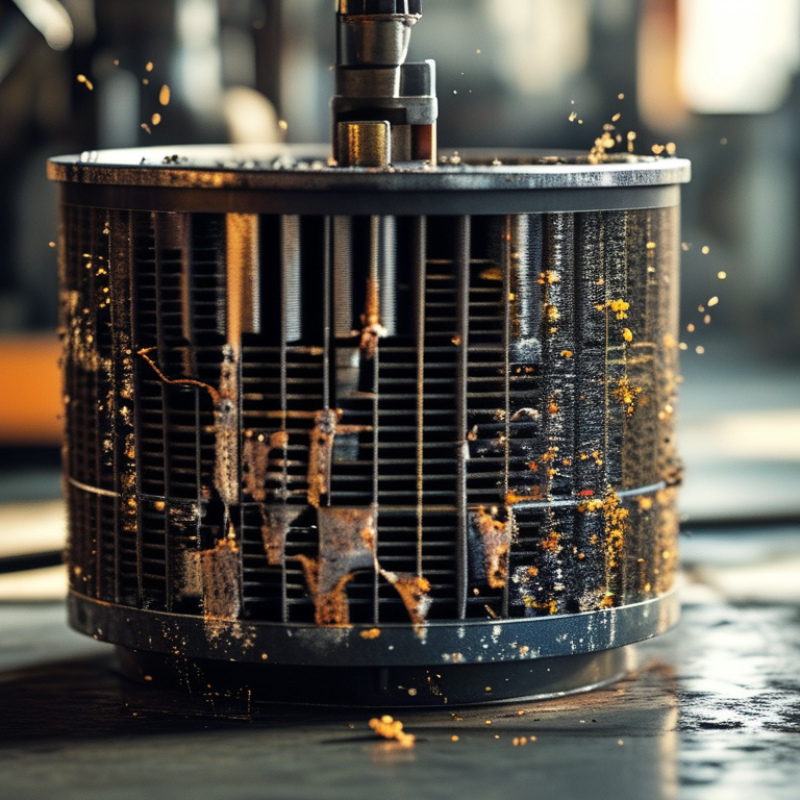
What is an Inline Fuel Filter?
An inline fuel filter is a crucial component in modern vehicle fuel systems. It helps remove impurities and contaminants from fuel before it reaches the engine. By filtering out dirt, rust, and other particles, it ensures that only clean fuel is delivered. This can lead to improved engine performance and longevity. According to a report from the Automotive Aftermarket Suppliers Association (AASA), up to 80% of fuel system failures are related to contaminants.
Proper maintenance of the inline fuel filter is essential. Many experts recommend changing it every 15,000 to 30,000 miles, depending on vehicle usage. Neglecting this task can result in reduced fuel efficiency and increased emissions. Data from the Society of Automotive Engineers (SAE) indicates that a clogged filter can reduce fuel flow by 50%. This highlights the importance of regular inspection and timely replacement.
While inline filters serve a vital purpose, they are not infallible. Some filters may not capture all contaminants, leading to potential issues down the line. Additionally, improper installation can lead to leaks or malfunctions. Understanding these limitations is key for any vehicle owner aiming to maintain optimal engine function. Introducing higher quality filters can also be a worthwhile consideration for those seeking improved performance.
Key Components of an Inline Fuel Filter
An inline fuel filter is crucial for any internal combustion engine. It removes dirt, debris, and contaminants from the fuel before it reaches the engine. Understanding its key components can help owners maintain their vehicles effectively.
The main part of an inline fuel filter is the filter media. This is typically made of synthetic materials or paper. It captures impurities while allowing fuel to flow freely. In many designs, a metal or plastic housing encases the filter media. This protective casing prevents damage and ensures a secure fit within the fuel lines. Some filters include a built-in sediment bowl. This allows larger particles to settle at the bottom, making it easier to clean.
Another important component is the inlet and outlet ports. They connect the filter to the fuel system. The size and design of these ports can affect fuel flow. A poorly designed port may restrict fuel delivery, impacting engine performance. Regular maintenance of the inline fuel filter is necessary. Over time, it can become clogged, requiring replacement. Understanding these components enhances vehicle knowledge, leading to better care and potentially resolving issues before they escalate.
How Inline Fuel Filters Function Mechanically
Inline fuel filters are crucial for maintaining a clean fuel supply to combustion engines. They trap contaminants such as dirt, rust, and debris before they can enter the engine. This mechanical function is vital for engine longevity and performance. Typically, these filters operate by using a porous material that allows fuel to flow through while capturing unwanted particles.
To understand how inline fuel filters work, consider their structure. The filter contains a cylindrical casing, within which a filtering element is placed. This element can be made of various materials, such as paper or synthetic fibers, depending on the filtration requirements. According to industry reports, the average inline fuel filter can remove particles as small as 10 microns with up to 99% efficiency. This effectiveness is critical, as even minimal contamination can harm engine performance.
Regular maintenance is essential to ensure these filters function properly. It's advisable to change the filter according to vehicle maintenance schedules. Doing so helps prevent restrictions in fuel flow, which can lead to engine stalling or poor performance. Checking your vehicle's fuel filter regularly can also save on costly repairs in the long run. Remember, a clean fuel system contributes to better fuel efficiency and engine health.
What is an Inline Fuel Filter and How Does It Work?
| Feature |
Description |
| Purpose |
To filter out impurities and particulates from fuel before it reaches the engine. |
| Location |
Typically located between the fuel pump and the engine. |
| Materials |
Usually made from metal or high-quality plastic with a filter media inside that captures contaminants. |
| Filtration Mechanism |
Utilizes physical and sometimes chemical means to trap and remove particles from the fuel. |
| Maintenance |
Should be replaced periodically based on vehicle usage and manufacturer's recommendations. |
| Signs of Clogging |
Decreased engine performance, difficulty starting, or stalling during operation. |
| Types |
Inline filters, cartridge filters, and screen filters, each with varying degrees of filtration efficiency. |
Common Types of Inline Fuel Filters
When discussing inline fuel filters, it's essential to recognize their various types and functions. These filters play a crucial role in maintaining fuel cleanliness. They are designed to prevent dirt, rust, and other impurities from entering the fuel system. A clogged or faulty filter can lead to engine performance issues.
One common type of inline fuel filter is the mesh filter. Mesh filters use a fine mesh material to trap larger particles. They are often easy to clean and reusable. Another type is the paper filter, which is typically disposable. Paper filters capture smaller particles and provide a higher filtration efficiency. Both types require regular inspection and replacement to ensure optimal engine performance.
Selecting the right inline fuel filter depends on the specific vehicle and its fuel system requirements. Not everyone is aware of their vehicle's needs, leading to unnecessary issues. It's crucial to refer to vehicle manuals or consult with experts. Regular maintenance and attention to the type of filter can prevent costly repairs down the line.
Importance of Regular Maintenance for Inline Fuel Filters
Inline fuel filters play a crucial role in maintaining the performance of your vehicle's engine. Over time, these filters can become clogged with debris, dirt, and contaminants. Regular maintenance is essential to ensure they function effectively. A blocked filter can lead to reduced fuel efficiency and engine performance. It might seem easy to overlook, but neglecting this simple component can have serious consequences.
Checking and replacing inline fuel filters on a routine basis is an investment in your vehicle's health. Depending on your driving habits, a filter could need replacement every 20,000 to 40,000 miles. Skipping this step not only risks engine damage but can also lead to costly repairs. Reflect on how often you actually change your filter. Many drivers might not prioritize it, thinking it is a minor part. However, the longer you delay maintenance, the more likely you will face engine issues.
Proper installation and selecting the right type of filter are equally important. Incorrect choices can lead to compatibility issues, resulting in poor fuel flow or further clogging. Be aware that different vehicles have unique requirements. Understanding these factors can empower you to take better care of your car’s performance. There’s always room to improve maintenance habits, and being proactive can save you from future headaches.
FAQS
: It removes impurities from fuel before reaching the engine. This ensures clean fuel delivery and improves engine performance.
Experts recommend changing it every 15,000 to 30,000 miles. This can vary based on vehicle usage and conditions.
Neglecting it can reduce fuel efficiency significantly. It may also lead to increased emissions and potential engine damage.
No, some filters may not capture all impurities. This can lead to future problems with engine performance.
Key components include filter media, housing, and inlet/outlet ports. Each component plays a role in maintaining fuel flow.
Reduced fuel flow, engine misfires, or rough running can indicate a clogged filter. Regular inspections are important.
A poorly designed port can restrict fuel flow. This can lead to decreased engine performance and efficiency.
Yes, higher quality filters may improve performance and longevity. They can also provide better protection against contaminants.
Regularly inspect for clogs and check connections. Also, ensure no leaks are present during installation.
Filter media is often made of synthetic materials or paper, capturing dirt while allowing fuel flow.
Conclusion
An inline fuel filter is a crucial component in fuel systems, designed to remove impurities from the fuel before it reaches the engine. It typically consists of several key components, including a filter element, housing, and inlet/outlet fittings. Mechanically, it functions by allowing fuel to pass through the filter media, which traps dirt, rust, and other contaminants, ensuring that only clean fuel reaches the engine.
There are various types of inline fuel filters, each tailored for specific applications and performance requirements. Regular maintenance of inline fuel filters is essential to prevent clogging and maintain optimal engine performance. Neglecting this maintenance can lead to reduced fuel efficiency and potential engine damage, emphasizing the importance of routine checks and replacements for the longevity of the vehicle.

 Jiong Cheng