How to Choose the Right Compressor Parts for Your Needs?

Time:2026-06-12 Author:Ethan
0%

Choosing the right compressor parts can significantly impact your equipment’s performance. There are various types of compressor parts, each serving a unique function. Understanding these differences is crucial for optimal operation.

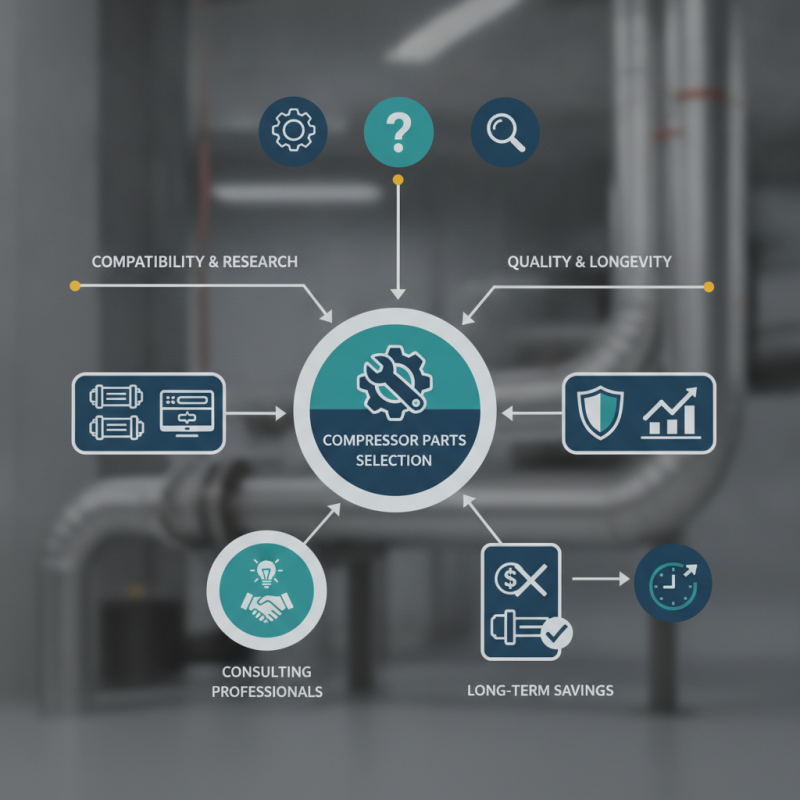
When selecting parts, consider the specific requirements of your compressor. Compatibility is key. Not all parts fit every model. Research is essential. You may feel overwhelmed by choices. Consulting professionals can help clarify your options. Their expertise can guide you in making the right decisions.

Quality matters in compressor parts. Low-cost options can lead to failures, costing you more in the long run. Price should not be the only factor. Look for reliable brands known for durability. Reflect on your long-term needs versus short-term savings. Making the right choice now can save you headaches later.
How to Choose the Right Compressor Parts for Your Needs?

Understanding Different Types of Compressor Parts and Their Functions

When selecting compressor parts, understanding their specific functions is vital. A compressor typically consists of several key components. The main parts include the motor, pistons, and valves. Each part plays a unique role in the compressor's operation. For example, the motor drives the entire system, providing the necessary energy. Pistons compress the air, while valves control airflow and pressure.

Gaskets and filters are also essential. Gaskets ensure a proper seal, preventing leaks. Filters remove debris from the air, protecting the internal components. It's crucial to ensure these parts are compatible. Mismatched components can lead to inefficiency or even damage.

Many users overlook the importance of regular maintenance. Neglecting checks on these parts can result in performance issues. Keeping an eye out for wear and tear is essential. Consider replacing parts that show signs of fatigue. Knowing when to replace parts can extend the compressor's lifespan.

Identifying Your System Requirements: Key Factors to Consider

When choosing the right compressor parts, it's essential to identify your system requirements. Start by understanding the power needs of your application. Different systems demand varying capacities. A small-scale operation might require lower horsepower, while industrial plants frequently need higher output.

Next, consider the environment where the compressor will operate. Temperature and humidity levels can affect performance. If your compressor will be in extreme conditions, selecting parts made from durable materials is crucial. This choice enhances reliability and longevity.

Compatibility with existing systems is another key factor. Ensure that the parts match your current setup. Using incompatible components can lead to inefficiencies. You may need to reflect on past experiences to avoid repeated mistakes. Balancing these requirements can be challenging but is vital for optimal performance. Prioritize reliability to ensure your operations run smoothly.

Evaluating Material Quality and Durability for Compressor Parts

When selecting compressor parts, evaluating material quality and durability is crucial. High-quality materials can ensure longevity and efficient operation. Common materials include aluminum, steel, and composites. Each has unique properties affecting performance. Steel offers good strength, while aluminum is lightweight and resistant to corrosion. Composites can provide a balance between weight and strength.

Tips: Consider operational conditions. Extreme temperatures or exposure to chemicals can affect material choice. Always check performance specifications provided by manufacturers.

Durability is not just about material; it involves design and manufacturing. Parts should withstand wear and tear from constant use. Look for components that have been tested under operational stress. Certifications or quality assurance marks are indicators of reliability. Not all parts marketed as "heavy-duty" truly are.

Tips: Read user reviews and experiences. Real-world feedback can reveal the true performance of component parts. Investigate the supplier's reputation. Trusted suppliers often provide warranties or guarantees, adding an extra layer of security for your investment.

Assessing Compatibility with Existing Equipment and Specifications

When selecting compressor parts, compatibility is key. Each component must fit seamlessly with your existing equipment. Check specifications carefully. Dimensions, power ratings, and material needs can vary widely. An incorrect fit could lead to malfunction or even damage.

Evaluating compatibility involves more than just measuring dimensions. Consider the operating environment. Does the part withstand extreme temperatures or corrosion? Assessing these factors ensures reliability. Don’t overlook the need for proper certification. Uncertified parts may lack essential testing for safety and performance.

Sometimes, parts seem perfect but don't work as expected. This can happen when specifications appear similar, yet performance varies. It's vital to consult with experts who understand component relationships. Their insight can save you time and resources. Remember, investing time in research now pays off later in efficiency and longevity.

How to Choose the Right Compressor Parts for Your Needs?

Part Type Material Compatibility Operating Pressure (psi) Max Temperature (°C) Connection Type
Compressor Cylinder Cast Iron Compatible with Model A and B 150 80 Flanged
Piston Ring Aluminum Alloy Compatible with Model A and C 200 70 Threaded
Compressor Valves Stainless Steel Compatible with Model B and D 250 90 Flanged
Compressor Belt Rubber Universal Fit N/A N/A N/A
Air Filter Synthetic Fiber Compatible with most models N/A N/A Snap-On

Analyzing Cost vs. Performance for Optimal Parts Selection

When selecting compressor parts, understanding cost versus performance is critical. Many users choose lower-cost parts to save money. However, this can lead to increased maintenance and operational issues later. A cheaper part might wear out faster, causing unexpected downtime. Higher quality parts often provide better efficiency and longer life. Evaluating the long-term benefits of each option is essential.

Performance is equally significant. A high-performance part may seem more expensive initially. Yet, it can enhance overall productivity. It's important to assess your specific needs. Consider factors like workload and operating conditions. Sometimes, mid-range options strike a good balance between cost and quality. These choices provide decent reliability without breaking the bank.

Don’t neglect to examine all factors. A part that costs more upfront may save money in repairs. Conversely, a bargain might lead to frequent replacements. Look for parts with good reviews, but remember they aren't all perfect. It's wise to reflect on past choices and learn from them. Analyze your requirements carefully for better decision-making.

Performance vs. Cost of Compressor Parts

FAQS

: Why is compatibility important when selecting compressor parts?

: Compatibility ensures each component fits your existing equipment seamlessly. Incorrect fits can lead to malfunction or damage.

What should I check beyond dimensions when evaluating parts?

Consider the operating environment, such as extreme temperatures or exposure to corrosion.

What role does certification play in parts selection?

Certified parts have undergone essential testing for safety and performance. Uncertified parts may not meet these standards.

Can similar-looking parts perform differently?

Yes, parts may have similar specifications but differ in performance. Consulting experts helps ensure the right choice.

Is it wise to choose the cheapest parts available?

Opting for lower-cost parts can lead to higher maintenance and operational issues over time, resulting in unexpected downtime.

What should I consider regarding performance and cost?

Analyze both long-term benefits and specific needs. Sometimes, mid-range options can balance cost and quality effectively.

Are all reviews for parts trustworthy?

No, while reviews can provide insights, not all parts are perfect. Reflecting on past choices helps in making better decisions.

How does a more expensive part save money in the long run?

Higher-quality parts may reduce repair costs and extend lifespan, ultimately saving money on replacements.

What factors influence optimal parts selection?

Workload, operating conditions, and overall performance expectations must all be considered in your decision.

Can reflecting on past choices improve future selections?

Yes, analyzing previous decisions can provide insights, enhancing your ability to choose the right components next time.

Conclusion

When selecting the right compressor parts, it's essential to understand the various types available and their specific functions. Different compressor components play distinct roles in the overall system, so identifying your system requirements is crucial. Factors such as operating environment, pressure levels, and efficiency needs should guide your choices.

Additionally, evaluating the material quality and durability of compressor parts can significantly affect the longevity and performance of your equipment. Ensuring compatibility with existing machinery specifications is vital to avoid operational issues. Finally, an analysis of cost versus performance will help you make informed decisions, balancing budget constraints with the need for reliable and efficient compressor parts.


Ethan

Ethan

Ethan is a seasoned marketing professional with a deep expertise in our company's innovative product line. With a passion for sharing knowledge and insights, he takes the lead in regularly updating our corporate blog, where he explores industry trends, product features, and effective marketing......