How to Choose the Best Oil Separators for Your Needs?

Time:2026-07-05 Author:Amelia
0%

Choosing the right oil separators can be challenging. According to industry expert John Smith, "Selecting the optimal oil separator depends on specific operational needs and environmental considerations." This underscores the importance of understanding your requirements before making a choice.

Oil separators play a vital role in various industrial applications. They help maintain machinery efficiency by removing oil from water and other liquids. The correct selection can significantly impact performance and cost-effectiveness. However, not all oil separators are created equal. Each system has unique strengths and weaknesses that must be carefully evaluated.

Consider factors such as size, flow rate, and application. Different environments demand specific features. For instance, marine applications require robust systems resistant to harsh conditions. Reflecting on these aspects can reveal the flaws in a one-size-fits-all approach. Assessing your needs brings clarity, enabling informed decisions in selecting oil separators.
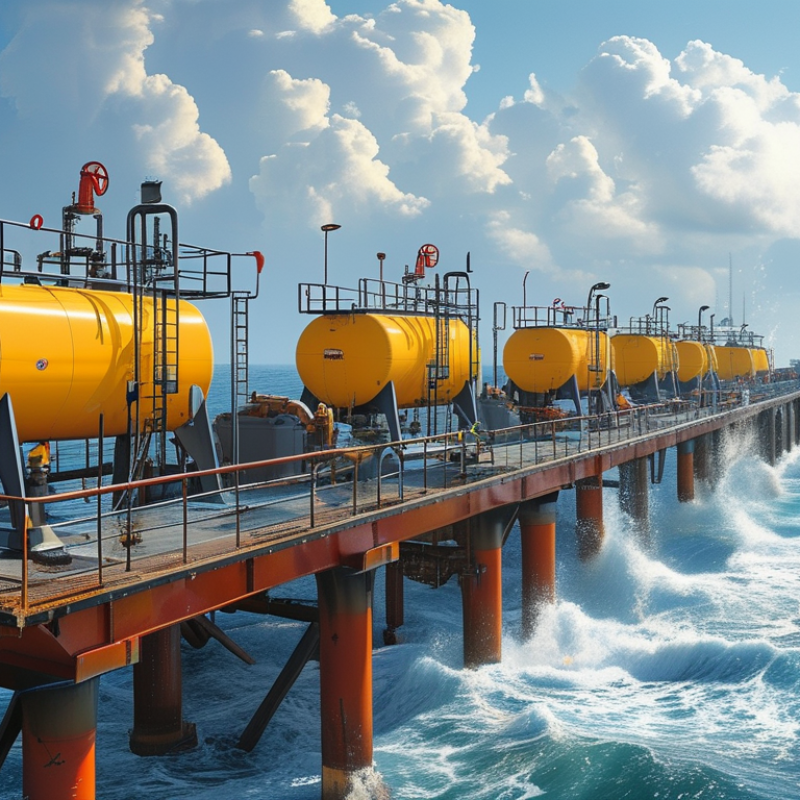
How to Choose the Best Oil Separators for Your Needs?

Understanding Oil Separator Types and Their Applications

When choosing oil separators, understanding their types is crucial. There are several categories of oil separators, each serving specific applications. Gravity-based separators are common in various industries. They employ the principle of density differences to separate oil from water. These systems are simple but require regular maintenance for effective operation.

For more demanding environments, coalescing separators offer increased efficiency. These units use filter media to capture smaller oil droplets, leading to better separation. They work well in applications where oil concentration is high. However, coalescing separators can be costly and require careful handling to prevent clogging.

Tips: Always assess your specific needs before selecting a type. Consider your operational challenges and the potential volume of oil to be separated. Regular maintenance is vital; neglect can lead to reduced effectiveness. Choose equipment that fits your budget but does not compromise on quality. It's essential to reflect on the long-term benefits of your investment in reliable technology. Each choice has consequences, and understanding the implications will lead to better decision-making.

Key Factors to Consider When Selecting Oil Separators

When selecting oil separators, several key factors play a crucial role in making the best choice. Efficiency is paramount. According to industry reports, high-performing separators can achieve over 99% oil removal efficiency under optimal conditions. This efficiency is vital for reducing environmental impact and ensuring compliance with regulations.

The type of application also influences the decision. For industrial processes, separators designed for high flow rates are essential. These units often feature advanced technologies tailored for specific industries, such as petrochemicals. Conversely, smaller operations may benefit from compact separators that occupy less space while maintaining effectiveness.

Maintenance needs cannot be overlooked. Operators should consider the ease of access for cleaning and repairs. Records show that regular maintenance can enhance efficiency and prolong lifespan. An oil separator should not just meet immediate demands but also adapt to future needs. That adaptability may reflect on overall operational costs and sustainability goals. As the industry evolves, reevaluating choices periodically is crucial to remain compliant and efficient.

Evaluating Size and Capacity Requirements for Your System

When choosing oil separators, understanding size and capacity is crucial. The right size ensures efficiency and prevents operational issues. For instance, larger facilities typically require separators with a capacity of 1,000 gallons or more. Conversely, smaller operations may only need units holding a few hundred gallons. According to industry data, improperly sized separators can reduce effectiveness by up to 30%. Maintaining the correct capacity helps in managing operational costs more effectively.

Evaluating the specific requirements of your system is essential. Factors include the volume of oily water generated and the frequency of discharge. Reports suggest that separators should be sized to accommodate peak flow rates. Overestimating capacity can lead to higher energy costs, while underestimating can result in system overload. Analyzing historical flow data often reveals trends that can aid in accurate sizing.

Additionally, considering factors such as the type of oil and the contaminants involved is vital. Some systems may handle emulsified oils differently. According to the American Petroleum Institute, up to 20% of separators underperform due to inappropriate application for the specific type of oil. Balancing these elements can lead to optimal performance and reliable operation. Ultimately, a keen analysis of size requirements is necessary for effective oil separation.

Assessing Material Compatibility and Environmental Conditions

When selecting oil separators, material compatibility and environmental conditions are critical. Consider the types of fluids involved in your specific application. Different oils and chemicals can react differently to various materials. For instance, rubber seals may not withstand certain solvents. This incompatibility can lead to leaks and costly mishaps.

Evaluate environmental conditions too. Temperature fluctuations can impact the performance of your separator. High temperatures may degrade certain materials faster. Humidity and exposure to corrosive substances can also affect overall functionality. It’s essential to assess these factors thoroughly.

Unexpectedly, users often overlook maintenance needs linked to material types. Some separators require more frequent upkeep based on their composition. This can become a burden over time. Balancing initial costs against long-term reliability is crucial. Take the time to research and consider these aspects.

Maintenance and Durability Considerations for Oil Separators

When selecting oil separators, durability and maintenance are key considerations. Proper maintenance ensures optimal performance and prolongs their lifespan. According to industry reports, regular inspections can increase operational efficiency by up to 30%. Routine checks can identify issues early, thus preventing costly breakdowns.

Durability is another critical factor. High-quality materials can significantly enhance performance. Statistics indicate that separators made from corrosion-resistant alloys last 20% longer than standard options. Additionally, the design of the separator impacts its ability to handle varying oil types. For instance, separators optimized for high-viscosity oils show improved resilience under challenging conditions.

Investing in durable units may require higher upfront costs. However, lower maintenance needs and longer service life can lead to significant long-term savings. Reflecting on these factors, choosing the right unit is not just about immediate performance. It's about balancing cost with longevity and reliability, ensuring that your equipment serves its purpose effectively over time.

How to Choose the Best Oil Separators for Your Needs? - Maintenance and Durability Considerations for Oil Separators

Feature Description Importance Level Typical Maintenance Frequency
Material Quality Durable materials resist corrosion and wear. High Annually
Separator Efficiency Effectiveness in removing oil from water. High Quarterly
Size & Capacity Suitable dimensions for the application site. Medium Every 5 years
User Maintenance Ease of maintenance tasks by operators. Medium Monthly
Warranty & Support Length and terms of warranty provided. High As required

FAQS

: What are the common types of oil separators?

: Common types include gravity-based and coalescing separators. Each type serves specific applications effectively.

How do gravity-based separators work?

They use density differences to separate oil from water. These systems are simple but need regular maintenance.

What are coalescing separators known for?

Coalescing separators capture smaller oil droplets. They provide better separation but may be costly and require careful handling.

Why is it important to assess specific needs before choosing a separator?

Different applications have unique challenges and oil volumes. Assessing needs ensures effective operation and optimal performance.

What happens if separators are improperly sized?

Improper sizing can reduce effectiveness by up to 30%. It may lead to higher costs and operational issues.

How should capacity requirements be evaluated?

Consider factors like oily water volume and discharge frequency. Analyze historical flow data for accurate sizing.

How does maintenance impact the lifespan of oil separators?

Regular maintenance can increase efficiency by up to 30%. Inspections identify issues early, preventing costly breakdowns.

Why is durability an important factor in separator selection?

Durable units last longer and require less maintenance, leading to long-term savings. High-quality materials enhance performance.

How does oil type influence separator performance?

Some systems handle emulsified oils differently. Proper application is vital for effective separation and reliable operation.

What should be reflected upon when choosing a separator?

Consider the balance between cost and longevity. Immediate performance is important, but reliability over time matters too.

Conclusion

Choosing the best oil separators for your needs involves a comprehensive understanding of various types and their specific applications. Different oil separators are designed to handle different fluid types, so knowing the requirements of your system is crucial. Key factors to consider include the operational environment, the compatibility of materials, and the overall maintenance needs of the system.

In addition to these considerations, evaluating the size and capacity requirements ensures that the separator can effectively manage the volume of oil and water. Durability and maintenance aspects cannot be overlooked, as these influence the long-term performance and reliability of the oil separators. By carefully assessing these criteria, you can make an informed decision that best suits your application, ensuring optimal function and efficiency.


Amelia

Amelia

Amelia is a seasoned marketing professional with a wealth of expertise in our company’s core offerings. With an unwavering passion for driving growth and innovation, she plays a pivotal role in shaping our marketing strategies and enhancing brand visibility. A key aspect of her responsibilities......