How to Choose the Best Oil Filters for Your Vehicle?

Time:2026-07-02 Author:Isabella
0%

When choosing the best oil filters for your vehicle, understanding the options available is crucial. According to automotive expert Michael Smith, "Quality oil filters protect engines from dirt and impurities." Oil filters play a vital role in maintaining engine health. Selecting the right filter can be the difference between a smooth-running engine and costly repairs.

The market is saturated with various brands and types of oil filters. This abundance can create confusion for car owners. Different vehicles have different requirements, making it essential to consider compatibility. Factors such as filter design, material, and lifespan come into play when making a choice. Quality oil filters can enhance performance and extend engine life.

However, not all filters live up to their promises. Some may even have hidden flaws that could put your vehicle at risk. It’s important to look beyond marketing claims. Researching user reviews and seeking recommendations can lead you to the best options. Making an informed decision on oil filters requires diligence and understanding.
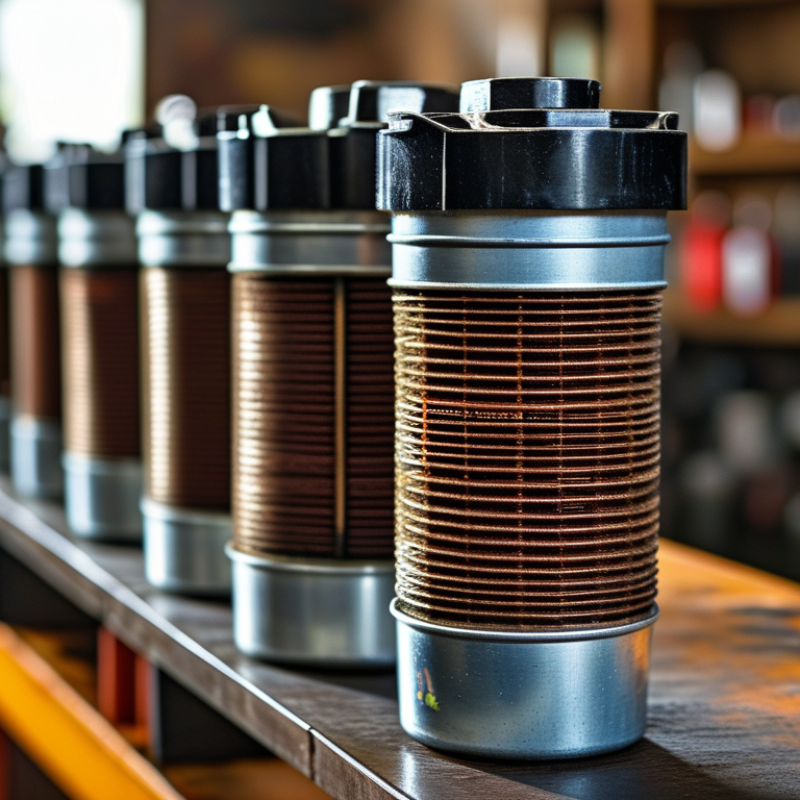
How to Choose the Best Oil Filters for Your Vehicle?

Understanding the Importance of Oil Filters in Vehicle Maintenance

Oil filters play a crucial role in the maintenance of vehicles. They remove contaminants from engine oil, ensuring that your engine runs smoothly and efficiently. According to industry reports, about 75% of engine wear is due to dirty oil, which emphasizes why maintaining a clean oil system is vital.

A quality oil filter can significantly impact engine performance and longevity. Studies show that vehicles with regularly replaced oil filters can improve fuel efficiency by as much as 2%. This small gain in efficiency means lower fuel costs over time. However, not all filters are created equal. Choosing the right oil filter requires understanding specifications that fit your vehicle.

Many vehicle owners overlook the importance of oil filter maintenance. This oversight can lead to engine damage and costly repairs. Research indicates that nearly 40% of drivers do not change their filters alongside oil changes, which may lead to pump failure and other issues. Addressing this gap in maintenance awareness is essential for ensuring optimal engine health and performance in the long run.

Types of Oil Filters and Their Specific Uses in Different Vehicles

Selecting the right oil filter is essential for vehicle maintenance. Different vehicles require specific types of oil filters, which can significantly impact engine performance. Conventional filters are widely used in everyday cars. They remove contaminants but may not be effective under extreme conditions. Studies show that up to 50% of engine wear can be linked to inadequate filtration.

Synthetic filters offer better filtration efficiency, particularly for high-performance vehicles. They can trap particles as small as 10 microns. Vehicles that operate in harsh climates or under heavy loads benefit from these filters. A report indicates that synthetic filters can extend engine life by up to 20%. However, the higher cost may lead some vehicle owners to overlook their advantages.

Magnetic oil filters are another option gaining attention. They use magnets to attract metal particles, providing an extra layer of protection. Yet, they might not perform well in every scenario. Users should also reflect on the installation process. An improperly installed filter can lead to leaks, voiding the warranty. Careful consideration of each filter's unique benefits and shortcomings is crucial for optimal vehicle performance.

Key Factors to Consider When Selecting an Oil Filter

When selecting an oil filter, several key factors should guide your decision. One of the most important aspects is the filter's filtration efficiency. A high-quality filter removes contaminants effectively, which is crucial for engine health. Look for filters that capture particles down to a few microns. This will help maintain oil cleanliness and prolong engine life.

Another critical factor is the filter's capacity to handle oil flow. Different engines require varying oil flow rates, so select a filter that fits your vehicle’s specifications. If the flow rate is too low, it may restrict oil circulation. Consider the size and construction of the filter as well. A robust design will generally offer better performance and durability.

Tips: Check user reviews and expert recommendations. This can provide insights into the filter's effectiveness and reliability. Don’t forget to inspect your vehicle’s manual for specifications. It often contains essential details on which oil filter is ideal for your engine. Routine maintenance is also essential. Ensure timely oil changes to maximize the filter's lifespan and overall engine performance. Remember, a poor choice can lead to engine issues, underscoring the need for careful consideration.

How to Identify the Right Size and Compatibility for Your Vehicle

Choosing the right oil filter for your vehicle is essential. It ensures your engine runs smoothly and efficiently. To identify the right size and compatibility, start by checking the owner’s manual. It typically provides specific recommendations. Pay attention to the filter's dimensions, thread size, and type.

Another way to determine compatibility is to inspect the old filter. Compare it with potential replacements to ensure a good fit. Oil filters vary in design and function; even minor differences can affect performance. Some filters may offer better filtration than others. This detail can impact engine longevity and efficiency.

Take the time to research. Various online resources can provide valuable insights into different filter types. However, not all information may be reliable. Verify facts from multiple sources before making a decision. Remember, choosing the best oil filter may require trial and error. It’s okay to face challenges while finding the ideal match for your vehicle.

Comparing Top Oil Filter Brands and Their Features

When selecting an oil filter, it’s essential to understand the features of top brands. High-quality oil filters play a critical role in maintaining engine performance. Reports have shown that around 75% of oil filter failures are linked to poor filtration. Choosing the right filter can extend engine life significantly, with claims of increasing the engine's lifespan by 50,000 miles when using effective filters.

Different brands vary in design and filtration capabilities. Some filters use advanced synthetic media, which can trap smaller particles. This superior technology leads to better engine protection. Industry studies highlight that filters with higher dirt-holding capacity reduce engine wear by up to 10%. However, some consumers overlook this when prioritizing price over performance.

It's also necessary to consider oil filter construction. Filters made from durable materials withstand high-pressure conditions better. Some users find that cheaper filters may not hold up well, prompting a need to replace them more frequently. Investigating user reviews can indicate common issues, yet it’s vital to remember that personal experiences can vary widely. An informed choice can make a significant difference in engine health.

FAQS

: Why is selecting the right oil filter important?

: It ensures your engine runs smoothly and efficiently, reducing wear and tear.

How can I determine the right oil filter size for my vehicle?

Check the owner’s manual for specific recommendations regarding dimensions and thread size.

What are synthetic oil filters known for?

They offer better filtration efficiency and can trap particles as small as 10 microns.

How do magnetic oil filters work?

They use magnets to attract metal particles, providing an extra layer of engine protection.

What challenges might I face when selecting an oil filter?

You might need to compare multiple filters and face trial and error before finding a match.

Can oil filter quality affect engine lifespan?

Yes, using high-quality filters can extend engine life significantly, possibly by over 50,000 miles.

Are cheaper oil filters worth it?

They may need more frequent replacements, leading to higher long-term costs over time.

What should I consider when researching oil filters?

Verify facts from multiple sources, as not all information available online is reliable.

What happens if an oil filter is improperly installed?

It can lead to leaks and may void the warranty, causing costly repairs.

How does filter construction impact performance?

Durable materials withstand high pressure better, which can enhance lifespan and efficiency.

Conclusion

Oil filters play a crucial role in vehicle maintenance by ensuring the longevity and efficiency of your engine. Understanding the different types of oil filters, including their specific uses for various vehicles, is essential for making an informed choice. Factors such as the filter's size, compatibility with your vehicle, and overall quality must be considered to ensure optimal performance.

When selecting oil filters, it is important to compare features across different brands, focusing on attributes like filtration efficiency and ease of installation. By thoroughly assessing these aspects, vehicle owners can choose the best oil filter that meets their needs and enhances their vehicle's performance.


Isabella

Isabella

Isabella is a dedicated marketing professional with a sharp focus on driving brand growth and engagement through strategic content creation. With an extensive background in digital marketing, she combines her passion for storytelling with her keen understanding of industry trends to deliver......