Selecting the right air oil filter compressor can drastically improve system efficiency. Recent industry reports indicate that well-maintained air oil filters can extend compressor life by over 30%. This is critical in sectors where air quality is paramount, such as pharmaceuticals and food processing.
The air oil filter compressor serves a dual role. It cleans the air entering the compressor and reduces oil contamination. Contaminated air can lead to significant system failures, increasing downtime and repair costs. According to the American Society of Mechanical Engineers (ASME), neglecting air oil filters can contribute to up to 45% of premature equipment failures.
Investing in a quality air oil filter compressor is not just about performance; it's also about reliability. Users often overlook maintenance needs, thinking all filters are the same. However, the right choices can lead to measurable improvements in energy consumption and operational stability. It's important to continually assess filter performance to mitigate risks. This deliberate reevaluation can lead to more informed decisions, ultimately protecting vital machinery.
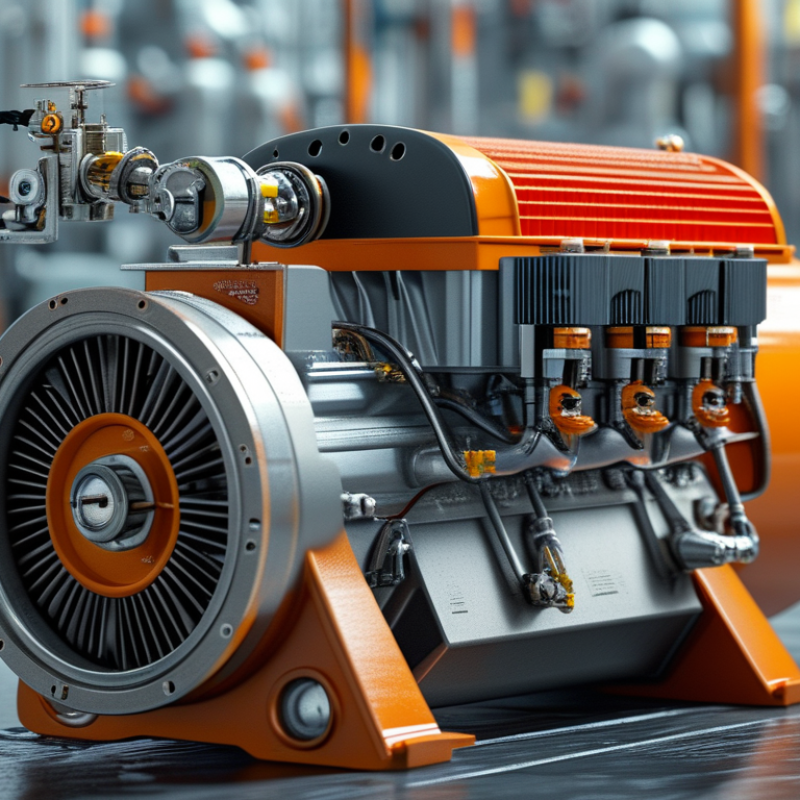
Air oil filter compressors are essential in many industrial settings. They offer significant benefits that enhance operational efficiency. These compressors not only combine oil and air separation but also ensure cleaner air delivery. This leads to improved performance of pneumatic tools and equipment.
Using quality air oil filter compressors can reduce maintenance costs. Their design helps prevent contaminants from entering the system. This results in fewer breakdowns and longer equipment life. Many industries benefit from these compressors, especially those in manufacturing and construction.
Air oil filters play a crucial role in enhancing the lifespan of compressors. A compressor removed from contaminants runs more efficiently. This efficiency leads to optimal performance, reducing wear and tear on critical components. The oil filter captures dirt, moisture, and other particles that could damage the internal parts. As a result, machinery remains in good condition longer.
Tips: Regularly check the air oil filter for physical damage. A damaged filter won't perform as intended. Consider replacing it every service interval recommended by professionals.
Choosing air oil filters is not just about initial costs. It's an investment in longevity and reliability. A well-maintained compressor can save you significant repair costs over time. Keeping an eye on operating conditions can reveal how well your filter is performing. Over time, contaminated filters can lead to decreased pressure and efficiency. Monitoring this can help in making timely decisions.
Tips: Keep a log of your filter changes. This will help identify patterns in performance over time. If you notice unexpected drops in efficiency, revisit your maintenance routine.
| Filter Type | Efficiency (%) | Lifespan Increase (months) | Maintenance Frequency (months) | Cost ($) |
|---|---|---|---|---|
| Standard Oil Filter | 85 | 6 | 3 | 50 |
| High-Efficiency Oil Filter | 95 | 12 | 6 | 75 |
| Premium Air Oil Filter | 99 | 18 | 12 | 100 |
| Eco-Friendly Oil Filter | 90 | 8 | 4 | 60 |
Air oil filters for compressors stand out in performance when compared to traditional filters. They excel in separating oil from air, ensuring cleaner compressed air output. This separation process directly affects the reliability of air-powered tools, leading to better longevity and efficiency. Traditional filters often allow oil and moisture to mix, which can cause corrosion and deterioration of equipment.
The design of air oil filters is also worth noting. They often incorporate advanced filtration media that captures finer particles. This results in improved air quality, reducing wear and tear on machinery. In contrast, traditional filters may struggle with this level of performance. Users may end up performing more frequent maintenance, leading to increased costs and downtime. Observing the differences highlights the advantages of investing in a more efficient solution.
Switching to air oil filters can yield immediate benefits. However, implementation might require adjustments in maintenance schedules. Some users may also feel hesitant due to the upfront costs. Nonetheless, the long-term gains in efficiency and reduced failures are compelling. Testing different configurations can reveal the best setup for specific needs. Adopting new technologies is never straightforward, but the potential performance improvements will drive many toward advanced options.
When considering an air oil filter compressor, there are distinct features that drive performance. These filters efficiently separate oil from air, ensuring cleaner operation. This contributes to the longevity of your compressor and equipment. Additionally, they minimize the risk of harmful contaminants entering the system. The reduction of wear and tear enhances the durability of your machinery.
It's essential to regularly maintain your air oil filter. Neglect can lead to decreased efficiency and increased operational costs. Keeping an eye on filter indicators can help prevent unnecessary breakdowns. Inspecting and replacing filters at the right time ensures optimal performance. Regular checks can save both time and money.
Consider the environment where your compressor operates. Extreme temperatures and dust levels can affect filter efficiency. In challenging conditions, more frequent changes may be needed. Don't overlook the manufacturer's recommendations for filter maintenance. Customizing your maintenance routine based on actual conditions can lead to better machinery performance.
Air oil filters in compressors are essential for maintaining optimal performance. Regular maintenance is crucial to ensure they function effectively and efficiently. Neglect can lead to significant issues.
One key tip is to monitor the filter’s condition. Regularly check for any signs of dirt or dust buildup. A clean filter promotes better airflow and reduces strain on the compressor. In some cases, users may overlook simple visual inspections. This can result in decreased performance over time.
Another important aspect is timely replacement. Air oil filters have a specific lifespan. Replacing them at recommended intervals helps maintain performance. Yet, many users wait too long to change them. This can lead to reduced efficiency and increased operational costs.
Lastly, always ensure proper installation. Poorly fitted filters can compromise the system. This can lead to leaks or inefficiencies. Paying attention to these details can yield better performance and reliability. Regular checks help catch issues early and allow users to react accordingly. By taking these steps, optimal performance can be maintained more effectively.
: They enhance operational efficiency and provide cleaner air, which improves performance of tools and equipment.
Their design prevents contaminants from entering, leading to fewer breakdowns and longer equipment life.
Contaminated air can negatively impact product quality and safety, making it crucial to invest in filtration systems.
Regularly check the filter’s condition and look for dirt buildup. A clean filter promotes better airflow.
Filters should be replaced according to recommended intervals. Waiting too long can decrease efficiency.
Make sure filters are fitted correctly. Poor installation can cause leaks and compromise system efficiency.
While maintenance requires time and effort, it saves significant repair costs in the long run.
Neglect can lead to major performance issues and increased operational costs over time.
Yes, keeping a log helps identify performance patterns and makes maintenance more manageable.
Cleaner air systems require less energy, which lowers utility bills and reduces carbon footprint.
The article "Why Choose Air Oil Filter Compressor for Optimal Performance?" highlights the critical advantages of utilizing air oil filter compressors in various industrial applications. These compressors significantly enhance operational efficiency by ensuring cleaner air supply, which in turn prolongs the lifespan of the equipment. The comparison between air oil filters and traditional filters illustrates that air oil filters offer superior filtration and lower maintenance needs, making them a more cost-effective solution.
Additionally, the article describes key features that distinguish air oil filter compressors, such as improved moisture control and contaminant removal. To maintain optimal performance, it emphasizes essential maintenance tips, ensuring these compressors operate at their best. Ultimately, investing in an air oil filter compressor leads to enhanced reliability and efficiency, proving it to be an indispensable asset in modern industrial environments.

Jiong Cheng