Buying Air Compressor Accessories can look simple until a workshop starts losing pressure, airflow, or money. A filter may appear suitable on a product page, yet its pressure drop can restrict a small compressor. An undersized hose can heat up near a spray gun. A poorly matched regulator may create unstable output during continuous work. These details matter more than attractive packaging.
Ron Marshall, a respected compressed-air systems specialist, offers a practical reminder: “Treat every accessory as part of the system, not as an isolated purchase.” That principle shapes the ten buying tips ahead. We will examine compatibility, working pressure, airflow capacity, connection sizes, filtration, moisture control, hose length, durability, maintenance, and total cost. The right choice should fit the compressor’s actual duty cycle, not only its maximum label rating.
Measure before ordering. Check the manual. Inspect the fittings already installed. A quiet leak around a coupler can waste useful air for months. It happens. Even experienced buyers sometimes focus on price and overlook replacement elements, thread standards, or indoor humidity. That is worth reconsidering. A dependable setup should deliver clean, stable air without forcing the compressor to run constantly. These tips are designed for workshops, garages, construction tasks, and light industrial use. They cannot replace the manufacturer’s specifications, but they can make comparison shopping more disciplined, practical, and reliable.
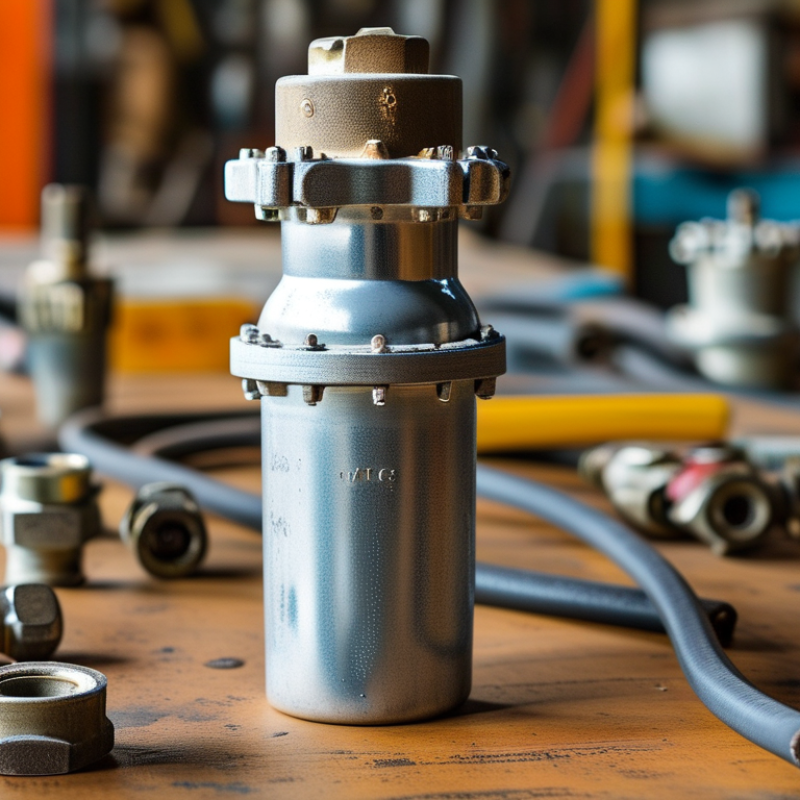
10 Air Compressor Accessories Buying Tips: Define Your Compressor’s Requirements Before Shopping
Before buying accessories, measure the compressor’s real working conditions. Check pressure, airflow, duty cycle, temperature, and connection size. A tool requiring 8 bar may need higher inlet pressure after hose losses. Record demand during startup, peak production, and idle periods. Do not rely only on the compressor’s advertised rating.
The U.S. Department of Energy reports that compressed air can represent about 10% of industrial electricity use, with higher shares in some facilities. Small pressure losses can therefore increase operating costs. A long, narrow hose may restrict airflow, while an undersized filter can create a noticeable pressure drop. Choose dryers, regulators, separators, and couplers according to actual flow, not cabinet size.
The required airflow should match the tool’s published consumption at its working pressure. Add a reasonable reserve for simultaneous use, but avoid excessive oversizing. It wastes energy. My early estimates were too optimistic because I measured average demand instead of peak demand. That mistake changed the accessory selection. The Compressed Air and Gas Institute also emphasizes checking flow, pressure, filtration, and moisture requirements before system design. A workshop using spray equipment needs cleaner, drier air than one running an impact tool. Condensation matters. So does noise. Leave space for maintenance, and confirm every accessory’s temperature and pressure limits before installation.
| No. | Requirement Dimension | What to Define Before Shopping | Practical Sizing or Selection Data | Buying Check |
|---|---|---|---|---|
| 1 | Airflow Demand | Identify the tool with the highest continuous air consumption and calculate the required airflow at the tool. | Use the tool’s rated SCFM at its stated pressure. Add approximately 25% capacity for leakage, pressure drop, and future demand. | Choose hoses, filters, regulators, and couplers that can support the compressor’s delivered airflow without creating a restriction. |
| 2 | Working Pressure | Confirm the pressure required for every pneumatic tool and process. | Many general-purpose tools operate around 90 PSI, while some specialized tools require different settings. The accessory pressure rating should exceed the intended working pressure. | Check the maximum working pressure printed on the hose, regulator, filter, manifold, and coupler before connecting them. |
| 3 | Hose Inside Diameter | Match the hose bore to the tool’s airflow demand and hose length. | A 1/4-inch hose is suitable for many light-duty tools; 3/8-inch hoses generally reduce pressure loss for higher-flow tools or longer runs. | For runs longer than approximately 25 feet or for high-SCFM tools, compare pressure-drop data instead of selecting by outside diameter alone. |
| 4 | Coupler and Plug Compatibility | Determine the connection profile, nominal size, and thread type used throughout the air system. | Common nominal connection sizes include 1/4 inch and 3/8 inch. Thread standards may include NPT or BSP, which are not automatically interchangeable. | Use matching coupler and plug profiles, and verify thread standard, gender, sealing method, and pressure rating. |
| 5 | Moisture and Condensation Control | Assess humidity, compressor duty cycle, receiver-tank drainage, and the sensitivity of the end-use equipment. | A general-purpose water separator can remove bulk liquid water. Drying requirements for painting, instrumentation, or other sensitive applications may require additional air treatment. | Place moisture separation downstream of the tank and drain the receiver regularly; use a suitable dryer when low dew point air is required. |
| 6 | Filtration Level | Define whether the application needs particulate filtration, oil separation, or cleaner air. | Filter performance is commonly specified by particle size, such as 5 microns or 0.01 microns, and by allowable airflow. | Select a filter with the required efficiency and an airflow rating at least equal to the connected tool’s demand. Replace elements when pressure drop increases. |
| 7 | Pressure Regulation | Determine whether the tool needs adjustable pressure, stable pressure, or separate pressure settings at multiple outlets. | Use a regulator with a suitable adjustment range and flow rating. Set pressure according to the tool manufacturer’s operating requirement rather than using maximum compressor pressure. | Install a gauge that is easy to read and position the regulator close enough to the tool to maintain accurate working pressure. |
| 8 | Electrical and Operating Environment | Check available voltage, frequency, outlet capacity, temperature, dust, and indoor or outdoor exposure. | Accessories such as automatic drains, dryers, and heated components may have specific electrical requirements. Outdoor installations also need protection from rain, freezing, and direct sunlight. | Confirm electrical ratings and environmental suitability before purchase; do not use non-rated electrical accessories in wet locations. |
| 9 | Duty Cycle and Continuous Use | Decide whether the compressor will supply air intermittently or continuously during a work shift. | Impact wrenches and nailers often operate intermittently, while grinders, sanders, and spray equipment can require continuous airflow and greater reserve capacity. | For continuous-use applications, prioritize low pressure drop, adequate heat resistance, high-cycle couplers, and accessories rated for the expected operating duration. |
| 10 | Safety, Maintenance, and Serviceability | Define requirements for hose protection, pressure relief, drainage, replacement parts, and routine inspection. | Use accessories with clearly stated pressure ratings, inspect hoses for cuts or bulges, and replace damaged components. Flexible hoses should not be used beyond their rated temperature or pressure. | Choose accessible drain valves, replaceable filter elements, secure hose fittings, and safety devices that are easy to inspect and maintain. |
Material choice affects service life, leaks, pressure stability, and operator safety. A cracked hose may waste compressed air quietly. Small detail.
Choose reinforced layers, abrasion-resistant covers, and pressure ratings above your working pressure. Polyurethane resists abrasion. Reinforced rubber may suit heavier industrial use.
Brass suits many general applications. Stainless steel performs better in humid or corrosive areas. Check the seal material too.
Use safety cables, locking couplers, and suitable clamps where movement is possible. A loose hose can whip across a workspace. Secure it.
Check pressure ratings, port sizes, airflow capacity, voltage, thread standards, and control signals. Also match the compressor’s duty cycle and air quality needs.
Compressed air may contain particles, water, or oil. Filters and regulators should match the required purity level. A simple size match is not enough.
Check replacement intervals, cleaning methods, drain design, and spare-part availability. Hard-to-find seals can make a cheap accessory expensive. Small details matter.
Review coverage for labor, seals, sensors, and scheduled maintenance. Include installation, energy use, downtime, and service parts. Save invoices and inspection records.
No. I have seen polished accessories fail because their internal seals were poorly matched. I sometimes focus too much on appearance. That is a mistake.
Review the material, certification, pressure rating, compatibility, and replacement history. A lower price may still create higher downtime. My checklist is imperfect.
Choosing the right Air Compressor Accessories begins with understanding your compressor’s workload, operating environment, and intended applications. Before shopping, identify the required pressure range, airflow capacity, connection type, and duty cycle. Each accessory should match these specifications to support reliable performance and prevent leaks, pressure loss, or unnecessary strain. Pay close attention to the materials used in hoses, fittings, filters, regulators, and other components, since durable construction can improve safety, service life, and resistance to wear.
When comparing options, evaluate filters for air-cleaning efficiency, hoses for flexibility and pressure ratings, fittings for secure connections, and control accessories for accurate adjustment. Compatibility is equally important, so confirm thread sizes, installation requirements, and maintenance procedures before purchasing. Consider how often parts need cleaning or replacement, whether spare components are readily available, and what warranty coverage is included. Finally, compare total cost rather than focusing only on the initial price. A dependable accessory that lasts longer and requires less maintenance may provide better value over time.

 Jiong Cheng