10 Best Air Compressor Air Filters in 2026

Time:2026-10-03 Author:Aria
0%

Choosing the right Air Compressor Air Filter can protect tools, products, and the people using them. Moisture, oil mist, dust, and rust particles often travel through compressed-air lines unnoticed. They may later appear as stains, blocked valves, rough finishes, or premature equipment failure.

Ron Marshall, a respected compressed-air systems specialist, has said, “A filter should be selected for the air-quality requirement, not by habit.” That principle guides this review of the 10 Best Air Compressor Air Filters in 2026. Each model deserves attention for more than its advertised micron rating. Pressure drop, drainage design, replacement cost, housing strength, and real operating conditions matter just as much.

Small details matter.

A filter that looks impressive on a product page may perform poorly when its element becomes saturated. A workshop near a dusty road may need different protection than a dental laboratory or spray-painting area. Some users also overlook pipe layout, compressor oil type, and drain maintenance. That mistake is common. I have found that “high efficiency” means little without a clear test standard and a realistic airflow demand.

This guide compares practical choices for different budgets and applications. It does not pretend that one filter suits every compressor. Ratings can change with pressure, temperature, and contamination levels. Readers should verify manufacturer data before installation. That extra check may feel inconvenient, but it can prevent costly downtime and contaminated air.
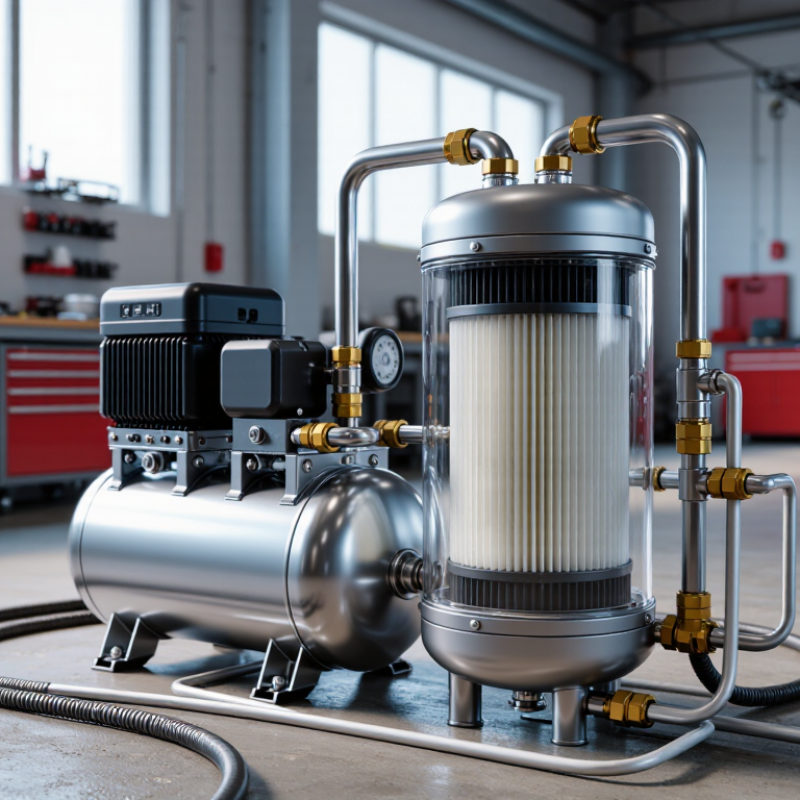
10 Best Air Compressor Air Filters in 2026

What an Air Compressor Air Filter Does and Why It Matters

An air compressor air filter is more than a small metal housing near the intake. It removes dust, oil mist, water droplets, and pipe debris before they damage valves, tools, and finished products. Without filtration, a compressor may swallow particles like grit through an open window. The result can include blocked passages, rising pressure loss, and shorter service intervals.

The U.S. Department of Energy reports that compressed air can consume 10–15% of a manufacturing plant’s electricity. Its Compressed Air Sourcebook also notes that system leaks may waste 20–30% of compressor output. A dirty or poorly selected filter adds unnecessary resistance. That forces the compressor to work harder. Every filter should match the required flow rate, pressure, temperature, and contamination level.

Air quality targets matter too. ISO 8573-1 classifies compressed air by particles, water, and oil, giving maintenance teams a measurable selection framework. In practice, I would check the pressure gauge across the filter, not just its appearance. A filter can look clean while its internal media is loaded. That mistake is easy to make. Replacing elements too early wastes money, but delaying replacement can reduce tool performance and increase energy use. The best 2026 options should provide clear efficiency data, replacement guidance, and dependable drainage. Claims without test conditions deserve caution.

Key Factors for Choosing the Right Air Compressor Air Filter

Choosing among the 10 best air compressor air filters in 2026 requires more than comparing prices. Start with the contaminants in your workspace. Dust, oil vapor, water droplets, and fine particles need different filtration stages. Check the filter’s micron rating, but do not treat that number as the whole story. A very fine filter can restrict airflow and increase pressure loss. Match its capacity to your compressor’s flow rate and working pressure.

Filter construction also matters. A strong housing should resist vibration, heat, and repeated pressure changes. Transparent bowls help you notice collected moisture before it reaches tools. Automatic drains save time, although they still need inspection. I once ignored a small pressure drop because the compressor appeared normal. That mistake reduced tool performance and increased energy use. Manufacturer test data, replacement intervals, and recognized safety specifications offer more reliable guidance than attractive packaging.

Tips:

Measure airflow at the filter inlet, not only at the compressor outlet. Choose a model with a little reserve capacity. Install a water separator when humidity is high. Keep spare elements sealed and dry. Check connections for leaks every month. Be careful with universal claims; real workshop conditions can expose weaknesses that laboratory figures miss. A filter that looks oversized may perform better over time, but only if its maintenance cost remains practical.

The 10 Best Air Compressor Air Filters in 2026

The 10 Best Air Compressor Air Filters in 2026 focus on clean, dry, dependable airflow. Choosing the right filter depends on pressure, flow rate, and the tools connected downstream.

The strongest options include particulate filters, moisture separators, coalescing filters, activated-carbon filters, high-flow filters, compact inline filters, regulator-filter units, automatic-drain filters, stainless-steel filters, and multi-stage filtration systems. Particulate filters catch dust and rust flakes. Moisture separators remove liquid water before it reaches paint guns or air tools. Coalescing filters handle fine oil aerosols. Activated-carbon filters improve odor control, but they are not a substitute for proper compressor maintenance.

I have found that port size matters more than many buyers expect. A small filter can create pressure loss when a nail gun or impact wrench demands fast airflow. Check the manufacturer’s rated flow at your working pressure, not only the maximum rating. A transparent bowl helps reveal water buildup at a glance. It is practical.

Drain the bowl regularly, even when an automatic drain is installed. I once trusted an automatic drain too much, and moisture still collected during humid weather. That experience changed my inspection routine. Replace clogged elements promptly, and install the filter away from excessive vibration. No filter lasts forever. The best choice balances filtration, airflow, service access, and the compressor’s real working conditions.

Air Filter Types for Different Compressor Applications

Air Filter Types for Different Compressor Applications

Choosing among the 10 best air compressor air filters in 2026 starts with the application, not the price. Workshop compressors often need general-purpose particulate filters. These remove dust, rust, and pipe debris before air reaches tools. A coalescing filter suits spray painting and pneumatic equipment. It captures oil aerosols and fine water droplets, helping protect delicate surfaces. For breathing-air systems, use only filtration designed and certified for that specific purpose. Ordinary workshop filters are not enough.

Tips: Check the filter’s flow rating, connection size, and pressure range. A filter that is too small creates pressure loss. Drain water before it reaches the filter bowl. Replace elements when airflow drops, not only when they look dirty.

Dryer-equipped systems may need a particulate pre-filter and a fine after-filter. The pre-filter protects the dryer, while the after-filter catches remaining particles. Activated carbon filters can reduce oil vapor and odors, but they require careful maintenance and monitoring. I have seen selection guides focus heavily on micron ratings while ignoring humidity, temperature, and compressor oil carryover. That approach sounds precise, yet it can produce poor results. Filter performance depends on the entire air system, including pipe length and daily demand. Small details matter.

Installation, Maintenance, and Replacement Guidelines

Choosing an air compressor filter is only part of reliable air treatment.

Installation determines whether the filter performs correctly.

Before installation, switch off the compressor and release all stored pressure.

I always check the housing for cracks, damaged threads, or trapped oil. The airflow arrow must point toward the air outlet. Install the filter upright when possible, with enough space beneath it for draining. Tighten fittings firmly, but avoid excessive force. A small leak can waste air and hide a larger fault.

Run the compressor briefly after installation.

Listen for hissing and inspect every connection with a mild soapy-water solution. Bubbles indicate leakage. During use, check the pressure gauge and filter bowl regularly. Water, rust-colored particles, or a sudden pressure drop require attention. Drain collected moisture before it reaches the filter element. Keep the surrounding area clean and dry. Dust around the inlet can shorten filter life.

Replace the element when the service indicator changes, airflow weakens, or pressure loss exceeds the equipment manual’s limit.

If no indicator exists, inspect it on a regular schedule based on workload and air quality. Never wash a disposable element or blow debris toward sensitive machinery. Record installation and replacement dates. A fixed schedule helps, but it is not perfect. Heavy dust, humidity, and frequent cycling can demand earlier replacement. I once delayed a change because airflow seemed normal; the hidden pressure loss was already increasing energy use.

FAQS

How do I choose the right air compressor filter?

Start with your application, not the price. Check pressure, airflow, connection size, and working conditions. A filter must match your tools and compressor. A small filter may reduce pressure during heavy demand.

Which filter suits general workshop tools?

A particulate filter usually handles dust, rust flakes, and pipe debris. It suits many workshop tools. Replace the element when airflow weakens. Clean-looking parts can still restrict airflow.

What filter helps with spray painting?

A moisture separator removes liquid water before it reaches the paint gun. A coalescing filter captures fine oil aerosols and water droplets. This helps protect painted surfaces. Dry air matters.

Can activated carbon filters remove every compressor odor?

No. Activated carbon can reduce odors and some oil vapor. It cannot replace compressor maintenance. Monitor the element and replace it as required. Odor control is not complete air treatment.

Why does port size matter?

Port size affects airflow and pressure loss. A small connection may struggle with an impact wrench. Check rated flow at your working pressure. Do not rely only on the maximum rating.

How should I install an air filter safely?

Switch off the compressor and release stored pressure. Check the housing, threads, and fittings for damage. Point the airflow arrow toward the outlet. Install the filter upright, with drain space below.

How can I check for air leaks after installation?

Run the compressor briefly and listen for hissing. Apply mild soapy water around each connection. Bubbles indicate a leak. Tighten fittings carefully, not excessively.

How often should I drain and replace the filter element?

Drain the bowl regularly, even with an automatic drain. Humid weather can still leave water inside. Replace the element when airflow drops or pressure loss increases. A fixed schedule helps, but it is not perfect.

Can ordinary workshop filters support breathing-air systems?

No. Use filtration designed and certified for that specific purpose. Ordinary workshop filters are not enough. This application requires stricter equipment and monitoring. Safety cannot depend on appearance alone.

Conclusion

Choosing the right Air Compressor Air Filter is essential for protecting equipment, improving air quality, and maintaining reliable performance. This guide explains how filters remove dust, oil mist, moisture, and other contaminants from compressed air, helping reduce wear, prevent blockages, and support efficient operation. It also highlights the key factors to consider, including filtration efficiency, airflow capacity, pressure rating, compatibility, service life, and operating environment.

The guide reviews 10 of the best Air Compressor Air Filter options for 2026 without focusing on specific brands, making it easier to compare designs and applications. It also explains common filter types for workshops, industrial systems, painting tasks, pneumatic tools, and moisture-sensitive equipment. Finally, readers will learn practical installation, maintenance, inspection, and replacement guidelines to keep the compressor system functioning safely and consistently. Regular draining, timely element replacement, and selecting the correct filter specification can significantly extend equipment life and maintain clean, dependable compressed air.


Aria

Aria

Aria is a dedicated marketing professional with a deep passion for innovative strategies and a keen understanding of our company's product offerings. With a wealth of experience in the industry, Aria excels at crafting engaging content that highlights the unique features and benefits of our......